Baby Brezza Formula Settings: Expert Guide to Perfect Bottle Preparation
The Baby Brezza has revolutionized how parents prepare formula, transforming what used to be a tedious, middle-of-the-night ordeal into a streamlined process. But like any piece of parenting technology, getting the settings right makes all the difference between a smoothly functioning machine and one that leaves you frustrated at 2 AM.
If you’ve recently purchased a Baby Brezza or inherited one from a well-meaning relative, you’re probably wondering: what do all these settings actually do? How do I calibrate it properly? And most importantly, will my baby actually drink what comes out? We’re diving deep into the mechanics and mysteries of Baby Brezza formula settings so you can master this machine like a pro.
Think of your Brezza as a precision instrument—because it is. The difference between a perfectly mixed bottle and one that’s too concentrated or too diluted can affect your baby’s digestion, nutrition, and frankly, your sanity. Let’s break down everything you need to know.
Understanding the Basic Settings
The Baby Brezza comes with several key settings that work together to create the perfect bottle. At its core, the machine dispenses hot water and formula powder in precise ratios—but this requires you to input the right information upfront.
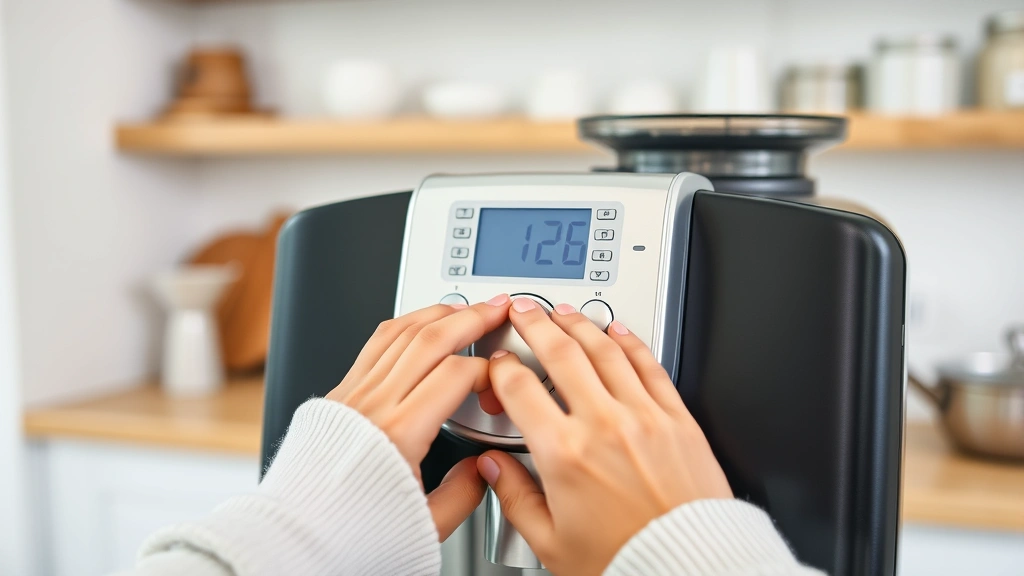
When you first open your Brezza, you’ll notice the control panel displays options for formula type, bottle size, and temperature. These aren’t arbitrary choices; they’re the foundation of how the machine calculates the right mix. The device uses internal logic to determine exactly how much powder and water your specific formula needs.
Most parents don’t realize that different formula brands have different densities. A scoop of one brand doesn’t necessarily equal a scoop of another. This is why the “formula type” setting exists—it’s not just marketing. The Brezza has been programmed with data about popular formula brands, allowing it to adjust its dispensing accordingly.
The settings also account for the fact that you might be using different bottle sizes throughout the day. Your 4 AM emergency bottle might be 4 ounces, while the midday feeding is 8 ounces. The machine needs to know this to maintain proper ratios.
Calibration: The Foundation of Everything
Here’s where most people go wrong: they skip calibration entirely. This is a mistake that can haunt you for months.
Calibration is the process of teaching your Baby Brezza exactly how your specific machine dispenses water and powder. Even two identical machines can have slight variations in dispensing rates due to manufacturing tolerances. Calibration accounts for your machine’s unique personality.
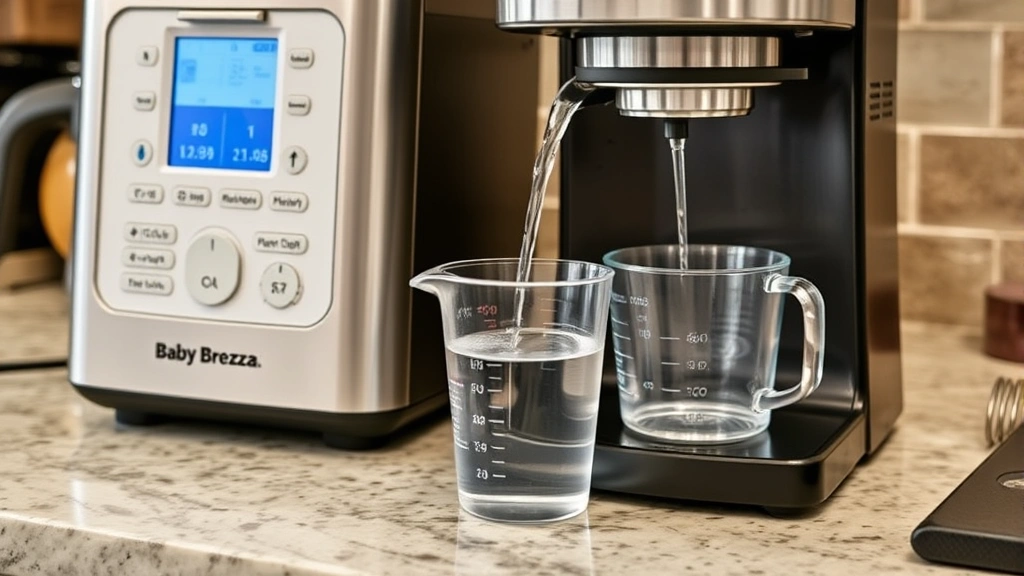
To calibrate your Brezza, you’ll need to follow the manufacturer’s instructions precisely. This typically involves running the machine with an empty bottle to measure how much water it dispenses, then adjusting settings based on the results. Yes, it takes time. Yes, you’ll feel silly standing there with measuring cups at 6 AM. But this step determines the accuracy of every single bottle you’ll make for months to come.
Without proper calibration, you might consistently make bottles that are slightly too concentrated (which can stress your baby’s kidneys) or too diluted (which won’t provide adequate nutrition). The beauty of taking 15 minutes for calibration is that you eliminate guesswork from your entire Brezza experience.
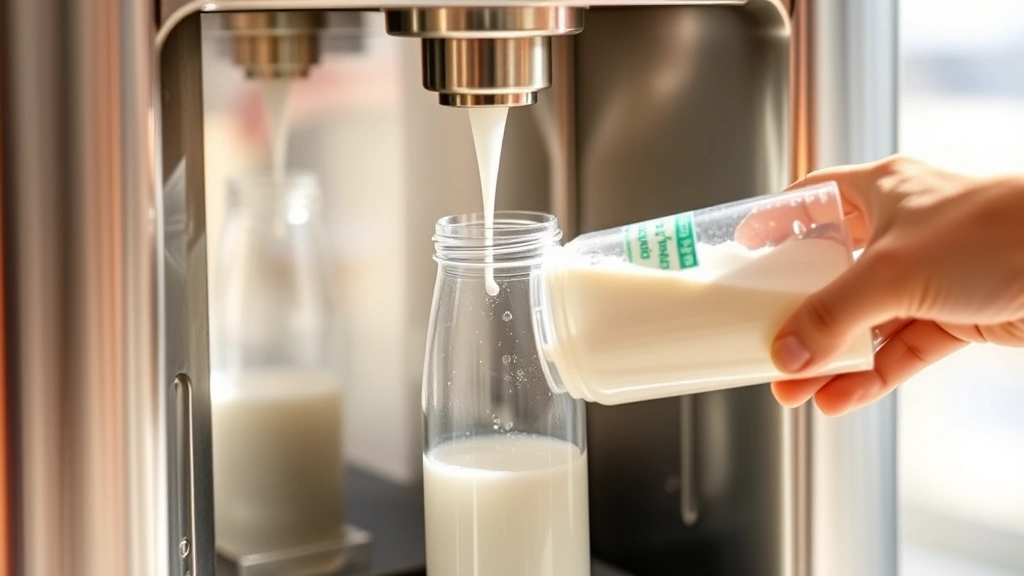
Many parents find that recalibrating every few months helps maintain accuracy, especially if you notice the machine’s performance changing. Environmental factors like water hardness and ambient temperature can subtly affect dispensing over time.
Water Temperature Settings
The Baby Brezza allows you to adjust water temperature, and this setting deserves careful consideration. The machine typically offers a range from lukewarm to hot—usually between 110°F and 160°F.
Here’s what you need to know: the FDA recommends using water heated to at least 158°F (70°C) when reconstituting infant formula to reduce the risk of bacterial contamination, particularly with powdered formula. This is especially important for babies under three months old. However, many parents worry that excessively hot water will damage heat-sensitive nutrients in formula.
The sweet spot for most situations is around 140-150°F. This temperature is hot enough to minimize bacterial risks while being cool enough that you can typically feed your baby within a few minutes without excessive cooling time. Some parents use the hotter setting (160°F) for peace of mind, then let the bottle cool slightly before feeding.
If you’re using ready-to-feed formula or if your baby is older and you’re less concerned about bacterial risk, you might opt for cooler water. But if you’re following CDC guidelines on infant formula safety, stick with the warmer settings for powdered formula.
One practical tip: the water temperature setting on your Brezza is different from the bottle temperature when your baby drinks it. The machine mixes hot water with room-temperature powder and bottles, so the final result is typically cooler than the initial water temperature. Test bottles on your wrist before feeding to ensure they’re at a comfortable temperature.
Selecting Your Formula Type
This setting is more important than many parents realize. Your Baby Brezza has presets for different formula brands and types because they truly do mix differently.
Standard infant formulas—whether cow’s milk-based, goat’s milk-based, or plant-based—have different powder densities. The machine accounts for this through its formula type settings. When you select “Enfamil” versus “Similac” versus a store brand, you’re not just entering data; you’re telling the machine to adjust its dispensing ratios based on that specific product’s characteristics.
If your formula isn’t listed, the manual typically provides guidance on which preset setting is closest to your formula’s specifications. Reading the formula canister’s mixing instructions and comparing them to the Brezza’s options helps you make the best choice.
Specialty formulas—hypoallergenic, lactose-free, or sensitive stomach formulas—may have different settings as well. Always check your formula canister and your Brezza manual to ensure alignment. Using the wrong setting for a specialty formula could result in improper mixing that aggravates the very digestive issues the formula is designed to address.
If you’re switching formula brands, remember to update this setting. Parents often forget this step when transitioning to a new formula, which can result in bottles that taste off or have inconsistent texture. Your baby might refuse the bottle not because of the formula change, but because it’s mixed incorrectly.
Bottle Size and Portion Control
The Baby Brezza allows you to specify your desired bottle size, typically ranging from 2 ounces to 10 ounces depending on your model. This setting tells the machine exactly how much formula and water to dispense.
Here’s where precision matters: if you tell the machine you want an 8-ounce bottle but you’re actually using a 6-ounce bottle, the mixture will be too concentrated. Conversely, if you select 6 ounces but use an 8-ounce bottle, it will be too diluted. The machine can’t see what you’re doing; it relies entirely on your input.
Always double-check that your bottle size setting matches your actual bottle. This seems obvious, but it’s remarkably easy to forget, especially when you’re half-asleep during night feedings. Many parents keep a small label on their most-used bottles noting the correct size to prevent mix-ups.
If you’re using different bottles throughout the day—perhaps standard bottles for daytime and glass baby bottles for nighttime—make sure you’re adjusting the size setting accordingly. The Brezza doesn’t know you switched bottles; you have to tell it.
Some advanced models allow you to save multiple bottle size presets, which is incredibly convenient if you regularly use different sizes. Check your manual to see if this feature is available on your machine.
Troubleshooting Common Issues
Even with perfect settings, things can go wrong. Let’s address the most common issues parents encounter.
Issue: The machine is dispensing too much or too little water. This almost always indicates a calibration problem. Run the calibration process again, following the manual precisely. Measure the water output with a kitchen scale or measuring cup, then input the results exactly as instructed. Don’t estimate or round numbers.
Issue: The formula powder isn’t dispensing properly. Check that your formula hopper is filled and that the powder isn’t clumped or compressed. Humidity can cause formula powder to clump, making it difficult for the machine to dispense evenly. Store your formula in an airtight container in a cool, dry place. If clumping persists, try using a small spoon to break up clumps in the hopper before each use.
Issue: The bottle is coming out too hot or too cold. Adjust your water temperature setting. If it’s still inconsistent, run a cleaning cycle (most machines have a dedicated button for this) and check that the heating element isn’t malfunctioning. If problems persist, contact customer service.
Issue: Your baby is refusing bottles or seems fussy after feeding. This might indicate the formula-to-water ratio is off. Double-check your formula type setting, calibration, and bottle size setting. Sometimes babies are simply going through a phase or teething, but improper mixing can absolutely cause feeding refusal.
Issue: The machine is making strange noises or leaking. Stop using it immediately and contact customer service. While some mechanical sounds are normal, leaking typically indicates a seal problem or internal malfunction.
Maintenance and Cleaning Settings
Your Baby Brezza likely has a cleaning or descaling setting that you should use regularly. Many machines recommend running a cleaning cycle once a week or biweekly, depending on your water hardness.
Hard water—water with high mineral content—can build up mineral deposits inside the machine over time. This buildup affects water temperature consistency and can eventually damage the heating element. Using a descaling solution specifically designed for bottle warmers and formula machines helps prevent this.
Your machine’s manual will specify which descaling solutions are approved. Don’t use generic descaling products designed for coffee makers, as they may not be food-safe. Run the descaling cycle as instructed, then run multiple cycles with fresh water to rinse thoroughly before using the machine for formula again.
Regular maintenance extends your machine’s lifespan and ensures consistent performance. It’s one of those boring tasks that pays dividends over time. Think of it as preventive medicine for your Brezza.
Beyond descaling, keep the exterior clean and ensure the water reservoir is filled with fresh water daily. Some parents prefer filtered water in their Brezza, which can reduce mineral buildup and potentially improve water quality for their baby.
Frequently Asked Questions
Can I use the Baby Brezza with ready-to-feed formula?
Most Baby Brezza models are designed specifically for powdered formula. Ready-to-feed formula doesn’t require mixing, so using it in the machine would be wasteful and potentially problematic. Simply pour ready-to-feed formula into a bottle and warm it using a separate bottle warmer if desired. However, check your specific model’s manual, as some newer versions may have adapted features.
What happens if I use the wrong formula type setting?
The bottle will be mixed incorrectly, either too concentrated or too diluted depending on which setting you used. This can cause digestive issues, inadequate nutrition, or feeding refusal. Always verify you’ve selected the correct formula type before dispensing.
How often should I calibrate my Baby Brezza?
Initial calibration is essential. After that, recalibrate every few months or if you notice the machine’s performance changing. Some parents recalibrate monthly for maximum accuracy, while others go 6+ months without issues. Trust your instincts—if something seems off, recalibrate.
Can I adjust settings mid-cycle?
This depends on your specific model. Most machines allow you to cancel a cycle and start over, but you typically can’t adjust settings while a bottle is being prepared. If you realize you’ve selected the wrong setting, stop the machine, empty the bottle, and start fresh with correct settings.
Is the Baby Brezza worth it if I only prepare a few bottles daily?
This depends on your lifestyle and preferences. The Brezza is most valuable for parents who prepare multiple bottles daily or who need consistency during night feedings. If you’re only making one or two bottles, traditional mixing might be just as practical. That said, many parents find the convenience worth it regardless of volume. Check out our guide on parenting advice for new parents for more perspective on essential gear decisions.
What water should I use in my Baby Brezza?
Tap water is typically fine, though filtered water may be preferable if your tap water is hard or you’re concerned about water quality. Some parents use distilled water, but this isn’t necessary. Check your manual for specific recommendations. If you’re using well water, consider testing it first to ensure it’s safe for infant formula.
Can I prepare bottles in advance with the Baby Brezza?
The Baby Brezza is designed to prepare bottles on-demand. Prepared bottles can be refrigerated for up to 24 hours, but the machine itself creates fresh bottles each time you use it. This on-demand approach is actually one of the machine’s key advantages—it ensures your baby always gets freshly mixed formula.
Why does my Brezza seem less accurate than when I first got it?
Mineral buildup from hard water is the most common culprit. Run a descaling cycle and recalibrate. If problems persist, contact customer service. Machines can occasionally develop mechanical wear over time, though most Brezas last several years with proper maintenance.
Pro tip: Keep your Brezza manual handy and reference it whenever you’re troubleshooting. Many issues have simple solutions that the manufacturer has already documented. Additionally, connecting with other parents through parenting resources for new dads can provide real-world troubleshooting wisdom from people with similar experiences.
Mastering your Baby Brezza settings isn’t complicated once you understand what each setting does and why it matters. Proper calibration, correct formula type selection, and attention to water temperature form the foundation of consistent, reliable bottle preparation. While the machine takes some initial setup time, most parents find it saves countless hours of frustration over months of use.
The key is treating calibration and settings seriously rather than skipping to convenience. Your baby’s nutrition and your peace of mind are worth the 15 minutes it takes to get everything right. For additional insights on preparing your home for a new baby, explore resources on free baby stuff and baby food maker options that complement your formula preparation routine.
Remember that pediatric organizations like the American Academy of Pediatrics provide evidence-based guidance on infant feeding, and your pediatrician is always your best resource for questions about your specific baby’s feeding needs and formula choices. With proper Brezza settings and a little parental confidence, you’ll be making perfect bottles in your sleep—well, as perfect as anything can be at 3 AM.