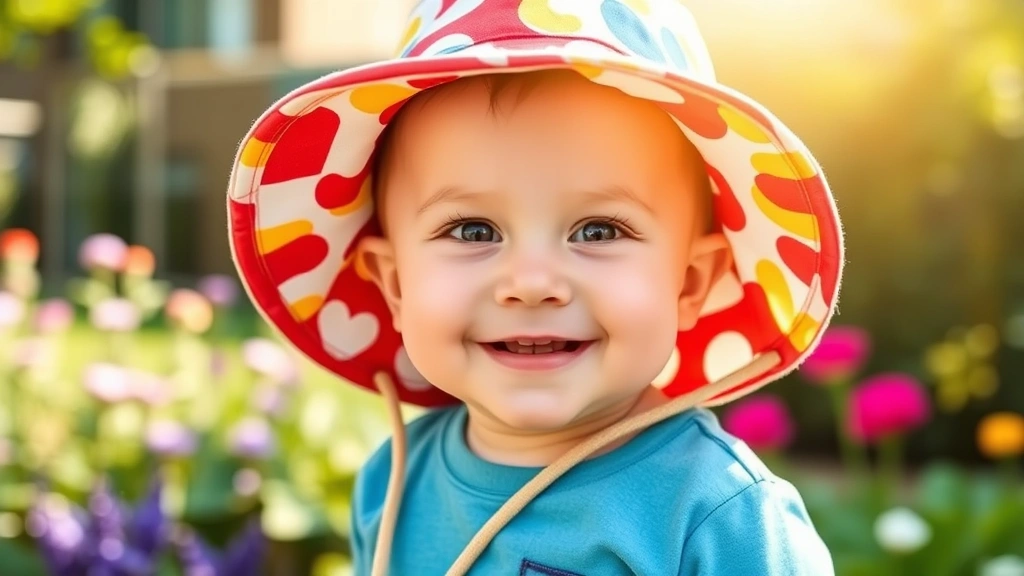
Why Baby Bucket Hats? A Parent’s Guide to Sun Protection and Style
When you’re preparing for parenthood or navigating the early years with your little one, sun protection might not be the first thing on your mind—but it should be high on your priority list. A baby bucket hat is one of the most practical and effective tools in your sun safety arsenal, offering comprehensive coverage that traditional caps simply can’t match. Whether you’re heading to the beach, taking a stroller walk through the neighborhood, or spending time at outdoor playdates, understanding why dermatologists and pediatricians recommend bucket hats can help you make informed decisions about your baby’s health and comfort.
Beyond the health benefits, baby bucket hats have become a beloved staple in modern parenting because they combine functionality with adorable style. Parents appreciate the wide brim that shields delicate facial features, the secure fit that stays in place during active play, and the variety of designs that let babies express personality from day one. In this comprehensive guide, we’ll explore everything you need to know about bucket hats for babies, from UV protection science to styling tips and practical care instructions.
Table of Contents
- Why Bucket Hats Are Essential for Baby Sun Protection
- Understanding UV Protection and Baby Skin
- Getting the Right Size and Fit
- Best Materials for Baby Bucket Hats
- Styling Your Baby’s Bucket Hat
- Care and Maintenance Tips
- Frequently Asked Questions
Why Bucket Hats Are Essential for Baby Sun Protection
Babies and young children have some of the most delicate skin on the planet. Their skin contains less melanin—the natural pigment that provides sun protection—making them significantly more vulnerable to harmful UV rays. According to the American Academy of Pediatrics (AAP), infants under six months should avoid direct sun exposure altogether, and all children need comprehensive protection strategies as they grow.
This is where bucket hats shine. Unlike baseball caps or visors that leave the ears, cheeks, and back of the neck exposed, a proper bucket hat provides 360-degree coverage. The wide, downward-sloping brim creates a protective shield around your baby’s face and extends down the sides and back, covering areas that parents often forget about. These overlooked spots—particularly the ears and the back of the neck—are common sites for sun damage and skin cancer development later in life.
The psychological benefit matters too. When your baby wears a bucket hat consistently from infancy, sun protection becomes normalized. You’re teaching healthy habits that will serve them throughout childhood and into adulthood. Parents who make bucket hats part of their outdoor routine report fewer battles about sun protection as their children grow, because wearing a hat simply feels like part of getting ready to go outside—just like putting on shoes.
If you’re looking to expand your baby boys’ clothing collection or exploring options in baby girl clothes, bucket hats are an essential category that deserves dedicated attention in your wardrobe planning.
Understanding UV Protection and Baby Skin
To truly appreciate why bucket hats matter, it helps to understand how UV rays affect young skin. The sun emits two types of harmful radiation: UVA and UVB rays. Both penetrate the skin and can cause damage, though they work differently. UVB rays cause the immediate sunburn we see and feel, while UVA rays penetrate more deeply and contribute to premature aging and skin cancer risk over time.
Baby skin is fundamentally different from adult skin. It’s thinner, more permeable, and has less developed natural defense mechanisms. Research shows that sun exposure during childhood significantly increases skin cancer risk in adulthood. In fact, just five or more sunburns during childhood double the risk of melanoma later in life. This isn’t meant to create anxiety—it’s meant to underscore why prevention through consistent, comprehensive protection like bucket hats is so valuable.
When you’re applying essential parenting advice to your daily routine, sun protection should rank alongside nutrition and sleep. The best approach combines multiple strategies: seeking shade during peak sun hours (10 AM to 4 PM), applying broad-spectrum sunscreen SPF 30 or higher, wearing protective clothing, and—crucially—wearing a well-fitting bucket hat.
Many parents don’t realize that hats provide better protection than sunscreen alone. A bucket hat offers instant, constant protection without needing reapplication, and it doesn’t wash off in water or sweat. This makes it particularly valuable during beach days, water play, and active outdoor activities where sunscreen reapplication can be challenging.

Getting the Right Size and Fit
A bucket hat only works if your baby will actually wear it, which means sizing and fit are absolutely critical. Too large, and it slips over the eyes or falls off during play. Too small, and it’s uncomfortable and potentially unsafe. The goal is a snug but not tight fit that stays securely in place during movement and play.
For newborns and infants up to 6 months, bucket hats typically come in “newborn” or “0-6 month” sizes. These are quite small—usually measuring 16-17 inches in circumference. As babies grow, hat sizes increase in roughly 2-inch increments. Most 6-12 month old babies wear a size that measures around 18 inches, while toddlers (12-24 months) typically need 19-20 inches.
To measure your baby’s head, use a soft measuring tape and wrap it around the fullest part of their head, just above the eyebrows and ears. Write down the measurement and check the manufacturer’s sizing chart before purchasing. Different brands vary slightly in their sizing, so never assume a “6-month” hat will fit your 6-month-old—always verify with actual measurements.
Many quality bucket hats include adjustable chin straps or drawstring features that allow for growth and a customizable fit. This is a feature worth seeking out, as it extends the useful life of the hat. Some parents prefer velcro chin closures for easy adjustment, while others like ties. Consider your lifestyle: velcro is faster for quick outdoor trips, while ties might be more secure during active play at the beach.
Remember that bucket hats should feel comfortable enough that your baby won’t constantly try to remove them. If your baby is consistently pulling at the hat or seems distressed, it may be too tight. A properly fitting hat should feel secure but allow you to fit a finger comfortably between the hat and your baby’s head.
Best Materials for Baby Bucket Hats
Not all bucket hat materials are created equal, especially when it comes to baby safety and comfort. The ideal material for a baby bucket hat should offer UPF (Ultraviolet Protection Factor) protection, breathability, durability, and gentle handling of delicate skin.
UPF-rated fabrics are specifically designed to block UV rays more effectively than regular cotton. Look for hats labeled with UPF 50+, which blocks 98% of UV rays. These fabrics are typically made from tightly woven synthetics like polyester or nylon, sometimes blended with natural fibers. The tight weave is what creates the protective barrier.
Cotton bucket hats are comfortable and soft against baby skin, but plain cotton provides minimal UV protection—only about UPF 5-10. If you choose cotton, ensure it’s combined with other protective strategies like sunscreen and shade-seeking. Many quality baby bucket hats use cotton-blend fabrics that combine the softness parents love with improved UV protection.
Mesh panels in bucket hats offer excellent breathability, which is crucial for preventing overheating in warm weather. Babies can’t regulate their temperature as effectively as older children and adults, so adequate airflow is important. Look for hats with mesh panels that are still UPF-rated, providing both protection and breathability.
When shopping for your baby shower gift ideas, a high-quality bucket hat is an incredibly practical present that new parents genuinely need. Premium materials in a well-designed hat can be used for multiple children and last through years of outdoor play.
Pay attention to seams and construction quality. Reinforced seams prevent unraveling, and double-stitching indicates durability. The bill of the hat should be sturdy enough to maintain its shape and provide consistent shade, not floppy or easily bent out of form.

Styling Your Baby’s Bucket Hat
One of the joys of baby bucket hats is the incredible variety of styles available. From classic solid colors to playful prints, seasonal patterns to character designs, bucket hats offer endless styling possibilities. This variety makes sun protection fun and gives parents creative outlets for expressing their baby’s personality.
For newborns and very young babies, soft pastels and neutral tones are popular choices. Pale yellow, soft pink, mint green, and cream bucket hats complement almost any baby outfit and photograph beautifully. Many parents love the aesthetic of classic bucket hats in these gentle colors for their early months of life.
As babies grow into the toddler years, bolder prints become more popular. Tropical prints with palm trees and pineapples evoke beach vibes, while nautical stripes and anchor designs suit seaside adventures. Animal prints—from giraffes to dinosaurs—add playful personality. Some families coordinate bucket hats with matching swimwear or outfits for cohesive looks.
Seasonal bucket hats are another fun category. Summer styles often feature bright colors and beach-themed designs. Fall bucket hats might incorporate warmer tones and back-to-school themes. Some parents enjoy holiday-themed bucket hats for festive outdoor gatherings. Winter bucket hats with fleece linings provide both sun protection and warmth during sunny winter days.
Character bucket hats featuring beloved children’s characters or animals are hugely popular with toddlers and older babies. When your toddler recognizes their favorite character on their hat, they’re often more willing to wear it. This is a practical parenting hack—if a hat featuring your child’s favorite character gets worn consistently, that’s a win for sun protection.
Don’t overlook the styling impact on your own wardrobe. Many parents find that coordinating with their baby’s bucket hat creates adorable matching moments perfect for photos. Family bucket hat sets have become increasingly popular, with parents and children wearing complementary hats during beach days and outdoor adventures. Check the Parent Path Daily Blog for styling inspiration and seasonal recommendations.
When selecting a bucket hat for your baby, consider your lifestyle and climate. Families in sunny climates might prioritize lightweight, breathable materials, while those in more temperate zones might appreciate hats with slightly heavier construction. Your daily outdoor activities should also influence your choices—active toddlers need secure-fitting hats with chin straps, while babies who primarily nap in strollers might wear looser styles.
Care and Maintenance Tips
Proper care extends the life of your baby’s bucket hat and maintains its protective properties. Most bucket hats can be hand-washed in cool water with mild detergent. Avoid using hot water or harsh chemicals that might damage the UPF coating or fade colors.
For daily maintenance, remove visible sand, dirt, or debris by gently brushing or shaking the hat outdoors. If the hat has been exposed to chlorine or salt water, rinse it thoroughly with fresh water as soon as possible to prevent material degradation and discoloration.
Air-dry your bucket hat away from direct heat sources like radiators or clothes dryers. Direct heat can damage synthetic fabrics and may compromise the UPF protection. Lay the hat flat or hang it on a peg to dry, allowing air to circulate around the entire hat. This process typically takes 24-48 hours depending on humidity and air circulation.
Store bucket hats in a cool, dry place. Excessive heat, moisture, or direct sunlight during storage can degrade the materials and protective coatings. A hat rack in a closet or a dedicated drawer works well. Avoid storing in damp basements or attics where temperature and moisture fluctuate dramatically.
Check the hat regularly for signs of wear. If the UPF coating is peeling, seams are separating, or the material is thinning, it may be time to replace the hat. A compromised hat won’t provide the protection your baby needs. Most quality bucket hats last through one or two seasons of regular use before needing replacement.
Keep multiple bucket hats on rotation if possible. This allows each hat to dry completely between uses and extends their overall lifespan. It’s also practical from a parenting perspective—you’ll always have a clean hat available, even if one is in the wash. Many families keep one hat in the diaper bag, one in the car, and one at home.
Frequently Asked Questions
At what age can babies wear bucket hats?
Bucket hats can be worn from birth. Newborn-sized hats are available for tiny babies, and many parents start using them immediately for outdoor time. For babies under 6 months, bucket hats are part of a comprehensive sun protection strategy that includes shade-seeking and protective clothing, as direct sunscreen application isn’t recommended for very young infants.
Can bucket hats prevent all sun damage?
While bucket hats provide excellent protection for the face, ears, and neck, they should be part of a multi-layered sun protection approach. The American Academy of Pediatrics recommends combining hats with shade-seeking, protective clothing, and sunscreen (for babies over 6 months). This comprehensive approach is more effective than any single strategy alone.
What’s the difference between a bucket hat and a sun hat?
Terms are often used interchangeably, but “bucket hat” typically refers to the classic style with a rounded crown and downward-sloping brim all around. “Sun hat” is a broader category that includes various protective hat styles. Bucket hats are generally considered superior for sun protection because of the complete coverage they provide.
How often should I replace my baby’s bucket hat?
With proper care, a quality bucket hat typically lasts one to two seasons of regular use. If your baby wears the hat daily during summer months, you might need to replace it annually. If it’s used occasionally, it might last longer. Replace sooner if you notice damage, fading, or deterioration of the material.
Will my baby keep a bucket hat on?
Many babies and toddlers happily wear bucket hats, especially if they’re introduced early and fit properly. Starting with a well-fitting hat, choosing attractive designs your child likes, and making hat-wearing routine increases acceptance. Some children naturally resist hats—in these cases, combining shorter hat-wearing periods with other protective strategies works well.
Are expensive bucket hats worth the investment?
Higher-quality bucket hats typically offer better UPF protection, superior construction, improved durability, and more comfortable fits. If you plan to use the hat frequently or pass it to younger siblings, investing in quality makes sense. For occasional use, mid-range options provide good protection at lower cost.
Can bucket hats be worn in water?
Yes, bucket hats are perfect for water activities. Most quality bucket hats dry quickly and can be worn while swimming or playing in water. However, you should still apply water-resistant sunscreen to exposed skin, as the hat doesn’t cover everything. Rinse the hat with fresh water after salt water or chlorine exposure.
What should I look for when buying a bucket hat?
Prioritize UPF 50+ protection, proper sizing for your baby, comfortable materials, secure chin straps, and quality construction. Read reviews from other parents, check sizing charts carefully, and consider your climate and lifestyle. Remember that the best bucket hat is the one your baby will actually wear consistently.
Incorporating a quality bucket hat into your parenting advice toolkit is one of the most effective ways to protect your baby’s delicate skin from harmful UV rays. By understanding the science behind sun protection, choosing the right hat for your child, and making it part of your outdoor routine, you’re investing in your baby’s long-term health and setting healthy habits that will last a lifetime. Whether you’re heading to the beach, taking neighborhood strolls, or enjoying backyard playtime, a bucket hat is an indispensable piece of gear that combines protection with style and practicality.