Are Baby Cowboy Boots Worth It? A Parent’s Guide to Style, Comfort, and Value
There’s something undeniably charming about seeing a tiny human sporting miniature cowboy boots. Whether you’re drawn to the Western aesthetic, planning a themed photoshoot, or simply wondering if this investment makes sense for your little one, the question of whether baby cowboy boots are worth it deserves a thoughtful answer. Let’s cut through the romanticized imagery and explore what actually matters: your baby’s comfort, your budget, and whether these pint-sized boots deliver real value.
The cowboy boot trend for babies has exploded in recent years, fueled by social media and celebrity parent culture. But before you add another pair of shoes to your already overflowing diaper bag, it’s worth understanding what you’re actually getting into. We’ll break down the practical considerations, style options, and honest truths about whether baby cowboy boots belong in your nursery.
Practical Considerations for Baby Feet
Before we dive into the aesthetics and Instagram-worthy moments, let’s talk about what matters most: your baby’s developing feet. Babies grow at an astonishing rate, and their feet are no exception. Infants typically outgrow shoes every few months, especially during the first two years of life. This fundamental reality shapes every decision you make about baby footwear.
When considering baby boots, you’re looking at an investment that might be worn for a matter of weeks. Most parents find that their babies wear shoes only occasionally until they’re actively walking and spending significant time outdoors. This timeline matters tremendously when evaluating whether cowboy boots make financial sense.
The baby foot is also remarkably different from an adult foot. According to the American Academy of Pediatrics, infant feet are mostly cartilage rather than bone, making them extremely flexible and vulnerable to pressure. This flexibility is actually crucial for healthy development, and restrictive footwear can interfere with natural foot development and balance acquisition.

Comfort and Fit: The Non-Negotiables
If you decide to purchase baby cowboy boots, getting the right fit becomes absolutely critical. Unlike adult boots, where a slightly snug fit is often acceptable, baby shoes need to be precisely measured and properly fitted. Using a baby shoe size chart is essential, but it’s only the starting point.
Here’s what you need to know about fitting baby cowboy boots properly:
- Measure both feet: Babies’ feet are rarely identical in size, so measure each one separately and use the larger measurement.
- Check the flex: The boot should bend easily at the ball of the foot, not resist natural movement.
- Heel fit matters: There should be minimal heel slip, but not so tight that it restricts circulation.
- Toe room is essential: You should be able to fit a finger’s width between the longest toe and the boot end.
- Width consideration: Many babies have wider feet than standard sizing suggests, so look for boots available in multiple widths.
Quality cowboy boots for babies often feature soft, flexible leather that molds to the foot rather than rigid construction. The heel height should be minimal—we’re talking a quarter inch, not the dramatic stacks adults wear. Breathable materials are non-negotiable, especially if your baby will wear these boots for extended periods.
One often-overlooked factor is weight. Baby cowboy boots can be surprisingly heavy compared to other baby boy shoes. When your child is learning to walk, every ounce matters. Heavier boots can affect balance development and tire little legs more quickly.
Style Meets Occasion: When to Wear Them
Here’s where baby cowboy boots actually shine: they’re fantastic for specific occasions and moments. If you’re honest about when these boots will actually be worn, you can make a smarter purchasing decision.
Baby cowboy boots make genuine sense for:
- Special occasions: Weddings, family photos, holiday pictures, and milestone celebrations where you want a memorable look.
- Themed events: Birthday parties, ranch visits, Western-themed family gatherings, or costume situations.
- Fashion-forward families: If Western wear is genuinely part of your family’s style rather than a one-time novelty.
- Photo documentation: These boots photograph beautifully and create lasting memories worth capturing.
- Gift-giving moments: As a special present for a baby boy, particularly from family members who appreciate the aesthetic.
The key is being realistic. If you’re envisioning your baby wearing cowboy boots multiple times per week for everyday activities, you’re setting yourself up for disappointment and wasted money. These are special-occasion shoes, not everyday wear.
Budget Reality: Cost Versus Longevity
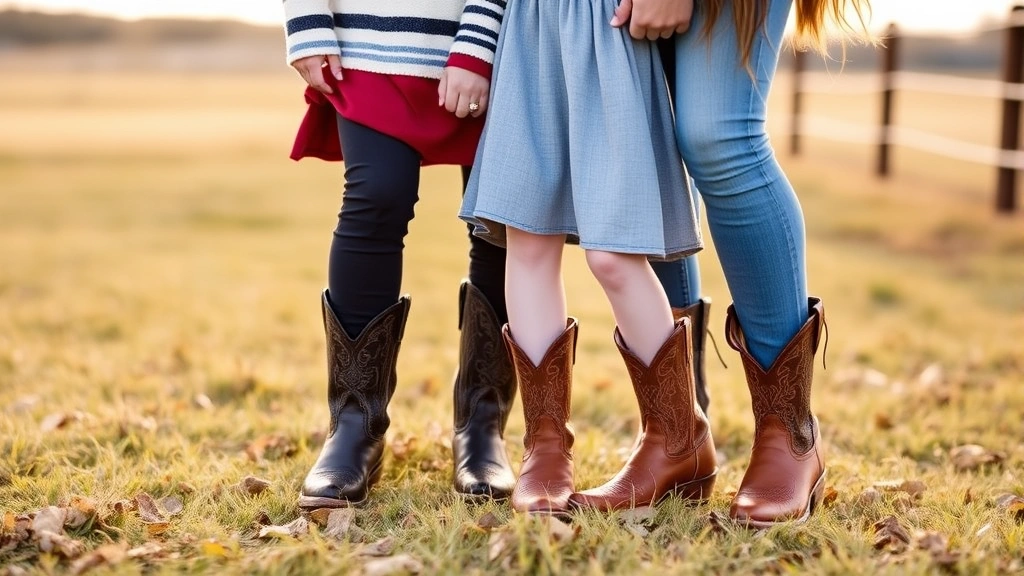
Let’s address the elephant in the room: baby cowboy boots are expensive. Quality pairs typically range from $40 to $150, with premium designer options reaching $200 or more. Compare this to standard baby shoes at $20 to $50, and you’re looking at a significant markup.
The value proposition depends entirely on your situation:
Baby cowboy boots are worth it if:
- You’ll wear them multiple times before your baby outgrows them (at least 3-4 occasions).
- You plan to pass them to younger siblings or cousins.
- You value the quality and craftsmanship of well-made boots.
- Western wear is genuinely part of your family aesthetic.
- You’re purchasing them as a special gift that will be cherished.
Baby cowboy boots aren’t worth it if:
- You’re buying them for a single use or photo opportunity.
- Your baby will outgrow them in 6-8 weeks without wearing them.
- You’re purchasing them on impulse without a specific occasion in mind.
- Budget constraints mean the money could be better spent elsewhere.
- Your baby has sensory sensitivities or strongly resists wearing shoes.
Consider also the resale market. Quality baby cowboy boots hold value surprisingly well on secondhand platforms. If you purchase from reputable brands and keep them in good condition, you might recover 40-60% of your investment by selling them after your child outgrows them.
Developmental Concerns Worth Noting
As parents, our primary concern should always be healthy development. It’s worth understanding how footwear choices impact your baby’s growth and motor skills.
Research from pediatric development specialists suggests that babies learn to walk best with minimal footwear. The sensory feedback from bare feet or soft-soled shoes helps develop balance, coordination, and proprioception. Restrictive boots can interfere with this natural learning process.
This doesn’t mean baby cowboy boots are harmful if used appropriately. The key word is “appropriately.” Wearing them for a few hours at a special event won’t damage development. However, if your baby is currently learning to walk, you’ll want to minimize boot-wearing time and prioritize flexible, lightweight options when shoes are necessary.
Additionally, some babies have sensory processing differences that make certain textures, weights, or fits uncomfortable. Cowboy boots, particularly stiff leather ones, might trigger distress in sensitive babies. Trust your instincts about your individual child’s needs.
Smart Alternatives to Consider
If you love the cowboy aesthetic but have reservations about traditional boots, several alternatives offer similar visual appeal with greater practicality:
Cowboy-inspired soft-soled shoes: Many brands now offer baby shoes with Western styling in soft, flexible materials. These provide the look without the rigidity of traditional boots.
Moccasins with Western details: Soft leather moccasins with fringe, studs, or Western patterns give you style with comfort and flexibility.
Boot-style socks: Yes, they exist! Novelty socks with boot patterns are perfect for photos and special occasions without any foot restriction.
Leather sandals with Western flair: For warmer weather, some brands offer baby sandals with cowboy boot-inspired design.
When exploring baby boy clothes and accessories, don’t overlook how styling can create a Western look without committing to full boots. A cute bandana, Western-themed outfit, or hat can achieve the aesthetic alongside simpler footwear choices.
Our Honest Recommendations
After considering all factors, here’s our straightforward guidance on baby cowboy boots:
Purchase baby cowboy boots if: You have a specific occasion coming up (family photos, wedding, special event), you plan to use them multiple times, you have younger siblings in the pipeline, or Western wear genuinely fits your family’s style. In these scenarios, invest in quality from reputable brands and expect to spend $60-$100 on well-made boots that will last and resell well.
Look for boots featuring:
- Soft, flexible leather that breathes and molds to the foot
- Minimal heel height (quarter inch maximum)
- Available sizing in multiple widths
- Lightweight construction
- Good reviews from other parents
- Brands with strong resale value
Skip baby cowboy boots if: You’re shopping on impulse, budget is tight, your baby is currently learning to walk, or you can’t identify a specific occasion for wearing them. In these cases, save your money or invest in more versatile, everyday footwear options.
If you do purchase, set realistic expectations. These are special-occasion shoes that will be worn a handful of times before being outgrown. Frame them as a memory-making investment rather than practical everyday wear, and you’ll feel satisfied with your purchase.
As a thoughtful alternative, consider whether baby boy gifts in other categories might bring more lasting value and use to your family. Sometimes the most worthwhile investment is the one you’ll actually utilize regularly.
Frequently Asked Questions
At what age can babies wear cowboy boots?
Babies can technically wear cowboy boots from newborn age, but they’re most practical starting around 6 months when babies are sitting up stably. However, most babies don’t need shoes until they’re walking independently, typically between 12-18 months. Before that, boots are purely for aesthetics or special occasions.
How do I know if baby cowboy boots fit properly?
Proper fit means the boot bends easily at the ball of the foot, has minimal heel slip, allows a finger’s width of space at the toe, and feels secure without being restrictive. Your baby should be able to wiggle their toes freely. When in doubt, visit a store where staff can measure your baby’s feet professionally.
Can baby cowboy boots hurt my baby’s feet?
Properly fitted, high-quality baby cowboy boots won’t hurt your baby’s feet. However, poorly fitting boots or those worn for extended periods can cause discomfort, restrict natural foot development, or create pressure points. This is why fit is absolutely critical.
Are baby cowboy boots machine washable?
Most leather baby cowboy boots require spot cleaning or gentle hand washing. Check the manufacturer’s care instructions before purchasing. Some brands offer suede or fabric options that are more washable, though these may be less durable long-term.
What brands make quality baby cowboy boots?
Reputable brands include Justin Boots, Tony Lama, Ariat, and Roper, which all offer baby sizes. Luxury retailers also carry designer options. Look for boots with genuine leather, positive parent reviews, and good resale value. Avoid extremely cheap options that use rigid plastic-like materials.
Should my baby wear cowboy boots if they’re learning to walk?
Minimize boot-wearing during the active learning-to-walk phase. Babies develop balance and coordination better with minimal footwear. Reserve cowboy boots for special occasions rather than daily wear during this developmental period. Soft-soled shoes or going barefoot are better choices for active learning phases.
Can I pass baby cowboy boots to siblings?
Absolutely! Quality cowboy boots hold up well to wear and often look better as leather ages. If kept in good condition, they can be passed to younger siblings or cousins. This significantly improves the value proposition of your initial investment.
What’s the difference between baby cowboy boots and regular baby boots?
Baby cowboy boots feature Western styling with characteristic heel shapes, often include decorative stitching or details, and are typically made from sturdy leather. Regular baby boots prioritize practicality and everyday wear. Cowboy boots are more specialized for aesthetic appeal, while regular boots focus on weather protection and durability for frequent use.