Choosing a Baby Cradle: Expert Buying Guide
There’s something almost magical about watching your newborn drift off to sleep in a gently swaying cradle. But before you get swept up in that image, let’s talk reality: choosing the right baby cradle involves navigating safety standards, space constraints, budget considerations, and honestly, figuring out what actually works for your family’s lifestyle. This isn’t just about picking the prettiest option at the store.
A baby cradle serves as that special transition space between your bed and your baby’s independent sleeping area. Unlike a full-size crib, cradles are more intimate and portable, making those 3 a.m. feedings slightly less of an expedition across the house. But they’re not one-size-fits-all solutions, and what works beautifully for one family might feel completely wrong for another.
In this guide, we’re breaking down everything you need to know about selecting a baby cradle that prioritizes safety, fits your space, matches your budget, and actually gets used beyond the first month. Let’s dive in.
Understanding Baby Cradles: Types and Styles
Before we talk specifics, let’s clarify what we’re actually looking at. A baby cradle is a smaller sleeping space designed for newborns and young infants, typically accommodating babies from birth until around 4-6 months old. The key word here is smaller—this isn’t a crib replacement, it’s a complement to your sleeping arrangements.
The most common type is the traditional wooden cradle, which rocks gently back and forth. These have that classic nursery aesthetic and can be quite beautiful, but they do require actual space and commitment to the look. Then there are modern variations like bedside sleepers and mini-cribs, which serve similar purposes but with different mechanics and positioning.
Swing-style cradles, sometimes called gliders or rockers, operate differently from traditional rocking cradles. If you’re already considering a baby swing chair for daytime soothing, you might think a swinging cradle is redundant. Not necessarily—the motion profiles are different, and what soothes during the day might not work the same way at night. Some parents find a best baby swing works better for active babies, while a gentle rocking cradle suits other infants perfectly.
Portable cradles and travel-friendly options have exploded in recent years. These lightweight versions pack down and move easily, making them perfect for parents who travel frequently or live in smaller spaces. The trade-off? They’re typically less sturdy and may not have the same soothing motion quality as stationary models.
Safety Standards and Regulations You Need to Know
Here’s where we get serious: your baby’s safety isn’t negotiable. The Consumer Product Safety Commission (CPSC) has specific standards for infant sleep products, and any cradle you’re considering should meet these requirements.
Look for certification to ASTM International standards, specifically ASTM F406-21 for non-full-size baby cribs and play yards. This ensures the cradle has been tested for structural integrity, stability, and entrapment hazards. Any reputable manufacturer will prominently display this certification on their product page or manual.
The American Academy of Pediatrics (AAP) offers clear guidance on safe sleep environments. According to AAP recommendations, babies should sleep on firm, flat surfaces—and your cradle absolutely must provide this. Soft, squishy surfaces increase the risk of suffocation, so those adorable plush cradle bumpers? Skip them entirely.
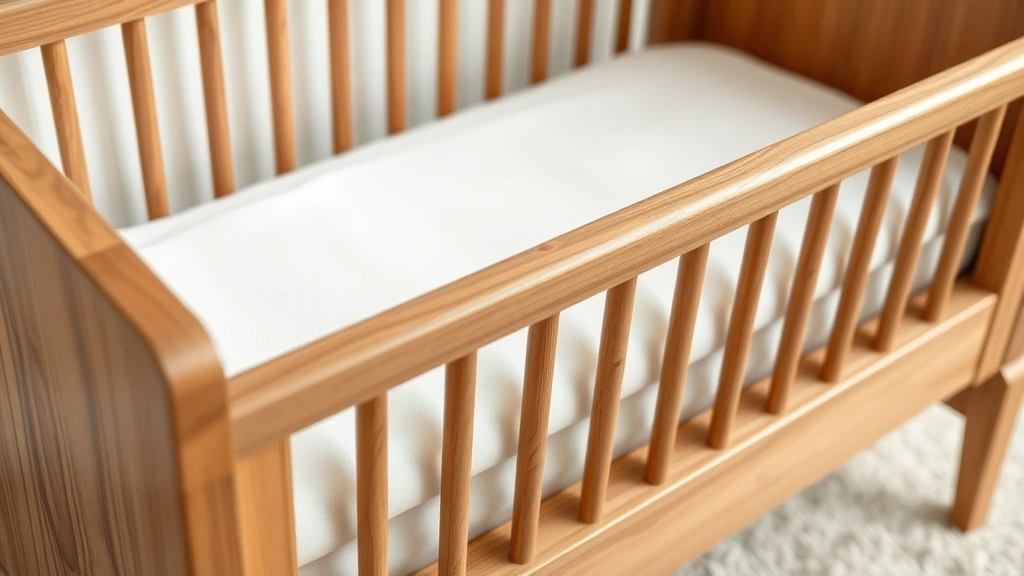
Spacing between slats matters tremendously. The gap shouldn’t exceed 2 3/8 inches—this prevents your baby’s head from getting stuck. Check the base and railings too; any gap larger than 1/4 inch poses entrapment risks. These aren’t arbitrary numbers; they’re based on infant anatomy and tragic incidents that led to safety improvements.
When evaluating a cradle, physically inspect it if possible. Shake it gently. Does it feel stable? Do any parts wiggle or creak in concerning ways? A quality cradle should feel solid and secure, not wobbly or flimsy.
Size, Space, and Practical Considerations
This is where the romantic vision meets real life. That beautiful wooden cradle you saw on Pinterest? Gorgeous, but does it actually fit in your bedroom? Cradles typically range from 18-24 inches wide and 36-42 inches long, which seems manageable until you account for the space around it for safe access.
Think about traffic flow in your bedroom. You need to navigate to the cradle safely in the dark at 2 a.m. without stubbing your toes or tripping over furniture. Consider how a cradle impacts your ability to move around, access your closet, or even get out of bed quickly if needed.
Height is another practical factor that gets overlooked. Some parents prefer cradles positioned at or near bed height for easier nighttime access. Others want their baby’s sleeping space clearly separated from the adult bed. There’s no wrong choice here—it’s about what works for your setup and comfort level.
If you’re working with limited space, you might be choosing between a traditional cradle and other options. A baby box offers an even more compact sleeping solution for newborns, taking up minimal floor space. Some families find this works better than a full cradle in tight quarters.
Weight and portability matter more than people realize. If you’re planning to move the cradle between rooms or take it to grandparents’ houses, a 50-pound wooden cradle becomes a real inconvenience. Lighter models sacrifice some aesthetic appeal but gain practical functionality.
Features That Actually Make a Difference
Not all cradle features are created equal. Some genuinely improve functionality and safety, while others are pure marketing fluff that adds cost without value.
Rocking mechanism: Traditional rockers use curved runners underneath. Gliders move in a smooth back-and-forth motion on a fixed track. Some parents swear by the gentle sway of a rocker, while others find gliders less jerky and more controlled. This is genuinely personal preference—there’s no objectively better option.
Adjustable heights: If your cradle height adjusts, you can position it closer to your bed level for middle-of-the-night feedings, then lower it as your baby gets older and more independent. This feature extends how long you’ll actually use the cradle, making it better value.
Wheels with locks: Even if you don’t plan to move your cradle daily, having wheels with secure locks provides flexibility. You can position it exactly where needed and know it won’t shift unexpectedly during sleep.
Ventilation: Look for cradles with slatted sides rather than solid panels. This improves air circulation, which is important for safe sleep and comfort. It also lets you see your baby without leaning over.
Removable bassinet feature: Some modern cradles have removable sleep surfaces that detach for portable use. This is genuinely useful if you travel or want to move the sleep surface to different locations.
Features that matter less: decorative elements, elaborate bedding packages, and built-in storage. The bedding situation is particularly important—when setting up your cradle, you’ll actually want to understand when babies can sleep with a blanket safely, which is generally not in a cradle with a newborn.
Budget-Friendly Options Without Compromising Safety
You don’t need to spend $500 to get a safe, functional baby cradle. Quality options exist at various price points, but you need to know where to invest and where you can save.
Where to spend money: Safety certifications, sturdy construction, and smooth rocking mechanisms are worth the investment. A cradle that wobbles or rocks unevenly defeats the purpose and creates safety concerns. Solid wood construction typically lasts longer than particle board, especially if you plan to reuse the cradle for future children.
Where you can save: Aesthetic finishes, elaborate decorative elements, and fancy bedding packages. A simple wood stain looks just as good as elaborate hand-painting, and it costs less. Skip the designer bedding sets and invest in quality, safe sleep surfaces instead.
Consider looking at baby registry must haves lists to understand what experienced parents actually prioritize. A cradle appears on many registries, but it’s often a secondary item—meaning you might find good deals on floor models or previous-season styles.
Second-hand options require extra caution. If you’re buying used, verify that the cradle meets current safety standards and hasn’t been recalled. The CPSC website maintains a searchable database of recalled products. Also check for any visible damage, loose joints, or worn mechanisms that could affect safety.
Mid-range brands often offer the best value. You’re paying for quality without luxury markups. Read reviews from parents who’ve actually used the cradle long-term, not just initial impressions.
Setting Up Your Cradle for Safe Sleep
You’ve chosen your cradle—now let’s talk setup. Because even the safest cradle becomes a risk if you don’t use it correctly.
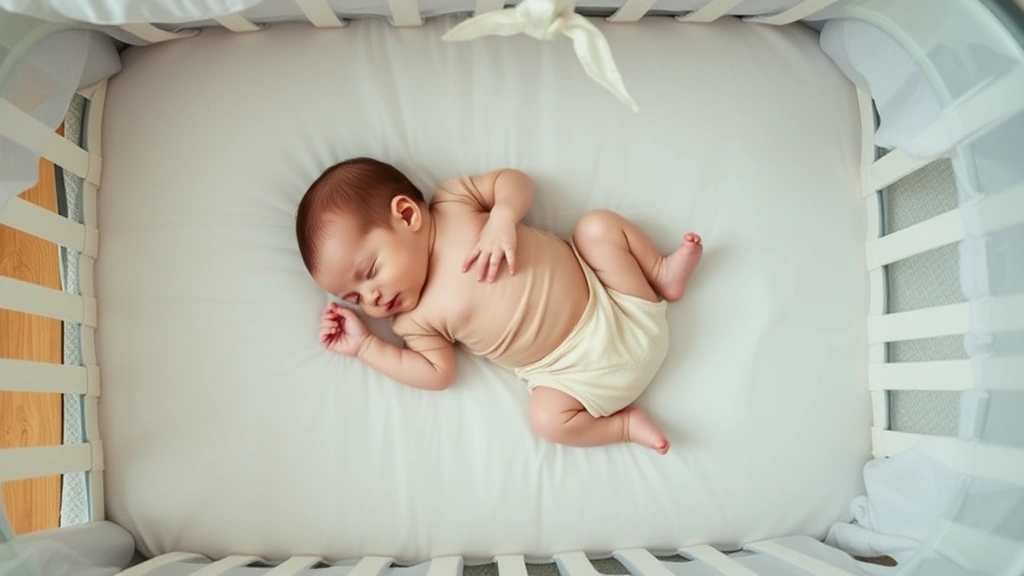
The sleep surface: Use only a firm, flat mattress designed for your specific cradle. Don’t improvise with standard crib mattresses or memory foam options. The mattress should fit snugly with no gaps where your baby could roll into. Cover it with a fitted sheet designed for that mattress—nothing else.
Nothing else goes in: This bears repeating because it’s so important. No pillows, bumpers, blankets, or stuffed animals. Your newborn needs only the fitted sheet. As your baby grows and approaches the 12-month mark, you can gradually introduce baby blanket options for warmth, but verify age-appropriateness first.
Swaddling is fine outside the cradle during soothing, but once your baby is in the cradle for sleep, they should be unswaddled and unrestrained. This allows for natural movement and reduces suffocation risk.
Room temperature and clothing: Babies sleep best in slightly cool rooms (around 68-72 degrees Fahrenheit) wearing appropriate sleep clothing like sleep sacks. This eliminates the need for blankets while keeping them warm and safe.
Positioning: Always place your baby on their back for sleep, regardless of cradle type. This reduces SIDS risk significantly. Continue this practice until your baby can consistently roll from back to front and back again—usually around 6 months, which is also when most babies outgrow cradles.
Monitoring: Position your cradle where you can easily see and hear your baby. If you use a baby monitor, place the camera where it captures your baby’s face and chest movement without pointing directly at them.
According to the AAP’s safe sleep guidelines, room-sharing without bed-sharing for the first six months (ideally one year) significantly reduces SIDS risk. A cradle positioned in your bedroom achieves this perfectly.
Frequently Asked Questions
How long can a baby use a cradle?
Most babies outgrow cradles between 4-6 months, though some use them longer depending on size and development. Once your baby can roll consistently, they’ve likely outgrown the cradle’s safety parameters. At that point, transition to a full-size crib. Some families use cradles for just 2-3 months, so consider this when deciding whether the investment makes sense for your family.
Is a cradle necessary, or can I skip it?
A cradle isn’t essential—many families go straight from co-sleeping to a crib. However, cradles offer a middle ground that some parents find invaluable for nighttime feedings and creating a separate sleep space. The decision depends on your sleeping arrangement preferences, bedroom space, and budget. If you’re already considering other options, evaluate what actually fits your situation.
Can I use a cradle in the living room during the day?
Absolutely. Many families use cradles as daytime sleeping spaces, moving them between rooms as needed. Just ensure the cradle remains in a safe location away from hazards, and never leave your baby unattended in a cradle, whether day or night.
What’s the difference between a cradle and a bassinet?
Bassinets are typically larger than cradles and often have fixed frames rather than rocking mechanisms. Bassinets usually accommodate babies slightly longer than cradles. Cradles emphasize the gentle rocking motion, while bassinets focus on portable, elevated sleeping. The choice depends on whether the rocking motion appeals to you and how long you want the sleep surface to work.
Are wooden cradles safer than modern plastic models?
Safety depends on certification and construction, not material. Both wooden and plastic cradles can be equally safe if they meet ASTM standards. Wooden cradles may feel more sturdy, but modern plastic models are engineered to be safe and durable. Choose based on aesthetics, budget, and features rather than assuming one material is inherently safer.
Should I buy a cradle with a changing table attached?
Combination cradle-changing table units can be space-savers, but they create compromises. The changing surface is often less functional than a dedicated changing table, and the unit becomes less stable. Unless you’re extremely space-constrained, separate pieces usually work better and last longer since you’ll use the changing table beyond the cradle years.