Are Baby Dogs Easy to Train? Expert Insights on Puppy Development and Success
Bringing home a puppy is thrilling, chaotic, and occasionally humbling. You’ve probably scrolled through countless adorable videos of baby puppies performing tricks, and wondered: how hard could this really be? The truth sits somewhere between “surprisingly manageable” and “what have I gotten myself into?” Training baby dogs requires understanding their developmental stages, realistic expectations, and a willingness to invest time consistently.
Whether you’re considering your first puppy or adding to your pack, the question of trainability matters enormously. Some breeds take to commands like they invented obedience, while others seem determined to rewrite the rulebook. The good news? Baby dogs are actually primed for learning. Their brains are sponges, their food motivation is typically high, and they’re naturally inclined to bond with their caregivers. The challenge isn’t whether they can learn—it’s whether you’re ready to teach them effectively.
This guide breaks down what makes training baby dogs tick, explores breed-specific considerations, and provides actionable strategies that actually work. Whether you’re dealing with a spirited baby husky or a determined baby pitbull, you’ll find practical insights grounded in canine development science.
Understanding Puppy Brain Development
Baby dogs aren’t just tiny versions of adult dogs—their brains are literally developing in real-time. A puppy’s cognitive abilities expand dramatically between 3 and 16 weeks of age, which is why early exposure to training, socialization, and varied environments matters so much. During this period, puppies begin forming neural pathways that influence behavior patterns for life.
The prefrontal cortex—essentially the impulse control center—develops gradually. This explains why your eight-week-old puppy can’t reliably hold a sit-stay for more than a few seconds, even if they understood the command yesterday. It’s not stubbornness; it’s neurology. Their attention span genuinely expands with age, moving from roughly 30-second windows at 8 weeks to several minutes by 12 weeks.
Puppies also experience fear periods, typically around 8-10 weeks and again at 6-7 months. During these windows, previously confident puppies may become cautious or anxious about familiar situations. Understanding this developmental reality helps you avoid accidentally reinforcing fear behaviors and instead maintain positive associations with training.
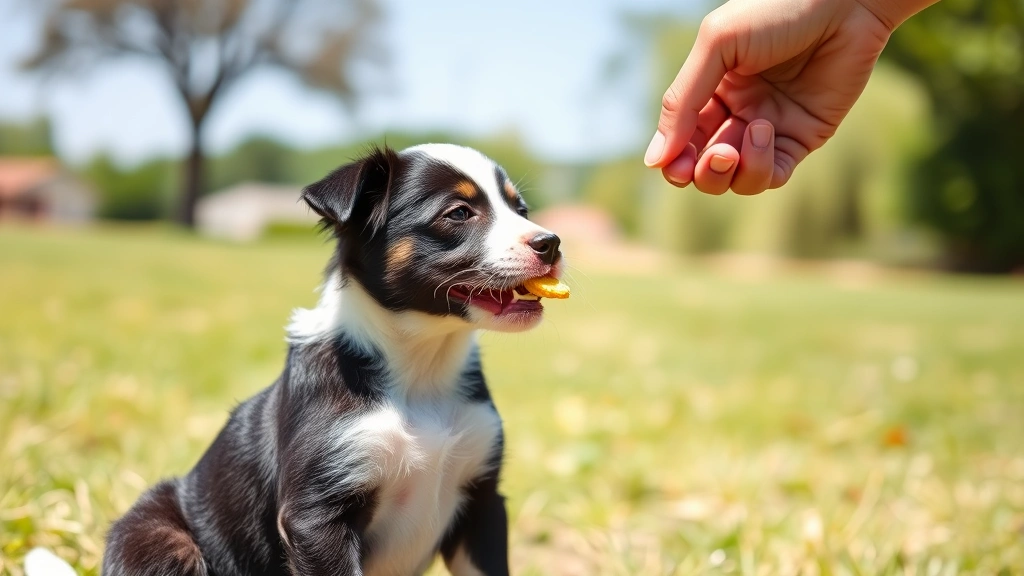
The Critical Window for Training
The 8-16 week window is often called the “socialization critical period,” but it’s equally crucial for establishing training foundations. This doesn’t mean your puppy needs to master advanced commands by 12 weeks—rather, this is when they’re most receptive to learning how to learn. They’re naturally curious, motivated by rewards, and forming attachments to their caregivers.
Early training success builds confidence in both puppy and owner. When your baby dog learns that sitting produces treats and attention, they’re not just learning a command; they’re learning that cooperation with humans is rewarding. This foundation makes subsequent training substantially easier because the puppy already understands the basic game of training.
Many dog trainers recommend starting with basic impulse control exercises before formal obedience. Teaching a puppy to sit for meals, wait at doorways, or make eye contact establishes that good behavior leads to good outcomes. These aren’t fancy tricks—they’re life skills that make cohabitation smoother and create positive training momentum.
According to the American Veterinary Society of Animal Behavior, early socialization and positive training methods during puppyhood have lasting impacts on adult behavioral development. The investment made during these early weeks pays dividends for years.
Breed Differences and Trainability
Here’s where things get real: not all baby dogs are equally easy to train. Breed history matters enormously. A retriever puppy bred for generations to retrieve on command will likely find obedience intuitive. A terrier puppy bred to hunt independently might view your commands as interesting suggestions rather than requirements.
Herding breeds like border collies and Australian shepherds often display remarkable trainability, sometimes learning commands in just a few repetitions. Working breeds were historically selected for responsiveness to human direction. Conversely, hounds and terriers were bred for independent problem-solving, which translates to training sessions that require more patience and creative motivation.
Size also plays a subtle role. Large breed puppies physically mature more slowly than small breeds, meaning their impulse control develops on a different timeline. A six-month-old Great Dane still has the mental maturity of a much younger puppy, which affects training expectations and techniques.
This doesn’t mean difficult-to-train breeds are impossible—it means you need tailored strategies. A stubborn breed might respond brilliantly to training that emphasizes play and autonomy rather than rigid obedience. Understanding your breed’s historical purpose helps you frame training in ways that feel natural to them.
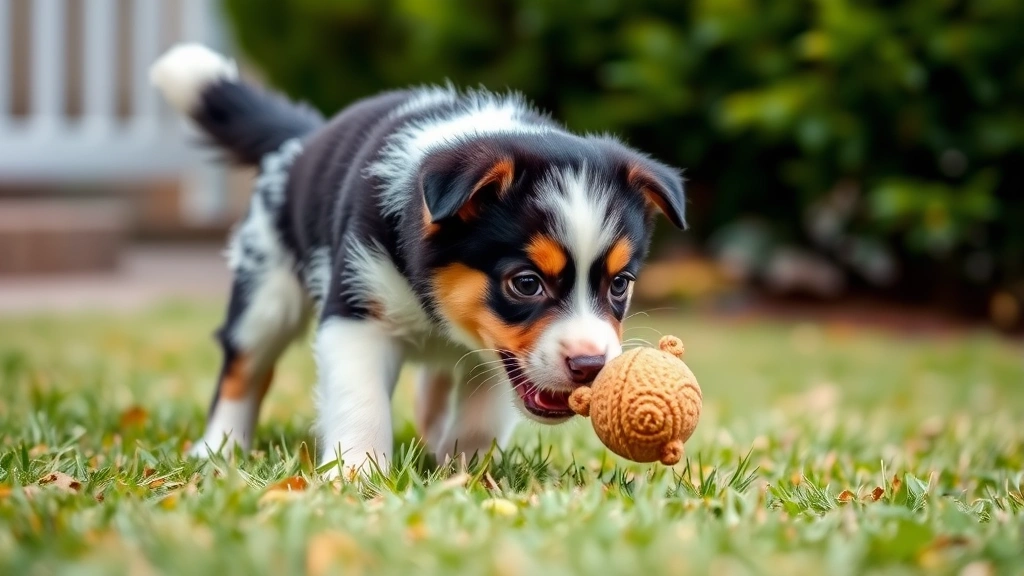
Foundational Training Techniques
Effective puppy training relies on principles that work with canine psychology rather than against it. Positive reinforcement—rewarding desired behavior—is supported by decades of behavioral science and endorsed by veterinary behavior organizations as the most effective approach.
The mechanics are straightforward: when your puppy performs a desired behavior (sitting, for instance), immediately mark that moment with a word like “yes” and deliver a reward. The reward can be treats, praise, play, or anything your specific puppy finds motivating. Consistency matters more than the reward’s value—a puppy that learns you always reward sits will offer them frequently.
Timing is critical. Rewards must come within 1-2 seconds of the desired behavior, or the puppy’s brain won’t connect them. If your puppy sits and you wait five seconds before treating, they might associate the reward with whatever they’re currently doing, not the sit that happened earlier.
Session length matters too. Baby dogs learn better in short, frequent sessions than marathon training marathons. Three 5-minute sessions daily outperforms one 15-minute session. Short sessions maintain enthusiasm, prevent frustration, and align with puppy attention spans. Most puppies remain engaged and motivated for just 5-10 minutes before fatigue or distraction takes over.
Key foundational commands to prioritize:
- Sit: Usually the easiest command to teach and builds training confidence
- Come: Potentially lifesaving and foundational for off-leash safety
- Down: Useful for impulse control and settling behavior
- Leave it: Prevents dangerous situations with toxic substances or objects
- Loose leash walking: Essential for daily life and prevents pulling injuries
Common Training Challenges
Even with solid techniques, baby dogs present predictable challenges. Understanding these helps you respond effectively rather than feeling frustrated.
The Biting and Mouthing Phase
Puppies explore the world through their mouths, and they haven’t learned that human skin is fragile. This is normal developmental behavior, not aggression. Redirect mouthing to appropriate toys, teach bite inhibition through play, and maintain consistency about what’s acceptable. Avoid rough play that encourages biting, and never use your hands as toys. When your puppy bites during play, pause the interaction—this teaches that teeth on skin ends the fun.
House Training Setbacks
Baby dogs have limited bladder control. A general rule: puppies can hold it for roughly one hour per month of age (so a three-month-old can manage about three hours). Accidents aren’t failures or spite—they’re developmental reality. Establish a consistent potty schedule, take puppies out frequently, reward outdoor elimination enthusiastically, and never punish accidents. Punishment creates fear around elimination, potentially worsening house training difficulties.
Jumping on People
Adorable in a five-pound puppy, problematic in a 60-pound adult dog. Prevent the habit from forming by not rewarding jumping with attention (positive or negative). Teach an alternative behavior like sitting for greetings. When your puppy jumps, turn away and ignore them completely until they settle, then provide attention for calm behavior.
Selective Hearing
Your puppy knows “sit” perfectly at home but ignores you in the park? This isn’t defiance—it’s distraction overload. Your puppy hasn’t generalized the command across environments. Train commands in multiple locations with varying distractions. Start easy (quiet home) and gradually increase difficulty (busier environments). This takes time but prevents frustration when your well-trained puppy suddenly seems untrained.
Building a Consistent Training Schedule
Consistency trumps intensity in puppy training. A puppy trained five minutes daily will progress faster than one trained once weekly for an hour. Your nervous system also benefits—short daily sessions feel manageable rather than overwhelming.
Structure training around your puppy’s natural rhythms. They’re typically more alert and motivated in morning and early evening hours. Training before meals works well since food motivation is highest when hungry. After vigorous play or naps, puppies are often too tired or overstimulated for effective learning.
Sample Daily Training Schedule:
- Morning: 5 minutes after waking (focus on one command)
- Mid-morning: 5 minutes before meal (different command)
- Evening: 5 minutes after dinner (review previously learned commands)
- Before bed: 10 minutes of calm play and settling practice
This structure requires only 25 minutes total daily investment while providing multiple learning opportunities. More importantly, it prevents the common pattern where owners train intensively for a week, then abandon the routine.
Track what works. Note which rewards motivate your specific puppy, which times of day produce best results, and which commands click fastest. Every puppy has individual preferences—what works brilliantly for one might flop with another. This personalization is what separates mediocre training from exceptional results.
Family consistency matters tremendously. If Mom teaches “sit” but Dad rewards jumping, the puppy receives conflicting messages. Everyone in the household should use identical commands, reward the same behaviors, and maintain consistent boundaries. This doesn’t mean rigid rules—it means everyone’s on the same page about training goals.
[IMAGE_4]
When to Seek Professional Help
Professional trainers aren’t admissions of failure—they’re strategic investments in your relationship with your puppy. Certain situations particularly benefit from expert guidance.
Consider professional training if your puppy displays fear or aggression, if you feel overwhelmed by training, or if you’re working with a particularly challenging breed. Some golden retriever owners find training intuitive, while others benefit enormously from structured guidance. There’s no shame in either path.
Look for trainers certified by organizations like the International Association of Canine Professionals or the American Veterinary Society of Animal Behavior. Avoid trainers who use punishment-based methods or guarantee results—training requires owner commitment, and legitimate trainers acknowledge this reality.
Group puppy classes offer training instruction while providing controlled socialization opportunities. These classes are often perfect for first-time owners and puppies without serious behavioral issues. They’re also more affordable than private training while still providing expert guidance.
Remember that training a baby dog isn’t just about obedience—it’s about building a foundation for your long-term relationship. When you invest time teaching your puppy how to be a good family member, you’re creating years of smoother cohabitation. When your dog alerts owners to baby movements or responds reliably to emergency commands, you’re reaping benefits from those early training investments.
Frequently Asked Questions
At what age should I start training my baby dog?
Start immediately, even at eight weeks. Early training builds positive associations and establishes that cooperation with humans is rewarding. Begin with basic impulse control exercises before formal obedience commands. Puppies are developmentally ready to learn from day one, though their capacity expands as they mature.
How long does it take to train a puppy?
This depends on your definition of “trained.” Basic commands like sit and come typically click within 2-4 weeks of consistent practice. Reliable obedience across varied environments takes several months. Complete behavioral maturity—when impulse control and decision-making fully develop—occurs around 2-3 years of age depending on breed.
Are some breeds genuinely harder to train than others?
Yes, breed history significantly impacts trainability. Retriever and herding breeds typically find obedience intuitive, while independent breeds like hounds and terriers require more creative motivation. This doesn’t make them impossible—it means you need tailored strategies aligned with their instincts and temperament.
What’s the best reward for training a puppy?
The best reward is whatever your specific puppy finds most motivating. Some puppies go crazy for treats, others prefer play or praise. Experiment to identify your puppy’s primary motivators, then use those strategically during training. Varying rewards prevents boredom and maintains enthusiasm.
Should I use punishment to correct my puppy’s mistakes?
No. Punishment creates fear and confusion without teaching what behavior you actually want. Positive reinforcement—rewarding desired behavior—is more effective, builds confidence, and strengthens your relationship. When mistakes happen, redirect to appropriate behavior and reward compliance. This approach teaches faster than punishment ever could.
How do I handle training setbacks?
Setbacks are normal and don’t indicate failure. If your puppy suddenly seems to forget a command, you’ve likely encountered a generalization issue—they haven’t learned the command across all environments and distractions. Return to basics, train in simpler environments, and gradually increase difficulty. Consistency and patience resolve most setbacks.
Can I train my puppy myself, or do I need professional help?
Many owners successfully train puppies independently using positive reinforcement principles. However, professional guidance helps if you’re overwhelmed, dealing with behavioral issues, or working with a particularly challenging breed. Group puppy classes offer great middle ground—professional guidance with social benefits for your puppy.