Baby Puppies: A Beginner’s Guide to Care and Training
Bringing a baby puppy home is like inviting controlled chaos into your life—the good kind. Those tiny paws, the relentless energy, the occasional accidents on your carpet—it’s all part of the adventure. But here’s the thing: puppies don’t come with instruction manuals, and what works for one breed might be completely wrong for another. Whether you’re considering a baby husky with their stubborn streak or a baby pitbull with their surprising sensitivity, understanding the fundamentals of puppy care and training can mean the difference between a thriving companion and a household disaster.
The early weeks and months of a puppy’s life are critical. This is when their personality develops, their brain forms crucial connections, and they learn what the world expects of them. It’s also when you’re most likely to feel overwhelmed, questioning whether you’ve made a terrible mistake. Spoiler alert: you probably haven’t. With the right approach, patience, and a solid understanding of puppy development, you can navigate this period with confidence.
This guide covers everything from selecting the right puppy for your lifestyle to tackling those inevitable training challenges. We’ll explore nutrition, socialization, housebreaking, and the behavioral milestones you should expect. Think of this as your roadmap through those chaotic but rewarding first months of puppy parenthood.
Understanding Puppy Development Stages
Puppies go through distinct developmental phases, much like human children. Understanding these stages helps you set realistic expectations and respond appropriately to your puppy’s needs at each point. The neonatal period, from birth to around three weeks, is when puppies are entirely dependent on their mother. If you’re adopting a puppy, they’ll likely be at least eight weeks old, having moved through the socialization period that begins around three weeks.
From three to twelve weeks, puppies enter their critical socialization window. This is when they’re most receptive to new experiences and less likely to develop fear responses. During this time, exposure to different people, environments, sounds, and even other animals becomes incredibly important. A golden retriever baby watch during early development shows how quickly these dogs become confident, adaptable companions through proper socialization. The juvenile stage, from three to six months, is when puppies test boundaries and their independence begins to show. This is often when people describe puppies as “teenagers”—they know the rules but choose to ignore them anyway.
By six months to one year, puppies are approaching adolescence. They’re physically larger but mentally still developing. This stage can be challenging because they look more grown-up while still lacking impulse control. Understanding that your puppy’s brain is literally still developing helps you respond with patience rather than frustration when they eat your shoe for the hundredth time.
Essential Nutrition for Growing Puppies
What you feed your puppy directly impacts their growth, immune system, and long-term health. Puppies have different nutritional requirements than adult dogs, particularly when it comes to protein, fat, and calcium levels. According to the Association of American Feed Control Officials (AAFCO), puppy food must meet specific standards to support proper development without causing growth too rapid, which can lead to joint problems later in life.
Large-breed puppies require particular attention. Their bones and joints are more susceptible to problems if they grow too quickly or consume excessive calcium. Feeding a large-breed specific puppy formula helps prevent these issues. Smaller breeds, conversely, have faster metabolisms and may need more frequent meals when young.
The general feeding schedule for puppies looks like this: eight to twelve weeks old, four meals daily; three to six months, three meals daily; six months onward, two meals daily. High-quality puppy food should list a named meat source as the first ingredient, contain appropriate fat levels (around 10-15% for large breeds, 12-15% for small breeds), and include essential fatty acids for brain development.
Always transition slowly to new foods, mixing increasing amounts of the new food with the old over seven to ten days. Rapid dietary changes cause digestive upset, leading to diarrhea and potential dehydration. Water should always be available, and you should monitor your puppy’s growth rate. If they’re growing too quickly or too slowly, consult your veterinarian about adjusting portions or food type.
Socialization: Building Confidence and Preventing Fear
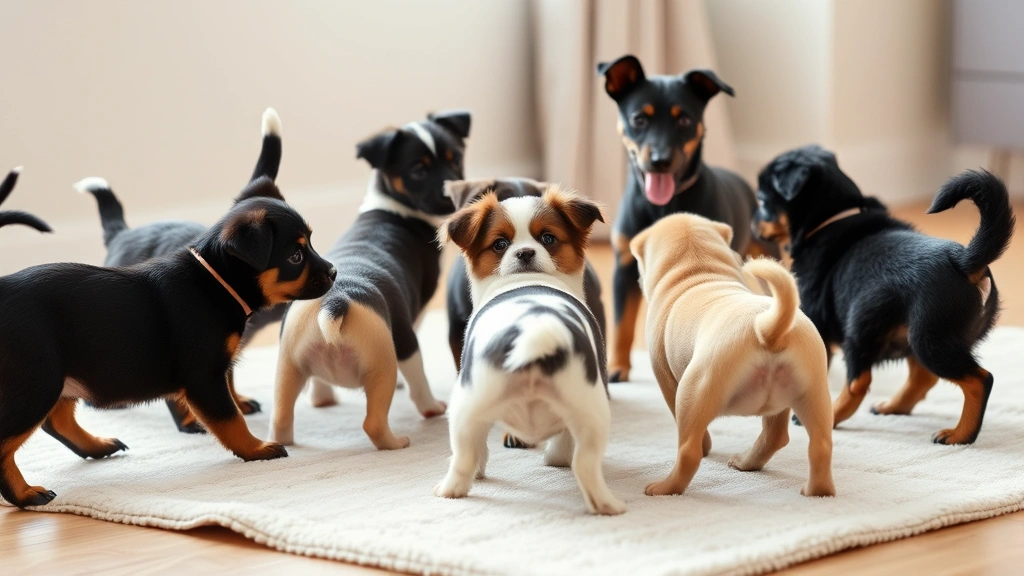
Socialization is not simply exposing your puppy to other dogs. It’s a deliberate process of introducing your puppy to different people, environments, sounds, textures, and experiences in a positive, controlled manner. Research from veterinary behaviorists shows that puppies who receive adequate socialization are significantly less likely to develop fear-based aggression or anxiety issues as adults.
Start socialization early, ideally between three and fourteen weeks, though the process continues throughout the first year. Expose your puppy to various surfaces—grass, tile, gravel, wood—different weather conditions, car rides, and household appliances. Invite friends over, take your puppy to pet-friendly locations, and let them experience the world. The key is keeping these experiences positive and never forcing your puppy into situations that cause genuine fear.
If your puppy shows hesitation or anxiety, move more slowly. Reward brave behavior with treats and praise. If you have a dog alerts owners to baby situation in your home, introduce your puppy gradually to children, ensuring all interactions are supervised and positive. Teaching children to respect the puppy’s space is as important as socializing the puppy to children.

Puppy kindergarten classes, offered by many trainers and veterinary clinics, provide structured socialization with other puppies under professional supervision. These classes are valuable not just for puppy-to-puppy interaction but for exposing your puppy to a new environment with unfamiliar people and sounds. The American Kennel Club emphasizes that proper puppy socialization is foundational for lifelong confidence.
Housebreaking: Patience Meets Consistency
Housebreaking is perhaps the most exhausting aspect of early puppy ownership. The good news: puppies are naturally inclined to keep their sleeping area clean. The challenging news: they have very limited bladder control until around four to six months old. Expecting a twelve-week-old puppy to hold it for eight hours is unrealistic and sets everyone up for failure.
The foundation of successful housebreaking is establishing a consistent routine. Take your puppy outside first thing in the morning, after meals, after playtime, after naps, and before bedtime. Young puppies typically need to go out every two to three hours. Choose a designated bathroom spot and use a command like “go potty” consistently. When your puppy eliminates outside, immediately celebrate with treats and praise. This positive reinforcement creates a strong association between going outside and good things happening.
Crate training supports housebreaking because puppies instinctively avoid soiling their sleeping space. A properly sized crate—large enough for the puppy to stand, turn around, and lie down, but not so large they can eliminate in one corner and sleep in another—becomes your puppy’s safe space and a housebreaking tool. Never use the crate as punishment, and always take your puppy outside immediately after releasing them from it.
Accidents will happen. When they do, don’t punish your puppy. Punishing after the fact teaches nothing except fear of you. Instead, calmly clean the area thoroughly with an enzymatic cleaner to remove all scent markers. If you catch your puppy in the act, calmly interrupt, take them outside, and reward if they finish there. Consistency and patience matter far more than speed when it comes to housebreaking.
Basic Training Foundations
Training isn’t about dominance or forcing your puppy into submission. Modern, science-based training focuses on positive reinforcement—rewarding desired behavior makes that behavior more likely to repeat. This approach is not only more humane; it’s also more effective. Your puppy learns faster and retains lessons better when motivated by rewards rather than fear.
Start with the fundamentals: sit, down, come, and leave it. These commands form the foundation for all future training and, more importantly, keep your puppy safe. Teaching “come” reliably could literally save your puppy’s life. Use high-value treats—small pieces of chicken, cheese, or special training treats—and keep training sessions short (five to ten minutes) and fun. Puppies have short attention spans, and ending on a positive note encourages enthusiasm for future sessions.
Consistency across all family members is crucial. If mom says “no jumping” but dad allows it, your puppy learns that jumping is sometimes acceptable. Everyone in the household must enforce the same rules and use the same commands. Decide in advance what behaviors you’ll tolerate and what you won’t, then stick to it.
Clicker training is an excellent tool for puppies. A clicker is a small device that makes a distinct sound, marking the exact moment your puppy performs a desired behavior. The click is immediately followed by a reward, creating a clear communication system. Your puppy quickly learns that the click means “that’s exactly what I wanted, and a reward is coming.” Many professional trainers recommend positive reinforcement training methods endorsed by animal behaviorists.
Health Care and Vaccination Schedule
Puppies require a series of vaccinations to protect against serious diseases. The typical puppy vaccination schedule includes initial vaccines at six to eight weeks, followed by boosters every three to four weeks until sixteen weeks of age. These vaccines protect against diseases like parvovirus and distemper, which can be fatal in unvaccinated puppies. Your veterinarian will recommend the specific vaccine protocol based on your location and lifestyle.
Beyond vaccinations, puppies need parasite prevention. Internal parasites like hookworms and roundworms are common in puppies and can cause serious health issues. External parasites—fleas, ticks, and mites—are not just uncomfortable; they can transmit diseases. Your veterinarian will recommend appropriate prevention based on your puppy’s age and weight.
Schedule a veterinary check-up within the first week of bringing your puppy home. Your vet will assess your puppy’s overall health, check for congenital issues, and establish a baseline for future care. Ask about flea and tick prevention, deworming protocols, and the appropriate time for spaying or neutering. Most vets recommend spaying or neutering around six months, though this timing varies based on breed and individual health factors.
Dental care often gets overlooked but is essential from the start. Begin brushing your puppy’s teeth early so they become accustomed to the process. Dental disease in dogs can lead to serious health complications, so establishing good dental habits now prevents problems later.
Common Behavioral Challenges
Puppy biting and nipping are normal developmental behaviors, not signs of aggression. Puppies explore the world with their mouths and learn bite inhibition through play with littermates and feedback from humans. When your puppy nips during play, yelp loudly and withdraw your hand. This mimics how littermates respond to bites that are too hard. Consistently redirecting biting to appropriate toys teaches your puppy what they can and cannot chew.
Chewing is another normal behavior that peaks around three to four months when puppies are teething. Provide appropriate chew toys, rotate them to maintain interest, and supervise your puppy to prevent them from chewing dangerous items. Applying bitter-tasting sprays to furniture and baseboards can deter chewing. Frozen washcloths or teething rings provide relief for sore gums.
Jumping on people is rewarded every time someone pets or talks to your jumping puppy, even if they’re saying “no.” Ignore jumping completely—turn away, don’t make eye contact, don’t talk. Only give attention when all four paws are on the ground. This teaches your puppy that jumping results in zero attention while calm behavior results in positive interaction. If you’re thinking about adding a puppy to a family with young children, consider baby shower gift ideas that might include training tools to help manage the transition.
Excessive barking can indicate boredom, anxiety, or attention-seeking. Puppies bark for a reason, so identifying the cause is crucial. A bored puppy needs more exercise and mental stimulation. An anxious puppy needs gradual desensitization and confidence-building. An attention-seeking puppy learns that barking works, so ignoring the behavior and rewarding quiet moments breaks the cycle.
Separation anxiety affects some puppies, causing destructive behavior, excessive barking, or elimination when left alone. Start by leaving your puppy alone for very short periods, gradually increasing the duration. Create a safe space with comfortable bedding, toys, and potentially a crate. Never make departures or arrivals dramatic—keep them low-key. If separation anxiety is severe, consult a professional trainer or veterinary behaviorist.
Frequently Asked Questions
At what age can I bring a puppy home?
Puppies should remain with their mother and littermates until at least eight weeks of age. This period is crucial for learning bite inhibition and social skills. Some breeders and shelters recommend waiting until twelve weeks, particularly for very small breeds. Never adopt a puppy younger than eight weeks from a reputable source.
How much exercise does a puppy need?
A general rule is five minutes of exercise per month of age, twice daily. So a three-month-old puppy needs about fifteen minutes of exercise twice daily. However, avoid strenuous exercise like jumping or long runs until growth plates close, typically around twelve to eighteen months depending on breed. Multiple short play sessions are better than one long session.
What’s the best training method for puppies?
Positive reinforcement training using rewards is most effective and humane. Aversive methods (punishment-based training) can create anxiety and behavioral problems. Look for trainers certified by organizations like the International Association of Canine Behavior Consultants who use science-based, reward-focused methods.
When should I start training my puppy?
Start immediately. Puppies are capable of learning from the moment they arrive home. Early training establishes good habits and prevents bad ones from forming. Formal training classes typically begin around twelve weeks, but informal training and socialization should start right away.
How do I know if my puppy is getting enough food?
You should be able to feel your puppy’s ribs easily but not see them prominently. Their waist should be visible from above. Monitor growth and adjust portions if your puppy seems too thin or overweight. Your veterinarian can assess your puppy’s body condition and recommend appropriate portions.
Is it normal for puppies to bite and nip?
Yes, absolutely. Puppies bite and nip as part of normal play and exploration. This behavior is called “play biting,” and it’s how puppies learn bite inhibition. Consistent redirection to appropriate toys and positive reinforcement for gentle play teaches your puppy appropriate mouthing behavior.
What vaccinations does my puppy need?
Core vaccines protect against serious, potentially fatal diseases and are recommended for all puppies. These typically include vaccines against parvovirus, distemper, and rabies. Non-core vaccines depend on your location and lifestyle. Your veterinarian will recommend the appropriate vaccination protocol based on your specific situation. The American Animal Hospital Association provides detailed vaccination guidelines that veterinarians follow.
When can my puppy socialize with other dogs?
Before completing the full vaccination series, avoid uncontrolled exposure to unknown dogs. However, controlled exposure to vaccinated dogs in safe environments is beneficial. Puppy kindergarten classes and playdates with vaccinated dogs are typically safe after the first set of vaccines. Discuss specific timing with your veterinarian based on the prevalence of diseases in your area.