Baby Grinding Teeth: What Dentists Want Parents to Know
If you’ve heard your baby making grinding or crunching sounds with their teeth, you’re not alone. Baby grinding teeth, medically known as bruxism, is a common concern that worries many parents. The sound can be startling—almost like nails on a chalkboard—but understanding what’s happening and when to seek professional guidance can help ease your mind. Most cases of baby teeth grinding are completely normal and temporary, though knowing the underlying causes and appropriate responses is essential for every caregiver.
As a parent, you want to protect your child’s developing smile and overall health. Baby teeth grinding can occur for various reasons, from normal developmental stages to stress responses. This comprehensive guide explores what dentists recommend, when grinding becomes problematic, and practical strategies to help your little one. Whether your baby is a newborn, toddler, or preschooler, understanding this common behavior empowers you to make informed decisions about your child’s dental health.
Why Babies Grind Their Teeth: Understanding the Root Causes
Baby grinding teeth happens for several interconnected reasons that vary by age and development stage. Teething is the most common culprit in infants and toddlers, typically beginning around 6 months old. As new teeth push through tender gums, babies naturally explore the sensation by grinding, clenching, and chewing. This is their body’s way of relieving pressure and discomfort from erupting teeth. The grinding motion provides temporary relief, much like how an adult might clench their jaw during stress.
Beyond teething, jaw development and alignment play significant roles in baby teeth grinding. As your child’s facial structure develops, their upper and lower teeth may not align perfectly yet. This misalignment—called malocclusion—can trigger unconscious grinding as the jaw seeks a more comfortable position. Dentists explain that this is typically a temporary phase as the child’s mouth develops and baby teeth eventually shed to make room for permanent teeth.
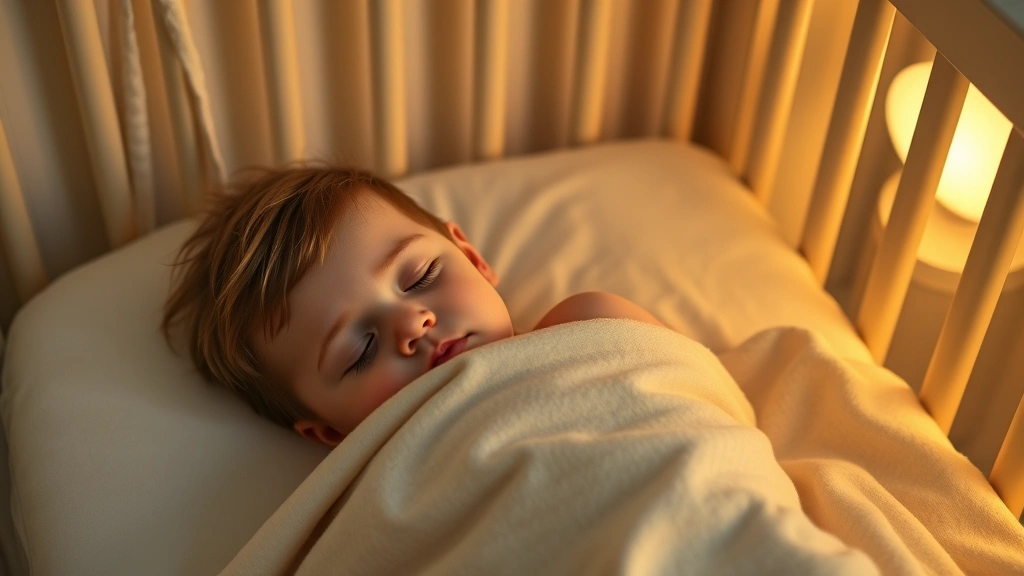
Sleep-related grinding is another common pattern parents observe. During certain sleep stages, particularly deep sleep, babies and toddlers may grind their teeth rhythmically. This nocturnal bruxism can be related to sleep transitions, dreams, or simply the natural muscle activity that occurs during sleep cycles. Many children outgrow this behavior naturally as their nervous system matures.
Stress and anxiety, while less common in infants, can contribute to grinding in older toddlers and preschoolers. Major life changes—welcoming a new sibling, starting daycare, or parental conflict—may manifest as teeth grinding. Additionally, ear infections, allergies, or adenoid enlargement can cause discomfort that leads to grinding. Some research suggests that certain nutritional deficiencies or sleep disorders might also play a role, which is why consulting your pediatrician or dentist is important when grinding persists.
Normal Baby Grinding vs. When to Seek Professional Advice
Most baby teeth grinding is completely harmless and requires no intervention. Occasional grinding that occurs randomly throughout the day or during sleep is typically normal development. If your baby grinds for just a few seconds at a time and shows no signs of discomfort, pain, or other symptoms, you can usually relax. This temporary behavior often resolves on its own within weeks or months as teething progresses or jaw development continues.
However, certain signs warrant professional evaluation. Persistent, loud grinding that occurs frequently—especially if it happens every night or multiple times daily—should be discussed with your pediatrician or dentist. If your baby’s grinding is accompanied by jaw pain, difficulty eating, drooling excessively, or behavioral changes, professional assessment becomes important. Some children develop wear patterns on their baby teeth from intense grinding, which your dentist can identify during routine checkups.
Watch for additional symptoms that might indicate an underlying issue: sleep disturbances, restlessness, snoring, or mouth breathing can suggest sleep-related problems beyond simple teething. If your child experiences ear pain, frequent ear infections, or signs of allergies alongside grinding, these connections should be explored with your healthcare provider. Children who grind severely might also develop headaches, jaw tension, or facial pain as they grow older.
Your pediatrician or dentist can help determine whether grinding is developmental or requires intervention. Schedule a visit if grinding persists beyond age 6-7, if it’s affecting your child’s sleep quality, or if you notice tooth damage. Early intervention for problematic grinding can prevent complications and ensure your child’s dental health remains on track. Remember that choosing the right pediatrician means finding someone who takes your concerns seriously and provides thorough evaluations.
What Dentists Recommend: Professional Insights and Guidance
Leading pediatric dentists emphasize that reassurance and observation are the first steps for most grinding cases. According to the American Academy of Pediatric Dentistry, the majority of children who grind their teeth experience no long-term consequences. Dentists typically recommend monitoring the situation rather than immediately pursuing treatment, allowing time for the behavior to resolve naturally.
During routine dental visits, your dentist will examine your baby’s teeth for wear patterns or damage. Flat spots or shiny surfaces on the biting surfaces of teeth indicate grinding activity. Your dentist may take photos or notes to track any changes over time. This documentation helps distinguish between normal developmental grinding and more concerning patterns. Regular dental checkups—starting around age 1 or when the first tooth appears—establish a baseline for monitoring your child’s dental development.
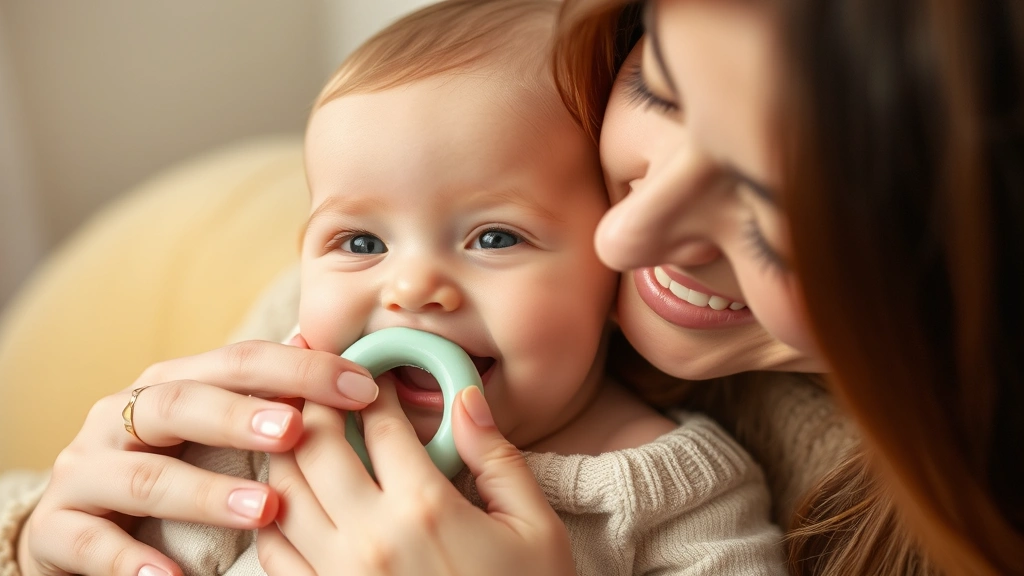
For babies and toddlers who are actively teething, dentists recommend comfort measures that address the underlying cause. Cold teething rings, clean wet cloths, or age-appropriate teething toys provide relief and may reduce grinding. Some parents find that gentle gum massage helps soothe tender areas. These approaches tackle the root cause rather than just the symptom, making them preferred first-line recommendations.
When grinding is significant enough to warrant intervention, dentists may recommend night guards or bite splints for older children. These custom-fitted devices protect teeth from wear while the child continues to grind. However, most pediatric dentists reserve this intervention for children over age 5-6 whose grinding is severe or causing noticeable damage. For younger children, the focus remains on identifying and addressing underlying causes.
Sleep optimization is another key recommendation from dental professionals. Ensuring your child maintains a consistent bedtime routine, gets adequate sleep for their age, and has a calm sleep environment can reduce stress-related grinding. The American Academy of Pediatrics provides evidence-based sleep guidelines that support healthy development and may help reduce nighttime grinding.
Dentists also emphasize the importance of ruling out medical conditions that might contribute to grinding. Collaborating with your pediatrician to screen for sleep apnea, allergies, ear infections, or other issues ensures comprehensive care. If your child has underlying health concerns affecting their comfort or sleep quality, addressing these directly often reduces grinding naturally.
Prevention and Management Strategies for Parents
While you can’t always prevent baby teeth grinding, several evidence-based strategies can reduce its frequency and intensity. Stress reduction is crucial, particularly for toddlers and preschoolers. Maintain consistent routines, provide a calm home environment, and help your child process emotions through play and conversation. Avoiding stimulating activities before bedtime—like screen time or rough play—can help your child wind down and sleep more peacefully.
Teething relief measures directly address the most common cause of grinding in babies. Offer:
- Refrigerated (not frozen) teething rings that are firm enough to chew but won’t damage gums
- Clean, damp washcloths that your baby can safely chew on
- Soft teething toys specifically designed for this purpose
- Age-appropriate foods like soft fruits or yogurt that provide gentle pressure
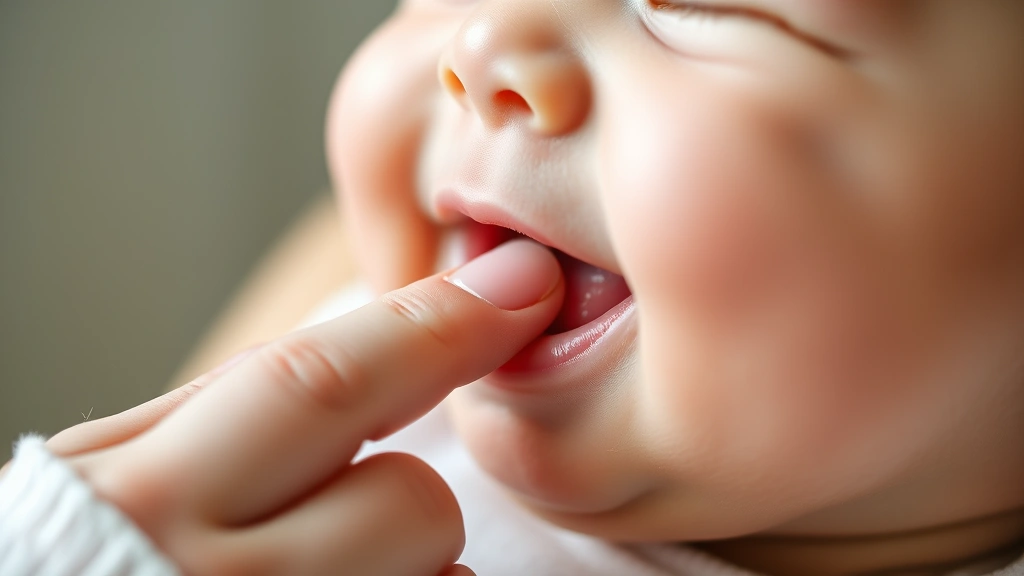
- Gentle gum massage using a clean finger for older babies
Establishing a consistent bedtime routine supports better sleep quality and reduces nighttime grinding. This routine should include: calming activities like reading or soft music, consistent sleep and wake times, a comfortable sleep environment (cool, dark, quiet), and avoidance of stimulating content before bed. Quality sleep naturally reduces stress-related teeth grinding across all age groups.
Nutritional support ensures your child has adequate calcium, phosphorus, and other minerals essential for healthy tooth development. Offer age-appropriate dairy products, fortified foods, or supplements if recommended by your pediatrician. Proper nutrition supports strong teeth that better withstand any grinding that does occur.
For older toddlers and preschoolers, emotional expression opportunities help reduce stress-related grinding. Provide art supplies, play-dough, musical instruments, or outdoor play where your child can safely express emotions. This emotional outlet reduces the tension that manifests as jaw clenching and teeth grinding. If your family is experiencing major transitions, consider comprehensive parenting advice to navigate these changes smoothly.
Regular dental monitoring through checkups every 6 months allows your dentist to track any changes and catch problems early. Establishing a positive relationship with dental care from an early age also reduces anxiety that might contribute to grinding. Make dental visits routine and positive, using language that emphasizes health rather than fear.
Frequently Asked Questions About Baby Teeth Grinding
Is baby teeth grinding harmful?
Most baby teeth grinding is harmless and doesn’t cause lasting damage. Baby teeth are naturally softer than permanent teeth and are meant to be shed eventually. However, severe or persistent grinding can cause wear patterns, and if it interferes with sleep quality or indicates underlying stress, professional evaluation is warranted. Your dentist can assess whether any intervention is needed based on your individual child’s situation.
At what age does teeth grinding usually stop?
Most children naturally outgrow grinding by age 6-9 years old. However, some children may continue occasional grinding into their teenage years or beyond. The timing varies significantly based on individual development, jaw alignment, and whether underlying causes like stress or sleep issues are present. If grinding persists beyond age 8 or causes concern, discuss it with your pediatrician.
Can grinding damage baby teeth?
While most grinding doesn’t cause significant damage, intense or prolonged grinding can create flat spots or wear patterns on baby teeth. Since baby teeth will eventually shed to make room for permanent teeth, this damage is usually not a major concern. However, if grinding is severe enough to affect your child’s comfort or sleep quality, addressing the underlying cause becomes important.
Should I use a mouth guard for my baby?
Mouth guards are rarely recommended for babies and young toddlers due to choking hazards and difficulty keeping them in place. Most pediatric dentists reserve mouth guards for children over age 5-6 whose grinding is severe and causing documented damage. Before considering any device, discuss options with your pediatric dentist who can assess your child’s specific situation.
What role does teething play in grinding?
Teething is the primary cause of grinding in babies and young toddlers. As new teeth push through sensitive gums, babies naturally grind to relieve pressure and discomfort. This grinding typically peaks during active teething phases and decreases as teeth fully emerge. Providing appropriate teething relief usually reduces grinding during these periods significantly.
When should I contact a dentist about grinding?
Contact your dentist if grinding is very loud and frequent, persists beyond age 6-7, accompanies other symptoms like jaw pain or sleep problems, or if you notice visible wear on your child’s teeth. Additionally, if grinding seems related to stress or behavioral changes, mention this to your pediatrician. Regular checkups allow your dentist to monitor any changes and provide professional guidance tailored to your child.
For additional parenting support and resources, explore our parenting blog, baby safety essentials, and guidance for new parents. For expectant parents, check out our baby shower gift recommendations.