Caring for Baby Guinea Pigs: Vet Tips Inside
Welcome to the wonderful world of baby guinea pigs! Whether you’re a first-time pet parent or expanding your furry family, understanding how to properly care for baby guinea pigs is essential for their health and happiness. These adorable creatures require specific attention during their early months, and knowing what to expect can make the difference between a thriving pet and one facing preventable health issues.
Just as parents need guidance when caring for human infants, guinea pig owners benefit from expert veterinary advice. Baby guinea pigs are delicate during their first weeks of life, with unique nutritional needs, housing requirements, and developmental milestones. In this comprehensive guide, we’ll explore everything you need to know about raising healthy baby guinea pigs, drawing on veterinary expertise and best practices from animal care professionals.
Understanding the basics of baby guinea pig care sets the foundation for a long, healthy relationship with your pets. From birth weight to weaning age, from proper nutrition to socialization, we’ll cover all the critical aspects that new guinea pig parents should know.
Table of Contents
- Understanding Newborn Baby Guinea Pigs
- Nutrition and Feeding Guidelines
- Housing and Environmental Setup
- Health Monitoring and Veterinary Care
- Socialization and Development
- Common Health Issues and Prevention
- Frequently Asked Questions
Understanding Newborn Baby Guinea Pigs
Baby guinea pigs, called pups, are born fully furred and with their eyes open—quite different from many other rodent species. This precocial development means they’re more independent from birth, but they still require careful attention and proper care during their vulnerable early weeks.
Newborn guinea pig pups typically weigh between 50-100 grams at birth and are incredibly small and fragile. Unlike human babies who require months of development before becoming mobile, baby guinea pigs can walk within hours of birth and begin eating solid food within days. However, this early independence shouldn’t fool you into thinking they need less care—in fact, their rapid development demands constant attention to ensure proper growth and development.
The first 24 hours after birth are critical. Pups should remain with their mother unless there are complications, as maternal care is irreplaceable during this initial period. The mother provides essential nutrients through nursing, antibodies that protect against infections, and warmth necessary for survival. If you’re caring for orphaned pups or ones rejected by their mother, you’ll need to provide hand-rearing, which is significantly more demanding.
Understanding the normal developmental timeline helps you identify potential problems early. At one week old, pups should be noticeably larger and more active. By two weeks, they’re increasingly curious about their surroundings and begin consuming more solid food alongside nursing. This gradual transition from milk to solid food is natural and necessary for their growth.

Nutrition and Feeding Guidelines
Proper nutrition is the cornerstone of healthy baby guinea pig development. Unlike some pets, guinea pigs cannot synthesize vitamin C, making dietary sources absolutely essential. Baby guinea pigs require even more careful nutritional attention than adults because their bodies are building bone, muscle, and immune function simultaneously.
Nursing and Weaning
Mother guinea pigs typically nurse their pups for 3-4 weeks, though pups begin nibbling at solid food by week two. During this period, ensure the nursing mother has access to unlimited high-quality hay, fresh vegetables, and a vitamin C-enriched diet. The quality of the mother’s nutrition directly impacts the pups’ development and future health.
When weaning baby guinea pigs, the process should be gradual. Begin introducing small amounts of timothy hay and age-appropriate pellets around week two. By week four, pups can eat most foods their mother consumes, though you should focus on softer vegetables initially. Never abruptly separate pups from their mother or suddenly change their diet, as this causes stress and digestive upset.
Pellet Selection and Portion Control
Choose high-quality pellets specifically formulated for guinea pigs, not general small animal pellets. Look for products containing timothy hay as the primary ingredient and verified vitamin C content. Baby guinea pigs require pellets with slightly higher protein content than adults—approximately 18-20% protein supports proper growth.
Portion sizes matter significantly. Baby guinea pigs should receive about one tablespoon of pellets per pup daily, divided into two feedings. As they grow, gradually increase portions while monitoring weight gain. Overfeeding pellets leads to obesity and nutritional imbalances, even in young animals.
Fresh Vegetables and Vitamin C
Introduce fresh vegetables gradually, starting with small pieces around week three. Bell peppers, romaine lettuce, parsley, and cilantro are excellent choices, providing essential vitamin C that guinea pigs cannot produce themselves. Aim for one to two tablespoons of fresh vegetables per pup daily, increasing as they mature.
Vitamin C supplementation becomes crucial if your pups aren’t consuming adequate fresh vegetables. Many veterinarians recommend vitamin C supplements for young guinea pigs, typically 10-50mg per day depending on age and diet. Consult your veterinarian about appropriate supplementation for your specific situation.
Hay: The Foundation of Their Diet
Timothy hay should comprise 70-80% of your baby guinea pig’s diet from day one. Provide unlimited, fresh timothy hay at all times. This isn’t just food—it’s essential for digestive health, dental wear, and psychological wellbeing. Young guinea pigs naturally consume large quantities of hay as they explore and learn to forage.
Quality matters tremendously. High-quality hay is fragrant, relatively dust-free, and contains a good mix of stems and leaves. Poor-quality hay can cause respiratory issues and digestive problems in vulnerable baby guinea pigs.
Housing and Environmental Setup
Creating an appropriate living environment is fundamental to baby guinea pig health and development. Housing requirements differ slightly for young pups compared to adults, with emphasis on safety, cleanliness, and comfort.
Enclosure Size and Setup
Even baby guinea pigs need substantial space. The minimum recommended enclosure size for two guinea pigs is 7.5 square feet of continuous, unbroken floor space, though larger is always better. For baby guinea pigs, ensure the space is secure with no gaps where tiny pups could escape or get stuck.
Bedding should be soft, absorbent, and dust-free. Aspen shavings, paper-based bedding, or fleece liners work well for baby guinea pigs. Avoid cedar and pine shavings, which contain oils harmful to respiratory health. Bedding should be changed at least twice weekly for young pups, as they’re more susceptible to respiratory infections from poor air quality.
Temperature and Humidity Control
Baby guinea pigs are sensitive to temperature fluctuations. Maintain an ambient temperature between 65-75°F (18-24°C), with humidity levels between 40-60%. Temperatures above 80°F can cause heat stress, while temperatures below 60°F impair their ability to regulate body temperature, particularly in very young pups.
Avoid direct sunlight, drafts, and areas near heating or cooling vents. Position the enclosure in a quiet, low-traffic area where pups can feel secure while still being part of family activities. Sudden environmental changes stress young guinea pigs and suppress their immune systems.
Hideouts and Enrichment
Baby guinea pigs need multiple hideouts where they feel safe. Provide cardboard boxes, wooden hideaways, or commercial guinea pig huts. These aren’t luxuries—they’re psychological necessities that reduce stress and promote normal behavior development.
Enrichment items appropriate for baby guinea pigs include tunnels, balls (soft, large enough they can’t fit inside), and chew toys made from untreated wood or paper. Rotate toys weekly to maintain novelty and interest. Enrichment supports cognitive development and prevents behavioral problems.
Health Monitoring and Veterinary Care
Proactive health monitoring catches problems early when treatment is most effective. Baby guinea pigs should be examined by a veterinarian experienced with exotic pets within the first week of life, and then regularly throughout their first year.
Finding the Right Veterinarian
Not all veterinarians treat guinea pigs. When selecting a veterinarian for your guinea pig, prioritize those with exotic animal experience and specific guinea pig knowledge. Ask potential veterinary clinics about their experience with baby guinea pigs, their emergency protocols, and their availability for urgent care.
Establishing a relationship with a veterinarian before problems arise ensures you know where to go in emergencies. Baby guinea pigs can decline rapidly when ill, so having a trusted veterinary partner is invaluable.
Regular Health Checks
Perform daily health checks on your baby guinea pigs. Look for clear, bright eyes; clean fur; and normal activity levels. Monitor eating and drinking habits—any decrease in food consumption is concerning in young animals. Check their bottom daily for diarrhea, which can quickly become serious in babies.
Weigh your pups weekly using a digital kitchen scale. Healthy baby guinea pigs gain approximately 5-10 grams per week initially. Weight loss or failure to gain indicates a problem requiring immediate veterinary attention.
Vaccination and Preventive Care
Unlike some pets, guinea pigs don’t receive routine vaccinations. However, preventive care includes maintaining excellent hygiene, providing proper nutrition, and managing stress. Some veterinarians recommend ensuring proper nutrition standards during development to prevent lifelong health issues.
Socialization and Development
Baby guinea pigs are naturally social creatures that benefit tremendously from early positive human contact. Proper socialization during the first weeks of life shapes their temperament and behavior throughout adulthood.
Handling and Bonding
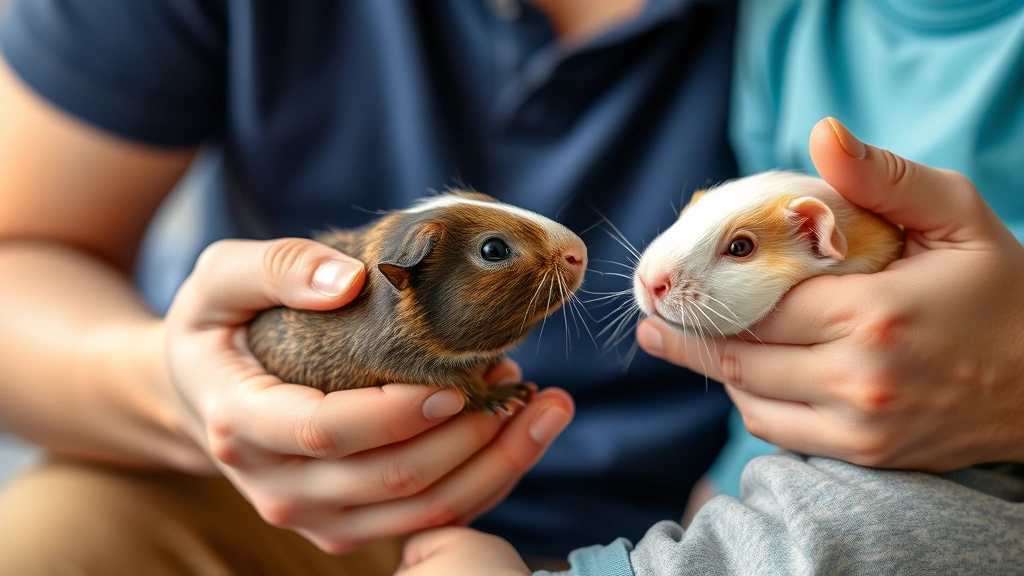
Begin gentle handling around week two, after pups are stable and nursing well. Short, frequent interactions (5-10 minutes) are better than lengthy sessions that cause stress. Support their hindquarters when holding—baby guinea pigs are fragile and can be injured by improper handling.
Let pups become accustomed to your voice, touch, and presence. Speak softly and move slowly around them. Early positive experiences with humans create confident, friendly adult guinea pigs that enjoy interaction and handling.
Social Grouping
Guinea pigs are highly social animals that thrive in pairs or small groups. If raising multiple baby guinea pigs, keep littermates together when possible. Same-sex pairs work well if properly introduced, though mixed pairs require careful consideration regarding breeding.
If introducing a baby guinea pig to an existing adult, do so gradually. Place their enclosures side-by-side for several days, allowing them to become accustomed to each other’s scent before direct contact. This reduces stress and territorial aggression.
Common Health Issues and Prevention
Baby guinea pigs face specific health vulnerabilities that informed owners can help prevent. Understanding common issues and their warning signs enables early intervention.
Respiratory Infections
Respiratory infections are common in young guinea pigs, particularly those in poor environmental conditions. Signs include sneezing, nasal discharge, wheezing, or labored breathing. Prevent these by maintaining excellent air quality, avoiding dusty bedding, and keeping stress minimal.
If your baby guinea pig shows respiratory symptoms, seek veterinary care immediately. These infections progress rapidly in young animals and can become serious quickly.
Digestive Issues
Diarrhea in baby guinea pigs requires urgent attention. Common causes include dietary changes, contaminated food or water, stress, or infections. Maintain consistent diet, provide fresh water daily, and keep their environment clean and calm.
If diarrhea develops, consult your veterinarian. Dehydration occurs quickly in young animals, and professional treatment may be necessary.
Nutritional Deficiencies
Vitamin C deficiency causes scurvy, a serious condition characterized by weakness, poor wound healing, and joint pain. Prevent this through proper diet—timothy hay, fresh vegetables, and quality pellets containing verified vitamin C.
Calcium and phosphorus imbalances affect bone development. Proper pellet selection and diverse vegetable intake prevent these issues. Avoid supplements without veterinary recommendation, as improper ratios can cause problems.
Parasites and Infections
While less common in well-maintained environments, parasites can affect baby guinea pigs. Mites cause hair loss and skin irritation; lice cause itching and discomfort. Maintain cleanliness, provide fresh bedding regularly, and consult your veterinarian if you notice skin issues.
Frequently Asked Questions
When can baby guinea pigs leave their mother?
Baby guinea pigs can safely separate from their mother around 4-5 weeks of age, once they’re eating solid food confidently and weaned completely. Separating too early stresses pups and can cause digestive upset. However, pups can remain with their mother longer if housed appropriately and if breeding isn’t a concern.
How often should I handle my baby guinea pigs?
Handle baby guinea pigs gently and briefly, 2-3 times daily during their first few weeks. Short interactions (5-10 minutes) are ideal. As they mature and become more confident, gradually increase handling duration. Always supervise children during interactions to prevent injuries.
What’s the ideal temperature for baby guinea pigs?
Baby guinea pigs thrive in temperatures between 65-75°F (18-24°C). Temperatures below 60°F cause hypothermia in young pups, while temperatures above 80°F cause heat stress. Maintain consistent temperature without fluctuations.
Can I feed baby guinea pigs fruit?
Yes, but in limited quantities. Fruits are high in sugar and should comprise less than 5% of their diet. Offer small pieces of apple, banana, or berries occasionally as treats. Focus primarily on vegetables and hay for nutrition.
How do I know if my baby guinea pig is healthy?
Healthy baby guinea pigs have clear, bright eyes; smooth, clean fur; and are active and curious. They eat regularly, drink water, and produce normal droppings. They gain weight steadily—approximately 5-10 grams weekly. Any deviation from normal warrants veterinary evaluation.
What should I do if my baby guinea pig is rejected by its mother?
If the mother repeatedly rejects a pup or shows aggression, separate them immediately to prevent injury. Hand-rearing becomes necessary, which involves bottle-feeding specialized formula every 2-3 hours and providing warmth. This requires significant time and expertise—consult your veterinarian immediately for guidance and formula recommendations.
Are baby guinea pigs social with humans?
Yes, guinea pigs are naturally social and enjoy human interaction. Early, positive handling creates friendly adult guinea pigs that seek human companionship. However, respect their comfort level and never force interaction. Let them approach you at their own pace while you provide gentle handling and treats.
When should baby guinea pigs be neutered or spayed?
If you have mixed-sex guinea pigs, separate them immediately or consult your veterinarian about spaying/neutering. Procedures are typically performed after 12 weeks of age, once pups are large enough for safe anesthesia. Many veterinarians recommend waiting until 4-6 months for optimal safety.
Caring for baby guinea pigs requires dedication, knowledge, and genuine love for these charming creatures. By providing proper nutrition, appropriate housing, veterinary care, and socialization, you’re setting the foundation for healthy, happy adult guinea pigs. Remember that each pup is an individual with unique personality and needs—pay attention to their cues and adjust your care accordingly.
Your commitment to understanding and implementing proper baby guinea pig care demonstrates the same thoughtfulness that dedicated parents bring to raising children. Just as human development requires informed, attentive caregiving, so too do your baby guinea pigs thrive when their needs are understood and consistently met. When questions arise, consult reputable sources like the American Animal Hospital Association and your veterinarian. Your baby guinea pigs depend on your expertise and commitment to their wellbeing.