How to Baby-Proof Your Home: Expert Tips
Creating a safe environment for your baby is one of the most important responsibilities as a parent. As your little one begins to explore, crawl, and eventually walk, your home transforms from a familiar adult space into an exciting playground full of potential hazards. Baby-proofing isn’t about creating a sterile, boring environment—it’s about removing dangers while allowing your child to learn, play, and grow with confidence. Whether you’re preparing your first nursery or updating your home for a curious toddler, understanding the essentials of home safety is crucial.
The journey of baby-proofing starts with a mindset shift. Instead of seeing your home through adult eyes, you need to get down on your hands and knees and view the world from your baby’s perspective. What looks harmless to you—a dangling cord, an open cabinet, or a low shelf—becomes an irresistible attraction to an exploring infant. This comprehensive guide walks you through expert-recommended strategies to secure your home, with particular attention to baby locks and other critical safety devices that protect your child from common household dangers.
By implementing these proven baby-proofing techniques, you’ll create peace of mind for yourself and a safer space for your little one to discover the world around them. Let’s dive into the specific areas of your home that need attention and the solutions that work best.
Table of Contents
- Kitchen Safety and Cabinet Locks
- Bathroom Hazards and Water Safety
- Bedroom Essentials for Safe Sleep
- Preventing Falls: Stairs and Furniture
- Securing Toxic Substances and Medications
- Electrical Safety Measures
- Window and Blind Safety
- Frequently Asked Questions
Kitchen Safety and Cabinet Locks
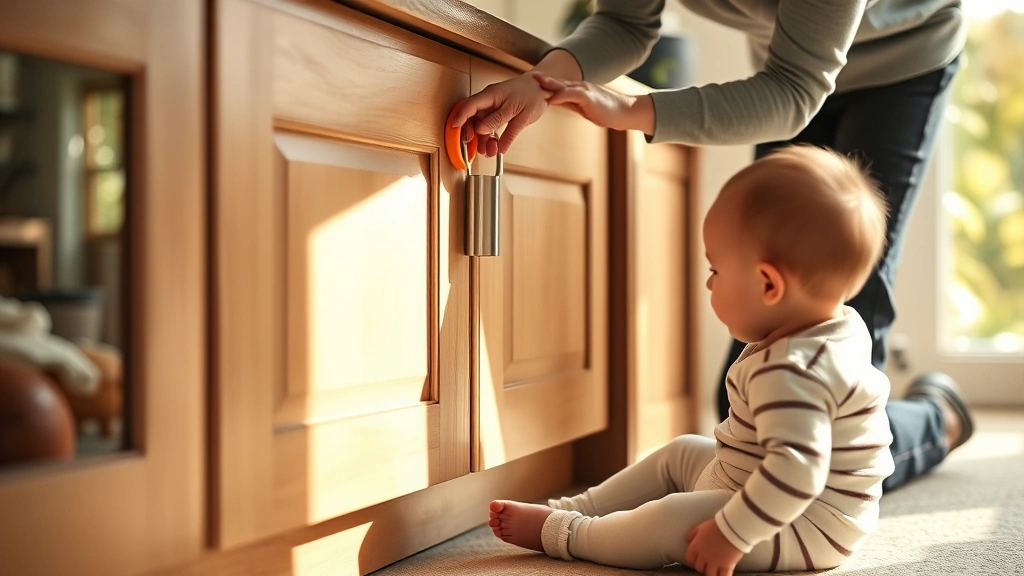
The kitchen is one of the most dangerous rooms in your home for a curious baby. Sharp utensils, hot surfaces, toxic cleaning products, and heavy appliances create multiple hazards. Installing baby locks on lower cabinets and drawers is your first line of defense. These simple devices prevent your child from accessing potentially dangerous items while remaining easy for adults to operate.
There are several types of baby locks available on the market. Magnetic locks work by installing a magnetic catch inside the cabinet and wearing a special key on your wrist—they’re invisible and don’t damage cabinetry. Adhesive locks stick directly to cabinet doors and are perfect for renters. Lever locks require two-handed operation, making them child-resistant but accessible to adults. Choose the type that best fits your cabinet style and your lifestyle.
Beyond baby locks, organize your kitchen strategically. Store all cleaning supplies, detergents, and dishwasher pods in a locked upper cabinet or pantry. Keep sharp objects like knives in a secure drawer with a baby lock. Install a stove guard to prevent your child from pulling pots and pans onto themselves. Use a refrigerator lock if your child can open the fridge and reach dangerous items. As noted in our comprehensive parenting advice guide, kitchen safety is foundational to overall home security.
Don’t forget about the trash can. Babies are naturally curious about discarded items, and kitchen trash often contains sharp objects, spoiled food, or toxic substances. Invest in a trash can with a locking lid or store it in a cabinet secured with a baby lock.
Bathroom Hazards and Water Safety
Bathrooms present unique challenges because they combine water hazards with medications and cleaning products. Start by installing baby locks on all cabinets containing medications, vitamins, supplements, or cosmetics. Even seemingly harmless items like toothpaste or mouthwash can be dangerous in large quantities for small children.
Water safety is paramount in the bathroom. Never leave a baby unattended in or near water, even for a few seconds. According to the American Academy of Pediatrics, drowning is the leading cause of unintentional injury death for children ages 1-4. Install a toilet lock to prevent your child from playing in the toilet bowl or falling in. Use a bath spout cover to protect against head injuries. Keep the toilet seat closed and consider installing a toilet seat lock for added security.
Ensure your water heater is set to 120°F (48.9°C) or lower to prevent scalding. Install anti-scald devices on faucets and showerheads. These inexpensive devices automatically reduce water temperature if it becomes too hot. Keep all electrical appliances like hair dryers, curling irons, and electric toothbrushes unplugged and stored out of reach. Never leave a baby unattended in the bathroom, and keep the bathroom door closed to prevent unsupervised access.
Bedroom Essentials for Safe Sleep
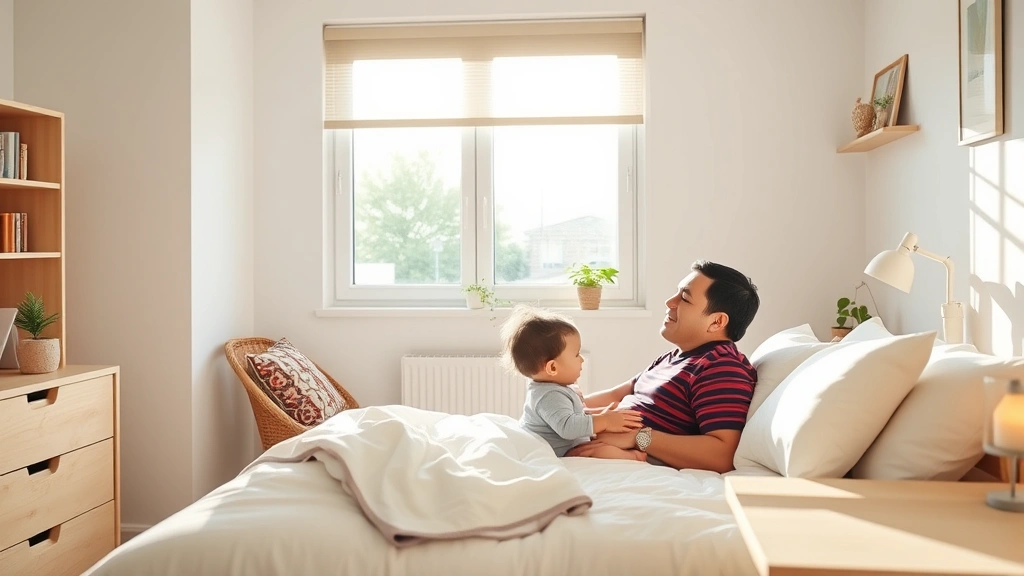
Your baby’s bedroom should be a sanctuary of safety and comfort. According to the National Institute of Child Health and Human Development, the safest sleep environment includes a firm, flat sleep surface like a crib, bassinet, or play yard that meets safety standards. Keep soft objects and loose bedding out of the sleep space to reduce the risk of Sudden Infant Death Syndrome (SIDS).
Secure all furniture to the walls with anti-tip straps. Dressers, changing tables, and bookshelves can tip over if a child pulls on drawers or climbs on them. This is a critical safety measure that many parents overlook. Install outlet covers or tamper-resistant outlets throughout the bedroom. Use cord organizers to keep lamp cords, monitor cords, and other wires out of your baby’s reach.
Choose window coverings carefully. Avoid traditional blinds with cords, as they pose strangulation hazards. Instead, opt for cordless blinds or cellular shades without cords. If you must use corded blinds, secure the cords high and out of reach. Install safety gates at the doorway if your baby will eventually share a room with siblings or if you need to contain them safely.
Preventing Falls: Stairs and Furniture
Falls are among the most common injuries for babies and toddlers. Installing safety gates at the top and bottom of stairs is essential. Choose gates that are hardware-mounted (permanently attached to the wall) rather than pressure-mounted, as pressure gates can be dislodged. Make sure the gate has a proper locking mechanism that requires adult coordination to open—your child shouldn’t be able to push through it.
Beyond stairs, secure all climbing hazards. Place bumpers on sharp furniture corners and edges. Use furniture pads under furniture legs to prevent sliding. Remove or secure anything that could tip over, including floor lamps, plant stands, and shelving units. As your child grows more mobile, check your home regularly from their perspective to identify new hazards.
Consider your home layout carefully. Remove throw rugs that could cause tripping, or secure them with non-slip underlays. Keep hallways and pathways clear of toys and obstacles. Ensure adequate lighting throughout your home so you can see potential hazards. Install handrails on stairs if they’re not already present, and ensure they’re at an appropriate height for both children and adults.
For furniture, consider using furniture straps or anchors to secure pieces to walls. This is particularly important for televisions, which should never be placed on unstable surfaces. Your baby will eventually want to pull themselves up on furniture, so make sure anything they might use to stand is sturdy and won’t collapse under their weight.
Securing Toxic Substances and Medications
One of the most critical aspects of baby-proofing involves securing all potentially toxic substances. This goes beyond the obvious—medications, cleaning products, and pesticides—to include less obvious dangers like certain plants, essential oils, and personal care products. Install baby locks on all cabinets and drawers containing these items, and consider storing them in a locked cabinet in an adult-only area.
Medications require special attention. Keep all prescription and over-the-counter medications in their original containers with child-resistant caps. Store them in a locked cabinet or drawer with a baby lock. Never leave medications on nightstands, countertops, or in purses where a curious child might find them. According to the Poison Control Center, medication poisoning is a leading cause of unintentional injury in children.
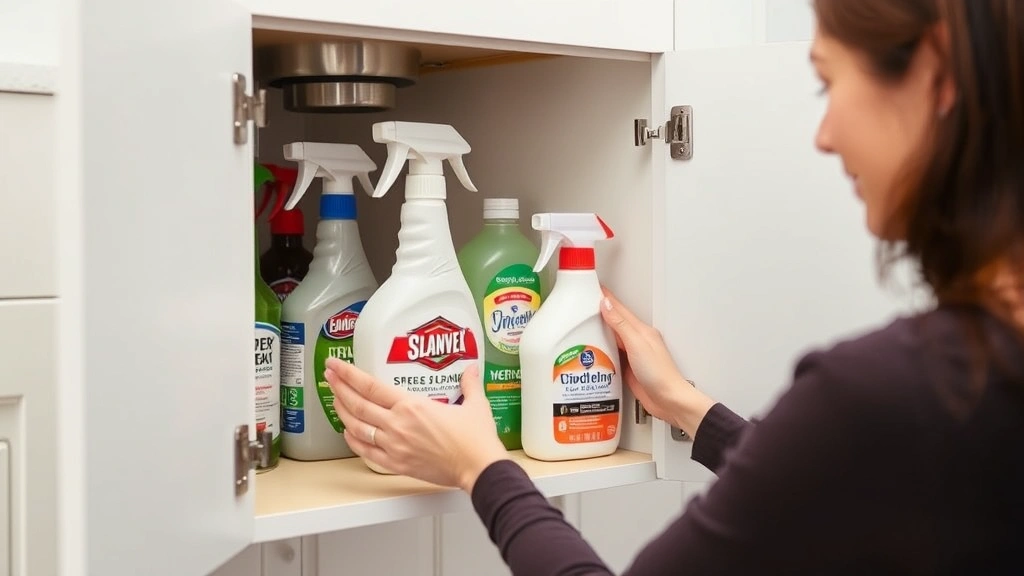
Cleaning products deserve special consideration. Store all cleaning supplies—including dish soap, laundry detergent, disinfectants, and furniture polish—in locked cabinets. Many cleaning products have become more concentrated and more dangerous in recent years. Dishwasher pods and laundry pods are particularly hazardous because they look like toys to children but are highly toxic if ingested.
Don’t forget about garage items, which many parents overlook. Antifreeze, pesticides, fertilizers, paint, and motor oil should all be stored in a locked cabinet or on high shelves in a garage with restricted access. If your child has access to the garage, secure these items carefully. Keep your pediatrician’s phone number handy and know the location of your nearest poison control center.
Electrical Safety Measures
Electrical hazards pose serious risks to babies and toddlers. Install tamper-resistant outlets throughout your home, especially in rooms where your baby spends time. These outlets have spring-loaded shutters that prevent foreign objects from being inserted. If you can’t replace all outlets immediately, use outlet covers or plug covers for unused outlets. Ensure these covers are difficult for children to remove—loose covers can become choking hazards.
Keep all cords secured and out of reach. Use cord organizers, clips, or tape to secure cords along walls and furniture. Never let cords dangle where a baby can grab or chew on them. Extension cords should be avoided if possible; if you must use them, keep them out of reach and don’t leave them plugged in when not in use.
Be cautious with electrical devices in bathrooms and kitchens where water is present. Never leave appliances plugged in near water sources. Use Ground Fault Circuit Interrupter (GFCI) outlets in bathrooms, kitchens, and other wet areas. These outlets automatically shut off power if they detect moisture, preventing electrical shock.
Teach your baby about electrical safety as they grow older. Help them understand that outlets and cords are not toys. Model safe behavior by not playing with electrical devices yourself. Install safety locks on surge protectors if your child can access them.
Window and Blind Safety
Window coverings can pose serious strangulation hazards. The Consumer Product Safety Commission has issued numerous warnings about corded window coverings. Avoid traditional blinds with cords entirely. Instead, choose cordless cellular shades, roller shades without cords, or motorized blinds.
If you already have corded blinds, take immediate action. Secure cords high and out of reach using cord cleats or fasteners. Never wrap cords around furniture or create loops that a child could put their head through. Consider replacing corded blinds as your budget allows.
Ensure windows are secure and cannot be opened wide enough for a child to fall through. Install window guards or stops that limit how far windows can open. For upper-story windows, this is particularly important. Install window locks on windows your child might be able to reach.
Frequently Asked Questions
What type of baby lock is best for my kitchen cabinets?
The best baby lock depends on your cabinet style and personal preference. Magnetic locks are invisible and don’t damage cabinetry but require wearing a key. Adhesive locks work well for renters and are easy to install. Lever locks are highly effective but may be visible. Test different types to see which works best with your cabinet hardware and your lifestyle.
How do I know if my home is truly baby-proofed?
Get down on your hands and knees and crawl through your home from your baby’s perspective. Look for potential hazards at their eye level. Ask yourself: Can they reach it? Can they pull it down? Can they put it in their mouth? Could they get stuck in it? If you answer yes to any of these questions, that item needs to be secured or removed. Perform this safety check regularly as your baby grows and becomes more mobile.
Do I need to baby-proof my entire home or just certain rooms?
Ideally, you should baby-proof your entire home. However, if your budget is limited, prioritize areas where your baby spends the most time—typically the living room, kitchen, and bedrooms. The kitchen and bathroom should be high priorities due to toxic substances and water hazards. As your child becomes more mobile, expand your baby-proofing efforts to other areas.
Are expensive baby-proofing products necessary?
Many effective baby-proofing measures are inexpensive. Baby locks, outlet covers, safety gates, and corner guards are all affordable. Some of the best safety measures—like securing furniture to walls, keeping cords out of reach, and organizing toxic substances—require minimal investment. Focus your spending on the most critical safety devices, then add additional protection as your budget allows.
When can I stop baby-proofing my home?
Most parents begin removing baby-proofing measures around age 4 or 5, though this varies by child and by device. Safety gates can usually be removed once your child can safely navigate stairs. Baby locks on cabinets containing non-toxic items can be removed as your child understands and respects boundaries. However, continue locking cabinets containing medications, cleaning products, and other toxic substances throughout childhood. Check out our baby leaps guide to understand developmental milestones that affect safety needs.
What should I do if my child ingests something toxic?
Call Poison Control immediately at 1-800-222-1222 (available 24/7 in the United States). Have the substance container available so you can provide specific information. Don’t induce vomiting unless instructed by Poison Control. Stay calm and follow their instructions. Visit the essential parenting advice guide for more information on handling emergencies.
How often should I update my baby-proofing measures?
Review your home safety measures every few months or whenever your child reaches a new developmental milestone. As babies grow, they develop new abilities and access new areas. A baby who couldn’t reach a shelf at six months might be able to at twelve months. Regularly reassess your home from your child’s perspective and make adjustments as needed.
Baby-proofing is an ongoing process that evolves as your child grows. By implementing these expert-recommended strategies and maintaining vigilance, you create a safe environment where your child can explore, learn, and develop with minimal risk. Remember that baby-proofing is not about creating a risk-free environment—some risk is necessary for development—but rather about eliminating the most dangerous hazards while teaching your child about safety. Start with the highest-priority areas like the kitchen and bathroom, ensure all medications and toxic substances are locked away, and use quality baby locks on cabinets and drawers. As your child grows, continue to adapt your safety measures to match their developing abilities. Your commitment to home safety is one of the most important investments you can make in your child’s wellbeing.