Are Baby Mittens Necessary? Expert Insights on This Parenting Essential
The nursery shopping experience can feel overwhelming. You’re standing in front of rows of teeny-tiny accessories, and suddenly you’re wondering: do I really need baby mittens? It’s one of those items that seems simple on the surface but actually sparks genuine debate among parents and pediatricians alike. Some swear by them as an absolute must-have, while others suggest they’re unnecessary clutter in an already packed diaper bag.
Here’s the thing—baby mittens aren’t a one-size-fits-all answer. Whether your newborn needs them depends on several factors, from your climate and home temperature to your baby’s individual scratching tendencies and your personal comfort level. The good news? We’re going to break down exactly what you need to know so you can make an informed decision that works for your family.
Let’s dive into what experts actually say about this common baby item and help you figure out if mittens belong on your registry or if you can safely skip them.
Why Parents Consider Baby Mittens
New parents often worry about their baby’s delicate skin, and understandably so. Those tiny fingernails—which are surprisingly sharp despite their miniature size—can cause scratches that look concerning to a protective parent. The instinct to protect your baby from themselves is completely natural, and it’s one of the primary reasons mittens end up in so many nurseries.
The logic seems straightforward: if your baby can’t use their hands to scratch, they won’t end up with those little red marks on their face and arms. It’s preventative thinking, and it makes intuitive sense. Add in the fact that mittens are inexpensive, widely available, and recommended by some parenting resources, and suddenly they feel like a no-brainer essential.
But here’s where it gets interesting. While the concern is valid, the solution might not be as necessary as it initially appears. Understanding what’s actually happening with your baby’s skin and reflexes will help you make a better decision about whether mittens deserve a spot in your baby’s wardrobe.
Understanding Newborn Skin and Self-Scratching
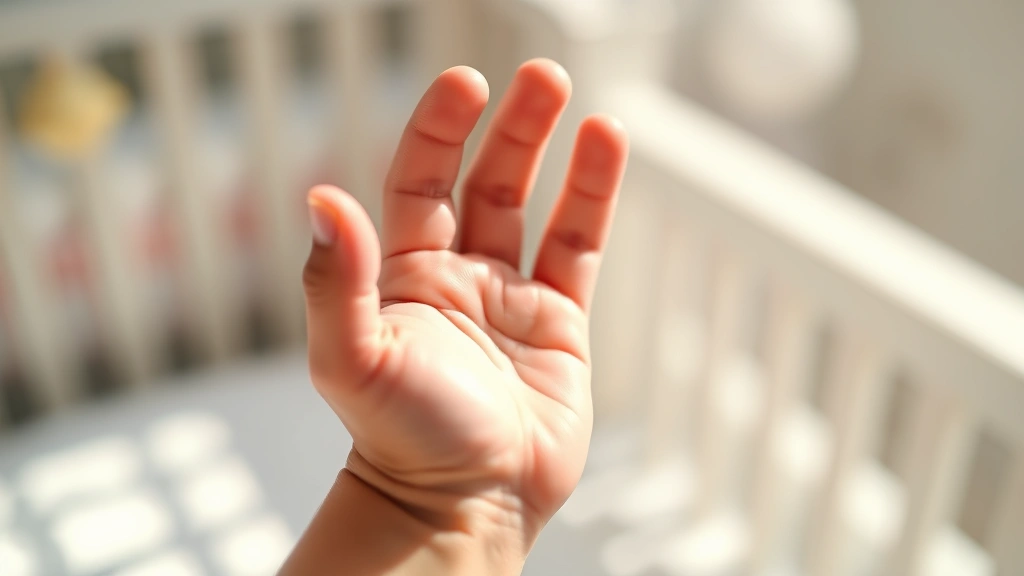
Newborns do scratch themselves—that part is true. Their motor control is still developing, and their awareness of their own body is minimal. Those tiny fingernails can indeed leave marks on delicate skin. However, the severity and frequency of these scratches are often less dramatic than new parents anticipate.
According to the American Academy of Pediatrics, most newborn scratches are superficial and heal quickly without intervention. Your baby’s skin is remarkably resilient, even when it looks fragile. The marks typically fade within hours or days, and they rarely become infected or cause lasting damage.
There’s also an important developmental consideration here. Babies need to explore their hands and fingers as part of normal development. Hand-to-mouth exploration, examining their fingers, and yes, occasionally scratching themselves, are all part of how they learn about their bodies and the world around them. Preventing all hand contact with the face might actually interfere with this natural developmental process.
The scratching phase is also temporary. As your baby grows and develops better motor control—usually by around three to four months—the unintentional scratching decreases significantly. Their nails also become less needle-like and more predictable as they grow.
What Pediatricians Actually Recommend
When you look at what actual pediatricians recommend, the picture becomes clearer. Most pediatric organizations don’t list baby mittens as essential items. The CDC and leading pediatricians acknowledge that while mittens can be used, they’re not medically necessary for most babies.
That said, pediatricians aren’t anti-mitten. Instead, they tend to take a pragmatic approach: use them if they help you feel more confident and less anxious, but don’t stress if you skip them entirely. This middle-ground recommendation reflects the reality that parental peace of mind matters too. If mittens help you worry less and enjoy your newborn more, that’s a legitimate benefit.
Some pediatricians do suggest mittens in specific situations. If your baby has particularly aggressive scratching behavior, or if you notice they’re creating raw patches that might be prone to infection, mittens can serve a practical purpose. Similarly, premature babies or those with certain skin conditions might benefit from mitten use.
The key insight from pediatric experts is this: baby mittens are optional, not obligatory. They’re a tool that works well for some families and isn’t necessary for others. This flexibility is actually refreshing when you’re navigating the overwhelming world of baby products.
When Baby Mittens Are Actually Helpful
Even though mittens aren’t essential for every baby, there are legitimate situations where they serve a real purpose. Recognizing these scenarios can help you decide if they’re worth including in your baby’s collection.
Extreme scratching behavior: Some babies are more vigorous scratchers than others. If your baby is consistently creating deep scratches or drawing blood, mittens can provide temporary relief while their motor control develops. This is especially true for babies with particularly sharp nails or those who seem unable to control their arm movements.
Eczema or sensitive skin conditions: Babies with eczema or other skin sensitivities can cause more damage through scratching, and the resulting open skin is more prone to infection. In these cases, mittens become a legitimate medical tool rather than just a preventative accessory.
Nighttime sleep: Many parents find mittens particularly useful during nighttime sleep. When you’re not actively watching your baby, mittens provide peace of mind. Some babies scratch more vigorously during sleep transitions, making mittens a practical nighttime-only solution.
Post-vaccination or medical procedures: If your baby has received vaccines or had minor medical procedures, they might be more irritable or prone to scratching. Temporary mitten use during this period can be helpful.
Temperature regulation: In very cold climates, lightweight mittens serve the dual purpose of keeping tiny hands warm while also preventing scratching. This makes them genuinely useful rather than purely preventative.
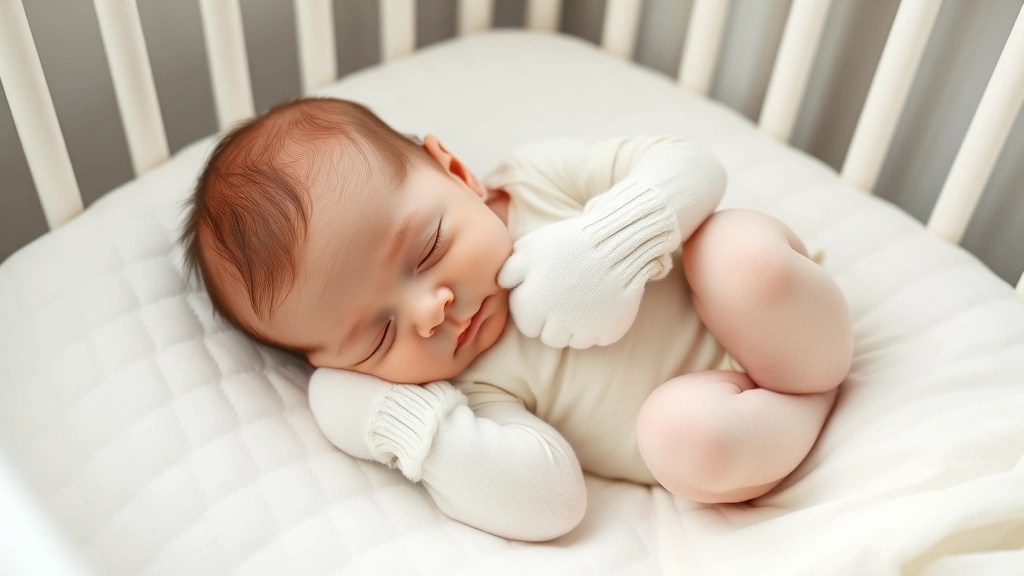
Alternatives to Traditional Mittens
If you’re hesitant about mittens but still want to minimize scratching, several alternatives exist that you might find more practical or comfortable for your baby.
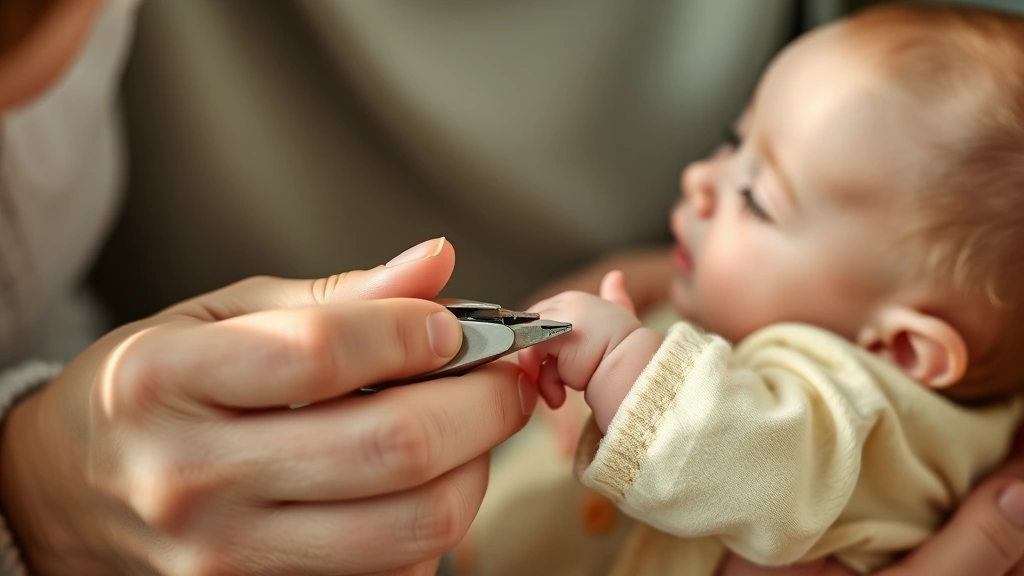
Keeping nails trimmed and smooth: This is often the most effective solution. Regularly trimming your baby’s nails and filing them smooth dramatically reduces scratching damage. Many parents find this approach alone is sufficient without any mitten use. It takes just a few minutes and addresses the root cause of deep scratches.
Soft clothing with built-in hand covers: Some baby clothing, particularly pajamas and onesies, includes integrated hand covers. These provide the mitten benefit without a separate accessory that can slip off. They’re also useful for keeping hands warm.
Swaddling: Proper swaddling keeps your baby’s hands tucked in, preventing both scratching and the startle reflex that can wake them. This approach serves multiple purposes and is recommended by pediatricians for sleep safety when done correctly.
Scratch-resistant clothing: Some specialty baby clothes are designed with reinforced fabrics that resist scratching better than standard cotton. While more expensive, they might be worth considering if scratching is a significant concern.
Monitoring and mindful placement: Sometimes the simplest solution is just being aware. Keeping your baby’s hands visible, regularly checking nails, and gently redirecting their hands away from their face can be surprisingly effective without any tools or accessories.
When considering what to include in your baby registry must haves, think about which approach aligns best with your parenting style and your baby’s individual needs.
Safety Considerations for Mitten Use
If you do decide to use baby mittens, understanding proper safety is crucial. Mittens aren’t risk-free, and using them incorrectly can create problems rather than solving them.
Fit and security: Mittens must fit properly and stay in place. Loose mittens can become choking hazards if they slip off and your baby manages to put them in their mouth. Always ensure mittens are securely fastened and appropriately sized for your baby’s hand.
Overheating: Mittens add a layer of insulation to your baby’s hands. In warm environments, this can contribute to overheating, which is a serious concern for infants. Monitor your baby’s temperature and remove mittens if they seem too warm.
Developmental impact: Extended mitten use might limit your baby’s ability to explore their hands and develop fine motor skills. Experts generally suggest limiting mitten use to specific situations rather than using them continuously.
Hygiene: Mittens need regular washing since your baby will be wearing them on their hands. Keep them clean to prevent bacterial growth and skin irritation.
Duration: Think of mittens as a temporary solution for a temporary problem. Most babies outgrow the scratching phase naturally, so mittens shouldn’t be a permanent part of your routine.
When shopping for mittens, look for options made from breathable, soft fabrics like cotton or bamboo. Avoid anything with loose decorations or poorly constructed seams that could pose hazards.
Frequently Asked Questions
Do newborns really need baby mittens?
No, newborns don’t medically need baby mittens. Most babies do fine without them. However, they can be helpful for individual babies who scratch excessively or have skin conditions. The decision is ultimately based on your baby’s specific needs and your comfort level as a parent.
At what age do babies stop scratching themselves?
Most babies show significantly reduced self-scratching by three to four months of age as their motor control improves. By six months, the behavior is usually minimal. The exact timeline varies by individual baby.
Can baby mittens cause any problems?
When used properly and for limited periods, baby mittens are generally safe. However, poorly fitting mittens can pose choking hazards, mittens can contribute to overheating, and excessive use might limit normal hand development and exploration.
Are mittens recommended by the American Academy of Pediatrics?
The American Academy of Pediatrics doesn’t list mittens as essential items. They acknowledge they can be used but emphasize that they’re optional and not medically necessary for most babies.
What’s the best alternative to mittens?
Keeping your baby’s nails trimmed and smooth is often the most effective solution. This addresses the root cause of deep scratches without requiring any accessories. Swaddling and soft clothing with built-in hand covers are also popular alternatives.
Should I use mittens at night?
Many parents find mittens useful during nighttime sleep for peace of mind. If you choose to use them at night, ensure they’re secure, monitor your baby’s temperature, and remove them during the day to allow normal hand exploration and development.
What should I look for when choosing baby mittens?
Choose mittens made from breathable, soft fabrics like cotton or bamboo. Ensure they fit properly and won’t slip off. Avoid mittens with loose decorations or poorly constructed seams. Consider your climate and whether you need them for warmth as well as scratch prevention.
Can mittens be part of baby shower gifts?
Yes, mittens can be included in baby shower gift ideas, though they’re not typically the most exciting gift. If you’re shopping for a baby shower, pairing mittens with other items like baby booties creates a more complete gift set. For more gift inspiration, explore baby boy gifts or baby girl gifts depending on the baby’s gender.
Do preemie babies need mittens more than full-term babies?
Premature babies might benefit more from mittens since their motor control is even less developed than full-term newborns. However, the decision should still be based on individual needs. Consult your pediatrician about recommendations specific to your preemie’s development.