What Is a Baby Sleeping Bag? Expert Guide to Safe Sleep Solutions
If you’re navigating the bewildering world of baby sleep gear, you’ve probably stumbled across the term “baby sleeping bag” and wondered what exactly it is. Is it a tiny sleeping bag like adults use? A wearable blanket? Both? Neither? The confusion is real, and you’re not alone in feeling a bit lost in the sea of baby sleep products.
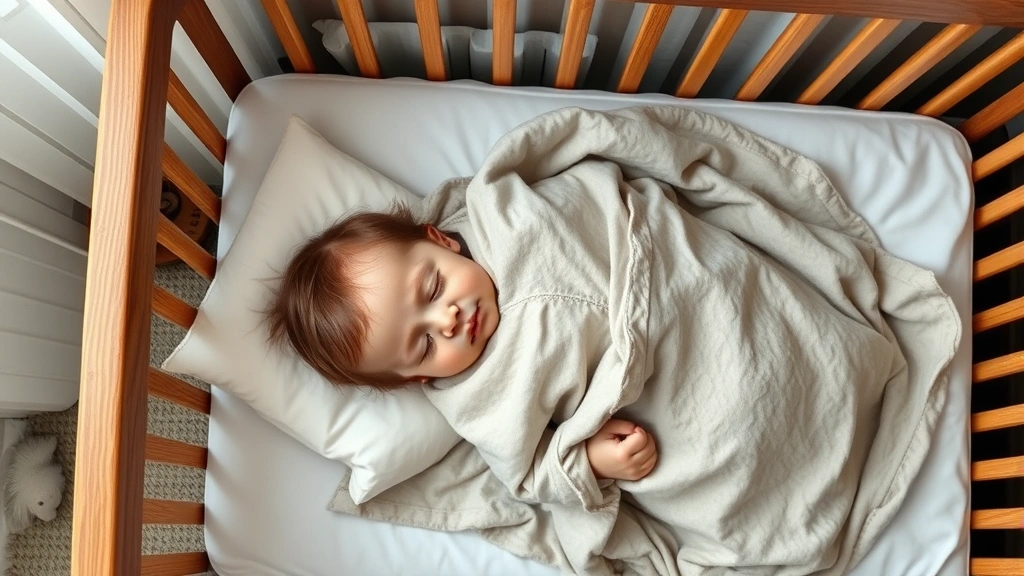
A baby sleeping bag—also called a sleep sack or wearable blanket—is essentially a garment designed to keep your little one warm and cozy without the risks associated with traditional loose blankets. Think of it as a cross between a vest and a sleeping bag: it’s worn over pajamas, zips or snaps up the front, and keeps your baby snug throughout the night. It’s one of those surprisingly simple inventions that actually solves a real problem in infant sleep safety.
Understanding what a baby sleeping bag is, how it works, and whether it’s right for your family is crucial information for any parent looking to create a safe, comfortable sleep environment. Let’s break down everything you need to know.
What Exactly Is a Baby Sleeping Bag?
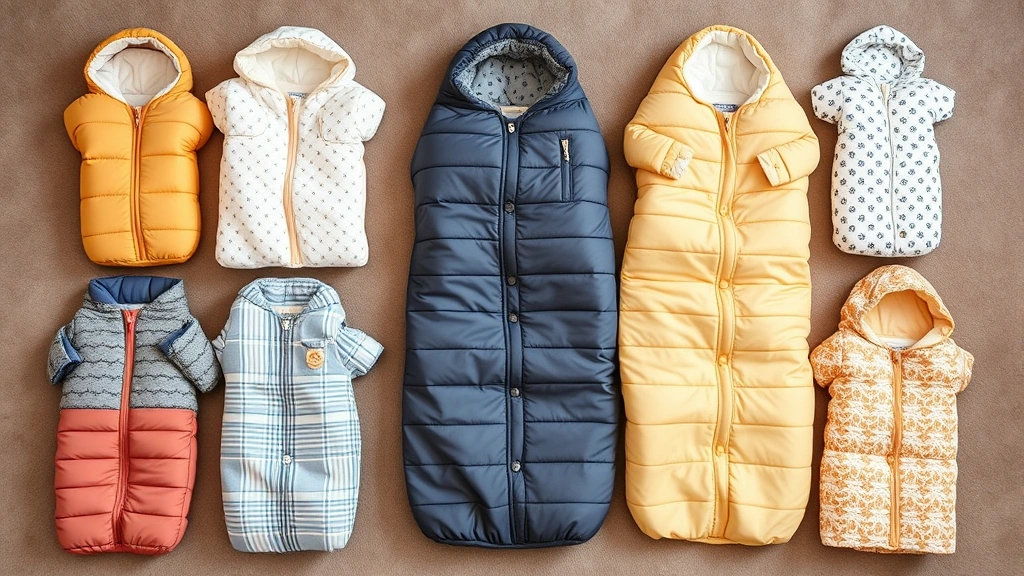
Let’s start with the basics. A baby sleeping bag is a specialized sleep garment designed specifically for infants and young toddlers. Unlike a traditional blanket that sits loosely in the crib, a baby sleeping bag is worn by your child, much like clothing. It typically features:
- A fitted design that goes over your baby’s torso and legs
- Arm holes or sleeves (depending on the style)
- A zip or snap closure running down the front or back
- Various thickness levels called TOG (Thermal Overall Grade) ratings
- Safe construction with no loose parts or choking hazards
The concept is straightforward but elegant: it provides warmth and comfort while eliminating the risks of loose bedding in the crib. The sleep sack baby category has exploded in recent years, with brands offering everything from basic cotton versions to luxury options with premium fabrics.
Some parents wonder how this differs from a baby swaddle. While both are wearable sleep solutions, swaddles wrap around your baby like a burrito and are typically used for newborns, whereas sleeping bags are looser-fitting garments used from birth through the toddler years. They serve different purposes at different developmental stages.
Why They Matter for Sleep Safety
The American Academy of Pediatrics (AAP) has been clear about crib safety: babies should sleep on a bare crib with no pillows, blankets, or bumpers. This recommendation exists because loose bedding increases the risk of suffocation and Sudden Infant Death Syndrome (SIDS).
Here’s where the baby sleeping bag becomes valuable. It provides the warmth and comfort of a blanket without the dangers of loose fabric. Your baby can’t kick it off, pull it over their face, or get tangled in it during the night. This makes sleeping bags one of the smartest investments for creating a safe sleep environment.
Parents often struggle with the mental image of their baby being “cold” without a blanket. The sleeping bag addresses this anxiety while actually improving safety outcomes. It’s a win-win that lets you sleep better knowing your little one is both warm and secure.
Temperature regulation is particularly important because overheating has been identified as a risk factor in sudden unexpected infant deaths. A properly fitted sleeping bag with the correct TOG rating ensures your baby stays at an optimal temperature without overheating.
Types and Styles Available
The baby sleeping bag market offers more variety than you might expect. Understanding the different types helps you choose what works best for your situation:
Standard Sleep Sacks: These are the most common type, featuring arm holes and a fitted design. They come in various materials and thickness levels. The Kyte baby sleep sack is a popular premium option that many parents swear by for quality and comfort.
Wearable Blankets: Similar to standard sleep sacks but often with a roomier fit, these are designed to feel more like a traditional blanket experience while maintaining safety standards.
Sleeping Bags with Sleeves: These provide arm coverage for added warmth, ideal for cooler climates or winter months.
Sleeveless Designs: Perfect for warmer weather or for parents who prefer maximum arm mobility for their babies.
Convertible Options: Some brands offer sleeping bags that transition from newborn to toddler sizes, growing with your child.
When considering what to add to your baby registry must haves, a quality sleeping bag should definitely make the list. It’s a practical item that every parent needs and actually uses daily.
Key Benefits for Parents and Babies
Beyond the obvious safety advantages, baby sleeping bags offer several compelling benefits:
Peace of Mind: Knowing your baby is warm and safe without loose bedding allows you to relax and get better sleep yourself. That’s invaluable for your mental health and well-being as a parent.
Simplified Bedtime Routine: No more adjusting blankets or worrying about coverage. Zip up the sleeping bag, and you’re done. This simplicity becomes increasingly appreciated during those 3 a.m. diaper changes when you’re running on fumes.
Temperature Control: The TOG rating system allows you to select the appropriate weight for your climate and season. This precision helps prevent both overheating and insufficient warmth.
Portability: Traveling with a sleeping bag is easier than managing loose blankets. Whether you’re visiting grandparents or staying in hotels, your baby’s familiar sleep gear comes along easily.
Transition Tool: Sleeping bags can help with transitions, such as moving from co-sleeping to independent sleeping or transitioning out of the bassinet into a crib.
Cost-Effective: One or two quality sleeping bags can last through multiple children and years of use. Compare that to constantly replacing worn blankets or dealing with laundry nightmares.
Developmental Benefits: Some research suggests that the gentle compression of a sleeping bag may have a calming effect on babies, similar to swaddling, promoting better sleep quality.
How to Choose the Right One
With so many options available, choosing the right baby sleeping bag requires considering several factors:
Size and Fit: Sleeping bags come in different sizes based on age and weight. A properly fitting sleeping bag should be snug enough that your baby can’t slip inside but loose enough to allow natural leg movement. Your baby’s feet should not be able to slip through the neck opening.
TOG Rating: This is crucial. TOG measures thermal resistance. A 1.0 TOG is lightweight (for summer or warm climates), 2.5 TOG is mid-weight (spring/fall), and 3.5+ TOG is heavy-weight (winter). Choosing the right TOG prevents overheating and ensures adequate warmth. Check the manufacturer’s recommendations based on your room temperature.
Material: Cotton is breathable and gentle on sensitive skin. Bamboo fabric offers similar benefits with added softness. Some sleeping bags use fleece or other synthetic materials for warmth. Consider your baby’s skin sensitivity and your climate.
Closure Type: Front zips are convenient for diaper changes, while back zips might be easier for nighttime changes without disturbing your baby. Some parents prefer snaps over zips for durability.
Budget: Sleeping bags range from budget-friendly options to luxury brands. You don’t need to spend a fortune, but investing in quality construction ensures longevity and safety compliance.
Design and Aesthetics: While function matters most, let’s be honest—you’ll be looking at this garment daily. Choose colors and designs that appeal to you and coordinate with your nursery.
If you’re uncertain about whether a sleeping bag is the right choice, compare it with alternatives like traditional baby blanket solutions. For most modern parents, the sleeping bag wins on safety and convenience.
Safety Guidelines and Best Practices
Using a baby sleeping bag safely requires following specific guidelines:
Check the Fit Regularly: As your baby grows, reassess the fit every few months. A sleeping bag that was perfect at three months might be too small at nine months. Your baby should have room to move their legs and hips naturally.
Maintain Appropriate Room Temperature: Use a room thermometer to monitor temperature. Combine this with the TOG rating to ensure your baby isn’t overheating. The ideal room temperature for infant sleep is 68-72°F (20-22°C).
Dress Appropriately Underneath: Your baby’s clothing under the sleeping bag matters. In warm weather, just a diaper or light onesie. In cold weather, add long sleeves or a long-sleeved onesie. You want your baby warm but not overheated.
Inspect for Damage: Before each use, check the sleeping bag for tears, loose threads, or broken zippers. Any damage compromises safety and should be repaired or replaced.
Follow Weight and Age Guidelines: Manufacturers provide specific recommendations. Don’t use a sleeping bag outside these parameters. When your child exceeds the weight limit, transition to age-appropriate bedding.
Avoid Additional Bedding: The sleeping bag should be the only sleep garment. Don’t add blankets, pillows, or bumpers to the crib. This defeats the purpose of using the sleeping bag in the first place.
Ensure Proper Ventilation: Make sure the sleeping bag allows adequate air circulation. Quality sleeping bags are designed with breathability in mind, but cheap alternatives might restrict airflow dangerously.
According to Parents Magazine’s crib safety guidelines, using appropriate sleep garments like sleeping bags is one of the most effective SIDS prevention strategies available to parents.
When to Transition Away
Most babies use sleeping bags from birth through the toddler years, but eventually, they’ll outgrow them. Here’s what you need to know about transitioning:
Age Considerations: Most children transition away from sleeping bags between ages 2 and 3, though some continue using them longer. There’s no strict cutoff—it depends on your child’s size and developmental stage.
Size Limits: When your child exceeds the weight limit specified by the manufacturer, it’s time to move on. Continuing to use an oversized sleeping bag compromises both comfort and safety.
Developmental Readiness: Some toddlers show interest in using regular blankets and pillows around age 2-3. If your child is expressing this interest and has outgrown the sleeping bag, it might be time to transition.
Safety Transition: The when can babies sleep with a blanket question is important because you shouldn’t introduce loose blankets too early. Wait until your child is at least 12 months old, preferably older, before transitioning to traditional bedding.
Gradual Transition: Some parents introduce a lightweight blanket alongside the sleeping bag first, allowing their child to adjust gradually. This can ease the transition and help your toddler feel more grown-up.
Alternative Options: Consider transitioning to fitted sheets, sleep pants, or lightweight blankets appropriate for your child’s age. The goal is maintaining safety while respecting your growing child’s increasing independence.
Frequently Asked Questions
Can newborns use baby sleeping bags from birth?
Yes, most baby sleeping bags are safe from birth, but check the manufacturer’s specific guidelines. Some brands have minimum weight requirements. Newborn-specific sleeping bags are available and sized appropriately for tiny babies. Always ensure proper fit—the neck opening should not allow your baby’s head to slip through.
What TOG rating do I need?
This depends on your room temperature and climate. For most situations: use 1.0 TOG for temperatures above 74°F, 2.5 TOG for 68-74°F, and 3.5 TOG for below 68°F. Use a room thermometer to guide your decision. Most parents benefit from having two sleeping bags—a lighter one for warm months and a heavier one for winter.
Are sleeping bags better than blankets?
For safety purposes, yes. Sleeping bags eliminate the risks associated with loose bedding while providing equivalent warmth. They’re also more convenient and portable. However, they’re not necessary—you can safely use a bare crib with appropriate room temperature management. But if you’re going to provide additional warmth, a sleeping bag is the safest option.
Can my baby overheat in a sleeping bag?
Overheating is possible if you use the wrong TOG rating for your room temperature or overdress your baby underneath. Signs of overheating include sweating, flushed cheeks, rapid breathing, or a heat rash. Monitor your baby and adjust layers or TOG rating as needed. Most quality sleeping bags are designed to prevent overheating when used correctly.
How often should I wash the sleeping bag?
Wash according to manufacturer instructions, typically every 1-2 weeks or as needed. Most sleeping bags are machine washable. Regular washing maintains hygiene and extends the lifespan of the garment. Check zippers and closures before washing to ensure they’re functioning properly.
Can I use a sleeping bag in a travel crib or pack-and-play?
Yes, sleeping bags work well in travel cribs and pack-and-plays, making them excellent for vacations or visits. The same safety guidelines apply—ensure proper fit and appropriate TOG rating for your environment.
What’s the difference between a sleeping bag and a sleep sack?
These terms are often used interchangeably. Both refer to wearable sleep garments. Some manufacturers distinguish between them based on fit or design, but functionally, they serve the same purpose. Don’t get too caught up in terminology—focus on fit, safety, and appropriateness for your situation.
Should I use a sleeping bag with a swaddle?
Generally, no. Choose one or the other based on your baby’s age and needs. Newborns often benefit from swaddling, while older babies transition to sleeping bags. Using both simultaneously could create overheating risks. Consult with your pediatrician about the best approach for your individual baby.