Are Baby Sunglasses Necessary? Expert Insights on Protecting Your Little One’s Eyes
The sun feels warm on your face, the sky is impossibly blue, and your baby is nestled in the stroller beside you. Then you notice it: those tiny eyes squinting against the glare. Should you be concerned? Is this just a normal part of being outdoors, or is it time to invest in baby sunglasses?
If you’ve found yourself wondering whether baby sunglasses are a legitimate necessity or just another item marketing teams have convinced parents they need, you’re not alone. The answer, as with most parenting decisions, isn’t entirely black and white. But what experts tell us might surprise you—and it goes beyond simply slapping shades on your infant’s face.
Let’s dive into what research actually says about UV protection for babies, when it matters most, and how to keep those precious eyes safe without overthinking it.
Understanding UV Damage and Baby Eyes
Before we talk about whether your baby needs sunglasses, it’s worth understanding why anyone needs them. Ultraviolet radiation comes in two main types: UVA and UVB. Both can damage the eyes, potentially leading to cataracts, macular degeneration, and other long-term vision problems later in life.
Here’s where babies enter the picture: their eyes are genuinely more vulnerable to UV damage than adult eyes. According to the American Academy of Ophthalmology, children’s eyes allow more UV light to penetrate to the retina than adult eyes do. This is partly because the protective pigmentation in their eyes hasn’t fully developed yet.
Additionally, the lens of a baby’s eye is clearer than an adult’s, meaning UV rays pass through more readily. It’s not that babies are out in the sun constantly accumulating damage in one afternoon—it’s the cumulative effect over years that concerns eye care professionals. Think of it like sun exposure on skin: the damage compounds.
The CDC emphasizes that UV exposure during childhood contributes significantly to the total lifetime UV dose, which increases skin cancer and eye disease risk in adulthood. So yes, baby eye protection matters—but the context matters enormously.
When Baby Sunglasses Actually Matter
This is the crucial distinction that many articles gloss over: baby sunglasses aren’t necessary for every outdoor moment. A quick trip to the mailbox? A shaded walk through the neighborhood? Your baby doesn’t need shades for these situations.
Sunglasses become genuinely important when:
- Extended sun exposure is happening. Beach days, poolside afternoons, or outdoor activities lasting more than 30 minutes warrant eye protection.
- You’re near reflective surfaces. Water, sand, and snow reflect UV rays significantly, amplifying exposure. This is particularly relevant if you’re planning best family travel destinations involving beach time.
- The sun is at its strongest. Between 10 AM and 4 PM, UV rays are most intense. If you’re outside during these hours for extended periods, protection becomes more important.
- Your baby has light-colored eyes. Lighter irises offer less natural UV protection than darker eyes, making sunglasses more beneficial for blue-eyed babies.
- There’s a family history of eye problems. If cataracts or macular degeneration runs in your family, early protection becomes more strategically important.
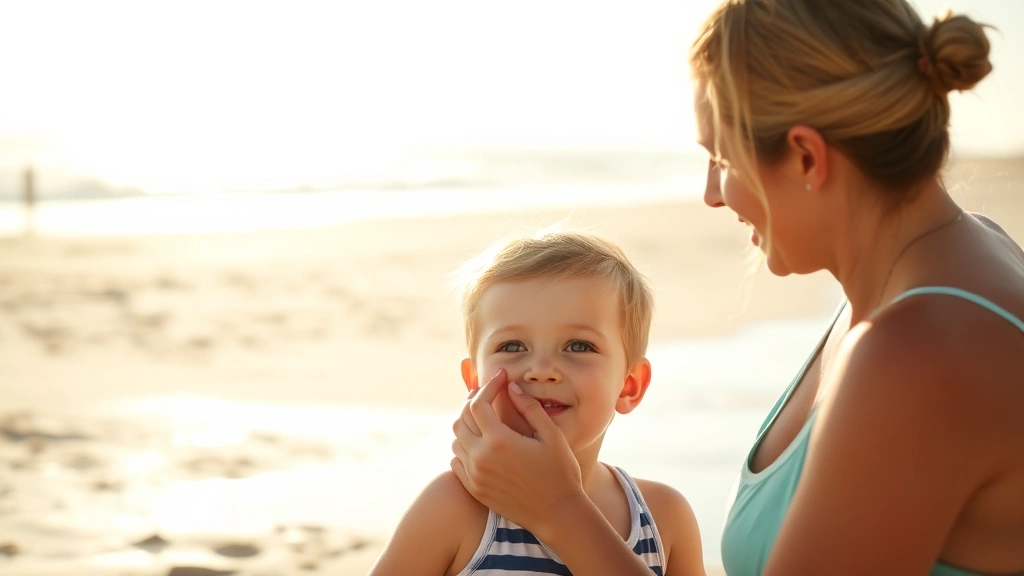
The American Academy of Pediatrics suggests that while sun protection is important, it shouldn’t overshadow other protective measures like hats and shade. In fact, AAP guidance emphasizes that babies under six months should stay out of direct sunlight altogether, making sunglasses somewhat irrelevant for the tiniest members of the family.
Choosing Safe Baby Sunglasses: What to Look For
If you’ve decided baby sunglasses make sense for your family, choosing the right pair matters more than you might think. Not all baby sunglasses are created equal, and some poorly made options can actually be worse than no sunglasses at all.
Here’s what to prioritize:
- 100% UV protection. Look for sunglasses labeled as blocking 100% of UVA and UVB rays, or UV400. This is non-negotiable. Anything less is essentially decorative.
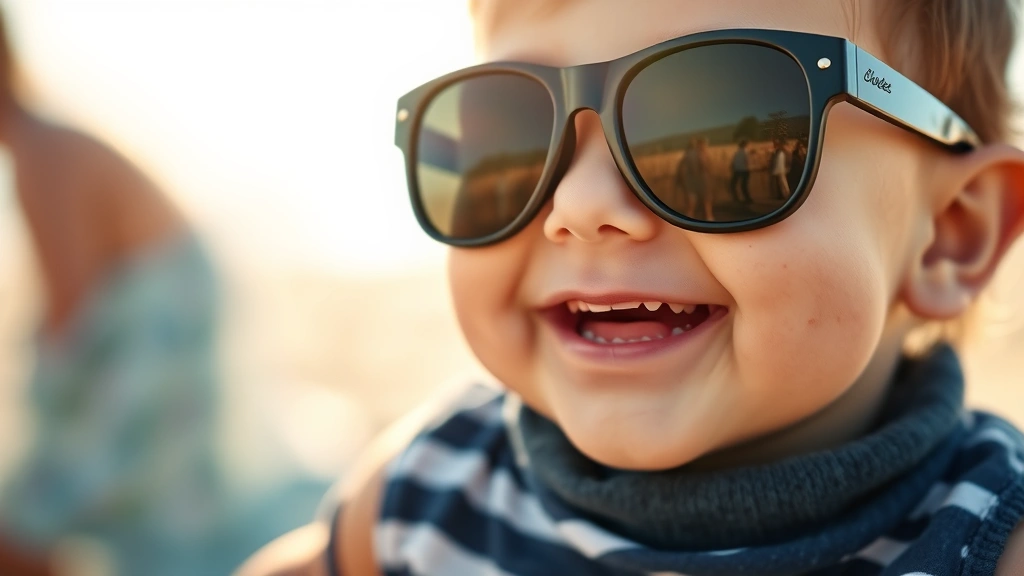
- Proper fit and retention. Baby sunglasses need to actually stay on your baby’s face. Look for flexible frames, adjustable straps, or soft materials that won’t irritate. A pair that slides off constantly provides zero protection.
- Impact-resistant lenses. Babies and toddlers are unpredictable. Polycarbonate lenses are shatter-resistant and safer than glass or standard plastic.
- Oversized or wrap-around styles. These block more peripheral light, offering better protection than small lenses.
- Lightweight construction. Heavy frames cause discomfort and encourage babies to pull them off. Your baby won’t wear something that hurts.
- Certified standards. Look for CE marking or ANSI Z87.1 certification, indicating the glasses meet safety standards.
Here’s an honest truth: finding sunglasses that a baby will actually wear is half the battle. Many parents buy adorable tiny shades only to have them rejected immediately. If your baby consistently refuses to wear them, baby hats with wide brims become your best friend instead.
Beyond Sunglasses: A Comprehensive Sun Protection Strategy
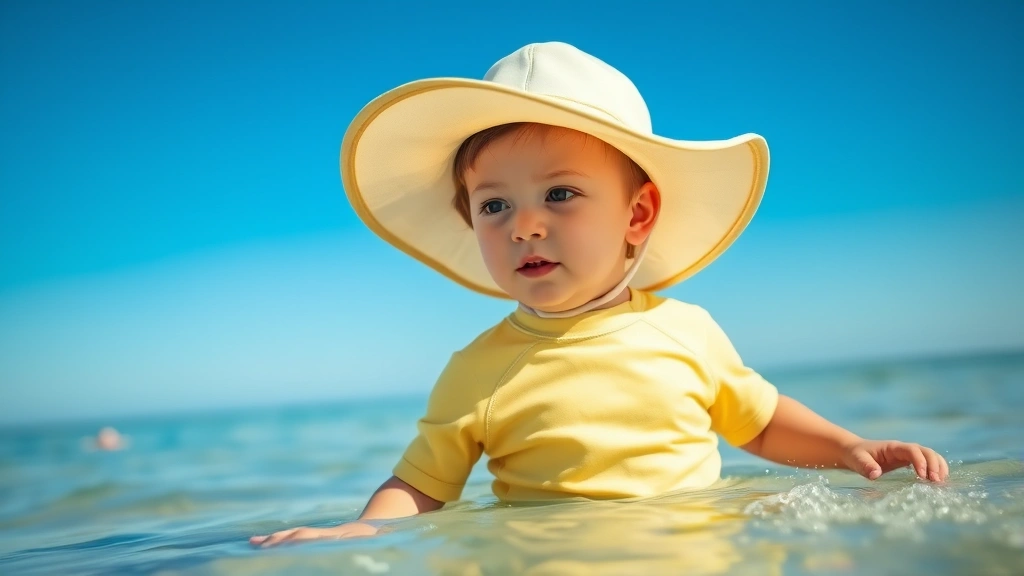
Here’s what gets lost in the baby sunglasses debate: they’re just one tool in a much larger sun protection toolkit. And honestly, they might not even be the most important one.
Shade is your first line of defense. A wide-brimmed hat, a beach umbrella, or simply staying in the shade during peak sun hours accomplishes more for your baby’s eyes than sunglasses alone. The American Academy of Dermatology recommends seeking shade during midday hours as the primary UV protection strategy.
Protective clothing matters too. UV-blocking clothing, rash guards, and long sleeves protect not just skin but also reduce overall UV exposure. A baby in a long-sleeved swim shirt and hat is getting comprehensive protection whether they’re wearing sunglasses or not.
Strategic timing makes a genuine difference. Planning outdoor activities for early morning or late afternoon, when UV rays are weaker, is often more practical than relying on accessories. If you’re baby shower gift ideas shopping and thinking about outdoor gear, UV-protective clothing often makes a more practical gift than sunglasses.
Sunscreen adds another layer—though be cautious with babies under six months. Once your baby is older, broad-spectrum sunscreen (SPF 30 or higher) applied generously and reapplied every two hours provides significant protection. The key is actually using it consistently, which many parents find easier than wrestling sunglasses onto a squirming baby.
Think of sun protection like a pyramid: shade forms the base, then protective clothing, then sunscreen, then sunglasses at the top. You don’t need every single element for every single outdoor moment. But for beach days and extended sun exposure, layering these strategies makes sense.
Practical Tips for Sun Safety with Babies
Moving beyond theory, here’s what actually works for real families:
Start early with acceptance. If you introduce sunglasses during low-stakes moments—a quick porch visit, a short walk—your baby may be more accepting than if you suddenly demand they wear them during an important outing. Normalize the experience without pressure.
Make it fun, not forced. Let your baby pick out their own sunglasses if possible. Frame it as a cool accessory rather than something mandatory. Sometimes babies accept things better when they feel they’ve chosen them.
Prioritize shade over shades. If your baby refuses sunglasses, don’t stress. A good hat—ideally with a wide brim—offers significant protection. Combine that with a stroller shade or beach umbrella, and you’ve covered the essentials.
Be realistic about timing. Most babies aren’t going to spend hours in direct sun anyway. Short outings in the morning or evening, combined with shade-seeking when the sun is strongest, naturally limits exposure. You don’t need perfect protection every moment.
Consider your specific situation. If you live somewhere with intense year-round sun, or you’re planning baby boy shoes and sun-appropriate gear for a tropical vacation, investing in quality sunglasses makes more sense than for families in temperate climates where sun exposure is seasonal.
Don’t let guilt drive decisions. Parenting involves enough guilt already. If your baby won’t wear sunglasses, that’s fine. Focus on shade, clothing, and timing instead. There’s rarely a one-size-fits-all solution.
Remember that protection isn’t all-or-nothing. Your baby doesn’t need flawless UV protection every single day to avoid eye problems. Reasonable precautions during extended sun exposure, combined with healthy habits as your child grows, accomplishes the goal.
Frequently Asked Questions
At what age can babies wear sunglasses?
Babies can technically wear sunglasses from birth, but it’s rarely necessary. Newborns should stay out of direct sunlight anyway, so sunglasses become relevant around 6 months old when outdoor time increases. Even then, shade and hats often suffice.
Can sunglasses hurt a baby’s eyes?
Poor-quality sunglasses without proper UV protection can actually be problematic. Sunglasses without UV filtering cause pupils to dilate in the shade, potentially allowing more unfiltered UV light through. Always choose certified, 100% UV-blocking sunglasses if your baby is going to wear them.
What if my baby won’t keep sunglasses on?
This is extremely common and not a problem. Switch your focus to other protective measures: wide-brimmed hats, UV-protective clothing, shade-seeking, and sunscreen (for babies over six months). Many babies eventually accept sunglasses as they grow older and understand the concept better.
Are expensive baby sunglasses better than budget options?
Price doesn’t guarantee quality. What matters is 100% UV protection, proper fit, and durability. You can find adequate sunglasses at various price points. The most expensive pair is worthless if your baby won’t wear it; a budget option that actually stays on provides real protection.
Do I need to use sunscreen on my baby’s face if they’re wearing sunglasses?
For babies over six months, yes—sunscreen on exposed areas around the sunglasses is still important. The sunglasses protect the eyes and immediate eye area, but the rest of the face, ears, and any exposed skin still need protection.
Should I be worried about vitamin D deficiency if I’m protecting my baby from sun?
This is a valid concern but doesn’t require choosing between sun protection and vitamin D. Babies get vitamin D from breast milk or formula, and later from foods. Short, unprotected sun exposure (15-20 minutes several times weekly) provides adequate vitamin D without significant UV damage risk. Sun protection and vitamin D aren’t mutually exclusive.