Baby Vans: Stylish Footwear for Little Ones
Let’s be honest—finding the right shoes for your baby feels like navigating a minefield of conflicting advice, overwhelming options, and that nagging worry about whether you’re making the right choice. You want something that looks adorable in photos, keeps tiny feet comfortable, and actually stays on during those chaotic diaper-bag-juggling moments. Enter baby Vans: the sneaker that somehow manages to check all these boxes without requiring a second mortgage.
Baby Vans have exploded in popularity over the past few years, and it’s not just because they look cool (though they absolutely do). Parents are drawn to them for legitimate reasons—durability, comfort, and that satisfying aesthetic that makes your little one look like they’ve got better style sense than most adults. But before you add them to your cart, there’s actually quite a bit worth knowing about whether they’re the right choice for your child’s developmental stage and lifestyle.
Whether you’re a minimalist parent who treats baby footwear like functional art or someone who just wants shoes that won’t fall off at the grocery store, this guide breaks down everything you need to know about baby Vans, from sizing and fit to care tips and how they compare to other options.
Why Parents Love Baby Vans
Baby Vans occupy this interesting sweet spot in the parenting universe. They’re not pretentious—Vans has been the unofficial uniform of skateboarders and casual cool for decades—but they also don’t scream “I grabbed whatever was on sale.” There’s something genuinely appealing about putting your baby in sneakers that actually match your own aesthetic.
The primary appeal comes down to three factors: authenticity, comfort, and surprisingly practical design. Unlike some children’s shoes that feel like miniature versions of adult styles without actually functioning well for tiny feet, baby Vans are engineered specifically for littler ones. They feature softer soles that allow proper foot development, flexible materials that accommodate growing feet, and designs that actually stay put during active play.
Parents also appreciate that baby Vans don’t feel like a “character shoe” phase. You’re not buying something your child will outgrow in six months both literally and aesthetically. These are shoes that work from baby’s first steps through toddlerhood, and they maintain their appeal as kids grow. Many parents report that their children actually want to wear their Vans because they feel cool—and yes, that matters when you’re dealing with a two-year-old who has suddenly developed strong opinions about footwear.
Getting the Sizing and Fit Right
Here’s where many parents stumble, and it’s worth addressing head-on because proper fit is genuinely important for foot development. Baby feet grow at an absurd rate—we’re talking a full shoe size every two to three months during the first year, then slightly slower but still rapid growth through toddlerhood.
When selecting baby boy shoes or girls’ styles, the golden rule is leaving about a thumb’s width of space between the longest toe and the shoe’s end. This seems generous until you realize that babies and toddlers need room for growth and their feet need to flex naturally. Too-tight shoes restrict blood flow, can cause blisters, and interfere with the natural gait development that’s happening during these crucial years.
Baby Vans typically run true to size, which is actually helpful compared to some brands that require going up half a size. However, fit can vary slightly between styles. The classic slip-on Vans tend to fit snugly, while the velcro-closure styles offer more adjustability. When you’re ordering online, measure your child’s foot in the afternoon or evening when feet are slightly swollen from activity—this gives you the most accurate measurement.
One pro tip many experienced parents swear by: buy from retailers with generous return policies. Babies’ feet change so quickly that what fits perfectly today might be snug next week. Being able to exchange sizes without hassle is genuinely valuable, especially during growth spurts.
Baby Vans Across Different Developmental Stages
Baby Vans work across multiple stages, but how you approach them changes depending on where your child is developmentally.
Pre-walkers (0-12 months): Technically, babies don’t need shoes before they walk, and many pediatricians recommend keeping pre-walkers barefoot as much as possible for proper sensory development. That said, if you want your baby in shoes for warmth, protection, or adorable photos, baby Vans in the smallest sizes can work. Just make sure they’re not too constrictive and that you remove them regularly to let feet breathe and develop naturally.
Early walkers (12-18 months): This is where baby walking shoes become genuinely functional. Your baby is experimenting with balance and coordination, so shoes that provide support without restricting natural movement are ideal. Baby Vans’ flexible soles actually support this developmental phase well. The soft rubber sole allows feet to feel the ground while providing just enough protection from rough surfaces.
Confident toddlers (18+ months): Once your child is running, climbing, and basically treating the floor as a personal obstacle course, baby Vans shine. They’re durable enough to handle the chaos, supportive enough for increasingly complex movement, and they stay on during active play—which is genuinely more important than it sounds when you’re trying to keep track of a toddler in a busy environment.

Style Options and Colors
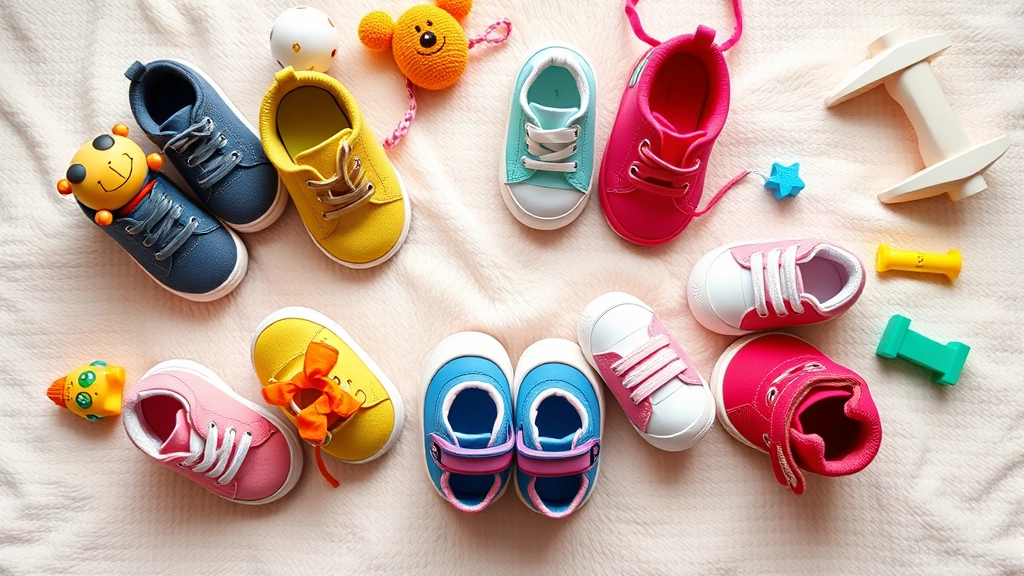
One of the genuine joys of baby Vans is the variety available. Vans offers everything from classic monochrome styles to bold patterns, seasonal colors, and even licensed collaborations. This might seem superficial, but here’s the thing: when your kid actually wants to wear their shoes because they love how they look, getting out the door becomes significantly less dramatic.
The classic styles—solid black, white, or navy—are timeless and coordinate with basically any outfit. They also have that benefit of not showing dirt quite as obviously, which matters more than you’d think when you’re dealing with toddlers. Patterned options, from checkered to tie-dye, appeal to kids who are developing their own style preferences around age three and up.
Baby Vans also come in seasonal releases and limited editions that appeal to collectors and style-conscious parents. While these are fun, the basics genuinely serve you better in the long run. You’ll get more wear out of neutral styles, and they’re easier to pass down to younger siblings or sell secondhand if you’re looking to recoup some costs.
Durability and Long-Term Value
Let’s talk about the actual economics of baby Vans. They’re not the cheapest option—expect to pay $35-$55 for a new pair depending on the style and where you buy them. This might feel like a lot for shoes your child will outgrow in months, but here’s where durability actually matters.
Baby Vans are built to last. The canvas holds up through repeated washings, the rubber sole doesn’t deteriorate quickly, and the overall construction means these shoes often look presentable even after months of active use. Parents consistently report that baby Vans remain in good condition through multiple children or hold their value well on secondhand markets.
This durability also means you can confidently buy them for your child without worrying that they’ll fall apart after a few weeks. Some cheaper shoe options deteriorate so quickly that the cost-per-wear becomes terrible. Baby Vans, while a higher initial investment, often come out ahead economically over the long term.
If you’re shopping on a tight budget, buying secondhand baby Vans is genuinely viable. They hold up well enough that used pairs are still functional and stylish. Check Facebook marketplace, consignment shops, or online resale platforms for significant savings.
Care and Maintenance
One of the practical advantages of baby Vans is how easy they are to maintain. Canvas is forgiving, and the simple design means there aren’t complicated closures or delicate materials to worry about.
For regular cleaning, a damp cloth works for most dirt and smudges. For deeper cleaning, throw them in the washing machine on a gentle cycle with cold water. Air dry completely before your child wears them again—the dryer can damage both the canvas and the adhesives holding the shoe together. Many parents wash baby Vans weekly or bi-weekly depending on activity level, and they hold up beautifully to this routine.
The velcro-closure styles are particularly easy to clean since you can adjust them fully open, getting into all the crevices. For slip-on styles, a soft brush can help clean the sides and heel area.
Storage is straightforward—just keep them in a cool, dry place. If you’re saving them for a younger sibling, stuff them with newspaper to help them maintain their shape. Properly cared-for baby Vans can genuinely last through multiple children, which is worth considering if you’re building your family.
Comparing Baby Vans to Other Footwear
Baby Vans aren’t the only option for stylish, comfortable baby footwear, so it’s worth understanding how they stack up against alternatives.
Versus other canvas sneakers: Brands like Converse and Keds also offer baby-sized canvas sneakers. Baby Vans generally have better heel support and more flexible soles specifically designed for developing feet. They’re also typically more durable than some competitors, though all three brands occupy similar price points.
Versus soft-soled booties: Baby booties are excellent for pre-walkers and very young babies, offering flexibility and minimal restriction. However, they don’t provide the same durability or support that baby Vans offer once your child is actively walking and playing. Many parents use booties first, then transition to Vans as their child becomes more mobile.
Versus athletic shoes: Brands like Nike and Adidas offer baby athletic shoes with more structured support. These are great if your child needs extra ankle support or has specific foot concerns, but they’re often bulkier and less flexible than baby Vans. For typically developing children with no foot issues, baby Vans provide adequate support with better aesthetics and flexibility.
Versus minimalist shoes: Some parents prefer truly minimalist footwear that mimics barefoot walking. These are wonderful for natural foot development but don’t provide protection from sharp objects or rough surfaces. Many parents use minimalist shoes at home and baby Vans when out and about.
The best choice honestly depends on your lifestyle and priorities. Baby Vans excel for parents who want durability, style, and practical functionality without overthinking it.
Frequently Asked Questions
At what age can babies wear Vans?
Baby Vans are available starting in newborn sizes, but there’s no developmental need for shoes before your child is walking. Many pediatricians recommend keeping pre-walkers barefoot to support sensory development. Once your baby is pulling up to stand or taking first steps, baby Vans become a practical option. If you want them earlier for photos or warmth, that’s fine—just ensure they’re not too tight and remove them regularly.
How do I know if baby Vans are too tight?
Check for the thumb’s width rule: you should fit your thumb between the shoe’s end and your baby’s longest toe. Watch for signs of discomfort like your baby refusing to wear them, limping, or fussiness when wearing them. Also check for red marks on the foot after removal. If you’re unsure, measure your child’s foot and compare to the size chart rather than guessing.
Are baby Vans good for flat feet?
Baby Vans have minimal arch support, which is actually appropriate for most babies and toddlers since flat feet are developmentally normal at this age. Arches develop gradually through childhood. If your pediatrician has expressed concern about your child’s foot development, discuss footwear options with them specifically. For typical development, baby Vans are fine.
Can you machine wash baby Vans?
Yes, baby Vans are machine washable on a gentle cycle with cold water. Air dry completely—don’t use the dryer. Many parents wash them weekly without issues. This easy maintenance is one of the practical advantages of canvas shoes.
Do baby Vans run true to size?
Generally yes, baby Vans run true to size. However, fit can vary slightly between styles, and individual children’s feet are different. Always measure your child’s foot rather than relying on age or previous shoe sizes, especially since baby feet grow so quickly.
Are baby Vans worth the cost?
This depends on your budget and priorities. Baby Vans are a mid-range investment that offer excellent durability and style. If you’re looking for the absolute cheapest option, there are cheaper shoes. If you want durability, aesthetics, and shoes that will last through multiple children or resell well, baby Vans offer good value long-term.
What’s the difference between baby Vans slip-ons and velcro styles?
Slip-on styles are classic and easy to put on once your child is used to them, but they can be harder to get on struggling toddlers. Velcro styles offer adjustability and are easier to get on and off quickly, which matters when you’re dealing with a toddler who’s decided they have strong opinions about shoes. Both styles are durable and comfortable—it’s mostly a preference issue.
Can baby Vans be passed down to siblings?
Absolutely. Baby Vans hold up well through multiple children. Just clean them thoroughly before passing them down, and inspect for any damage. Properly cared-for baby Vans can genuinely last through several kids, making them a smart investment if you’re planning a larger family.
Final Thoughts
Baby Vans represent something refreshing in the children’s footwear market: shoes that don’t talk down to kids or parents. They’re practical, durable, and genuinely stylish without being pretentious. Whether you’re looking for baby shower gift ideas for the style-conscious parent or considering them as part of your baby registry must haves, baby Vans deserve serious consideration.
The key is approaching them with realistic expectations: they’re great shoes for active babies and toddlers, they hold up well to the chaos of early childhood, and they actually look good. They’re not miracle workers that will solve all your footwear challenges, and they’re not necessary for healthy foot development. But for parents who want their kids in comfortable, durable shoes that reflect their own aesthetic? Baby Vans genuinely deliver.
Remember that every child is different, and what works beautifully for one kid might not be perfect for another. Pay attention to how your individual child responds—some toddlers love their Vans, while others have strong preferences for different styles. The best shoe is ultimately the one your child will actually wear without constant fussing.
For more information about baby footwear and development, check out resources from the American Academy of Pediatrics, which offers evidence-based guidance on children’s health. You might also find the Parents Magazine article collection helpful for broader parenting perspectives. The CDC’s child development resources provide excellent information about developmental milestones and what to expect at different ages. Additionally, consulting with a pediatric podiatrist through resources like the American College of Foot and Ankle Orthopedists and Medicine can provide specialized guidance if you have specific foot concerns. Many pediatricians also have recommendations for footwear that supports healthy development, so don’t hesitate to ask during your next visit.