What Are Baby Vans? A Comprehensive Guide to Stylish Footwear for Your Little One
If you’ve scrolled through Instagram lately or peeked into any trendy nursery, you’ve probably spotted them: adorable miniature versions of classic Vans sneakers on tiny feet. Baby Vans have become something of a phenomenon in the parenting world, blending iconic sneaker culture with the practicality parents actually need. But what exactly are they, and are they worth the hype? Let’s dive in.
The rise of baby Vans represents a broader shift in how we think about children’s fashion. Gone are the days when kids’ shoes were purely functional afterthoughts. Today’s parents want their little ones to look cool while staying comfortable and supported during those crucial early months of development. Baby Vans tick all these boxes, offering that coveted street-style aesthetic without compromising on the fundamentals of proper foot development.
Whether you’re a parent who values fashion-forward choices or simply curious about what makes these shoes special, this guide will walk you through everything you need to know about baby Vans—from sizing and styles to care tips and whether they’re genuinely worth the investment.
What Are Baby Vans?
Baby Vans are miniaturized versions of the iconic Vans sneaker line, specifically designed for infants and toddlers. These aren’t just scaled-down versions of adult shoes—they’re engineered with the unique needs of developing feet in mind. The brand recognized that parents wanted their babies to wear recognizable, cool sneakers without sacrificing the support and flexibility that young feet require.
The classic Baby Van typically features the signature side stripe, canvas or suede uppers, and that distinctive waffle sole that Vans is famous for. You’ll find them in the same color palettes as their adult counterparts—from timeless black and white to trendy collaborations and limited editions. The key difference lies in the construction: Baby Vans incorporate softer materials, flexible soles, and thoughtful design elements that accommodate the rapid growth and development of infant feet.
What makes Baby Vans particularly appealing to modern parents is their versatility. They work equally well at a casual playdate, a family gathering, or even a professional photo shoot. Unlike some children’s shoes that scream “kids’ brand,” Baby Vans maintain that authentic sneaker aesthetic while being entirely appropriate for tiny toes. This has made them a staple in the wardrobes of fashion-conscious families who don’t want their children’s footwear to feel like a compromise.
History and Evolution
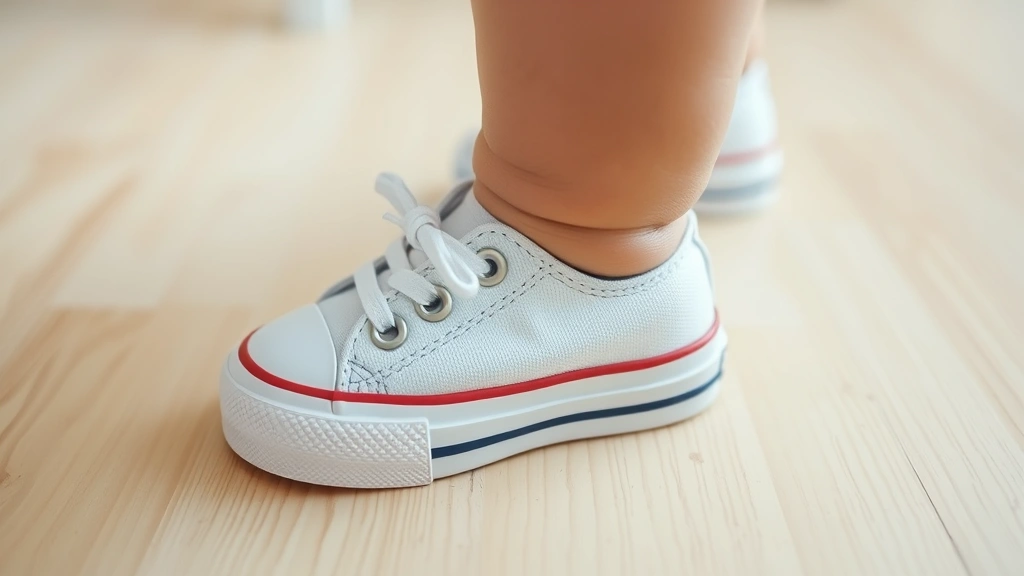
Vans, founded in 1966 in Anaheim, California, built its reputation on producing durable, stylish sneakers for skateboarders and counter-culture enthusiasts. For decades, the brand remained primarily focused on adult and older youth sizing. However, as streetwear and sneaker culture exploded in the 2000s and 2010s, parents began seeking ways to introduce their babies to the brands they loved.
The official launch of the Baby Vans line represented a strategic move by the company to capture the growing market of parents who viewed children’s fashion as an extension of their own style. Rather than creating a watered-down “baby version,” Vans maintained brand integrity while adapting their designs for the infant market. This authenticity resonated strongly with millennial and Gen Z parents who prioritized both aesthetics and functionality.
Over the years, Baby Vans have evolved to include collaborations with designers, limited-edition releases, and seasonal collections. The line has expanded far beyond basic canvas slip-ons to include high-tops, collaborations with popular characters and brands, and innovative materials. This evolution reflects the broader professionalization of children’s fashion and the recognition that babies and toddlers deserve quality footwear options.
Sizing and Fit Guide
Getting the right size in Baby Vans is crucial for both comfort and proper foot development. Vans offers sizing from newborn through toddler ranges, with most styles available in sizes that accommodate feet from about 2 inches to 5 inches in length. Understanding how to measure your baby’s feet accurately will save you from the frustration of online shopping returns.
To measure your baby’s feet properly, place them on a flat surface and trace around the outline with a pencil. Measure from the longest toe to the heel. Most experts, including resources from the American Academy of Pediatrics, recommend leaving approximately a half-inch of space between your baby’s longest toe and the end of the shoe. This allows for growth and prevents the shoe from being too tight, which can restrict circulation and interfere with development.
Baby feet grow remarkably fast—sometimes increasing a full size every two to three months during the first year. This means investing in expensive shoes isn’t always practical, but when you do choose Baby Vans, you’re getting a product that will withstand wear and potentially be passed down to younger siblings. Many parents find that buying one or two quality pairs of baby boy shoes like Baby Vans is more economical than constantly replacing cheap alternatives.
Vans sizing tends to run true to size, but it’s worth noting that their infant sizes are quite generous in the ankle area to accommodate the soft, flexible ankles of young children. If you’re between sizes, going up is generally the safer choice. The brand’s website provides detailed sizing charts broken down by age range, though remember that chronological age doesn’t always match shoe size—some babies have smaller or larger feet than their peers.
Available Styles and Colors
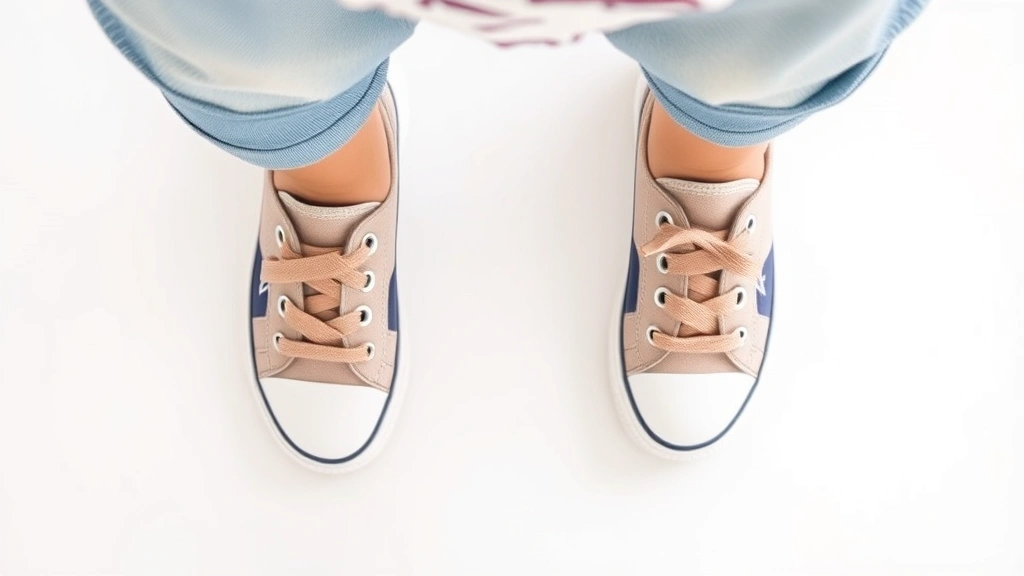
One of the most appealing aspects of Baby Vans is the incredible variety of styles available. The classic Old Skool silhouette remains the most popular choice, featuring that iconic side stripe and canvas construction. However, Vans has expanded the Baby collection to include numerous options that cater to different tastes and occasions.
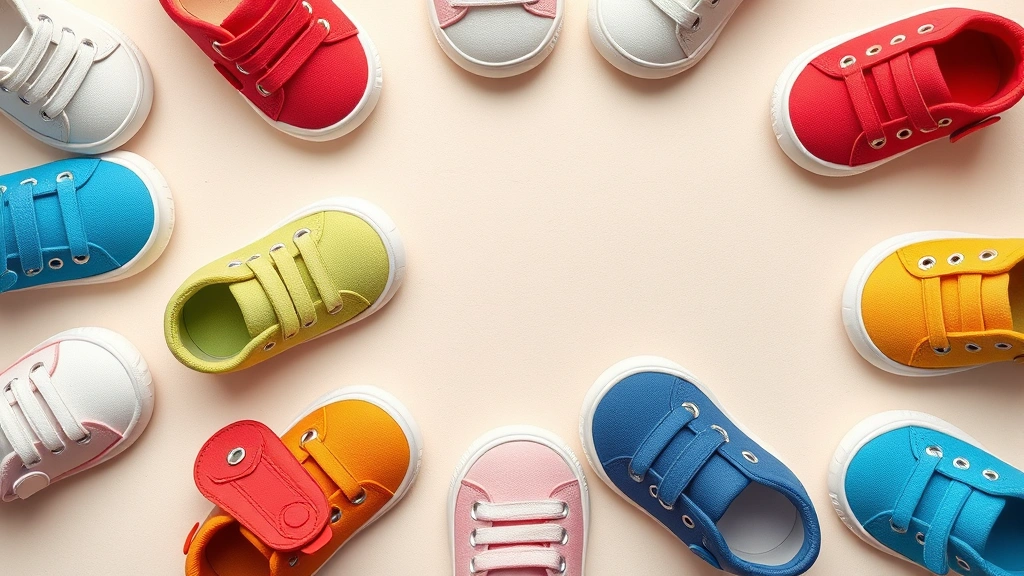
For the minimalist parent, there are timeless monochromatic options—black, white, navy, and gray—that coordinate easily with any outfit. If you prefer something more adventurous, seasonal collections feature pastels, vibrant hues, and patterns ranging from floral prints to geometric designs. The brand frequently releases limited editions and collaborations, such as partnerships with popular children’s characters or designer collections that make Baby Vans particularly sought-after among collectors.
You’ll also find variations in construction materials. Canvas remains the most popular choice for its breathability and classic aesthetic, but suede options provide a more refined look suitable for dressier occasions. High-tops versus slip-ons is another consideration—high-tops offer slightly more ankle support, though slip-ons are undeniably more convenient for quick changes and on-the-go parents. Some parents strategically mix and match, pairing baby girl dresses with elegant slip-on Vans for special occasions while keeping high-tops for everyday wear.
For parents looking for specific functionality, consider the available options carefully. If your little one is just beginning to explore walking, baby walking shoes like the high-top Baby Vans provide additional ankle stability. Alternatively, if you prefer maximum flexibility, the slip-on styles allow for the natural foot movement that many pediatricians recommend during early development stages.
Comfort and Developmental Support
Beyond aesthetics, the question of whether Baby Vans genuinely support healthy foot development is paramount. The good news is that modern Baby Vans are engineered with pediatric foot development in mind. The flexible rubber sole allows for natural foot movement and ground feel, which is essential for developing proprioception—your baby’s sense of where their body is in space.
The canvas uppers are soft and breathable, reducing the risk of moisture buildup that can lead to skin irritation. The minimal cushioning might seem like a drawback compared to heavily padded baby shoes, but research suggests that excessive cushioning can actually interfere with natural gait development. According to guidance from the CDC on child development, babies benefit from shoes that allow their feet to move naturally while providing basic protection from the environment.
Parents often express concern about whether their babies will actually keep Baby Vans on their feet. The slip-on design does present a challenge, as determined toddlers can kick them off with surprising ease. Many parents address this by choosing high-top styles or adding elasticated shoe clips designed to keep footwear secure. The good news is that even if your baby manages to remove their Vans, the soft construction means they won’t cause harm if they end up in your little one’s mouth—a genuine concern for parents of curious babies.
The ankle support provided by Baby Vans is moderate rather than extreme. For babies with specific orthopedic concerns or developmental delays, you may want to consult with your pediatrician or a pediatric podiatrist about whether Baby Vans are appropriate or whether specialized orthopedic shoes would be more beneficial. For typically developing babies, however, Baby Vans provide adequate support while maintaining the flexibility that promotes healthy development.
Care and Maintenance
Baby Vans are surprisingly durable, but proper care extends their lifespan significantly—especially important when you consider passing them to younger siblings. Canvas Vans can be cleaned with a soft brush and mild soap solution. For stubborn stains, a magic eraser works wonders without damaging the fabric. Allow them to air dry completely; machine washing and high heat can damage the adhesives and materials.
For suede Baby Vans, use a specialized suede brush and suede cleaner to maintain the texture and appearance. Never submerge suede in water, as this can cause permanent damage. Store your Baby Vans in a cool, dry place away from direct sunlight, which can fade colors over time. If you’re planning to hand them down, proper storage in acid-free tissue paper helps prevent yellowing and material degradation.
Odor management is another practical consideration. Babies sweat, and shoes can develop an unpleasant smell. Sprinkling baking soda inside the shoes overnight helps absorb odors. You can also place them in the freezer for a few hours—the cold kills odor-causing bacteria. Cedar shoe inserts are another option, though make sure they’re baby-safe and securely fastened so they don’t become a choking hazard.
One often-overlooked maintenance task is checking the insoles regularly. As your baby grows, their feet may develop blisters or show signs of discomfort if the insole has compressed. Replacing the insole with a new one can extend the shoe’s comfortable wearing period. Some parents invest in custom insoles for additional arch support, though this is typically unnecessary for typically developing babies.
Price and Value Proposition
Baby Vans typically retail between $35 and $60 depending on the style and whether they’re part of a special collaboration. For context, this places them in the mid-to-premium range of baby footwear. A pair of basic baby shoes might cost $15-$25, while high-end designer baby shoes can exceed $100. So where do Baby Vans fit in the value equation?
The primary value proposition lies in durability and timelessness. Baby Vans hold up remarkably well to the wear and tear of active toddlers. The canvas and rubber construction resists damage from typical childhood activities—dirt, minor spills, and constant movement. Unlike cheaper alternatives that fall apart after a few months, Baby Vans maintain their integrity through extensive use and can be successfully passed down to younger siblings or cousins.
From a fashion perspective, Baby Vans offer instant credibility. Parents appreciate that their babies look genuinely stylish rather than dressed in typical “baby brand” clothing. This psychological value shouldn’t be underestimated—there’s genuine satisfaction in dressing your child in clothes and accessories that reflect your own aesthetic preferences. For parents who value design and quality, Baby Vans represent a reasonable investment.
Consider also the versatility factor. A pair of classic black or white Baby Vans coordinates with virtually every outfit in your baby’s wardrobe. You’re not limited to specific color palettes or styles the way you might be with more specialized footwear. This versatility means you actually get extended wear from each pair, amortizing the cost across numerous outfits and occasions.
That said, if budget is a significant constraint, Baby Vans may not be the most practical choice. Your baby’s feet are growing rapidly, and expensive shoes may only fit for a few months. Some parents adopt a hybrid approach: investing in one pair of Baby Vans for special occasions and photos while choosing more budget-friendly options for everyday wear. Others prioritize quality from the start, viewing it as an investment in both durability and their child’s style foundation.
When to Consider Alternatives
While Baby Vans are excellent, they’re not the perfect choice for every situation or every family. Understanding when alternatives might be more appropriate helps you make informed decisions about your baby’s footwear collection. If your baby has specific foot structure concerns, such as flat feet or high arches, consulting with a pediatric podiatrist might lead you toward orthopedic options designed to address these issues. Baby Vans, while supportive, aren’t corrective shoes.
For babies in the earliest months who spend most time in carriers and strollers, investing in expensive shoes may not make sense. Soft booties or socks provide adequate foot protection and allow for unrestricted movement. Speaking of baby booties, they’re an excellent option for newborns and very young infants who aren’t yet mobile. As your baby begins to crawl and eventually walk, transitioning to Baby Vans or similar supportive shoes becomes more relevant.
Seasonal considerations matter too. During winter months, insulated, waterproof boots might be more practical than canvas Baby Vans. Baby hats and winter accessories work best when paired with footwear designed for cold weather protection. Conversely, during summer, breathable sandals or bare feet might be preferable. Having a varied footwear collection ensures your baby is appropriately shod for different seasons and activities.
If you’re searching for baby shower gift ideas, Baby Vans are an excellent choice for fashion-forward parents, but consider whether the recipient family has specific preferences or needs. Some parents prioritize function over fashion, and a gift certificate allowing them to choose their preferred baby footwear might be more appreciated than a specific style.
Frequently Asked Questions
At what age can babies wear Baby Vans?
Baby Vans are available in sizes that fit newborns through toddlers, typically up to size 6 or 7. However, the practical wearing age depends on your baby’s development. Newborns and very young infants who aren’t yet mobile may be more comfortable in soft booties. As babies begin to crawl and explore, Baby Vans become more practical. Most parents start considering Baby Vans around 6-9 months when their babies are becoming more mobile.
Are Baby Vans good for first walkers?
Baby Vans can be appropriate for beginning walkers, particularly the high-top styles which provide additional ankle support. However, many pediatricians recommend allowing babies to walk barefoot or in socks indoors to develop natural balance and proprioception. When shoes are necessary, flexible options like Baby Vans are preferable to rigid, heavily cushioned alternatives. Consult your pediatrician if your child has specific balance or gait concerns.
How do I prevent Baby Vans from falling off?
Slip-on Baby Vans can be challenging to keep on active babies. Several solutions exist: choosing high-top styles instead, using elastic shoe clips or laces designed for baby shoes, or opting for the lace-up versions if available in your preferred style. Some parents accept that their babies will kick off their shoes and simply keep a backup pair in the diaper bag.
Can Baby Vans be machine washed?
Machine washing isn’t recommended for Baby Vans, as it can damage the adhesives and materials. Instead, hand clean them with a soft brush and mild soap solution. Spot cleaning with a magic eraser works well for stubborn stains. Always air dry completely before storing.
Are Baby Vans worth the investment?
This depends on your priorities and budget. Baby Vans are durable, stylish, and versatile—excellent if you value quality and aesthetics. They’re also suitable for passing down to younger siblings. However, if budget is tight or your baby is in a rapid growth phase, more affordable alternatives may be more practical. Consider your family’s needs and financial situation when deciding.
Do Baby Vans run true to size?
Yes, Baby Vans typically run true to size. However, their ankle area is generously sized to accommodate the soft, flexible ankles of young children. If you’re between sizes, going up is usually the safer choice. Always refer to the brand’s sizing chart and measure your baby’s feet accurately before purchasing online.
What’s the difference between Baby Vans and regular baby shoes?
The primary differences are brand heritage, durability, and aesthetic. Baby Vans maintain the iconic Vans design while being engineered for infant feet. They’re built to last through extensive use and multiple children. Regular baby shoes vary widely in quality and design. Baby Vans offer a consistent, recognizable product that appeals to parents who value both style and substance.