Are Baby Walking Shoes Necessary? Expert Insights on What Your Little One Actually Needs
The moment your baby takes those first wobbly steps, you’re faced with an avalanche of decisions. And somewhere in that chaos, someone—probably a well-meaning relative or an enthusiastic sales associate—asks: “Have you got proper walking shoes for the baby?” It’s a question that sends many parents spiraling into research mode, wondering if they’re somehow compromising their child’s development by not investing in specialized footwear.
Here’s the truth: the baby shoe industry has done an exceptional job marketing necessity where there often isn’t any. But that doesn’t mean all baby walking shoes are unnecessary. The real answer? It’s nuanced, and it depends on your specific situation, your child’s development stage, and what you’re actually trying to accomplish.
Let’s untangle this together and look at what pediatricians, podiatrists, and child development experts actually say about whether your baby needs walking shoes—and more importantly, what really matters for healthy foot development.
The Barefoot Advantage: Why Less Is Sometimes More
Let’s start with what the research actually shows. The American Academy of Pediatrics has long supported barefoot play as beneficial for young children’s development. When babies are barefoot, their feet can move freely, their toes can spread naturally, and they develop the intrinsic foot muscles that provide crucial support and balance.
Think of barefoot time like strength training for your baby’s feet. Every time they grip the ground with their toes, feel different textures, or adjust their balance on an uneven surface, they’re building neural pathways and muscular strength that will serve them for life. This is particularly important during the critical window between 12 and 24 months when most babies are taking their first independent steps.
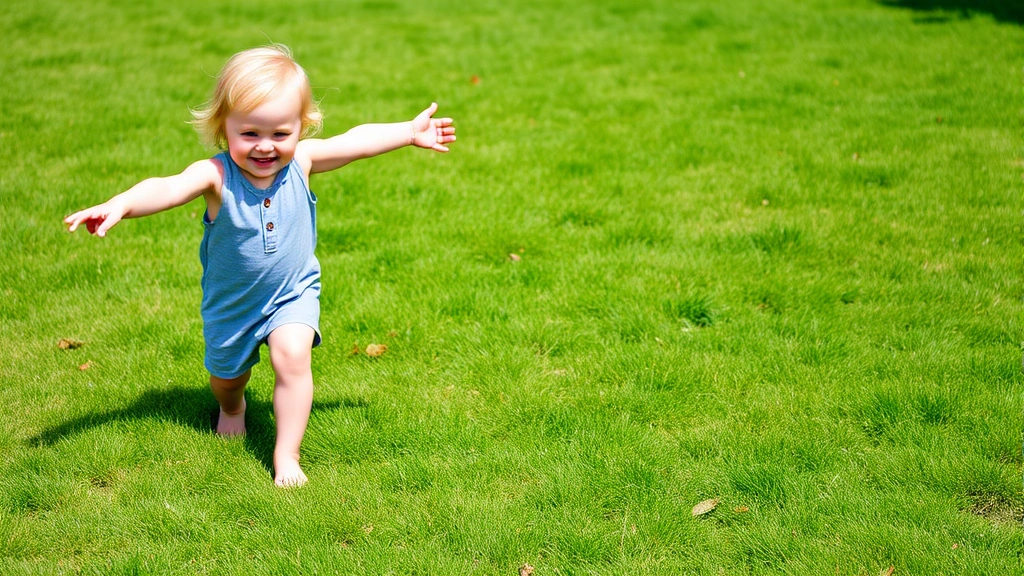
Indoor barefoot play on safe surfaces—hardwood floors, carpeting, clean tile—is genuinely one of the best things you can do for your baby’s foot development. It’s free, it’s accessible, and it actually works better than any specialized shoe could. Your baby learns proprioception (where their body is in space) more effectively without the barrier between their feet and the ground.
Studies have shown that children who spend significant time barefoot develop stronger arches, better balance, and fewer foot problems later in life compared to children who are always shod. One comprehensive look at baby boy shoes options shows that many parents are moving away from constant shoe-wearing in favor of strategic barefoot time.

When Walking Shoes Actually Make Sense
Now, before you donate every tiny shoe in your baby’s closet, let’s talk about when footwear genuinely serves a purpose.
Outdoor Protection: This is the big one. When your baby is walking on rough pavement, gravel, grass with hidden hazards, or any environment where their delicate feet need protection from sharp objects, temperature extremes, or dirt, shoes become practical. You’re not using them to “train” the foot—you’re using them as protective gear, like a helmet for cycling.
Weather and Temperature Regulation: Tiny feet lose heat rapidly. In cold climates, shoes and socks aren’t optional; they’re necessary for your baby’s safety and comfort. Similarly, in extremely hot environments where ground temperatures become dangerous, footwear provides essential protection.
Social and Practical Situations: Some childcare centers require shoes. Some family events or formal occasions call for them. Some parents simply prefer the convenience and containment that shoes provide when they’re out and about. These aren’t developmental reasons, but they’re legitimate practical ones.
Foot Issues or Developmental Concerns: If your pediatrician or a podiatrist has identified a specific foot problem—such as severe flat feet, toe walking that persists past 24 months, or other structural concerns—specialized shoes or orthotics might be recommended. These are legitimate medical situations, not vanity purchases.
The key distinction: shoes for protection and practical purposes are different from shoes marketed as “developmental” or “necessary for learning to walk.” Your baby doesn’t need the latter.
How to Choose the Right Shoe (If You Decide to Buy)
If you’ve determined that your situation calls for baby walking shoes, here’s how to choose wisely without falling into the marketing trap.
Flexibility Is Everything: A good baby shoe bends easily at the ball of the foot and has a flexible sole. You should be able to bend it in half with minimal resistance. Rigid shoes restrict natural foot movement and can actually interfere with proper development. Test this before buying.
Proper Fit Matters More Than You Think: Babies’ feet grow at an astonishing rate—sometimes a full size every two to three months. Shoes that fit perfectly today will be cramped in weeks. Leave about a thumb’s width of space between your baby’s longest toe and the end of the shoe. Have their feet measured professionally; don’t guess based on previous sizes.
Lightweight Construction: Heavy shoes tire babies out and make walking more difficult. The shoe should feel like barely-there protection, not a constraint. This is why those tiny leather sneakers often outperform bulky options.
Breathability: Soft, breathable materials keep feet healthy and comfortable. Mesh uppers, leather, and natural fabrics are better than synthetic materials that trap moisture.
Minimal Support Cushioning: Contrary to marketing claims, babies don’t need arch support or orthopedic cushioning in their shoes. Their feet are naturally more flexible than adult feet, and excessive cushioning can actually interfere with sensory feedback and natural development. Simple, minimal padding is ideal.
When shopping for baby girl clothes and accessories, remember that style is fun but shouldn’t compromise function. The most expensive, Instagram-worthy shoe isn’t the best shoe—the one that fits properly and allows natural movement is.

Debunking Common Baby Shoe Myths
Myth 1: “Babies need shoes to learn to walk properly.”
Reality: Babies learn to walk through practice and exploration. Their nervous system develops through sensory feedback from their feet. Shoes don’t teach walking; they sometimes hinder it. Barefoot practice is actually superior for learning.
Myth 2: “Shoes provide necessary arch support.”
Reality: Babies and toddlers have naturally flat feet with fatty pads in their arches. This is completely normal and healthy. Their arches will develop naturally over time. Artificial arch support isn’t needed and can be counterproductive.
Myth 3: “Expensive shoes are better for development.”
Reality: Price tag has nothing to do with developmental benefit. A $15 flexible shoe serves the protective purpose just as well as a $150 designer option. Marketing budgets, not foot science, drive luxury baby shoe prices.
Myth 4: “Once you start using shoes, you need them always.”
Reality: There’s no transition period required. You can mix barefoot time and shoe time freely. In fact, this combination is ideal—barefoot time for development, shoes for protection when needed.
Myth 5: “Certain shoe brands are scientifically superior.”
Reality: While some brands prioritize flexibility and quality construction, no brand has a monopoly on foot health. What matters is the shoe’s actual characteristics—flexibility, fit, breathability—not the label.
Baby Shoe Needs by Developmental Stage
Pre-Walking (0-12 months): Shoes are purely optional and primarily serve aesthetic or warmth purposes. Barefoot time is wonderful for sensory development. If you use shoes, keep them minimal and ensure they’re not restricting movement.
Early Walkers (12-18 months): This is peak barefoot time indoors. Your baby is developing crucial balance and proprioception. Shoes are great for outdoor protection and temperature regulation, but prioritize barefoot practice on safe indoor surfaces. Consider baby uggs or similar warm options only if you’re in a cold climate and need the insulation.
Confident Walkers (18-24 months): Your baby’s gait is becoming more stable. Barefoot time remains beneficial, but shoes for outdoor exploration are practical and appropriate. This is when shoe quality starts to matter more because your baby is covering more distance and encountering varied terrain.
Toddlers (24+ months): By this point, your child’s basic foot development is well underway. Shoes become more about protection and practicality than development. However, barefoot time—especially on varied terrain like grass, sand, or soft ground—remains valuable for ongoing proprioceptive and vestibular development.
A Practical Guide for Real Parents
You’re probably reading this because you’re trying to make the right decision for your specific baby, in your specific circumstances. Let’s make this practical.
The Ideal Scenario: Maximum barefoot time indoors on clean, safe surfaces. Protective shoes for outdoor exploration and temperature regulation. This combination gives your baby both the developmental benefits of barefoot play and the practical protection they need.
If You’re Focused on Development: Prioritize barefoot time. Invest your money and attention there instead of expensive shoes. Create a safe space—a clean playroom, soft carpet, or enclosed outdoor area—where your baby can practice walking barefoot regularly. This is genuinely more important than any shoe purchase.
If Shoes Are Required (Childcare, Climate, etc.): Choose flexible, breathable options that fit properly. Don’t overspend. A well-fitting $30 shoe is better than an uncomfortable $200 one. Have feet measured professionally and check fit monthly as babies grow rapidly.
If You’re a New Parent Feeling Overwhelmed: You’re not behind if your baby isn’t wearing designer shoes. You’re not damaging their development by going barefoot indoors. Check out parenting advice for new parents to remember that the basics—safe environment, lots of practice, responsive care—matter far more than gear.
Understanding the importance of early childhood education includes recognizing that development happens through exploration and practice, not through specialized equipment. Your baby learns to walk by walking, not by wearing particular shoes.
For dads specifically navigating these decisions, essential tips for new dads provide guidance on fatherhood that includes letting go of unnecessary gear anxiety and focusing on what actually matters.
The Bottom Line: Baby walking shoes aren’t necessary for healthy development. What’s necessary is safe space to practice, encouragement to explore, and protection from genuine hazards. Shoes can serve that protective function beautifully—but they’re not magical developmental tools, and you don’t need expensive ones.
Your baby’s feet are remarkable little structures that will develop beautifully with or without branded footwear. The fact that you’re asking these questions means you’re already thinking carefully about your baby’s wellbeing. That thoughtfulness matters far more than shoe shopping.
Frequently Asked Questions
At what age should babies start wearing shoes?
There’s no specific age requirement. Many pediatricians suggest introducing shoes around the time babies start walking (typically 12-18 months), but this is more about practicality than necessity. Barefoot time is equally—or more—beneficial for development at this stage.
Can shoes harm my baby’s foot development?
Restrictive, poorly-fitting, or overly-cushioned shoes can interfere with natural development. However, flexible, properly-fitting shoes used occasionally for protection won’t cause harm. The risk comes from constant use of poor-quality shoes, not from appropriate shoe use.
Why do some podiatrists recommend specific baby shoes?
When a podiatrist recommends shoes, it’s usually for a specific reason: addressing a foot problem, providing necessary support for a structural issue, or accommodating a medical concern. This is different from general recommendations for healthy foot development. If your pediatrician or podiatrist recommends specific shoes, follow that guidance.
Are expensive baby shoes worth the investment?
For general development and protection, no. A $30 flexible shoe serves the same purpose as a $150 designer version. Expensive shoes may use nicer materials or construction, which can mean longer durability if you’re passing them down to multiple children. Otherwise, price doesn’t correlate with foot health benefits.
How do I know if my baby’s shoes fit properly?
There should be about a thumb’s width of space between your baby’s longest toe and the end of the shoe. The shoe should bend easily at the ball of the foot. Your baby should be able to wiggle their toes freely. Have feet measured every few months since babies grow rapidly.
Is barefoot time safe for babies?
Absolutely, on clean, safe surfaces. Ensure the area is free from choking hazards, sharp objects, and hazardous materials. Barefoot time on grass, sand, carpet, and hardwood floors is not only safe but developmentally beneficial.
What about toe-walking? Does this indicate a shoe problem?
Occasional toe-walking is normal and common in toddlers learning to walk. Persistent toe-walking past 24-30 months might warrant a conversation with your pediatrician, but this isn’t typically a shoe issue. If there’s concern, a professional evaluation is more helpful than specific footwear.
Should I buy multiple pairs of shoes for different occasions?
For most families, one or two pairs of well-fitting, flexible shoes for outdoor use is sufficient. You don’t need specialized shoes for different activities. A basic, quality shoe works for playing, outings, and most situations.