Is Baby Water Necessary? Expert Insights on Hydration for Infants
The question of whether your baby needs water is one that crosses nearly every new parent’s mind at some point. You’ve probably noticed those tiny bottles of purified water marketed specifically for babies, complete with reassuring labels and premium pricing. But here’s the thing—the answer isn’t as straightforward as the marketing suggests, and it’s definitely worth understanding before you stock your pantry.
Infant hydration is genuinely important, but the specifics matter tremendously. The difference between what babies actually need and what clever branding convinces us they need can save you money, confusion, and unnecessary worry. Let’s dive into what the evidence actually tells us about baby water and hydration during those crucial first months and years.
Understanding your baby’s water needs isn’t just about quenching thirst—it’s about supporting their development, preventing complications, and making informed choices that work for your family’s situation. Whether you’re exclusively breastfeeding, formula feeding, or doing both, the hydration picture changes significantly.
Newborn Hydration: What Actually Happens
During those first few days of life, your newborn’s hydration needs are met through colostrum and early breast milk or formula. Newborns are actually born with extra fluid in their bodies—something called physiological weight loss—and they naturally lose about 7-10% of their birth weight in the first week. This isn’t alarming; it’s completely normal.
Here’s what’s crucial: newborns do not need supplemental water. Not in the first six months if they’re getting adequate breast milk or formula. This isn’t just a preference—it’s supported by major health organizations including the American Academy of Pediatrics. Giving water to young infants can actually dilute their electrolytes and interfere with proper nutrition absorption.
The reason is elegant in its simplicity: breast milk and infant formula are approximately 87-90% water already. When your baby nurses or takes a bottle, they’re getting hydration along with essential nutrients. Adding extra water disrupts the careful balance they need for healthy development.
Many parents worry their baby seems thirsty, especially during hot weather or when the baby seems particularly fussy. But fussiness rarely indicates thirst in a newborn. Hunger, discomfort, tiredness, and overstimulation are far more common culprits. If you’re concerned about your baby’s hydration status, the real indicators are wet diapers (six to eight per day after the first week) and consistent weight gain.
Breastfed Babies and Water
Breastfed babies have it figured out. The beauty of breast milk is its dynamic composition—it changes throughout the day and adapts to your baby’s needs. The first milk your baby receives during a feeding (foremilk) is more watery and quenches thirst, while the later milk (hindmilk) is richer and more calorie-dense.
Your exclusively breastfed baby needs absolutely nothing but breast milk for the first six months of life. No water, no juice, no other liquids. This recommendation comes from the WHO, UNICEF, and pediatric organizations worldwide. The breast milk supply naturally adjusts to your baby’s needs—more frequent feeds in hot weather, for instance, naturally increase the watery foremilk your baby receives.
That said, the one exception involves certain medical situations. Babies with severe dehydration from illness, or those born in extremely hot climates with no access to shade, might require medical intervention. But these are exceptional circumstances requiring professional guidance, not routine situations.
If you’re breastfeeding and considering introducing baby care products or other items, remember that hydration remains straightforward—breast milk covers it entirely.

Formula-Fed Babies: Water Considerations
Formula feeding introduces more nuance to the water conversation. Infant formula requires water to prepare it safely, but this is preparation water, not supplemental water for your baby.
When you mix formula, you’re using water as the medium to deliver the nutrients. The type of water matters here. The CDC recommends using water that’s been boiled and cooled for babies under three months old, or water that’s been treated through reverse osmosis. If your tap water quality is uncertain, or if you live in an area with known contamination issues, bottled water specifically prepared for infant formula is appropriate.
However—and this is important—the water you use to prepare formula is different from giving your baby water to drink. Once formula is prepared and your baby drinks it, they’re getting the complete nutritional package. You still shouldn’t give additional water to a formula-fed baby under six months old.
The reasoning mirrors breastfeeding: formula is designed to be a complete food and hydration source. Extra water can cause a dangerous condition called water intoxication or hyponatremia, where the baby’s sodium levels become dangerously diluted. While rare, it’s serious enough that pediatricians universally recommend against it.
If you’re choosing between different feeding options, exploring quality feeding equipment can help ensure safe formula preparation and feeding practices.
After Six Months: When Water Becomes Relevant
Everything changes around the six-month mark. This is when babies typically begin eating solid foods, and water finally becomes appropriate to introduce.
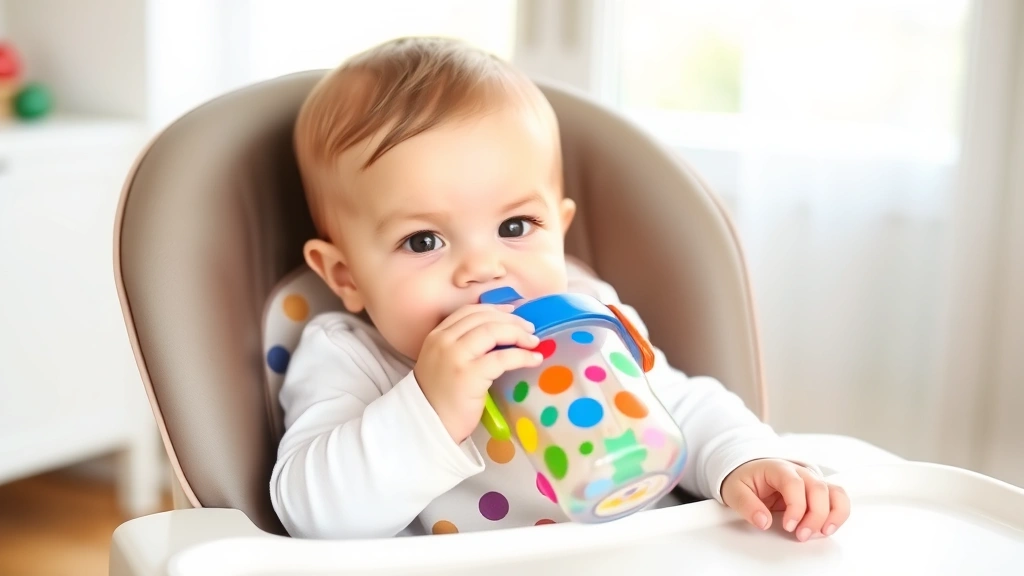
At this stage, you can offer small amounts of water—maybe a few sips from a sippy cup or open cup during meals. The amount is tiny, usually just an ounce or two. The primary purpose isn’t hydration (breast milk or formula still provides that), but rather helping your baby learn to drink from a cup and introducing the concept of water as a beverage.
Some babies are enthusiastic about water; others show zero interest. Both responses are perfectly normal. There’s no requirement that your baby drink a specific amount of water at this stage. If they’re still getting adequate breast milk or formula, plus eating solid foods that contain water (fruits, vegetables, yogurt), their hydration needs are covered.
By around nine to twelve months, as solid food intake increases and milk intake gradually decreases, water becomes more important nutritionally. But we’re still talking about modest amounts—not liters per day.
Water Safety and Quality Concerns
When water does become part of your baby’s diet, safety becomes paramount. The concern isn’t water itself, but what might be in it.
Tap water quality varies significantly by location. Some municipal water systems are excellent; others have documented issues with lead, bacteria, or other contaminants. The CDC provides resources for checking your local water quality. If you have concerns, a simple water test can reveal whether treatment is necessary.
Bottled water marketed for babies is heavily filtered and tested, making it a safe choice if you’re uncertain about your tap water. However, it’s not necessarily superior to properly treated tap water, and it’s significantly more expensive. A home filtration system or boiling water (for babies under three months when preparing formula) are cost-effective alternatives.
Well water requires particular attention. If your home uses a well, have it tested professionally before using it for baby formula or drinking water. Well water isn’t regularly monitored like municipal systems, and contamination can occur without obvious signs.
Fluoride is another consideration. Most municipal water contains fluoridated water to support dental health. For babies under six months, the American Academy of Pediatrics notes that using non-fluoridated water for formula preparation is recommended to prevent dental fluorosis. Once your child is older and can spit out toothpaste, fluoride exposure becomes less concerning.
Common Baby Water Myths Debunked
Myth: Babies need water to stay hydrated. False. Breast milk and formula provide complete hydration for babies under six months. Water is unnecessary and potentially harmful before this age.
Myth: You should give water during hot weather. False. In fact, extra water in hot weather is particularly risky. More frequent breastfeeding naturally increases the watery foremilk your baby receives. Formula-fed babies maintain hydration through their regular feeds.
Myth: Special baby water is essential. Partially false. Regular water that’s safe for your family is fine for babies over six months. Baby water is safe but not inherently better than filtered tap water, though it can be convenient for travel or if you have water quality concerns.
Myth: If your baby seems thirsty, give water. Misleading. Young babies can’t communicate thirst the way older children do. Fussiness usually means something else. Trust wet diapers and weight gain as your hydration indicators.
Myth: A few sips of water won’t hurt. Technically true for older babies, but it’s still unnecessary before six months and genuinely risky for very young infants. The risks, while uncommon, aren’t worth it.
Practical Guide for Parents
For Breastfeeding Parents (0-6 months): Offer breast milk on demand. That’s it. Don’t introduce water, juice, or other liquids. If you’re traveling or in unusual circumstances and have concerns about your baby’s hydration, contact your pediatrician rather than guessing.
For Formula-Feeding Parents (0-6 months): Use safe water to prepare formula according to package directions. If you’re uncertain about your water quality, boil and cool tap water, use reverse osmosis treated water, or use bottled water specifically prepared for infant formula. Don’t give additional water beyond what’s in the prepared formula.
For All Parents (6+ months): You can introduce water when starting solid foods. Offer small amounts (a few ounces) in a sippy cup during meals. Don’t stress if your baby isn’t interested. Continue breast milk or formula as the primary source of hydration. When preparing a homemade baby food, water quality matters—use safe water just as you would for formula.
For Travel: Bottled water designed for babies is convenient when you’re away from home, even though it’s not strictly necessary. For traveling with babies, having portable water sources can simplify logistics.
When Planning Celebrations: If you’re planning baby shower food or other celebrations where babies will be present, remember that infant guests under six months need nothing but breast milk or formula. Don’t feel obligated to provide water or other beverages for very young babies.
General Rule: Before six months, hydration comes from breast milk or formula. After six months, water can be introduced gradually but remains secondary to milk feeds. By 12 months, as milk intake decreases, water becomes more important. By toddlerhood, regular water intake is part of normal nutrition.
Frequently Asked Questions
Is boiled water safe for babies?
Yes, boiled and cooled water is safe for babies when used to prepare formula or given to babies over six months. Boiling kills bacteria and removes some contaminants. However, it doesn’t remove all substances (like lead or certain chemicals), so it’s most effective when your tap water quality is generally good. For babies under three months, the CDC recommends boiled water for formula preparation as an extra precaution.
Can I give my three-month-old water?
No. At three months old, your baby should receive only breast milk or formula. Water is unnecessary and carries risks of water intoxication. Wait until around six months when solid foods are introduced.
What if my baby refuses formula unless I add water?
This is unusual and worth discussing with your pediatrician. Babies typically accept properly prepared formula. Adding water dilutes the nutrition and isn’t the solution. Your pediatrician can help troubleshoot what might be causing the refusal—temperature sensitivity, bottle preference, or other factors.
Is fluorinated water safe for babies?
Fluorinated municipal water is safe for babies over six months. For babies under six months, particularly those exclusively on formula, non-fluoridated water for formula preparation is recommended to minimize fluorosis risk (a cosmetic dental issue). Once your child is old enough to spit out toothpaste, fluoride exposure is less concerning.
Should I use distilled water for my baby?
Distilled water has had minerals removed, which isn’t ideal for babies who need minerals for development. Filtered tap water or bottled water designed for babies is a better choice. Distilled water is fine for occasional use but shouldn’t be the primary water source.
What about water in baby food?
Water used to prepare homemade baby food should meet the same safety standards as water for formula preparation or drinking. If your tap water is safe for your family, it’s safe for baby food. If you have concerns, use filtered or bottled water.
Can water cause constipation in babies?
Water doesn’t cause constipation in babies getting adequate breast milk or formula. However, the introduction of solid foods (which happens around the same time water is introduced) can sometimes cause constipation. If your baby seems constipated, focus on adequate milk intake and age-appropriate solid foods rather than assuming water is the culprit.
Is there a difference between baby water and regular bottled water?
Baby water is typically more heavily filtered and tested for purity. Regular bottled water is also safe but may have fewer filtration steps. For babies over six months, either is fine. The marketing difference is more significant than the actual difference in safety.