Is Baby Yogurt Healthy? A Parent’s Guide to Creamy, Nutritious Choices
The grocery store aisle dedicated to baby foods can feel overwhelming. Rows upon rows of colorful pouches, squeezable tubes, and tiny cups promise nutrition, convenience, and developmental benefits. Among these options, baby yogurt stands out as a particularly popular choice for parents seeking to introduce dairy into their infant’s diet. But here’s the real question: Is it actually as healthy as the marketing suggests, or are we falling for clever packaging and strategic positioning?
The truth about baby yogurt is more nuanced than a simple yes or no. While yogurt can absolutely be a nutritious addition to your little one’s diet, not all yogurt products are created equal. Some are packed with added sugars that rival desserts, while others are genuinely beneficial sources of protein, calcium, and probiotics. Understanding the differences between these options is crucial for making informed decisions that support your child’s long-term health and taste preferences.
Let’s dive into what you actually need to know about baby yogurt—beyond the cute packaging and celebrity endorsements—so you can confidently decide what belongs on your baby’s high chair tray.
Nutritional Benefits of Yogurt for Babies
Yogurt isn’t just a trendy baby food—it’s genuinely nutritious when you choose the right kind. The fermented dairy product offers several legitimate health benefits that make it worth considering as part of your baby’s diet.
First, there’s the protein content. Babies need adequate protein for muscle development, immune function, and overall growth. A single serving of plain yogurt can provide 3-4 grams of protein, which is meaningful for tiny bodies still building their foundations. This is particularly valuable if you’re introducing your baby to solid foods and want to ensure they’re getting complete nutrition from multiple sources.
Then there’s calcium and vitamin D, both essential for bone development. Your baby’s bones are rapidly mineralizing during infancy and toddlerhood, and dairy products like yogurt contribute meaningfully to this process. The combination of calcium with vitamin D helps your child’s body actually absorb and utilize that calcium effectively—it’s not just about the mineral itself, but about bioavailability.
Perhaps most intriguingly, yogurt contains probiotics—beneficial bacteria that support digestive health. Your baby’s gut microbiome is still developing, and introducing beneficial bacteria can support healthy digestion, potentially reduce constipation, and even contribute to immune system development. Research from the American Academy of Pediatrics has explored the role of probiotics in infant nutrition, though the evidence is still evolving.
Yogurt also contains B vitamins, particularly B12, which is crucial for nervous system development and energy metabolism. For babies whose diets might otherwise be limited in variety, these nutrients matter.
When Can Babies Start Eating Yogurt?
The timing question matters more than many parents realize. Most babies can begin eating yogurt around 6 months of age, right around the time they’re developmentally ready for other solid foods. However, the specifics depend on your individual baby’s readiness and your pediatrician’s recommendations.
The reason yogurt is generally safe earlier than whole milk is an important distinction. While babies under 12 months shouldn’t have cow’s milk as a primary beverage (the proteins and minerals are too concentrated for their kidneys to process safely), yogurt is fermented. This fermentation process breaks down the lactose and modifies the proteins, making it gentler on immature digestive systems. The bacterial cultures essentially do some of the digestive work for your baby, which is why yogurt is often more tolerable than milk itself.
That said, start with small amounts—just a teaspoon or two at first. Watch for any signs of digestive upset or allergic reaction over the next few days. Most babies tolerate yogurt beautifully, but introducing any new food gradually is simply good practice.
If your baby has a family history of dairy allergies or if your pediatrician has expressed concerns about cow’s milk protein sensitivity, discuss yogurt specifically before introducing it. Some babies who struggle with milk might still tolerate yogurt, but it’s worth a professional conversation.
The Hidden Sugar Problem
Here’s where the baby yogurt market becomes genuinely problematic: many commercial baby yogurts contain shocking amounts of added sugar. We’re talking about products marketed as healthy nutrition that contain more sugar per serving than a chocolate chip cookie.
Let’s be specific. A typical 3.5-ounce serving of flavored baby yogurt might contain 7-12 grams of sugar. For context, the American Heart Association recommends that children ages 2-18 consume no more than 6 teaspoons (25 grams) of added sugar per day. A single yogurt cup could represent nearly half of that daily allowance before your baby has eaten anything else.
The problem extends beyond the number itself. Early exposure to very sweet foods trains developing taste preferences. Babies whose first yogurt experiences are fruit-flavored and intensely sweet may develop a preference for sweet foods that follows them into childhood and beyond. You’re essentially programming their palate during a critical developmental window.
Additionally, that added sugar feeds harmful bacteria in the mouth and contributes to early childhood caries (cavities), even in babies with just a few emerging teeth. The sugar also provides empty calories without the satiety that whole foods provide, potentially contributing to overconsumption.
The frustrating part? Plain yogurt tastes perfectly fine to babies. They don’t need the added fruit juice concentrate, corn syrup, or other sweeteners manufacturers include. That sweetening is entirely for marketing purposes—making the product more appealing to parents who assume sweet equals appealing to children.
Store-Bought vs. Homemade Options
You have legitimate options here, and each has practical advantages and disadvantages worth considering for your family’s situation.
Store-bought baby yogurts offer undeniable convenience. They’re portion-controlled, require no preparation, travel easily, and require no equipment or planning. For busy parents or those without kitchen access, they’re genuinely valuable. The key is reading labels obsessively and choosing brands that prioritize plain yogurt or yogurt with minimal added ingredients. Some reputable brands do make genuinely low-sugar options, though you’ll pay a premium for them.
Regular plain yogurt from the grocery store (not specifically marketed as “baby yogurt”) is often an excellent middle ground. Most plain Greek yogurts or regular plain yogurts contain zero added sugar and offer superior protein content compared to baby-specific brands. You simply spoon a small amount into a bowl—no special equipment needed. The thickness of Greek yogurt actually works beautifully for babies learning to self-feed, as it sticks to a pre-loaded spoon better than thinner yogurt.
If you’re interested in making your own yogurt, a baby food maker can help with batch preparation and storage, though you don’t strictly need special equipment. Homemade yogurt gives you complete control over ingredients, costs significantly less per serving, and allows you to avoid any additives whatsoever. The tradeoff is that it requires planning ahead—you need to make yogurt 8-12 hours before you want to serve it. For parents who enjoy cooking and meal preparation, this is manageable. For others, it’s simply not realistic.
A practical approach many parents find successful: keep plain yogurt from the regular grocery store as your primary option, supplement with store-bought baby yogurt on busy days when you haven’t prepped, and consider making your own if you have the time and interest.
Making the Best Choices for Your Baby
When you’re standing in the yogurt aisle trying to decode labels, here’s what actually matters:
Read the nutrition label first, not the marketing claims. “Natural,” “organic,” and “made with real fruit” tell you nothing about sugar content. The only information that matters is grams of sugar per serving and the ingredient list. If you see added sugars listed (corn syrup, fruit juice concentrate, honey, cane sugar, etc.), that’s a product to skip.
Choose plain yogurt and add your own mix-ins at home. This might sound like extra work, but it takes thirty seconds. Mash a tiny bit of banana into plain yogurt, or mix in a few pureed berries. You control the ratio and the sweetness level, and your baby learns that yogurt is a neutral base, not an inherently sweet food. This approach also works beautifully if you’ve made baby oatmeal or other purees—you can combine them creatively.
Consider full-fat yogurt for children under age 2. Babies need fat for brain development, and low-fat or non-fat yogurts remove the most nutritious part of the product. Full-fat yogurt also tends to be more satisfying and keeps babies fuller longer, which matters when they’re still learning about food and hunger cues.
Look for live and active cultures on the label. This indicates the yogurt contains probiotics that survived the production process. Not all yogurts have been heat-treated in ways that kill these beneficial bacteria, so this labeling matters if probiotics are part of your reasoning for choosing yogurt.
Avoid yogurt products with added gums, starches, or thickeners if possible. Your baby’s digestive system doesn’t need these additives, and they’re typically included to create a specific texture that appeals to adult expectations, not nutritional needs.
Allergies and Sensitivities
While most babies tolerate yogurt beautifully, dairy allergies and sensitivities are real concerns for some families. Understanding the difference between these reactions matters.
Cow’s milk protein allergy is an immune response to the proteins in dairy. Symptoms can include hives, swelling, vomiting, diarrhea, or in severe cases, anaphylaxis. Babies with this allergy need to avoid all cow’s milk products, including yogurt. If your baby has been diagnosed with this allergy, yogurt is off the table entirely.
Lactose intolerance is different—it’s a digestive issue where the body struggles to break down lactose, the natural sugar in milk. Interestingly, many babies with lactose intolerance tolerate yogurt better than milk because the fermentation process reduces lactose content. However, if your baby has been identified as lactose intolerant, discuss yogurt specifically with your pediatrician before introducing it.
Milk sensitivity is a middle ground—some babies experience minor digestive upset from dairy without having a true allergy. They might develop loose stools, mild constipation, or gas. These babies often do fine with yogurt in small amounts, but observation matters.
If you’re avoiding dairy for any reason, there are excellent non-dairy alternatives available. Coconut yogurt, cashew yogurt, and other plant-based options can provide similar nutrition profiles, though you’ll need to verify that they’re fortified with calcium and vitamin D and that they don’t contain excessive added sugars.
Creative Ways to Serve Yogurt
Once you’ve chosen your yogurt, there’s more creativity possible than simply spooning it into your baby’s mouth. These serving ideas work beautifully for babies progressing through different developmental stages:
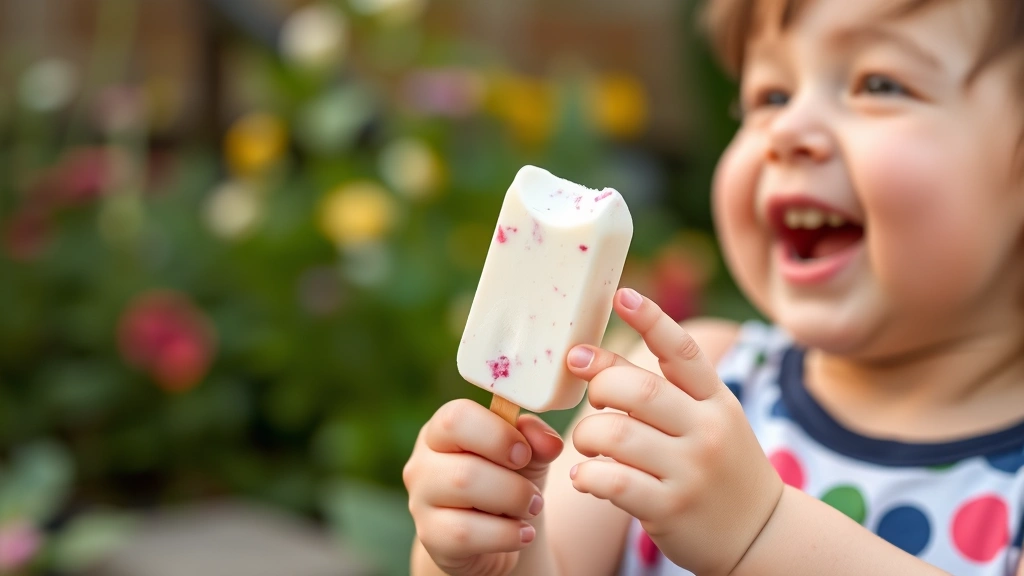
- Yogurt popsicles: Freeze plain yogurt in ice cube trays or popsicle molds for a teething-friendly treat that also teaches self-feeding. Babies love the cold sensation on sore gums.
- Yogurt parfaits: Layer yogurt with mashed fruit and soft grains like baby puffs or crushed cheerios for a more interesting texture experience.
- Yogurt dips: Mix plain yogurt with pureed vegetables or herbs to create dips for soft finger foods. This introduces flavor complexity in a developmentally appropriate way.
- Yogurt smoothies: Combine yogurt with fruit, vegetables, and a bit of breast milk or formula for a nutrient-dense drink that older babies and toddlers can sip from a cup.
- Baked goods: Use yogurt as a base for homemade muffins, pancakes, or other baked foods that incorporate other nutritious ingredients.
- Mixed with other foods: Stir yogurt into pureed vegetables, grains, or meat-based baby foods to add creaminess and nutrition.
The key with all these options is maintaining the principle of minimal added sugar and maximum whole-food ingredients. You’re teaching your baby that yogurt is a versatile, neutral ingredient—not a dessert in disguise.
Frequently Asked Questions
Can I give my 4-month-old baby yogurt?
Most pediatricians recommend waiting until closer to 6 months, when babies show clear signs of readiness for solid foods (sitting up with minimal support, loss of the tongue-thrust reflex, and genuine interest in food). Starting solids too early can increase choking risk and may overwhelm an immature digestive system. If your baby seems unusually interested or your pediatrician has specific recommendations based on your baby’s development, discuss yogurt introduction specifically before proceeding.
Is Greek yogurt better than regular yogurt for babies?
Greek yogurt has a higher protein content and thicker texture, which can be advantageous for babies learning to self-feed. However, it’s not inherently “better”—it depends on your specific situation. The most important factor remains choosing plain varieties with no added sugar. Regular plain yogurt works beautifully for babies eating from a spoon, while Greek yogurt might be preferable for babies practicing self-feeding with pre-loaded spoons.
How much yogurt should my baby eat daily?
There’s no strict requirement. Think of yogurt as one nutritious option among many foods your baby should be experiencing. A serving of 2-4 ounces per day is reasonable for most babies, but this isn’t a minimum or maximum—it’s simply a typical amount. Your baby’s total caloric and nutritional needs come from their primary milk source (breast milk or formula) plus all the solid foods they’re eating. Yogurt is a beneficial addition, not a necessity.
Should I choose organic baby yogurt?
Organic certification ensures that the milk used came from cows not treated with certain antibiotics or hormones. Whether this matters to your family is a personal decision based on your values and budget. From a pure nutrition standpoint, organic and conventional yogurts offer similar benefits. The more important factor is choosing plain yogurt with minimal added sugars, regardless of organic status.
Can babies with reflux eat yogurt?
Many babies with reflux tolerate yogurt well because it’s thicker than milk and less likely to trigger reflux episodes. However, some babies experience increased reflux with dairy products. If your baby has been diagnosed with reflux, discuss yogurt specifically with your pediatrician or pediatric gastroenterologist before introducing it. They can provide guidance based on your baby’s specific situation.
What’s the difference between yogurt and kefir for babies?
Kefir is a fermented dairy drink with a thinner consistency than yogurt and a slightly tangy flavor. It contains probiotics and similar nutritional benefits to yogurt. However, kefir is typically thinner and requires drinking rather than eating, which might be less practical for younger babies just beginning solids. Both are nutritious options, but yogurt’s thicker texture generally makes it more appropriate for babies first exploring solid foods.
How do I know if my baby is ready to transition from baby yogurt to regular yogurt?
Honestly? Your baby can eat regular plain yogurt from the start. There’s nothing magical about products specifically marketed as “baby yogurt”—they’re just yogurt in smaller portions with marketing directed at parents. Once your baby begins eating yogurt, you can use whatever plain yogurt your family enjoys. The transition isn’t about age or development; it’s simply about what makes sense for your household.