Beanie Baby Birthdays: The Collector’s Guide to Vintage Plush Treasures
Remember when your child’s room looked like a Beanie Baby explosion? Those adorable stuffed creatures with heart-shaped tags weren’t just toys—they were a cultural phenomenon that turned parents into accidental collectors. If you’re navigating the world of Beanie Baby birthdays for your little one, or perhaps dusting off your own nostalgic collection, this guide will help you understand what makes these plush companions so special and how to celebrate with them.
The beauty of Beanie Babies lies in their simplicity paired with genuine charm. Each one comes with a birthday printed on its red heart tag, making them perfect for themed celebrations or as meaningful gifts that connect to a child’s own birth date. Whether you’re a seasoned collector or a curious parent wondering why your kid is obsessed with these beans-filled creatures, there’s more depth here than meets the eye.
What started as a clever marketing strategy in 1996 has evolved into a legitimate collector’s hobby that spans generations. Parents who collected Beanies in the ’90s are now introducing them to their children, creating a unique bridge between nostalgia and childhood wonder. Understanding the landscape of Beanie Baby birthdays can transform gift-giving and help you appreciate why these simple toys hold such enduring appeal.
Understanding Beanie Baby Birthdays
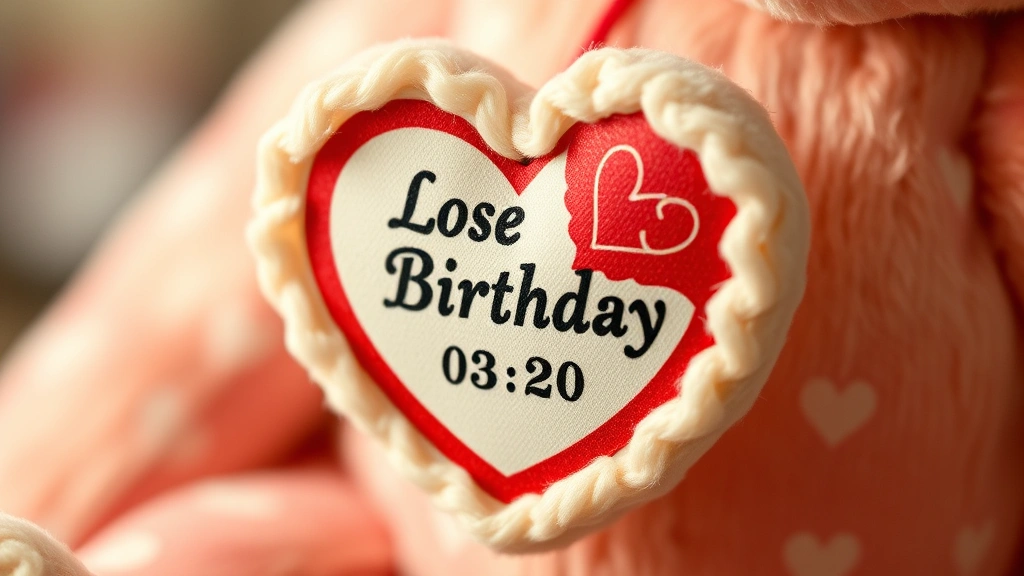
Every Beanie Baby has a birthday—literally printed on its heart-shaped tag. This wasn’t just a cute gimmick; it was genius marketing that gave each plush toy personality and individuality. When you hold a Beanie Baby, you’re not just holding a toy; you’re holding a character with a specific birth date, name, and often a little poem or rhyme on the tag.
The birthday concept transformed Beanie Babies from simple stuffed animals into collectible items with narrative depth. A child could match their own birthday with a Beanie Baby, creating an instant emotional connection. Parents discovered they could purchase a Beanie Baby that shared their child’s birth date, making it a personalized gift that felt intentional and special.
The original Beanie Baby birthdays ranged from January through December, with Ty (the creator company) strategically releasing different characters throughout the year. This created natural collecting momentum—kids wanted to complete the set by acquiring Beanies for every month. It’s a masterclass in understanding what makes toys meaningful to children: baby toys that have personality and purpose resonate far more deeply than generic alternatives.

The Basics of Collecting Beanie Babies
Starting a Beanie Baby collection doesn’t require a trust fund or obsessive behavior—though some collectors do take it quite seriously. If you’re introducing your child to collecting, or rediscovering your own stash, understanding the fundamentals helps you make informed decisions.
Generation Matters: Beanie Baby generations span from the first edition (1996) through various releases and retirements. First edition Beanies with PVC pellets are generally more valuable than later PE (polyethylene) versions. However, for children’s enjoyment, generation matters less than condition and personal preference.
Tag Condition: Collectors obsess over tag condition—whether both the heart-shaped tag and the PVC swing tag remain intact and unbent. For parents buying Beanies for children to actually play with and enjoy, pristine tags matter less. However, if you’re investing in potentially valuable pieces, preserving tags becomes important.
Retirement Status: When Ty retires a Beanie Baby, production stops, which can increase its value among collectors. Understanding which Beanies are retired versus still in production helps you assess whether you’re holding a collectible or a currently available item. Many parents appreciate knowing this distinction when deciding whether to let their child play with a particular Beanie or keep it stored.
The Beanie Baby birthday aspect adds another layer to collecting—some parents specifically seek out Beanies matching their child’s birth month. This personal connection often matters more to families than market value.
What Determines Beanie Baby Value
Not all Beanie Babies are created equal in the collector’s market. While your child might treasure their fuzzy purple hippo equally with a rare first edition, understanding value factors helps you make smart collecting decisions.
Rarity and Production Numbers: Beanies produced in limited quantities command higher prices. The earliest releases, particularly those with specific errors or misprints, became highly sought after. However, rarity doesn’t always correlate with the joy a child experiences playing with their Beanie.
Condition and Authenticity: Authentic Ty tags, proper bean fill, and overall condition significantly impact value. Counterfeit Beanies flooded the market, so verifying authenticity matters for collectors. When purchasing for children, buying from reputable sources ensures you’re getting genuine products.
Market Trends: The Beanie Baby market has cycles. Prices that peaked in the late 1990s have stabilized, though certain rare pieces maintain or increase in value. Checking recent sold listings on auction sites gives realistic market assessments rather than asking prices.
For parents, the most important value consideration is emotional rather than monetary. A Beanie Baby your child loves and plays with daily holds immeasurable value in their childhood memories, regardless of its market price. That said, understanding the broader collector’s market helps you appreciate why certain pieces might be worth preserving for future generations.
Celebrating with Beanie Babies
Beanie Baby birthdays offer creative celebration opportunities that extend beyond traditional party planning. Here are meaningful ways to incorporate them into your family’s traditions:
Birthday Matching: Purchase a Beanie Baby that shares your child’s birth month or exact date. Present it as a special connection between them and their plush companion. Many children find comfort in this personalized gift, and it becomes a cherished keepsake.
Themed Party Decorations: If your child is obsessed with Beanies, use them as party decorations. Arrange different Beanies around the party space, use them in games, or create a Beanie-themed scavenger hunt where kids search for specific characters.
Collection Milestones: Mark collecting milestones with celebrations. When your child completes a set or acquires a particularly special Beanie, acknowledge it. This reinforces the value of patience, collecting, and achieving goals.
Storytelling Traditions: Use Beanie Baby birthday tags as springboards for storytelling. Read the poems on the tags together, create narratives about why each Beanie has its particular birthday, or invent adventures featuring your child and their Beanie companions.
Consider pairing your Beanie Baby celebrations with baby books about collecting or friendship to deepen the experience. Many children’s books explore themes of collecting, caring for belongings, and the joy of treasured items.
Preservation and Care for Your Collection
Whether you’re protecting a valuable collection or simply helping your child care for beloved companions, proper Beanie Baby maintenance extends their lifespan and maintains their condition.
Storage Solutions: Keep Beanies in a cool, dry place away from direct sunlight, which can fade colors. Display cases or clear plastic bins work well for storage. Avoid damp basements or hot attics where temperature fluctuations and moisture can damage the beans and fabric.
Cleaning Methods: For surface cleaning, use a soft, dry cloth. If deeper cleaning is necessary, spot-clean with a barely damp cloth and mild soap. Never submerge Beanies in water, as this can damage the beans inside and weaken stitching. Allow any moisture to air-dry completely.
Tag Protection: If you’re collecting for value, protect the heart tags and swing tags from bending, tearing, or fading. Keep Beanies in positions where tags won’t be crushed. Some collectors use protective plastic sleeves for tags.
Play vs. Preservation: Have honest conversations with your child about which Beanies are for playing and which are for display. This prevents conflicts and helps teach the concept of caring for different types of possessions appropriately. A Beanie meant for play can be washed occasionally (gently), while display Beanies receive more careful handling.
Modern Beanie Baby Collecting Culture
The Beanie Baby phenomenon has evolved significantly since the 1990s craze. Understanding modern collecting culture helps parents navigate current trends and make informed decisions about participation.
Online Communities: Today’s Beanie Baby collectors connect through dedicated forums, Facebook groups, and Discord servers. These communities share authentication tips, price guides, and trading opportunities. For parents introducing children to collecting, these communities offer valuable resources and connection with other enthusiasts.
Secondary Market Platforms: eBay, Mercari, and specialized Beanie Baby trading sites facilitate buying, selling, and trading. These platforms make it easier to find specific Beanies with documented pricing history. However, prices vary widely, so research before purchasing.
Nostalgia-Driven Revival: Millennials who collected Beanies as children are now introducing them to their own kids, creating renewed interest. This nostalgia cycle has stabilized the market and created appreciation for vintage pieces. New Beanie Babies continue to be produced, though they lack the cultural cachet of original releases.
The Beanie Baby birthday concept remains relevant in this modern context, with collectors and parents still seeking Beanies matching specific dates. This timeless aspect of the original design ensures continued relevance across generations.
Investment Perspective: While some collectors view Beanies as investments, realistic expectations matter. Most Beanies won’t appreciate significantly in value. However, certain rare pieces have maintained or increased value, making them interesting from a collecting perspective. For families, the investment is emotional rather than financial—in memories created and connections formed around these beloved toys.
Frequently Asked Questions
Are Beanie Baby birthdays important for value?
The birthday printed on the heart tag is part of a Beanie Baby’s identity, but it doesn’t significantly determine value on its own. Rarity, condition, generation, and retirement status matter far more for collector value. However, birthday matching can increase emotional value for children and families, making a Beanie with a child’s birth date especially meaningful as a gift.
How can I tell if my Beanie Baby is valuable?
Check recent sold listings on eBay for comparable Beanies with similar condition. Verify authenticity by examining tag quality, stitching, and bean fill. First edition Beanies with PVC pellets, those with errors, and retired rare characters typically command higher prices. Specialized Beanie Baby price guides and collector forums provide detailed valuation information. However, remember that sentimental value often exceeds market value for family heirlooms.
Should I let my child play with valuable Beanie Babies?
This depends on your priorities. If a Beanie has significant monetary value, preservation might justify keeping it stored. However, if the value is primarily sentimental, allowing supervised play creates cherished memories. Consider compromising: designate some Beanies for play and others for display. This teaches children to value and care for different possessions appropriately.
Where can I find specific Beanie Baby birthdays?
Online marketplaces like eBay, Mercari, and Facebook Marketplace list thousands of Beanies with detailed descriptions including birthdays. Specialized Beanie Baby websites and collector forums maintain databases of Beanies organized by birthday. Local antique shops and toy stores sometimes carry vintage Beanies. When searching, be patient—finding a specific birthday might take time but adds to the satisfaction when you locate it.
Are new Beanie Babies worth collecting?
New Beanies produced today lack the scarcity and cultural significance of vintage releases, so they’re unlikely to appreciate significantly in value. However, they can be wonderful gifts for children and meaningful additions to family collections for sentimental reasons. Many parents enjoy collecting modern Beanies with their children, creating new traditions rather than chasing investment value.
How do I store Beanie Babies long-term?
Store in a cool, dry environment away from direct sunlight, extreme temperatures, and humidity. Use clear plastic bins or display cases that protect from dust while allowing visibility. Avoid damp basements or hot attics. If preserving tags is important, position Beanies so tags aren’t bent or crushed. Check storage areas occasionally to ensure no moisture or pest damage occurs.