Best Baby Detergent: Expert Recommendations for Gentle, Effective Cleaning
Let’s be honest—choosing a baby detergent feels like defusing a bomb sometimes. Your newborn’s skin is more delicate than a soufflé, and one wrong product can trigger a rash that’ll have you googling at 3 AM. The laundry aisle suddenly becomes overwhelming, with brands promising hypoallergenic formulas, plant-based ingredients, and dermatologist approval. But here’s the thing: not every “gentle” detergent actually lives up to the hype.
The truth is, finding the best baby detergent doesn’t require a chemistry degree or a trust fund. What it does require is understanding what makes a detergent genuinely safe for your little one’s sensitive skin, knowing which ingredients to avoid, and recognizing that what works for your neighbor’s baby might send your baby into itchy misery. We’re going to cut through the marketing noise and give you the real deal on baby laundry care.
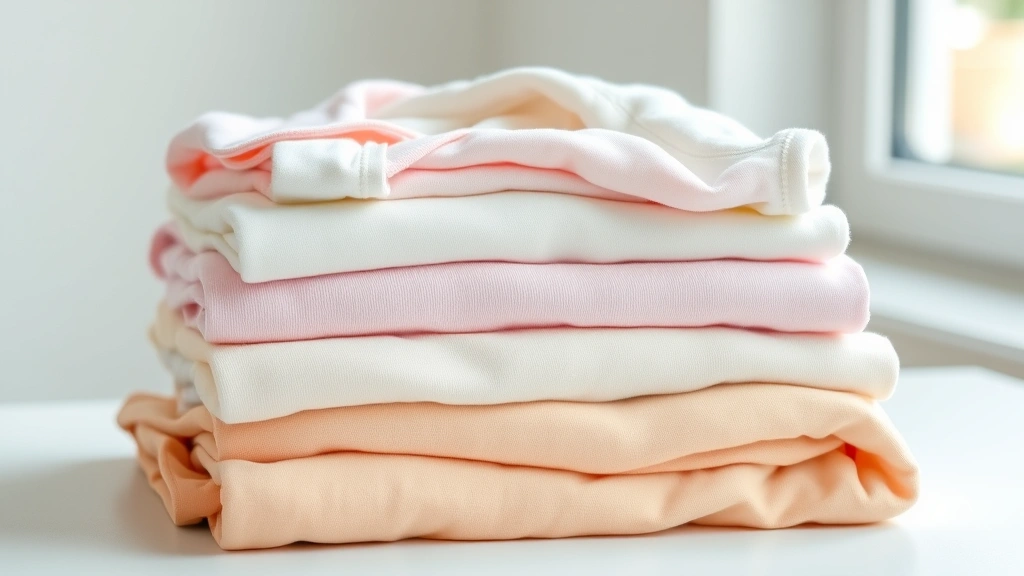
Your baby’s clothes come into direct contact with their skin for hours at a time. Unlike adult detergents that can leave residue and irritants, a quality baby detergent removes dirt and stains without compromising the skin barrier. This matters whether you’re washing onesies, sleepers, or those tiny socks that mysteriously disappear in the dryer.
What Makes a Detergent Actually Gentle?
Here’s where most people get confused. “Gentle” doesn’t mean ineffective. A truly gentle baby detergent balances cleaning power with skin safety. According to the American Academy of Pediatrics, babies have a thinner skin barrier than adults, making them more susceptible to irritants and allergens.
The best formulas contain:
- Minimal dyes and perfumes – These are common culprits behind baby rashes and irritation
- Hypoallergenic compounds – Formulated to reduce allergic reactions
- Lower surfactant concentrations – These cleaning agents need to be gentler on skin contact
- No optical brighteners – These chemicals can irritate sensitive skin
- Biodegradable ingredients – Better for both baby and the environment
The pH balance matters too. Baby skin is naturally more acidic than adult skin, and detergents that maintain this balance are less likely to disrupt the skin barrier. Many mainstream detergents are alkaline, which can strip natural oils and leave residue that irritates skin over time.

Top Baby Detergent Recommendations
Premium Pick: Dreft Active Baby
Dreft has been a trusted name in baby laundry for decades, and their Active Baby formula delivers consistent results. It’s specifically formulated for newborns and contains no dyes or perfumes. The detergent cuts through tough stains—spit-up, diaper accidents, and mysterious brown marks—without harsh chemicals. Parents consistently report fewer rashes when switching to Dreft, and it rinses cleanly without residue buildup.
The price point is higher than generic options, but many parents find it worth the investment during those early months when skin sensitivity peaks.
Plant-Based Champion: Seventh Generation Free & Clear
If you’re committed to plant-based products, Seventh Generation delivers without the greenwashing. Their formula uses plant-derived cleaning agents, contains zero perfumes, dyes, or optical brighteners, and is hypoallergenic. It’s also one of the few detergents that’s genuinely fragrance-free (not just “unscented,” which sometimes means masked fragrance).
This works beautifully for babies with eczema or severe sensitivity. The environmental impact is lower than conventional detergents, which matters if you care about what goes down your drain and eventually into waterways.
Budget-Conscious Option: All Free Clear
Don’t let the price fool you. All Free Clear removes the dyes and perfumes from their standard formula, creating a surprisingly effective baby-safe option. It’s not specialized for babies, but dermatologists recognize it as gentle enough for sensitive skin. This is your best bet if you’re watching the budget without wanting to compromise on quality.
It handles normal laundry loads well and doesn’t leave the heavy residue that some cheaper detergents do. Many parents use this as their regular detergent once baby arrives, simplifying their laundry routine.
Sensitive Skin Specialist: The Laundress Delicate Wash
Originally designed for fine fabrics, The Laundress Delicate Wash has become a favorite among parents with babies prone to rashes. The formula is extremely gentle—almost too gentle for heavily soiled loads, but perfect for daily baby clothes. It’s plant-derived, perfume-free, and leaves garments incredibly soft.
The downside? It’s pricier and requires smaller amounts per load, so it lasts longer than the price suggests. This works well if you’re already buying baby clothes from premium brands and want to protect that investment.
Natural Alternative: Babyganics Ultra Gentle
Babyganics markets themselves as hypoallergenic and dermatologist-tested. Their formula is free of phosphates, chlorine, and optical brighteners. It has a light plant-based scent that many parents appreciate—not overwhelming, just pleasant. The detergent performs well on everyday stains and rinses cleanly.
This is a solid middle-ground option if you want something gentler than mainstream detergents but don’t want to pay premium prices. It’s widely available at major retailers, making it convenient to find and repurchase.
Ingredients to Avoid in Baby Detergent
Understanding what NOT to buy is just as important as knowing what to buy. According to the CDC, certain chemicals commonly found in detergents can accumulate on fabric and transfer to skin through prolonged contact.
Skip These:
- Synthetic fragrance – Contains phthalates and multiple undisclosed chemicals that trigger allergies
- Dyes – Unnecessary for cleaning and common irritants for sensitive skin
- Optical brighteners – Create a false impression of cleanliness while potentially irritating skin
- Phosphates – Can disrupt skin pH and irritate eczema-prone babies
- Sulfates (SLS/SLES) – Strip natural oils and create excessive suds that leave residue
- Chlorine bleach – Too harsh; stick to oxygen-based alternatives for whites
- Heavy perfumes – Even if labeled “hypoallergenic,” strong scents indicate chemical complexity
- Enzymes (in early months) – While safe for older babies, these can irritate newborn skin during the first few weeks
When reading labels, if you can’t pronounce an ingredient or understand its purpose, it probably doesn’t belong on your baby’s clothes. Transparency matters—brands that hide ingredients behind vague terms like “fragrance” are hiding something.
Smart Washing Tips for Baby Clothes
The best detergent works best when used correctly. Here’s how to maximize effectiveness while protecting your baby’s skin:
Rinse Thoroughly
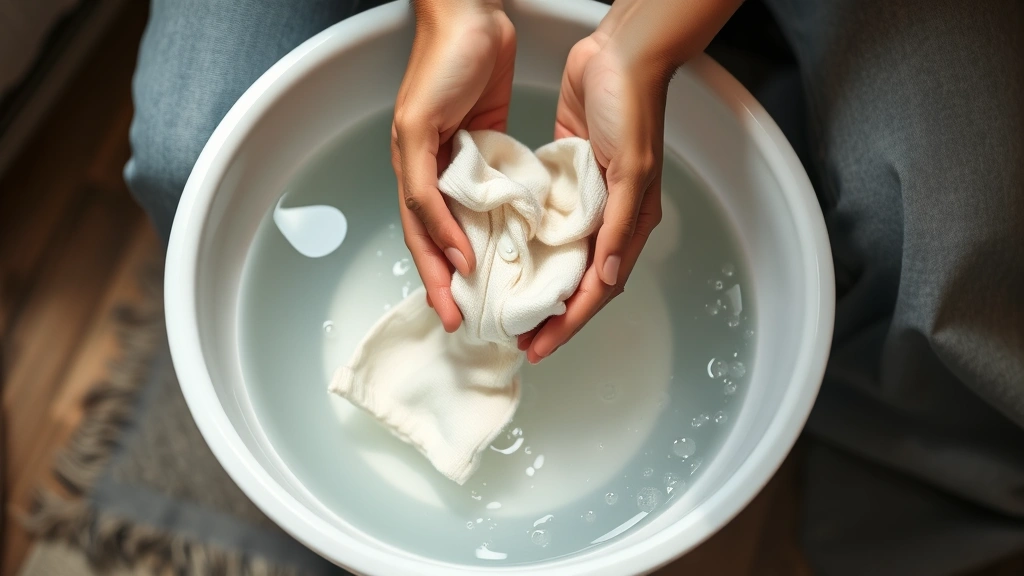
Run an extra rinse cycle, especially during the first few months. Detergent residue is a major cause of baby rashes. Even gentle detergents can build up on fabric, so that extra water cycle is worth the few extra minutes.
Use Less Detergent Than You Think
Modern detergents are concentrated, meaning you need less than you’d use for adult laundry. Overusing detergent guarantees residue buildup. Start with half the recommended amount and adjust based on how soiled the load is. Spit-up and diaper accidents rarely require double-dosing.
Separate Baby Clothes Initially
During the first month, wash baby clothes separately from the rest of the family’s laundry. This prevents cross-contamination with adult detergent residue and lets you control the washing conditions precisely. After a few weeks, once you’re confident your baby isn’t reacting, you can consolidate loads.
Pre-treat Stains Carefully
Avoid pre-treat sprays with heavy perfumes or harsh chemicals. Instead, rinse stains with cold water and a bit of your baby detergent, or use plain white vinegar for stubborn marks. Let the detergent sit for 15 minutes before washing.
Choose the Right Water Temperature
Warm water works better for cutting through typical baby messes than cold water, but it can set certain stains. For spit-up and milk residue, use warm water. For poop stains, rinse with cold water first, then wash in warm. This simple adjustment prevents permanent staining.
Dry Appropriately
Air drying is gentlest on fabrics and eliminates heat-related shrinking. If you use a dryer, use low heat. High heat can damage elastic in diaper covers and onesies while also making certain stains permanent.
Budget-Friendly Options Without Sacrificing Safety
New parents often face unexpected expenses, so let’s talk about stretching your budget without compromising on baby safety.
Generic Hypoallergenic Formulas
Store brands of major retailers (Target’s Up & Up, Walmart’s Great Value) offer free and clear versions that match the quality of name brands at significantly lower prices. These aren’t as specialized as baby-specific formulas, but they’re genuinely safe and effective.
Buy in Bulk
Liquid detergents cost less per ounce when purchased in bulk. Stock up during sales and store in a cool, dry place. Most detergents remain effective for years when stored properly.
Concentrate Your Purchases
Some detergents, like The Laundress, are so concentrated that you use minimal amounts. While the upfront cost is higher, the cost-per-load is comparable to cheaper options. Calculate the true cost by dividing total price by number of loads.
When shopping for baby registry checklist items, consider asking for detergent as a gift. It’s practical, non-controversial, and something you’ll definitely use. Similarly, if you’re looking for baby shower gift ideas, quality detergent makes an excellent present that parents genuinely appreciate.
DIY Considerations
Making your own detergent might seem economical, but it’s risky for baby clothes. Homemade recipes often lack the balance of cleaning power and gentleness that commercial baby formulas achieve. Store-bought options are worth the investment.
Transition Strategy
Use premium baby detergent during the first 3-6 months when skin sensitivity peaks. Once your baby’s skin barrier strengthens and you’ve identified that they don’t react negatively, you can transition to gentler mainstream formulas. This staged approach balances safety and budget.
Detergent Recommendations for Specific Situations
For Eczema-Prone Babies
If your baby has eczema or you have a family history of eczema, stick with the gentlest options: Dreft, Seventh Generation, or The Laundress. Avoid anything with scent, and consider using even less detergent than recommended. Consult your pediatrician before trying new products, as eczema management is individual.
For Cloth Diaper Users
Cloth diapers require specific considerations. Some detergents leave residue that reduces absorbency. Look for “cloth diaper safe” formulas or use plain Dreft, which rinses cleanly without buildup. Avoid fabric softeners and dryer sheets, which coat fabric and reduce performance.
For Newborns with Sensitive Skin
During the first two weeks, consider using only water and a soft cloth for most cleaning. When you do wash clothes, use minimal detergent—about one-quarter of the recommended amount. Your baby’s skin barrier is still developing, and less is genuinely more during this critical window.
For Multiple Children
If you have older kids alongside a newborn, you might use different detergents for different loads. This prevents baby clothes from mixing with detergent residue from family laundry. Alternatively, switch the whole family to a gentle formula—most work well for everyone.
Frequently Asked Questions
Can I use regular detergent for baby clothes?
Technically, yes, but it’s not ideal. Regular detergents contain dyes, perfumes, and optical brighteners that increase irritation risk. They also leave more residue on fabric. Baby-specific or hypoallergenic formulas are formulated to minimize these issues, making them safer for sensitive skin. The American Academy of Pediatrics recommends using gentle, hypoallergenic detergents for baby clothes during the first year.
How much detergent should I actually use?
Use approximately half the amount recommended on the bottle for baby clothes. Modern detergents are highly concentrated, and baby clothes get less visibly soiled than adult garments. Excess detergent doesn’t clean better—it just leaves residue that irritates skin. Adjust based on load size and visible soiling.
When can I switch from baby detergent to regular detergent?
Most pediatricians suggest continuing baby detergent through the first year when skin sensitivity is highest. After 12 months, as the skin barrier matures, you can gradually transition to gentler mainstream formulas. However, if your child has eczema or sensitive skin, continuing with baby detergent longer is wise.
Is fragrance-free the same as unscented?
No. “Fragrance-free” means no added scent. “Unscented” sometimes means the fragrance is masked with other chemicals. Always check the ingredient list to confirm fragrance-free products actually contain no fragrance compounds.
Do I need special detergent for newborn clothes before they’re worn?
Yes. Wash all new baby clothes with your chosen baby detergent before the first wear. Factory chemicals, dyes, and sizing agents coat new fabrics. A thorough wash removes these irritants. Use warm water and your regular amount of detergent for this initial wash.
What if my baby develops a rash after switching detergent?
Stop using the new detergent immediately and return to your previous formula. Wash the affected clothes in your original detergent multiple times to remove residue. If the rash doesn’t improve within a few days or worsens, contact your pediatrician. Some babies react to specific ingredients that others tolerate fine—it’s individual.
Can I use fabric softener on baby clothes?
Avoid fabric softeners and dryer sheets for baby clothes. These products coat fabric with waxy substances that reduce absorbency and trap heat, increasing irritation. If you want soft clothes, use white vinegar in the rinse cycle—it naturally softens while eliminating odors and detergent residue.
Is expensive baby detergent always better?
Not necessarily. Price doesn’t always correlate with effectiveness for sensitive skin. Mid-range options like All Free Clear often perform as well as premium formulas. What matters is the ingredient list, not the price tag. That said, the cheapest options often contain more irritants, so avoid the absolute bottom shelf.
What about laundry pods for baby clothes?
Pods are convenient but problematic for baby laundry. They’re difficult to dissolve completely, often leaving concentrated detergent spots on clothes. Liquid detergent dissolves more evenly and allows better control over quantity. Stick with liquid formulas for baby clothes.
Can I use the same detergent for cloth diapers and clothes?
Yes, if you choose a cloth diaper-safe formula. However, not all baby detergents work well with cloth diapers because some leave residue that reduces absorbency. If you use cloth diapers, specifically look for formulas labeled as cloth diaper safe or use plain Dreft.
Final Thoughts: Making Your Choice
Choosing the best baby detergent comes down to knowing your priorities: budget, ingredient transparency, environmental impact, or specific skin concerns. There’s no universal “best” option—what matters is finding what works for your baby’s unique skin.
Start with a gentle, hypoallergenic formula during the first few weeks. Observe how your baby’s skin responds. If you see no irritation after two weeks, you’ve found your match. If rashes develop, switch to a different formula and give it another two-week trial. Skin takes time to react and recover.
Remember that your baby’s clothes also need washing, and quality matters. Whether you’re buying baby boy clothes or baby girl clothes, using the right detergent protects your investment while keeping your baby comfortable. These garments come into direct contact with delicate skin, so the few extra dollars spent on quality detergent pays dividends in comfort and health.
Take your time with this decision. What works for your friend’s baby might not work for yours, and that’s completely normal. Babies are individuals with individual skin sensitivities. By understanding what makes detergent genuinely gentle and avoiding common irritants, you’re equipped to make an informed choice that prioritizes your baby’s wellbeing above marketing promises.