Best Baby Walker: Expert Picks for 2023
Watching your little one take those first wobbly steps is pure magic—and choosing the right baby walker can make that journey safer and more enjoyable for everyone involved. But here’s the thing: not all walkers are created equal, and some are genuinely better than others when it comes to safety, durability, and actually encouraging healthy development.
If you’re standing in the baby gear aisle feeling overwhelmed by options, you’re not alone. Parents today have more choices than ever, which sounds great until you realize you need to actually evaluate them based on something other than cute designs. That’s where we come in. We’ve done the heavy lifting to bring you expert recommendations that balance safety standards, real parent feedback, and developmental benefits.
The American Academy of Pediatrics has weighed in on baby walkers with some important considerations, and we’ll break down what you actually need to know before making your purchase. Whether you’re looking for a lightweight option for apartment living or a feature-rich walker with entertainment built in, we’ve got the insights you need to make a confident choice.
Why Baby Walkers Matter: Safety and Development
Let’s be honest: baby walkers serve a purpose beyond just being cute. They give your little one a chance to explore their environment with some support, and they give you those precious few minutes to finish making dinner without carrying a baby on your hip. But the real value lies in understanding how walkers fit into your child’s overall development.
Between 6 and 12 months, babies are naturally driven to move. They roll, they scoot, they eventually pull themselves up and cruise along furniture. A well-designed walker can support this natural progression by providing stability while allowing them to practice weight-bearing and balance. The key word here is support—not replacement for supervised floor time and exploration.
Research from child development experts shows that babies benefit most from varied movement experiences. That means walkers should be one tool in your toolkit, not the only one. When selected thoughtfully, a quality walker can encourage your baby to strengthen their legs, practice coordination, and build confidence in their mobility. Baby walking shoes can complement this by providing proper foot support during those early steps.
The developmental sweet spot for introducing a walker is typically between 6 and 15 months, though every baby develops at their own pace. You’ll know your child is ready when they can sit up independently and show interest in standing with support. Introducing a walker too early can actually be counterproductive, so patience really does pay off here.
Top Features to Look For
Not all walkers offer the same level of quality or functionality. Here are the non-negotiable features that separate the best options from the mediocre ones:
- Stability and Weight Distribution: The walker should have a wide base that prevents tipping, even when your baby leans heavily to one side. Test the center of gravity—a good walker won’t topple over with reasonable pressure applied to the side.
- Adjustable Height Settings: Your baby grows fast, and a walker that adjusts from 18 to 24 inches tall ensures proper posture and support throughout the walking phase. This prevents your baby from slouching or overextending their arms.
- Wheel Quality and Braking: Smooth-rolling wheels are essential, but they need to be balanced with safety features. Look for walkers with wheels that lock or have resistance mechanisms to prevent runaway situations on stairs or slopes.
- Seat Comfort and Support: The seat should provide firm support without being hard or uncomfortable. Padded seats are nice, but they shouldn’t allow your baby to sink in or slouch. Breathable materials matter, especially during warmer months.
- Safety Certifications: Check for CPSC (Consumer Product Safety Commission) compliance and look for certifications from organizations like CPSC that ensure the walker meets rigorous safety standards.
- Easy Cleaning: Babies are messy, and walkers collect everything from drool to food particles. Removable, washable seat covers and wipeable surfaces make maintenance genuinely manageable.
- Footrest Design: A properly designed footrest prevents your baby’s feet from getting caught in the wheels while still allowing natural leg movement and positioning.
Entertainment features like music, lights, and interactive toys can be nice additions, but they shouldn’t be your primary decision driver. The fundamentals of safety and proper support matter infinitely more than whether the walker plays 20 songs.
Best Baby Walkers by Category
Understanding different walker categories helps you narrow down what actually suits your lifestyle and needs:
Premium Full-Featured Walkers
These walkers typically feature multiple height adjustments, extensive entertainment options, and premium materials. They’re the luxury choice for families who want comprehensive features and don’t mind investing more upfront. These options often include removable activity trays, multiple wheel types for different surfaces, and sophisticated safety mechanisms. They’re excellent if you plan to use the walker for multiple children or want maximum functionality throughout the walking phase.
Lightweight and Portable Walkers
If you’re constantly on the go or live in a smaller space, lightweight walkers are game-changers. These typically weigh under 5 pounds and fold compactly for travel. They sacrifice some of the entertainment features but maintain strong safety standards and proper support. Perfect for apartment living or families with active lifestyles.
Activity-Focused Walkers
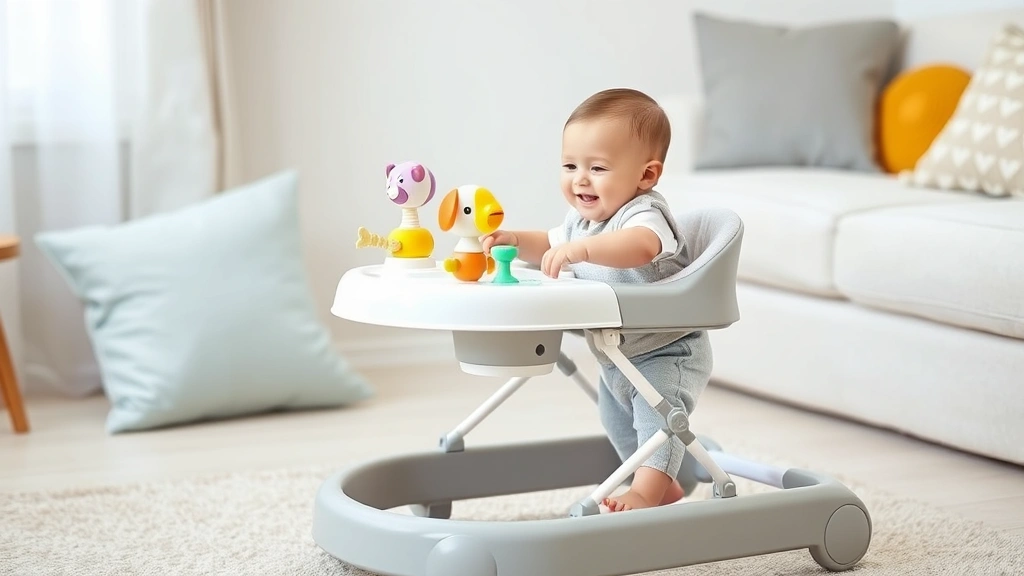
These walkers prioritize interactive play alongside mobility support. They include detachable activity centers, musical elements, and educational features. If your baby loves stimulation and you want the walker to serve double duty as entertainment and development tool, these are worth considering. They tend to be bulkier but offer exceptional value for engaged learners.
Wooden and Eco-Conscious Walkers
For parents prioritizing sustainability and aesthetic appeal, wooden walkers offer charm and durability. They’re often simpler in design but built to last and look beautiful in your home. These tend to have fewer electronic features but excel in safety and longevity. Many wooden walkers can transition to push toys after the walking phase ends, extending their usefulness.
When selecting among these categories, consider your actual lifestyle. Don’t choose premium features you won’t use, but don’t compromise on safety to save money. The sweet spot is finding a walker that genuinely matches your family’s needs and values.
Safety Guidelines Every Parent Should Know
The American Academy of Pediatrics provides important guidance on walker safety that every parent should understand. This isn’t about being paranoid—it’s about making informed choices.
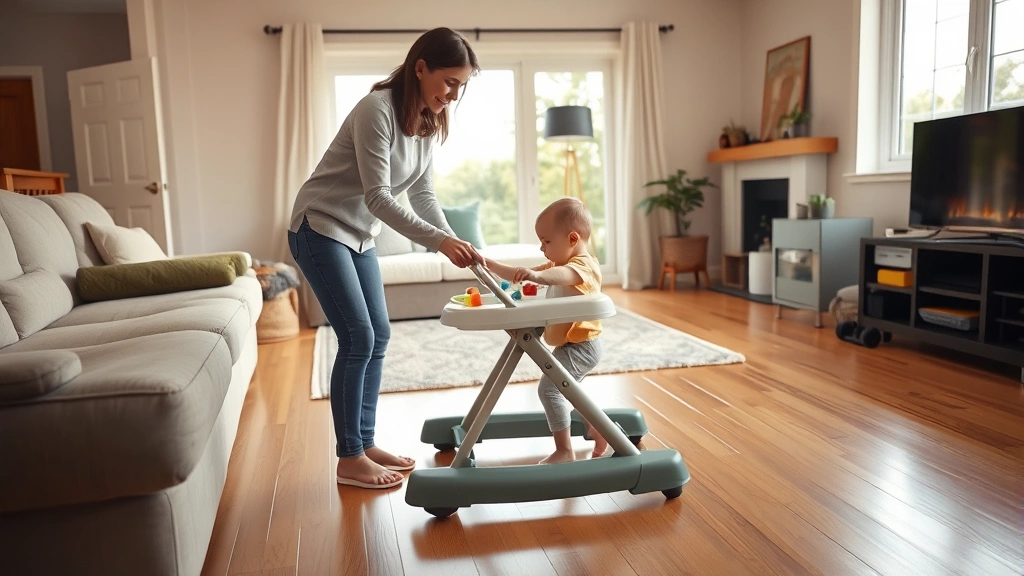
Supervision is absolutely non-negotiable. A walker doesn’t give you free rein to step away. Your baby should always be within arm’s reach and your visual attention should be on them. Walkers can move surprisingly quickly, and babies can get themselves into unexpected situations in seconds.
Stair safety is critical. Falls down stairs are the most common walker-related injury. If you have stairs in your home, install sturdy baby gates at the top and bottom. Better yet, keep the walker in a contained area away from stairs entirely. This is one area where you can’t rely on supervision alone—environmental control is essential.
- Floor Hazards: Check your flooring before walker use. Uneven surfaces, throw rugs, and cords create tripping risks. Clear the area of obstacles and ensure the floor is smooth and level.
- Hot Hazards: Keep walkers away from kitchens, hot beverages, and anything your baby could grab as they move around. Walkers give mobility faster than you might expect.
- Pool and Water Safety: Never use a walker near pools, bathtubs, or large bodies of water. Walkers can tip over in water, and the baby can’t swim out of danger.
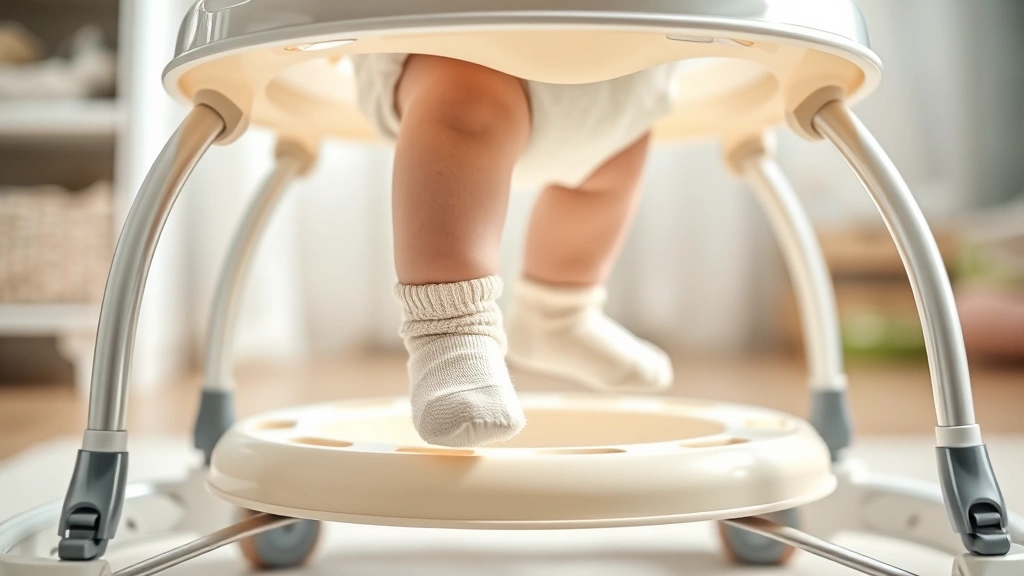
- Proper Fit: Adjust the walker height so your baby’s feet can touch the ground while their arms are slightly bent. This prevents slouching and ensures proper posture for healthy development.
- Regular Inspection: Check wheels, seat, and frame regularly for wear, damage, or loose parts. Replace worn components before they become safety issues.
- Time Limits: Use walkers for 15-20 minute intervals, not extended periods. This prevents dependency and encourages varied movement experiences.
The CDC reports that walker-related injuries send thousands of children to emergency rooms annually. Most are preventable through proper supervision and environmental safety measures. Don’t let statistics scare you away from using walkers—just use them intelligently.
Alternatives and Complementary Gear
Baby walkers aren’t the only option for supporting mobility development. Many families use a combination of tools depending on their situation and preferences.
Push Toys: These encourage independent walking without the baby relying on the walker for all their support. Push toys require more balance and strength, making them excellent for babies already cruising along furniture. They’re often safer than walkers because they move only as fast as the baby can walk.
Stationary Activity Centers: If your primary goal is giving your baby safe entertainment while you handle other tasks, stationary activity centers might serve you better than walkers. They don’t move, eliminating many safety concerns while still providing stimulation and development opportunities.
Floor Play and Tummy Time: Nothing replaces good old-fashioned floor exploration. Babies learn through unrestricted movement, and providing safe floor space with age-appropriate toys encourages natural development. This should be your foundation, with walkers as a supplementary tool.
If you’re building out your baby’s complete gear collection, check out our guide to baby registry must haves for a comprehensive overview of what actually matters. Additionally, thoughtful baby boy gifts and baby girl gifts can support development across multiple areas, not just mobility.
Making Your Final Decision
By now, you’ve got solid information about what matters in a quality walker and what to avoid. Here’s how to bring it all together:
Start with your specific situation. Are you in an apartment or a house? Do you travel frequently? How much space can you dedicate to baby gear? Do you have stairs? Your actual living situation should heavily influence your choice.
Prioritize safety over features. Every time. A simple walker that meets all safety standards beats a feature-rich one that makes you nervous. Your peace of mind matters.
Read actual parent reviews. Not just the five-star ones—look at the three and four-star reviews where parents discuss real issues they encountered. That’s where you find honest feedback about durability, wheel quality, and actual functionality.
Consider your budget realistically. Quality walkers range from $60 to $250. You don’t need the most expensive option, but the cheapest might have compromises on safety or durability. Find the best value within your budget range, not just the lowest price.
Think about longevity. If you plan to have multiple children or want to resell the walker later, investing in a durable, classic design makes sense. If this is your last baby and space is limited, a more basic option works fine.
Test before buying if possible. Visit stores to see walkers in person. Feel the weight, test the wheel resistance, adjust the height, and get a sense of stability. What works on paper might feel different in your hands.
Remember that walkers are tools, not necessities. Some babies skip walkers entirely and go straight to cruising and independent walking. Others love them and benefit tremendously. There’s no single right answer—just the right answer for your family.
Frequently Asked Questions
At what age can I introduce a baby walker?
Most experts recommend waiting until your baby is at least 6 months old and can sit independently. They should also show interest in standing with support. Every baby develops at their own pace, so 6-8 months is typical, but some babies aren’t ready until 9-10 months. Never force a walker on a baby who isn’t developmentally ready.
Do baby walkers delay walking development?
Research suggests that walkers don’t significantly delay walking when used appropriately. The key is using them as a supplement to, not a replacement for, varied movement experiences. Babies who spend all their time in walkers might develop walking skills slightly later, but babies who use walkers moderately alongside floor play develop normally. Balance is essential.
Are walkers safe for stairs?
No. Walkers are not safe for stairs, and stair falls are the most common walker-related injury. Always use baby gates at the top and bottom of stairs, and consider keeping the walker in a contained area away from stairs entirely. This is non-negotiable for safety.
How long should my baby use a walker?
Most babies use walkers between 2-6 months depending on how quickly they progress to independent walking. Once your baby is confidently walking without support, the walker becomes unnecessary. Some babies transition faster; others enjoy walkers longer. Watch your baby’s development and phase out the walker naturally as they gain confidence.
What’s the difference between a walker and a push toy?
Walkers provide support from underneath, allowing babies to lean on them heavily. Push toys require the baby to maintain their own balance while pushing the toy forward. Push toys encourage more independent walking skills and require more strength and balance. Both have value at different developmental stages.
Can my baby get stuck or injured in a walker?
Yes, if not properly supervised and maintained. Fingers can get pinched, feet can get caught in wheels, and babies can bump into things at surprising speeds. Regular inspection, proper fit, and constant supervision prevent most injuries. Never leave a baby unattended in a walker.
Are expensive walkers worth it?
Not necessarily. The most expensive walker isn’t automatically the best. What matters is safety certifications, proper support, and features that actually match your needs. A mid-range walker that checks all the safety boxes and fits your lifestyle is often the smarter choice than an expensive option with features you won’t use.
Should I buy a walker if I live in an apartment?
Absolutely, but prioritize lightweight, compact options. Look for walkers that fold or have a smaller footprint. Lightweight walkers work beautifully in apartments and are easier to store and transport. Just be extra mindful about supervision since apartments often have less open floor space.