Why Are Babies So Cute? The Science Explained
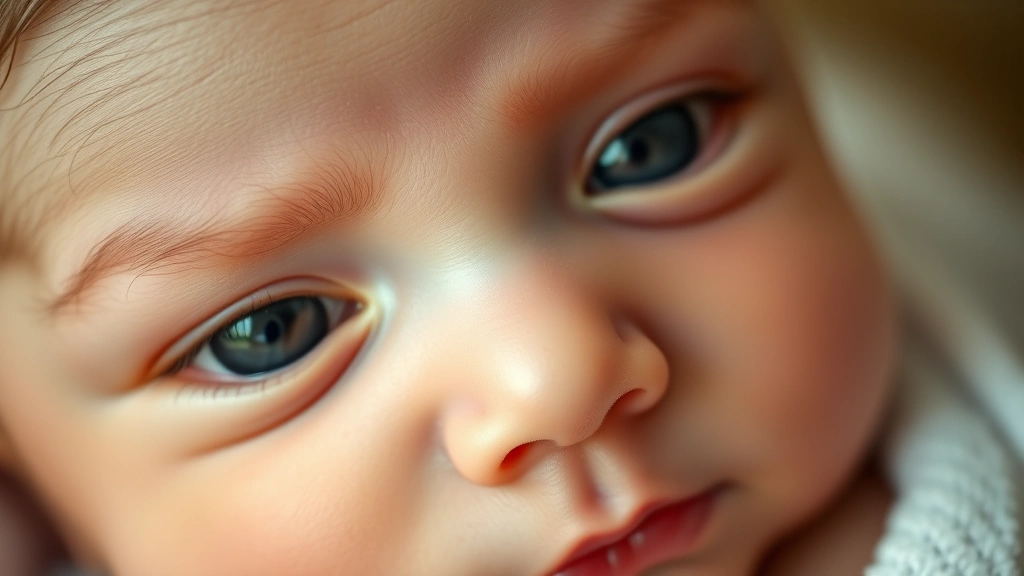
There’s something almost magnetic about a baby’s face. That button nose, those oversized eyes, the impossibly soft cheeks—it’s no accident that we find them so irresistible. We’re not just being sentimental when we can’t stop cooing at a newborn or feel compelled to touch their tiny fingers. There’s actual science happening behind our overwhelming urge to find babies adorable, and it’s far more fascinating than simple parental bias.
The cuteness factor isn’t just about making babies look good in photos (though they certainly do). It’s an evolutionary survival mechanism that’s been hardwired into our brains over thousands of years. When we find something cute, we’re more likely to care for it, protect it, and ensure its survival. For human babies, this biological response to their appearance is literally a matter of life and death.
Let’s dive into the fascinating psychology and biology behind why those chubby cheeks and big eyes have us all wrapped around their tiny fingers.
The Kindchenschema Effect: Nature’s Design for Survival
In the 1940s, Austrian ethologist Konrad Lorenz identified what scientists now call the “Kindchenschema”—a collection of infantile features that trigger an instinctive caregiving response in adults. The term literally translates from German as “child scheme” or “baby schema.” Lorenz’s groundbreaking research demonstrated that these features aren’t random; they’re specifically designed by evolution to make us want to nurture and protect young beings.
The Kindchenschema includes characteristics like a large head relative to body size, a protruding forehead, large eyes positioned low on the face, a small nose, and a receding chin. When we see these features together, something shifts in our brains. We don’t consciously think, “Ah yes, these proportions indicate a dependent creature requiring my care.” Instead, we simply feel an overwhelming surge of tenderness and protectiveness. It’s automatic, powerful, and nearly universal across human cultures.
What makes this mechanism so brilliant is its universality. Research shows that people from vastly different cultural backgrounds respond similarly to these infantile features. A grandmother in Tokyo, a teenager in New York, and a caregiver in rural Kenya all experience that same involuntary “aww” response when encountering a baby with classic Kindchenschema features. This isn’t learned behavior—it’s hardwired into our neurobiology.
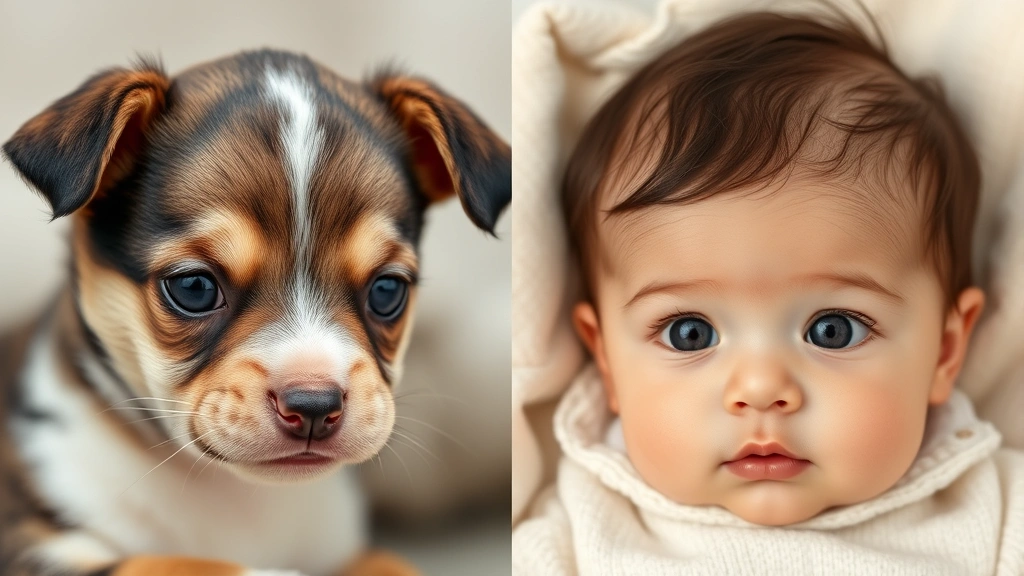
Interestingly, this response extends beyond human babies. When we look at baby puppies, kittens, or other young animals displaying similar proportions, we often experience comparable feelings of warmth and protectiveness. Our brains are essentially programmed to respond to these visual cues regardless of species.
Facial Features That Make Babies Irresistible
Let’s break down the specific facial characteristics that make babies so undeniably cute. Understanding these features helps explain why certain babies seem to stop strangers in their tracks.
Large, Proportionally Oversized Eyes: Babies’ eyes are roughly 65% the size of adult eyes, yet their heads are much smaller. This creates the illusion of enormous, expressive eyes that dominate their faces. These large eyes trigger what researchers call the “baby face bias”—our brains interpret large eyes as a sign of innocence, vulnerability, and need. When babies gaze up at us with those wide eyes, we’re neurologically primed to respond with caregiving behavior.
High, Prominent Forehead: A baby’s forehead takes up a disproportionately large portion of their face compared to adults. This high forehead, combined with a receding chin, creates facial proportions that appear youthful and dependent. Our brains unconsciously interpret these proportions as signals that the creature cannot survive alone.
Soft, Rounded Cheeks: The fullness of a baby’s cheeks comes from fat deposits that serve important developmental purposes, but they also happen to be extraordinarily appealing to our eyes. Those chubby cheeks signal health, good nutrition, and vitality. There’s an evolutionary logic here: we’re attracted to signs of health because healthy babies are more likely to survive and thrive.
Small Nose and Mouth: Babies have proportionally smaller noses and mouths than adults. This delicate, miniature quality intensifies the perception of fragility and vulnerability, which in turn amplifies our protective instincts.
Rounded Head Shape: Rather than the angular features of adults, babies have round, soft head shapes. Roundness is universally perceived as non-threatening and approachable, which makes sense from an evolutionary perspective. We’re more likely to approach and care for something that doesn’t seem dangerous.
The Brain’s Response to Cuteness
When we encounter a cute baby, something remarkable happens inside our brains. Advanced neuroimaging studies have shown exactly which regions light up when we see images of infants with pronounced Kindchenschema features.
According to research published in neuroscience journals, viewing cute babies activates the same reward centers in our brains that respond to food, drugs, or other pleasurable stimuli. Specifically, the nucleus accumbens—a region associated with pleasure and motivation—shows increased activation. This isn’t metaphorical; it’s a genuine neurochemical response that makes us feel good when we see a cute baby.
Beyond pleasure, viewing cute babies also activates regions associated with empathy and caregiving motivation. The anterior insula and anterior cingulate cortex, areas involved in emotional processing and empathetic response, become more active. This explains why we don’t just find babies cute in a detached, aesthetic way—we feel compelled to interact with them, protect them, and ensure their wellbeing.
Interestingly, this neural response occurs even when we consciously know the baby isn’t ours. A stranger’s baby triggers similar brain activation patterns as our own child would. This is evolution working at its finest: the response isn’t selective or rational; it’s broadly applied to all human infants to ensure that vulnerable young people receive care and protection from their entire community, not just biological parents.
The release of oxytocin—often called the “bonding hormone”—also increases when we interact with cute babies. This neurochemical promotes attachment, trust, and caregiving behavior. It’s the same hormone that strengthens the bond between romantic partners or between mother and newborn during breastfeeding. Our bodies literally reward us with feel-good chemicals when we engage with cute babies, creating a powerful incentive to continue providing care and attention.
Why Evolution Favored Baby Cuteness
The cuteness of babies isn’t random or accidental—it’s a carefully calibrated evolutionary adaptation that solved a critical survival problem. Human infants are remarkably helpless compared to the young of other species. A baby zebra can walk within hours of birth; a human baby requires years of intensive care before achieving basic independence.
This extended dependency period created an evolutionary pressure: how do you ensure that caregivers remain motivated to invest enormous resources in offspring that can’t communicate their needs verbally or move themselves? The answer: make them irresistibly cute.
By triggering powerful caregiving responses through their appearance alone, babies essentially hack our brains into prioritizing their survival and wellbeing. A baby’s cuteness isn’t a luxury feature; it’s a survival strategy as important as any physical adaptation. Babies born with more pronounced Kindchenschema features—larger eyes, rounder faces, softer features—would have received more attention and better care from their communities. Over generations, natural selection favored these traits, intensifying them over time.
This explains why the cuteness response is so universal and so powerful. It’s not cultural conditioning or learned behavior; it’s a fundamental aspect of human neurobiology shaped by millions of years of evolution. Every human culture that survived did so partly because their members were deeply motivated by cuteness to care for vulnerable infants.
The cuteness factor also serves another evolutionary purpose: it encourages reproduction. When we find babies adorable, we’re more likely to want our own children, which perpetuates our genes and continues the species. The attractiveness of babies to potential parents is an indirect but powerful driver of reproductive behavior.
Cuteness Across Species: Not Just Humans
One of the most compelling pieces of evidence for the evolutionary basis of cuteness is that we respond similarly to young animals displaying Kindchenschema features. We don’t just find human babies cute; we find baby puppies adorable, kittens irresistible, and baby bears charming—even though we’re not biologically related to these creatures and don’t need to care for them.
This cross-species response reveals that our cuteness perception isn’t specific to human babies but rather to a universal set of proportions and features. Any creature with large eyes relative to head size, a rounded face, and delicate features triggers similar neural responses in our brains. It’s as though evolution equipped us with a general-purpose “baby detector” that responds to the appearance of vulnerability and dependency.
Interestingly, this also explains why we find certain features cute even in non-living objects. Cartoon characters with large eyes and round faces seem cute to us. Animated films deliberately exaggerate Kindchenschema features to make characters more appealing and sympathetic. Even product design capitalizes on this principle—think of how many consumer products feature rounded edges, large circular elements, or “cute” mascots based on infantile proportions.
The fact that we respond to cuteness across such diverse contexts—different species, animated characters, inanimate objects—demonstrates that this isn’t about specific parenting behaviors but about a deep, fundamental response to features that signal vulnerability and need.
The Role of Cuteness in Parenting and Bonding
Understanding why babies are cute isn’t just academically interesting; it has profound implications for parenting, family bonding, and child development. The cuteness response is actually one of the most important mechanisms driving healthy parent-infant attachment.
When parents gaze at their newborn’s face and experience that overwhelming flood of tenderness and protectiveness, they’re experiencing the biological foundation of secure attachment. This isn’t sentimentality; it’s a neurobiological process that primes parents to be responsive, attuned, and nurturing. Babies whose parents find them cute and engaging—and therefore interact with them more—develop stronger emotional bonds and better psychological outcomes.
The cuteness response also motivates parents through the incredibly challenging early months of parenting. Newborns don’t smile responsively, they don’t express gratitude, and they certainly don’t thank their parents for round-the-clock care. What they do have is their face. When exhausted parents look at their baby’s adorable features after a sleepless night, the cuteness factor provides emotional fuel to continue providing care. It’s a built-in motivation system that helps parents push through the difficulty.
This is why baby photography has become such a cherished practice. Parents intuitively understand that capturing images of their baby’s cute features creates lasting records of these tender moments. These images serve as touchstones of connection and can strengthen family bonds over time.
The cuteness response also extends beyond parents to siblings, extended family, and community members. When relatives visit and find the new baby irresistibly cute, they’re more likely to offer help, support, and resources to the family. In many cultures throughout human history, this community-wide cuteness response has been essential for infant survival. A baby who seemed cute to the entire village received more hands to hold them, more eyes watching over them, and more resources directed toward their care.
Even gift-giving practices reflect this. Parents naturally seek out baby girl gifts and baby boy gifts featuring cute designs and characters. Baby dresses and clothing often emphasize cute aesthetics. Baby shower party favors capitalize on the universal appeal of cuteness. These cultural practices aren’t arbitrary; they reflect our deep biological response to infantile features.
Understanding the science of baby cuteness can also help parents appreciate their own responses. If you find yourself unable to stop staring at your baby’s face, taking endless photos, or experiencing intense protective feelings, recognize that these aren’t signs of being overly sentimental or obsessive. They’re signs that your neurobiology is working exactly as it should, priming you for the intensive caregiving that human infants require.
According to research from the American Academy of Pediatrics, strong parent-infant bonding facilitated by responses like cuteness appreciation contributes significantly to healthy child development, secure attachment, and long-term emotional wellbeing. This biological response to cuteness is literally foundational to raising healthy, emotionally secure children.
Frequently Asked Questions
Is the cuteness response the same for all babies?
While most babies trigger the Kindchenschema response, the intensity can vary. Babies with more pronounced infantile features—larger eyes, rounder faces, softer features—typically trigger stronger cuteness responses. However, research shows that even babies with less stereotypically cute features still trigger caregiving responses, though perhaps less intensely. Parents universally report finding their own babies adorable regardless of how they compare to other infants. The bond between parent and child intensifies the perception of cuteness over time.
Do all cultures find the same babies cute?
Research indicates that the basic Kindchenschema response is universal across human cultures. However, cultural factors do influence which specific features are emphasized or valued. Some cultures may find certain characteristics particularly appealing, and beauty standards vary. But the fundamental biological response to large eyes, rounded faces, and delicate features appears consistent across diverse populations. This universality supports the evolutionary explanation—these features trigger responses that predate cultural variation.
When does the cuteness response peak?
The cuteness response is typically strongest during infancy and early childhood, roughly from birth through age five or six. As children develop more adult-like facial proportions, the Kindchenschema features become less pronounced, and the automatic cuteness response diminishes. However, parents often report that they continue finding their children adorable well into adolescence and adulthood, suggesting that the biological response can be modified by emotional attachment and familiarity.
Can the cuteness response be harmful?
The cuteness response itself isn’t harmful; it’s a beneficial adaptation. However, like any powerful motivator, it can potentially be misused. For example, excessive focus on appearance rather than development, or treating children as aesthetic objects rather than developing individuals, could be problematic. The key is recognizing that while cuteness is a legitimate biological response that facilitates bonding and caregiving, it shouldn’t be the sole basis for how we relate to children. Children need to be appreciated for far more than their appearance.
Why do some adults not find babies cute?
While the cuteness response appears to be neurologically universal, individual variation exists. Some people may have different baseline responses to infantile features, or they may be focused on other aspects of babies beyond appearance. Cultural factors, personal experiences, and neurodiversity can all influence how strongly someone experiences the cuteness response. Additionally, people without children may experience a less intense response than parents, though research suggests the response still occurs. Not finding babies cute doesn’t indicate anything wrong; people simply vary in the intensity of their responses to different stimuli.
Is baby cuteness manipulated by media and marketing?
Absolutely. Understanding that humans have a biological response to Kindchenschema features, marketers deliberately use cute baby imagery to promote products, from diapers to insurance companies. Media companies create animated characters with exaggerated infantile features to make them more appealing. While this isn’t deceptive—the cuteness is real—it’s worth being aware that our response is being deliberately engaged. Recognizing this doesn’t diminish the genuine biology behind our response; it simply means understanding that our cuteness perception can be strategically activated.