Is the Ergo Baby Carrier Worth It? Expert Insights on Premium Baby Wearing
The Ergo baby carrier sits in that peculiar category of parenting purchases that makes you pause mid-checkout: expensive enough to warrant serious consideration, yet ubiquitous enough that you see them everywhere. Parents strap their infants into these structured carriers while grocery shopping, hiking trails, and navigating airport terminals with the confidence of seasoned adventurers. But does the premium price tag actually deliver on its promises, or are you paying for brand recognition and Instagram aesthetics?
Let’s be honest—when you’re already drowning in baby expenses, dropping $150-180 on a carrier feels like a luxury. Yet thousands of parents swear by their Ergo, citing ergonomic support, versatility, and durability as game-changers. Others argue that mid-range alternatives work just as well. The truth, as with most parenting decisions, lies somewhere in between, and it depends entirely on your lifestyle, budget, and baby’s needs.
This guide cuts through the marketing hype to give you the real story about whether an Ergo baby carrier belongs in your nursery.
What Makes an Ergo Baby Carrier Different?
Ergobaby, the company behind these carriers, entered the market with a specific mission: create a carrier that distributes a baby’s weight properly across a caregiver’s body rather than straining the lower back and shoulders. The original Omni 360, their flagship model, became the gold standard that other manufacturers have spent years trying to replicate.
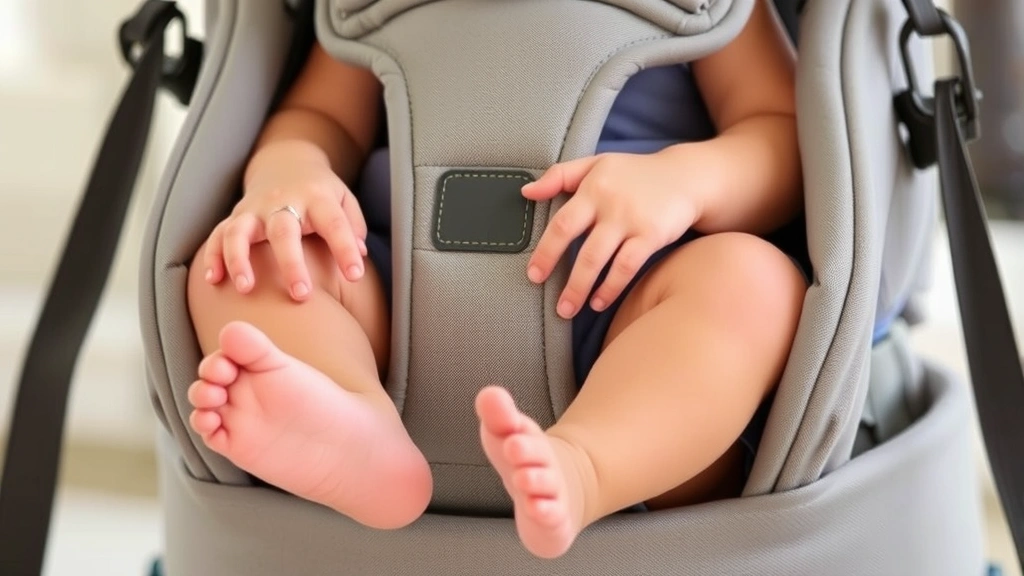
What sets Ergo apart from basic carriers is the structured design. Unlike soft wraps that require learning proper wrapping techniques, or simple slings that concentrate weight in one spot, Ergo carriers feature padded shoulder straps, a reinforced waistband, and an ergonomic seat that keeps the baby in an optimal position. The seat specifically maintains what’s called an “M-shaped” leg position, where the baby’s knees are higher than their bottom—this is considered the most natural and supportive position for developing hips.
The brand offers multiple models at different price points: the Omni 360 (their premium option), the Omni 360 Cool Air (with mesh for hot climates), the Adapt (entry-level), and specialized versions for different age ranges. Each incorporates Ergo’s core philosophy about weight distribution and ergonomic support, though with varying features and price tags.
The Ergonomic Case: Does Science Back the Hype?
Here’s where the Ergo baby carrier actually has legitimate credentials. The company commissioned multiple studies examining lumbar strain, shoulder pressure, and overall comfort compared to unstructured carriers. The results consistently showed that properly designed carriers reduce strain on the caregiver’s back and distribute weight more evenly.
According to American Academy of Pediatrics guidance on babywearing, proper positioning is crucial for both parent and child safety. The AAP emphasizes that carriers should keep babies in a position where their chin is off their chest, airways remain clear, and their legs are properly supported. Ergo carriers meet these criteria by design.
The lumbar support matters more than you might think, especially if you’re carrying your baby for extended periods. Parents with preexisting back issues often report significant relief when using a properly designed carrier versus slouching with their baby on one hip or using poorly-supported carriers. The reinforced waistband specifically transfers weight to your hips rather than your lower back, which is biomechanically superior.
That said, ergonomic design doesn’t guarantee comfort for everyone. Your individual body shape, height, and posture all factor into whether the Ergo will feel as revolutionary for you as it does for others. Some parents find the structure feels cumbersome, while others find it liberating. The science supports that structured carriers are generally better than unstructured ones, but individual variation exists.
Real-World Performance and Versatility
One legitimate advantage of Ergo carriers is their versatility across your baby’s development. The Omni 360, their most popular model, works from birth (with an insert) through approximately 45 pounds, potentially covering your entire babywearing journey. That’s roughly three to four years of use, depending on your child’s growth rate.
Compare this to single-use carriers—you might buy one for newborn stage, another for when your baby can sit up independently, and a third for toddler hiking adventures. The Ergo theoretically eliminates this carousel of purchases. In practice, many parents do stick with their Ergo for years, though some eventually supplement with other carriers for specific activities.
The carrier also accommodates multiple carrying positions: front-facing inward (recommended for younger babies), front-facing outward (for curious babies who want to see the world), back carry (incredibly useful once your baby can hold their head steady), and hip carry (great for quick trips or when you need one arm free). This positional flexibility means the carrier adapts to your baby’s developmental stages and your specific needs in the moment.
Parents also appreciate the structured pockets, which seem trivial until you’re trying to manage a diaper, phone, and keys while wearing your baby. The quality of the materials—high-density fabric, reinforced stitching, padded straps—means these carriers genuinely do last through multiple children, which some families eventually factor into the cost-per-use calculation.

Weather adaptability varies by model. The standard Omni 360 works fine in most climates, but if you live somewhere hot and humid, the Cool Air version with mesh panels prevents your baby from overheating. This consideration matters more than it sounds—an overheated baby is an unhappy baby, and an unhappy baby makes babywearing miserable.
Cost Analysis: Price vs. Value
Let’s talk numbers. A new Ergo baby carrier typically costs between $150-180 for standard models, with specialty versions running higher. For context, you can buy several decent carriers from other brands for that price, or one budget option and have money left over.
However, the cost-per-use calculation shifts when you consider longevity. If you use your Ergo carrier four times per week for three years, you’re looking at roughly 600 uses, bringing the per-use cost to about 25-30 cents per use. That’s genuinely economical for something you’re using that frequently. Compare that to a $50 carrier you use for eight months before your baby outgrows it—suddenly the per-use cost is much higher.
The resale value also factors in. Ergo carriers hold their value remarkably well in the secondhand market. A gently used Omni 360 typically sells for $80-120 on Facebook Marketplace or Poshmark, meaning your actual net cost might be only $30-100 depending on condition. This makes them significantly more economical than budget carriers that have minimal resale value.
That said, if you’re on a tight budget, the Ergo Adapt (their entry-level model around $100) offers similar core benefits at a lower price point, though with fewer carrying positions and features. And if you’re unsure whether babywearing fits your lifestyle, buying used first lets you test-drive the concept without the full investment.
How It Compares to Other Carriers
The carrier market has exploded in recent years, with serious competitors emerging. Understanding how the Ergo stacks up helps you make an informed choice.
The Baby Bjorn Carrier is probably Ergo’s closest competitor. Bjorn carriers cost similarly ($150-160 for their premium models) and also distribute weight well. The main differences: Bjorn carriers have a slightly different aesthetic, use different materials, and some parents find them easier to put on (Bjorn’s buckle system vs. Ergo’s wrapping method). Neither is objectively superior—it comes down to personal preference and what feels right on your body.
Soft structured carriers from brands like Tula, Lillebaby, and Boba offer comparable functionality at similar price points. The choice between these becomes more about design preferences, specific features you prioritize, and how the carrier feels when you try it on.
Budget carriers from Target, Amazon, and other retailers cost $40-80 and work adequately for casual babywearing. They’re fine for occasional use, but parents who babywear extensively often report discomfort with these options, particularly lower back strain after extended wear.
Wrap carriers (like stretchy wraps or ring slings) cost $30-80 and appeal to parents who want a more minimal, portable option. They require learning proper wrapping techniques, but many parents find the learning curve worthwhile. These are excellent for travel since they pack down to almost nothing.
The honest answer: the Ergo is excellent, but so are several alternatives. Your best choice depends on your specific priorities, body type, and how you plan to babywear.
Who Should Actually Buy One?
The Ergo baby carrier makes the most sense for specific families. If you fall into one of these categories, it’s probably worth the investment:
- Frequent babywearers: If you plan to babywear regularly for extended periods, the ergonomic support and durability justify the cost. This especially applies if you have back issues—the proper weight distribution can be genuinely therapeutic.
- Multi-child parents: Families planning multiple children benefit from a carrier that lasts through several kids. The resale value also means you recover much of your investment.
- Active outdoor parents: If hiking, traveling, or extended outings are part of your lifestyle, the Ergo’s structured support and security features make sense.
- Parents seeking versatility: The multiple carrying positions and age range mean you’re not constantly buying new carriers as your baby grows.
- Parents with specific needs: If you need back support due to pregnancy recovery, preexisting conditions, or simply want maximum comfort, the Ergo’s design specifically addresses these concerns.
The Ergo is less essential if you fall into these scenarios:
- You primarily babywear for short, occasional trips (budget carriers work fine)
- You live in a very hot climate and need maximum breathability (the mesh versions cost more)
- You’re on a tight budget and need to minimize expenses (used budget carriers are cheaper upfront)
- You prefer minimal, portable options for travel (wraps are more packable)
- You haven’t tried babywearing yet and aren’t sure if it fits your lifestyle (buy used first)
New parents often benefit from parenting advice for new parents that helps them understand which gear truly matters versus which items are nice-to-have. Babywearing is genuinely useful, but the specific carrier matters less than actually doing it consistently.
For dads specifically, an Ergo can be particularly valuable. Essential tips for new dads often include practical gear that facilitates active parenting, and a comfortable carrier enables fathers to be fully mobile caregivers rather than feeling tethered or uncomfortable.
As your baby grows and starts walking, you might wonder about footwear to complement your babywearing adventures. Properly fitting baby walking shoes matter once your little one is mobile, and baby boy shoes (or girls’ shoes—the same principles apply) support healthy foot development during those early walking months.
Keeping memories of these early years is equally important. A baby book serves as a meaningful keepsake, and many parents document their babywearing adventures as part of those early parenting stories.
Frequently Asked Questions
Is the Ergo baby carrier safe?
Yes, Ergo carriers are safe when used correctly. They meet all relevant safety standards and maintain proper baby positioning. The key is following the instructions for your baby’s age and size, ensuring the baby’s airway is clear, and using the correct carrying position. The M-shaped leg position specifically supports healthy hip development and aligns with pediatric recommendations for babywearing safety.
What’s the difference between Ergo models?
The Omni 360 is their most versatile model, offering multiple carrying positions and working from birth with an insert. The Adapt is their budget-friendly entry point with fewer positions. The Cool Air versions use mesh for hot climates. Specialty models exist for specific needs. Start with the Omni 360 if you want maximum versatility, or the Adapt if you’re budget-conscious.
Can you use an Ergo carrier from newborn?
Yes, but with an important caveat: the standard Ergo requires an infant insert for newborns (roughly birth to 3.5 months or until your baby reaches about 8 pounds and has good head control). Some newer models like the Omni 360 have built-in infant support that eliminates the need for a separate insert. Always verify your specific model’s requirements.
How long will my baby fit in an Ergo carrier?
Most Ergo models accommodate babies up to 45 pounds, which typically means ages birth through 4-5 years. However, many parents stop regular babywearing around age 2-3 when toddlers become more independent and want to walk themselves. You might use your Ergo less frequently as your child ages, but it can technically work for several years.
Are there any downsides to the Ergo?
The main drawbacks: the upfront cost, the learning curve for first-time users, the structured design feels bulky to some parents compared to wraps, and some babies simply don’t like being in carriers regardless of how ergonomic they are. Additionally, in very hot climates, even the Cool Air version can feel warm. These are minor issues for most families but worth considering.
Should I buy new or used?
Used is an excellent option for Ergo carriers since they’re so durable and hold value well. A gently used model typically costs $80-120 and works identically to a new one. This is perfect if you’re testing whether babywearing fits your lifestyle or if you’re budget-conscious. Buy new only if you want the warranty and the peace of mind of knowing the carrier’s complete history.
How does the Ergo compare to wrapping?
Wraps offer maximum portability and adjustability, while Ergo carriers offer quick, structured support. Wraps require learning proper technique, while Ergo carriers have a brief learning curve but are more intuitive. Many parents use both—wraps for travel and quick trips, structured carriers for extended wear. They’re complementary rather than competitive.