Are Healthy Baby Diapers Worth It? Expert Insights on What Your Baby Really Needs
The diaper aisle has become a minefield of choices, and if you’re a parent trying to navigate it, you’ve probably wondered whether premium options justify their price tags. When brands tout “healthy baby diapers” with buzzwords like hypoallergenic, chlorine-free, and dermatologist-tested, it’s natural to question whether you’re investing in genuine benefits or just clever marketing.
Here’s the truth: not every baby needs the same diaper, and what’s “healthy” depends on your child’s unique skin, your family’s values, and your budget. Some babies thrive in budget-friendly options, while others develop rashes within hours of wearing the wrong brand. The real question isn’t whether premium diapers are universally worth it—it’s whether they’re right for your baby.
Let’s cut through the noise and explore what actually matters when choosing diapers, what the research says, and how to make a decision that works for your family without unnecessary guilt or overspending.
What Makes a Diaper “Healthy”?
When manufacturers label diapers as “healthy,” they’re typically referring to several characteristics: absence of certain chemicals, hypoallergenic design, breathability, and skin-friendly materials. But these terms aren’t regulated by the FDA in the way medication claims are, so brands have considerable freedom in how they market their products.
A truly health-conscious diaper should prioritize moisture management, allow airflow to prevent prolonged wetness, avoid known irritants, and maintain a pH balance close to baby skin’s natural state. According to the American Academy of Pediatrics, diaper dermatitis affects roughly 7-35% of infants and toddlers, making diaper choice genuinely consequential for some families.
The healthiest diaper for your baby is ultimately one that keeps their skin dry, doesn’t cause irritation, and fits your family’s practical needs. That might be a premium organic option, a mid-range hypoallergenic brand, or even a basic store brand—it depends entirely on your baby’s individual skin.

Materials Matter: Understanding Diaper Composition
Most modern diapers share a similar basic structure: an outer waterproof layer, absorbent core, and inner lining. The differences lie in the specific materials and manufacturing processes.
Outer Layer: Premium diapers often use breathable materials like polypropylene or specialized fabrics that allow moisture vapor to escape while blocking liquid. Budget options sometimes use less breathable plastics, which can trap heat and humidity—a problem if your baby has sensitive skin.
Absorbent Core: This is where most diapers converge. Nearly all use superabsorbent polymer (SAP), a gel-like substance that can absorb up to 300 times its weight in liquid. Some premium brands boast about their specific SAP formulations, but the practical difference in performance is often minimal for most babies.
Inner Lining: This is your baby’s skin-contact layer, and it matters significantly. Soft, smooth linings reduce friction and irritation. Some premium brands use materials like bamboo viscose or plant-based fibers, though standard non-woven materials can be equally gentle if they’re well-designed.
When considering baby skin care, remember that the diaper is part of your overall strategy. Even the best diaper won’t prevent all diaper rash if you’re not changing frequently or using proper cleansing techniques.
Chemical Concerns: Separating Fact from Fear
One major driver of premium diaper sales is concern about chemicals. Let’s address the most common worries with evidence-based information.
Chlorine and Dioxins: Older diaper manufacturing used chlorine bleaching, which can produce trace amounts of dioxins. Modern manufacturers, including budget brands, have largely phased this out. Most diapers today use oxygen-based or hydrogen peroxide bleaching. This is genuinely good news—the shift happened because it’s safer and more efficient, not just because premium brands demanded it.
Phthalates and BPA: These chemicals aren’t typically used in diaper manufacturing, despite what some marketing suggests. If a brand advertises “phthalate-free” or “BPA-free,” they’re often highlighting something that was never an issue to begin with. This is marketing sleight of hand rather than a meaningful health advantage.
Fragrances and Lotions: This is where real concerns emerge. Some babies develop reactions to fragrance or lotion additives. If your baby has sensitive skin, fragrance-free options genuinely matter. However, this isn’t a premium-vs-budget issue—many affordable brands offer fragrance-free lines.
According to research in pediatric dermatology, most diaper-related skin issues stem from prolonged moisture exposure and friction rather than chemical exposure. This suggests that frequent changes and proper fit matter more than premium materials.
How Diapers Impact Baby Skin Health
Your baby’s skin is remarkably resilient but also uniquely vulnerable during the first year. The skin barrier is thinner, pH is more neutral, and moisture regulation is still developing. Understanding how diapers interact with this delicate system helps clarify what’s actually worth paying for.
Moisture Management: Paradoxically, the goal isn’t to keep your baby completely dry—that’s impossible and unnecessary. Instead, diapers should wick moisture away from the skin surface while maintaining the skin’s natural moisture levels. Premium diapers often excel at this through superior breathability and layering technology, but many standard diapers manage it adequately too.
pH Balance: Baby skin is naturally more acidic than adult skin, which helps protect against bacterial growth. Some premium diapers market their “pH-balanced” design, but research suggests most quality diapers maintain appropriate pH levels. This is another case where marketing emphasizes a solved problem.
Fit and Leak Prevention: Poor fit causes more problems than material quality in many cases. Leaking leads to prolonged wetness and skin breakdown. If a premium diaper fits your baby’s body better, preventing leaks, that’s a legitimate health advantage worth the cost. If a budget brand fits just as well, the price difference isn’t justified for skin health reasons.
The connection between diaper choice and overall baby laundry care is important too. If your baby experiences diaper rash, washing their clothes in gentle detergent becomes critical.
The Cost Analysis: Premium vs. Budget Options
Let’s talk numbers, because budget matters in real family life. Premium diapers typically cost $0.25-$0.35 per diaper, while budget options run $0.10-$0.18. Over a year, this difference can exceed $1,000 for a single child.
When Premium Diapers Make Financial Sense:
- Your baby has diagnosed sensitive skin or eczema
- You’ve tested budget options and they cause consistent rashing
- Your baby wears diapers for extended periods (long flights, outings)
- You have multiple children and premium diapers prevent rash-related doctor visits and treatment costs
- The fit of premium diapers significantly reduces leaking overnight, preventing sheet and clothing damage
When Budget Diapers Are Perfectly Fine:
- Your baby has no skin sensitivities or history of rash
- You’ve tried budget brands without issues
- You change diapers frequently and promptly
- You’re not concerned about environmental or manufacturing practices
- Your family budget is tight and every dollar matters
Consider this: if premium diapers prevent even one significant diaper rash requiring pediatric treatment, they’ve essentially paid for themselves. Conversely, if your baby does fine in budget diapers, spending triple the price provides no measurable benefit.
Special Considerations for Sensitive Skin
Some babies genuinely need premium or specialized diapers. If your baby falls into this category, the investment becomes clearly justified.
Eczema-Prone Skin: Babies with eczema need diapers that minimize irritation while managing moisture effectively. Hypoallergenic, fragrance-free premium options often perform better because they’re specifically designed with this in mind. The reduced chemical load and superior breathability matter for these babies.
Severe Diaper Rash: If your baby has experienced severe rash, you’ve likely learned that diaper choice is critical. Fragrance-free, chlorine-free options become non-negotiable rather than optional. Sometimes prescription-grade diaper creams work better with specific brands.
Allergies and Sensitivities: True diaper allergies are rare, but sensitivities to specific materials or chemicals do occur. If you suspect your baby has a reaction, switching to a completely different type of diaper (for example, from mainstream to eco-friendly) can help identify the culprit.
In these cases, premium diapers aren’t a luxury—they’re medical management. Your pediatrician can sometimes recommend specific brands or write prescriptions that insurance covers, making the cost more manageable.
The Environmental Factor
If you’re considering premium “healthy” diapers, you might also care about environmental impact. This deserves honest discussion because the environmental narrative around diapers is complex.
Disposable Diapers Generally: Even premium disposables contribute significantly to landfill waste. A single child uses roughly 6,000-8,000 diapers before potty training. That’s a substantial environmental footprint regardless of diaper quality or materials used.
Eco-Friendly Premium Diapers: These typically feature compostable materials, reduced packaging, sustainable sourcing, and ethical manufacturing. They’re genuinely better for the environment than standard diapers, but still less impactful than cloth diaper alternatives. If environmental concerns matter to you, eco-friendly premium diapers represent a middle ground—better than standard options but not a complete solution.
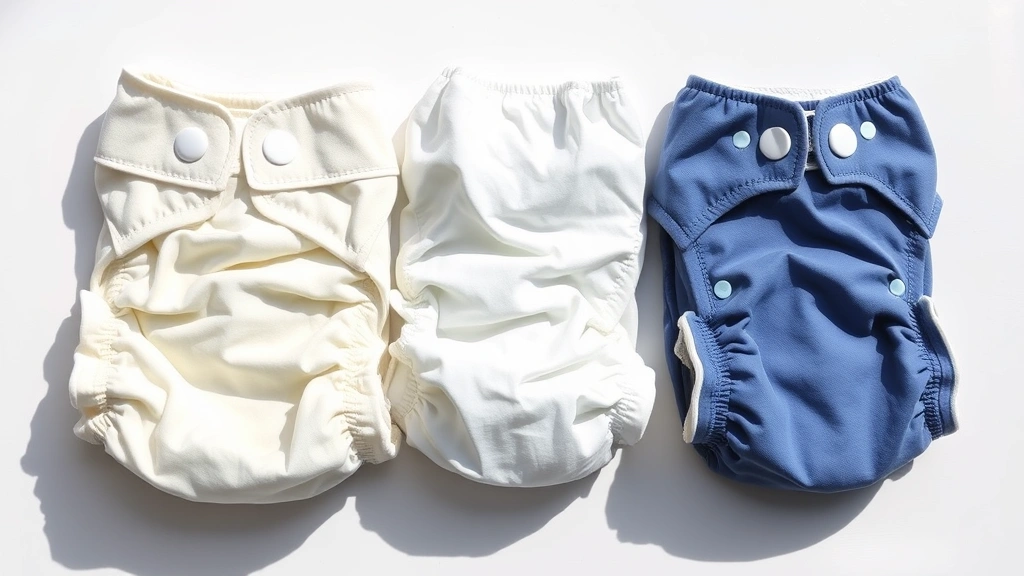
The Cloth Diaper Alternative: Cloth diapers have the lowest environmental impact over time, though they require significant water and energy for washing. If you’re already committed to cloth diapering, your diaper choice question is moot. If you’re considering it, understand that it’s a lifestyle change, not just a product swap.
For most families, the practical choice is disposable diapers. If you want to reduce environmental impact without overhauling your system, choosing premium eco-friendly options is more realistic than perfect zero-waste solutions.
Real-World Testing: What Parents Report
Beyond marketing claims and research studies, what do actual parents report about healthy baby diapers? The answer is wonderfully diverse.
Common Positive Experiences with Premium Diapers:
- Reduced rashing for sensitive-skin babies
- Better overnight leak protection
- Softer feel and better fit for some body types
- Peace of mind about chemical content
- Fewer diaper changes needed due to superior absorbency
Common Positive Experiences with Budget Diapers:
- No difference in performance for most babies
- Fewer leaks than expected given the price
- Significant monthly savings without sacrificing baby comfort
- Better fit for some babies’ body shapes
- No rash issues despite lower cost
The key insight: individual babies vary dramatically in their diaper needs. Your neighbor’s glowing review of premium diapers doesn’t predict your baby’s experience. The only reliable method is testing.
When planning your baby registry checklist, consider requesting sample packs rather than committing to bulk purchases of any single brand.
Frequently Asked Questions
Are organic diapers actually healthier for babies?
Organic certification ensures materials are grown without synthetic pesticides, which is meaningful if you care about agricultural practices. However, for your baby’s skin health specifically, organic status matters less than whether the diaper itself is fragrance-free and hypoallergenic. A non-organic hypoallergenic diaper might be healthier for your baby’s skin than an organic but fragrant option.
Do premium diapers prevent diaper rash?
Premium diapers can reduce rash risk for babies with sensitive skin, but they’re not a guarantee. Frequent changes, proper cleaning, and air exposure prevent most diaper rash regardless of diaper brand. If your baby gets rash in premium diapers, the issue isn’t the diaper quality—it’s usually fit, frequency of changes, or a specific material sensitivity.
What should I do if my baby develops rash in one brand?
First, increase change frequency and ensure thorough but gentle cleaning. If rash persists, try a completely different brand or type. Sometimes the issue is fragrance, sometimes material, sometimes fit. You might also consider whether another factor (new food, teething, illness) is contributing. If rash worsens or doesn’t improve in 3-4 days, contact your pediatrician.
Are there any diapers I should definitely avoid?
Avoid diapers with strong fragrance if your baby has any skin sensitivity. Beyond that, “avoid” is too strong—what matters is your baby’s individual response. Some babies react to specific materials or brands that cause no issues for others. Trial and error is unfortunately necessary.
Can I use premium diapers sometimes and budget diapers other times?
Yes, absolutely. Many parents use premium diapers for overnight (when absorbency and fit matter most) and budget diapers during the day. This hybrid approach balances cost and performance. If your baby doesn’t have skin sensitivity, mixing brands typically causes no problems.
Do I need special diapers for newborns versus older babies?
Newborn-specific diapers are smaller and shaped differently, which can be helpful for the first few weeks. However, this is more about fit than health. Once your baby reaches regular-size diaper weight, the diaper quality matters more than size designation.
What does hypoallergenic actually mean on a diaper label?
“Hypoallergenic” means the product is formulated to minimize allergic reactions, typically by excluding common irritants like fragrance and certain chemicals. It’s not a regulated term, so standards vary by brand. Some hypoallergenic diapers are genuinely thoughtfully designed; others use the term more loosely. Check ingredient lists and customer reviews rather than relying on the label alone.
Are there diapers specifically designed for boys versus girls?
Some brands market gender-specific diapers with different absorbency placement. While the concept makes sense theoretically, most babies do fine with unisex diapers. If you’re looking for baby boy gifts or products, diaper choice probably shouldn’t be the primary consideration—fit and performance matter more than marketing categories.
How do I know if a diaper is actually worth the premium price?
Track your baby’s skin condition and rash frequency with different brands. If premium diapers genuinely reduce problems, they’re worth it. If budget diapers perform identically, they’re not. Consider cost-per-diaper and total monthly spending. If the difference is under $30/month and your baby has no skin issues, the premium probably isn’t justified. If your baby has sensitivity and premium diapers prevent rash-related expenses and discomfort, the investment is clearly worthwhile.