What Are Jelly Babies? A Sweet Exploration for Parents and Families
If you’ve ever wandered down the candy aisle with your kids or attended a British-themed event, you’ve likely encountered jelly babies—those colorful, gelatinous little confections that seem to spark joy in children and nostalgic adults alike. But what exactly are these wiggly treats, and should parents know more about them? Whether you’re curious about their origins, nutritional content, or simply wondering if they’re a reasonable occasional indulgence for your family, we’re diving deep into the world of jelly babies to give you the full picture.
Jelly babies have been around for over a century, and their enduring popularity speaks volumes about their appeal. They’re not just a random candy—they represent a particular style of confection with its own history, manufacturing process, and cultural significance. As a parent navigating the candy landscape with your children, understanding what goes into these treats can help you make informed decisions about what lands in your family’s snack bowl.
What Are Jelly Babies?
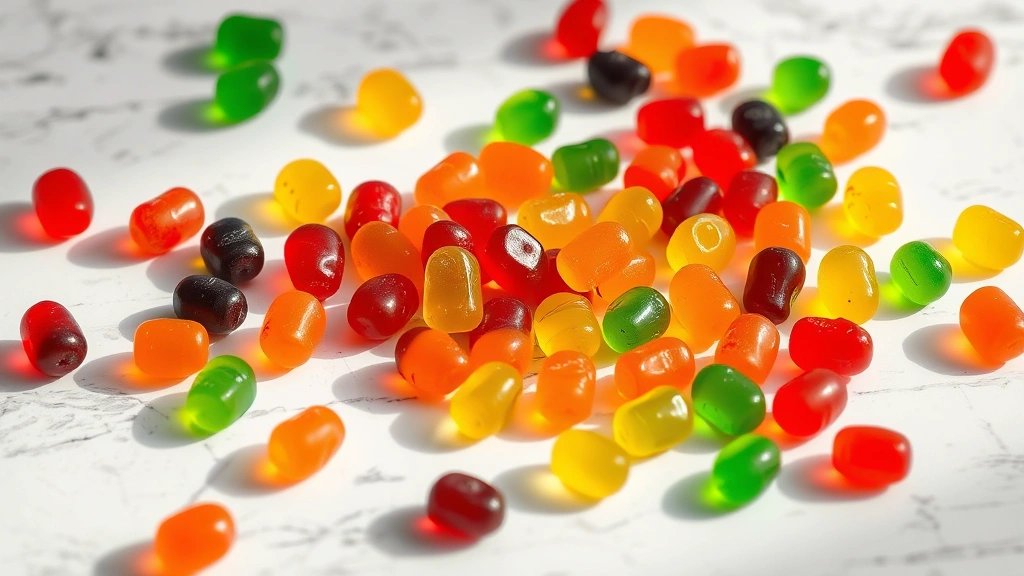
Jelly babies are small, fruit-flavored gummy candies shaped like tiny babies or human figures. They’re typically made from gelatin, sugar, and various flavorings and colorings. The texture is distinctly gelatinous—somewhere between a firm jelly and a soft gummy candy—which gives them their characteristic bounce and chewiness. Each piece is usually about an inch long and weighs less than a gram.
These candies come in various flavors, commonly including orange, lemon, strawberry, raspberry, and blackcurrant. The variety of colors makes them visually appealing to children, and the small size makes them easy to eat, which is part of their charm. Unlike hard candies, they don’t pose a significant choking hazard for older children, though they’re still not recommended for very young toddlers.
The defining characteristic of jelly babies is their gelatinous texture, which results from their gelatin base. This sets them apart from other gummy candies that might use pectin or other gelling agents. The gelatin gives them a particular mouth feel that enthusiasts find either delightful or slightly off-putting, depending on personal preference.

History and Origin
Jelly babies were first created in 1864 by the Fryer’s company in Lancashire, England, where they were originally called “Uncles and Aunts.” The name was later changed to “Jelly Babies” in the 1950s, a term that stuck and became their official designation. The product was revolutionary for its time, offering a new texture and eating experience compared to the hard candies that dominated the market.
The British confectionery industry embraced jelly babies enthusiastically, and they became a staple in UK candy shops. Over the decades, various companies began producing their own versions, with Bassetts becoming one of the most famous manufacturers. The treat eventually spread beyond Britain to other parts of Europe, Australia, and eventually to North America, though they remain far more popular in the UK and Commonwealth countries.
The cultural significance of jelly babies extends beyond mere candy—they’ve appeared in British literature, television shows, and are often associated with British childhood nostalgia. For many parents who grew up in the UK, jelly babies represent a sweet memory from their own childhood, making them a natural choice to introduce to their children.
Ingredients and Composition
Understanding what goes into jelly babies helps parents make informed choices about whether they’re appropriate for their families. The basic ingredient list typically includes gelatin, glucose syrup, sugar, starch, citric acid, and various colorings and flavorings. Different manufacturers may use slightly different formulations, so it’s worth checking the label on the specific brand you’re considering.
The gelatin is the key ingredient that gives jelly babies their distinctive texture. It’s derived from collagen found in animal bones and connective tissue, which means jelly babies are not suitable for vegetarians or vegans unless they’re made with pectin or agar-agar instead. Some modern manufacturers have created vegan versions using plant-based gelling agents, which is worth noting if dietary restrictions are a concern in your household.
The sweetness comes from a combination of glucose syrup and sugar, which provides both taste and texture. The citric acid adds tartness and helps preserve the candies. The colorings and flavorings vary by brand—some use natural colors derived from fruits and vegetables, while others use synthetic food dyes. If your child has sensitivities to artificial colorings, this is another label detail worth investigating.
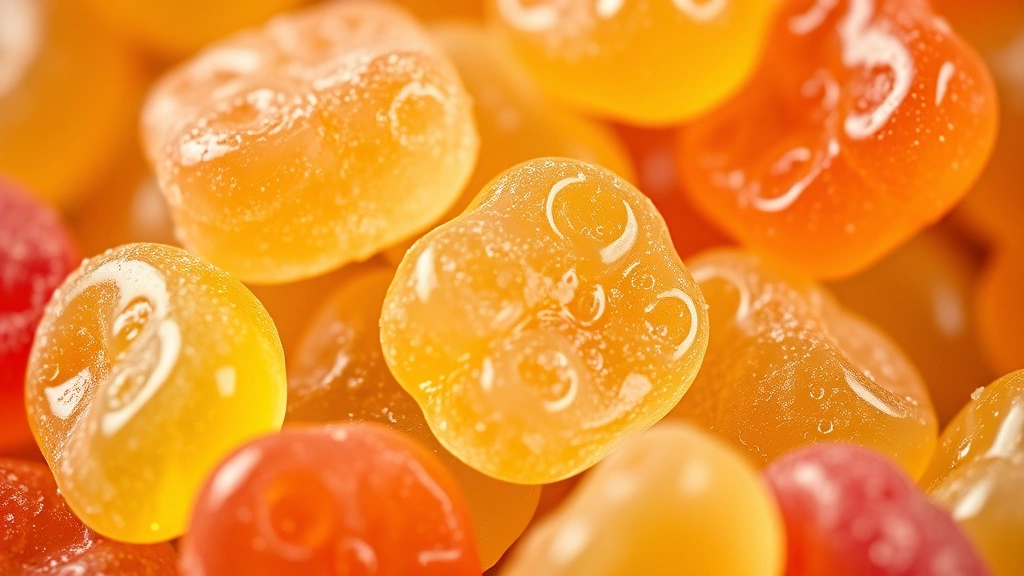
The starch coating on jelly babies serves both a functional and textural purpose. It prevents the candies from sticking together during storage and adds a slightly gritty texture to the outside of each piece, providing contrast to the soft interior. This dual-texture experience is part of what makes jelly babies distinctive compared to other gummy candies.
Nutritional Content
A typical serving of jelly babies—usually around 30 grams or about 10-12 pieces—contains approximately 100 calories, with nearly all of those calories coming from carbohydrates, primarily sugar. There’s virtually no protein or fat in jelly babies, and they contain negligible amounts of vitamins or minerals. From a purely nutritional standpoint, they’re essentially empty calories, which is true of most candy.
According to guidelines from the American Academy of Pediatrics, added sugars should make up less than 10% of a child’s daily caloric intake. A single serving of jelly babies contains roughly 20-25 grams of sugar, which represents a significant portion of a young child’s daily sugar allowance. This is an important consideration when deciding how frequently to offer them.
One advantage of jelly babies compared to some other candies is that they dissolve relatively quickly in the mouth, reducing prolonged sugar contact with teeth. However, they still contribute to overall sugar intake and cavity risk, so dental hygiene remains important after consuming them. The gelatin content does mean they’re somewhat less likely to stick to teeth compared to sticky candies like taffy or caramel.
For children with specific dietary needs or allergies, checking the ingredient list is essential. Some jelly babies may contain allergens or be manufactured in facilities that process common allergens. Additionally, if your family follows specific dietary practices—vegetarian, vegan, or kosher—you’ll need to verify that the brand you’re choosing meets those requirements.
Comparison to Similar Candies
Jelly babies occupy an interesting middle ground in the candy world. They’re similar to gummy bears in texture and size, though gummy bears are typically firmer and chewier, while jelly babies have a softer, more gelatinous quality. If you’re familiar with sugar baby candy or sugar babies candy, you’ll notice those are quite different—they’re chocolate-covered, caramel-based candies with a completely different texture and flavor profile.
Compared to hard candies, jelly babies are softer and easier to chew, making them less risky for children who might be tempted to swallow them whole. They’re also less likely to cause tooth damage if accidentally bitten down on with full force. However, they do contain similar amounts of sugar to many other candies, so they shouldn’t be considered a healthier alternative simply because of their texture.
If you’re exploring options for occasional treats, it’s worth considering what you’re replacing. Are jelly babies better than chocolate? From a dental health perspective, arguably yes, since chocolate can be stickier. Are they better than fruit-based snacks? That depends on the specific product, as some fruit snacks contain similar sugar levels. The key is understanding that jelly babies are a treat, not a health food, and should be portioned accordingly.
Interestingly, jelly babies also differ from what might be offered as a baby food maker product—they’re not intended as actual baby food and shouldn’t be given to infants. The name “jelly babies” is purely about their appearance and has no connection to actual baby nutrition or baby-appropriate foods.
A Parenting Perspective: Making Smart Choices
As parents, we’re constantly making decisions about what our children eat, and candy is one of those areas where balance matters. Occasional treats like jelly babies can be part of a healthy childhood without causing harm, provided they’re not a daily staple. The key is intentionality—choosing when and how often to offer them rather than having them always available.
One practical approach is to reserve jelly babies as an occasional reward or treat, perhaps as part of a special outing or celebration. This creates a positive association without normalizing daily consumption. Many parents find that this approach actually makes treats more special and enjoyable for kids, since they’re not taken for granted.
If your children are attracted to the visual appeal and fun shapes of jelly babies, you might consider similar-looking alternatives that offer more nutritional value. For instance, baby puffs are designed as actual baby snacks with better nutritional profiles, though they’re intended for younger children. As kids get older, fruit-based snacks or even small pieces of dried fruit can provide similar fun without the added sugar.
When you do offer jelly babies, pair them with water rather than juice or sugary drinks, and consider brushing teeth afterward. Make it clear to your children that these are treats, not everyday foods. This kind of straightforward communication helps children develop healthy relationships with food rather than viewing candy as forbidden and therefore more desirable.
For special occasions like best baby shower gifts, jelly babies can be a charming addition to a candy station or favor bag, though they’re probably not the main event. They’re nostalgic enough to appeal to adults at the shower while being fun for any children in attendance.
Another consideration is involving your children in the decision-making process. If they’re old enough, explain why you’re choosing to have these as occasional treats rather than everyday snacks. This builds their understanding of nutrition and empowers them to make better choices as they grow older. Healthy Children resources emphasize the importance of teaching kids about balanced nutrition from an early age.
It’s also worth noting that different children have different relationships with sweets. Some kids are perfectly content with a small portion and then move on, while others might struggle with self-regulation. Understanding your own child’s patterns can help you determine what approach works best for your family. There’s no one-size-fits-all answer to how much candy is appropriate—it depends on your family’s values, your child’s individual needs, and your overall approach to nutrition.
Frequently Asked Questions
Are jelly babies vegan?
Traditional jelly babies are not vegan because they contain gelatin, which is derived from animal collagen. However, many modern manufacturers now produce vegan versions using pectin, agar-agar, or other plant-based gelling agents. Always check the label if vegan status is important for your family.
At what age can children safely eat jelly babies?
Most sources recommend waiting until children are at least three years old before offering jelly babies, as younger children may have difficulty chewing them properly. Always supervise young children while eating any candy, and consider your individual child’s chewing ability and maturity level.
Do jelly babies contain allergens?
Most jelly babies don’t contain common allergens like nuts, dairy, or gluten, but they may be manufactured in facilities that process these allergens. Always read the label carefully, especially if your child has allergies. Some brands may include specific allergens in their formulations.
How do jelly babies compare to gummy vitamins?
While gummy vitamins and jelly babies may look similar, they’re very different products. Gummy vitamins are formulated to provide specific nutrients and should be taken as directed. Jelly babies are pure candy with no nutritional benefit beyond calories. Never substitute one for the other.
Can jelly babies cause cavities?
Yes, like all sugary candies, jelly babies can contribute to tooth decay if teeth aren’t properly cleaned afterward. However, they dissolve relatively quickly in the mouth, which means they may pose slightly less cavity risk than stickier candies. Brushing teeth after eating them is still important.
Are there healthier alternatives to jelly babies?
If you’re looking for similar textures and fun shapes, consider fruit-based snacks with lower sugar content, dried fruit pieces, or even homemade fruit jellies made with less sugar. CDC nutrition guidelines suggest emphasizing whole fruits and natural snacks when possible.
How should jelly babies be stored?
Jelly babies should be stored in a cool, dry place, away from direct sunlight and heat. They can become sticky if exposed to humidity or high temperatures. An airtight container helps maintain their texture and prevents them from drying out or absorbing moisture from the air.
Are jelly babies a choking hazard?
Jelly babies are softer than hard candies, making them lower choking risk for older children, but they’re still not appropriate for very young toddlers who are still developing their chewing skills. Always use your judgment based on your individual child’s development and supervise candy consumption.