Why Do Toddlers Bite? The Psychology Behind This Common Behavior
Toddler biting is one of the most challenging and sometimes embarrassing behaviors parents face. Whether your little one has chomped on a sibling, playmate, or you during a moment of frustration, understanding why toddlers bite is the first step toward managing this behavior effectively. Biting isn’t a sign of aggression or bad parenting—it’s a developmentally normal phase that most toddlers go through between ages one and three.
The psychology behind toddler biting reveals fascinating insights into how young children communicate, explore their world, and manage overwhelming emotions. Unlike older children who have developed language skills and impulse control, toddlers often resort to biting as their primary tool for expression. This comprehensive guide explores the psychological roots of biting, practical prevention strategies, and evidence-based responses that help your child move through this phase successfully.
Why Toddlers Bite: The Psychology
Toddlers bite for remarkably different reasons than adults assume. Research from the American Academy of Pediatrics confirms that biting is a normal developmental behavior, not an indicator of future aggression or behavioral problems. Understanding the psychological motivations helps parents respond with empathy rather than punishment.
Sensory Exploration: Toddlers learn about their world through their mouths. Biting provides sensory feedback about texture, pressure, and response. When a child bites a toy, food, or person, they’re gathering information about cause and effect. This exploratory biting typically peaks around twelve to eighteen months.
Communication and Expression: Before toddlers develop sufficient vocabulary, biting becomes a form of communication. A child might bite to say “no,” “mine,” “stop,” or “I’m excited!” When language skills are limited, physical actions fill the communication gap. According to child development experts, Zero to Three, toddlers who bite often have fewer words to express their needs.
Emotional Regulation: Toddlers experience intense emotions—excitement, frustration, anger, and overwhelm—but lack the neural development to manage these feelings appropriately. Biting can be an impulsive response to strong emotions. A child might bite when excited about a toy, frustrated during transitions, or overwhelmed in crowded environments.
Attention-Seeking: Sometimes toddlers bite because it generates a reaction. Even negative attention—crying, scolding, or dramatic responses—can reinforce biting if the child’s primary goal is to get noticed. This psychological pattern becomes more common in children who feel ignored or in situations with inconsistent supervision.

Developmental Stages and Biting
Biting behavior changes significantly across the toddler years. Recognizing which developmental stage your child is in helps you respond appropriately and understand whether behavior falls within normal ranges.
12-18 Months (Exploratory Biting): At this age, biting is primarily sensory exploration. Babies are teething, discovering their teeth are powerful tools, and learning about object permanence. They bite toys, food, and people without understanding that biting hurts. The child shows no awareness of causing pain and continues the behavior even after you react.
18-24 Months (Experimental Biting): As toddlers develop more awareness, biting becomes experimental. They may bite to see what happens—will the toy break? Will mommy react? Will their friend cry? This is still largely without malicious intent, though understanding of consequences is beginning to develop. Language is emerging, but frustration tolerance remains low.
24-36 Months (Reactive Biting): By age two, most toddlers understand that biting causes pain, yet they may still bite when frustrated, excited, or overwhelmed. This stage involves more intentionality but still reflects poor impulse control and emotional regulation. By three years old, biting should become increasingly rare as language and self-control improve.
Understanding these stages helps you see your child’s behavior through a developmental lens. A twelve-month-old who bites during teething requires a completely different response than a thirty-month-old who bites when angry.
Common Triggers for Biting Behavior
Identifying specific triggers helps you anticipate and prevent biting incidents. While every child is unique, certain situations consistently provoke biting in toddlers.
Overstimulation and Sensory Overload: Crowded playgrounds, busy daycare environments, loud events, or too many activities in succession can overwhelm a toddler’s developing nervous system. When overstimulated, biting becomes a way to regain control or escape the situation. Parents who notice comprehensive parenting advice often find that environmental management prevents many behavioral challenges.
Transitions and Changes: Moving from one activity to another, changes in routine, or unexpected disruptions trigger anxiety and frustration in toddlers. Biting can occur when a child resists a transition or feels anxious about what comes next.
Hunger and Tiredness: A hungry or overtired toddler has even less impulse control than usual. Biting incidents spike when children haven’t eaten or napped. These physiological states make emotional regulation nearly impossible.
Conflict Over Toys or Attention: When toddlers want the same toy or compete for a parent’s attention, biting becomes their negotiation tool. The child may bite to claim the toy or prevent someone else from taking it.
Teething Discomfort: Physical pain from emerging teeth can trigger biting as the child seeks relief through pressure and counter-stimulation. Teething-related biting differs from behavioral biting but still requires management.
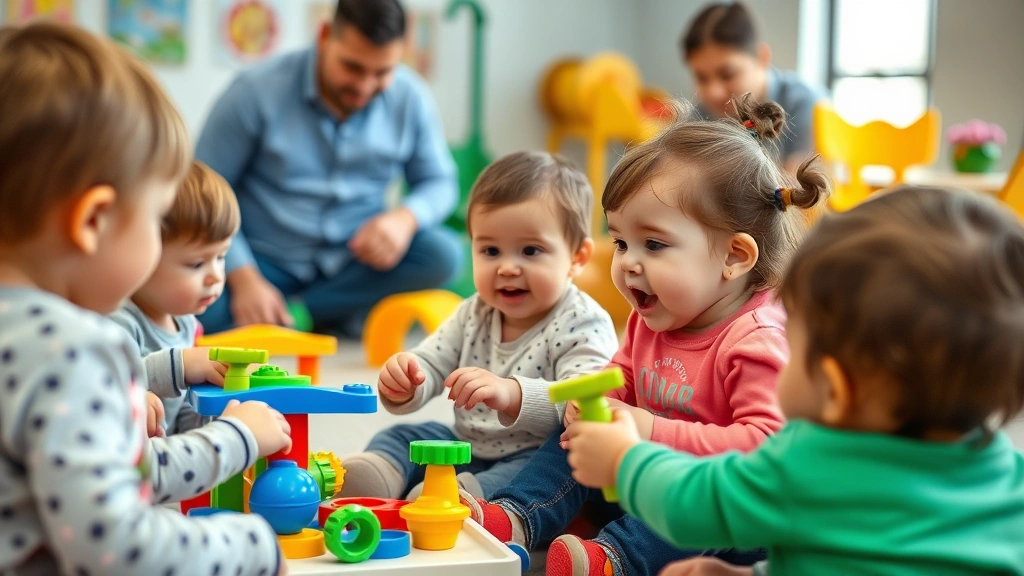
Peer Interaction Struggles: Young toddlers lack social skills and may bite during play when they don’t understand how to join games, share, or communicate with peers.
Prevention Strategies That Work
While you cannot eliminate biting entirely, strategic prevention reduces frequency significantly. These evidence-based approaches address the underlying psychological and developmental needs driving the behavior.
Expand Language and Communication: The more words a child has, the less likely they are to bite. Narrate your toddler’s emotions throughout the day: “You’re feeling frustrated because you want that toy.” Teach simple signs and words for common needs. Reading books together, engaging in conversation, and responding to your child’s attempts at communication all build language skills that replace biting.
Manage Sensory Environment: Reduce overstimulation by limiting screen time, controlling noise levels, and managing activity density. Provide quiet spaces where your toddler can decompress. Notice which environments trigger biting and either modify them or prepare your child with advance notice and coping strategies.
Establish Predictable Routines: Toddlers feel safer with predictable patterns. Consistent meal times, nap schedules, and transition warnings reduce anxiety and frustration. When children know what to expect, they experience less stress and demonstrate better emotional regulation.
Teach Appropriate Outlets for Intensity: Help your toddler find acceptable ways to express strong emotions and sensory needs. Provide teething toys, chewy snacks, pillows to punch, or music to dance to. When a child learns that they can bite a teething ring instead of a person, you’ve redirected the behavior rather than just suppressed it.
Ensure Adequate Sleep and Nutrition: A well-rested, well-fed toddler has significantly better impulse control. Prioritize consistent sleep schedules and regular meals. When your child’s basic needs are met, they have more capacity for emotional regulation.
Supervise Closely During High-Risk Times: Be especially attentive during transitions, when tired or hungry, and during peer interactions. Close supervision allows you to intervene before biting occurs rather than after.
How to Respond When Biting Occurs
Your response in the moment significantly impacts whether biting behavior continues or decreases. Research on child behavior shows that consistent, calm responses work better than punishment.
Stay Calm and Controlled: Your dramatic reaction may actually reinforce biting if the child’s goal is attention. Respond with concern for the bitten child but without theatrical outrage. Use a calm, firm voice: “Biting hurts. Look—your friend is crying. Teeth are for eating, not for biting people.”
Address the Victim First: Comfort the bitten child and assess for injury. This teaches empathy and shows that biting has consequences—someone else is hurt. Your toddler begins understanding the cause-and-effect relationship.
Identify and Name the Underlying Need: Help your toddler understand what they were trying to communicate through biting. “You wanted that toy. Biting doesn’t work. Use your words: ‘Can I have a turn?'” This teaches the child that biting is ineffective and suggests alternatives.
Use Natural Consequences: Remove your child from the situation temporarily. “Biting means we need to take a break from playing.” This isn’t punishment—it’s a logical consequence. The child learns that biting ends the fun activity.
Avoid Punishment-Based Responses: Spanking, harsh scolding, or biting the child back teaches that physical aggression is how you handle problems. These approaches don’t address the underlying cause and often increase anxiety and biting. Punishment-based discipline is less effective than teaching alternatives.
Follow Up with Problem-Solving: Once emotions settle, revisit the incident. “What happened? You wanted the toy. Next time, what could you do instead of biting?” This builds problem-solving skills for future situations.
When to Seek Professional Guidance
Most toddler biting is developmentally normal and resolves with consistent, patient management. However, certain patterns warrant professional evaluation. Parents considering behavioral concerns should consult their pediatrician or pediatrician recommendations for guidance.
Seek evaluation if: Your child continues frequent biting after age three, shows no awareness that biting causes pain, bites with intent to seriously injure, or demonstrates other aggressive behaviors alongside biting. Additionally, if biting appears to cause significant distress to your child or is accompanied by other concerning behaviors—extreme aggression, lack of empathy, or significant social difficulties—professional input helps identify whether underlying issues require support.
Contact your pediatrician or a child psychologist if you suspect sensory processing differences, autism spectrum traits, or other developmental concerns contributing to biting. Child Mind Institute offers resources for understanding when toddler behaviors fall outside typical ranges.
Frequently Asked Questions
Is biting a sign my toddler will be aggressive?
No. Toddler biting is a normal developmental phase, not predictive of future aggression. Most children who bite as toddlers develop completely normal social relationships. How you respond to biting matters more than the behavior itself. Consistent, patient guidance helps children move through this phase successfully.
Should I bite my child back to show them how it feels?
Research does not support this approach. Biting your child teaches that physical retaliation is an acceptable response to behavior you don’t like. This can increase biting rather than decrease it. Instead, use empathy-building techniques and natural consequences.
Will my toddler grow out of biting on their own?
Most children naturally decrease biting as language skills improve and impulse control develops. However, active management—teaching alternatives, identifying triggers, and responding consistently—accelerates this process. Without intervention, some children continue biting longer than necessary.
Why does my toddler bite during teething?
Teething causes gum discomfort and pressure. Biting provides counter-pressure and stimulation that temporarily relieves pain. Offer teething toys, cold washcloths, or safe chewing objects to provide appropriate outlets for this need.
My toddler bites themselves. Is this concerning?
Occasional self-biting during frustration is developmentally normal. Persistent self-biting or self-injury warrants evaluation by your pediatrician to rule out sensory processing differences, autism, or other developmental considerations.
How do I explain biting to daycare providers?
Share that your child is in a normal developmental phase and work collaboratively with caregivers on consistent responses. Consistent management across home and school accelerates improvement. parenting resources and daily tips can support your communication with providers.
What if another child bites my toddler?
Comfort your child, assess for injury, and inform the other child’s parents calmly. Avoid escalating the situation or making the other child feel ashamed. Most biting incidents are unintentional and resolved through developmental growth and consistent guidance.
Final Thoughts: Toddler biting reflects your child’s developmental stage, not their character or your parenting. By understanding the psychology behind the behavior, identifying triggers, preventing incidents when possible, and responding consistently with calm guidance, you help your toddler move through this phase successfully. Remember that this challenging behavior is temporary, and your patient, thoughtful approach builds the emotional regulation and communication skills your child needs for lifelong success.