Your Baby Photos: What Psychologists Reveal About Identity, Memory, and Development
When you look at photos of yourself as a baby, you’re not just viewing a cute image—you’re glimpsing a crucial chapter in your psychological development. Psychologists have long recognized that baby photos serve as powerful windows into our early lives, influencing how we construct our identities and understand our place in our families. Whether stored in dusty albums or digital folders, these images carry surprising psychological significance that extends far beyond nostalgia.
Recent research in developmental psychology reveals that the way parents photograph, preserve, and share images of their infants shapes not only family narratives but also children’s developing sense of self. From attachment patterns to memory formation, baby photos play an underestimated role in psychological well-being. Understanding what these images represent—and how they influence us—can deepen your appreciation for your own childhood and inform how you approach photographing your own children.
Table of Contents
- How Baby Photos Shape Identity Formation
- The Role of Photos in Memory Construction
- Baby Photos and Attachment Security
- Baby Photos in the Digital Age
- Psychological Benefits of Reviewing Childhood Images
- Frequently Asked Questions
How Baby Photos Shape Identity Formation
Your sense of self begins forming long before you have conscious memories, and baby photos play a surprisingly important role in this process. When parents regularly show children photos of themselves as infants, they’re actively constructing a narrative about who that child is and where they come from. Psychologists call this “narrative identity,” and it’s fundamental to how we understand ourselves throughout life.
According to research from the American Psychological Association, children who grow up seeing photos of themselves develop stronger connections to their personal history. These visual records become anchors for identity, helping children integrate their past with their present. When you look at photos of yourself as a baby, you’re not just remembering events—you’re reinforcing the story of who you are.
The specific way parents frame baby photos matters significantly. A child who sees photos emphasizing their smiling face and happy moments develops a different self-concept than one exposed primarily to formal portraits or candid moments of distress. This doesn’t mean all photos should be positive—authentic representation matters—but the overall narrative created through photo selection influences self-perception.
As you explore your own me as a baby photos, consider what narrative they tell about your early self. Were you portrayed as happy, serious, adventurous, or cautious? These visual representations become internalized parts of your identity, influencing how you perceive your own personality and capabilities even decades later.
Understanding how parenting advice throughout childhood intersects with photo documentation reveals that parents consciously and unconsciously shape identity through image selection and presentation. The photos parents choose to keep, display, and share communicate values and expectations to their children.

The Role of Photos in Memory Construction
One of psychology’s most fascinating discoveries involves how photographs interact with memory formation. Contrary to what many assume, looking at photos doesn’t simply preserve memories—it actually reconstructs them. Each time you view a photo from your infancy, your brain creates a new memory of viewing that image, layering it over the original experience (which you likely don’t consciously remember anyway).
This phenomenon, called “source confusion,” means that your memories of me as a baby may be partially constructed from photographs rather than from actual lived experience. A psychologist studying childhood memory might show you a baby photo and ask you to describe what you remember. Often, people describe the photo’s contents rather than genuine autobiographical memories, because the photo has become the primary reference point.
Research from Child Mind Institute indicates that this isn’t necessarily problematic—it’s actually how human memory naturally works. We construct narratives from available information, and photos provide crucial information for building coherent life stories. However, it highlights why the photos parents keep matter so much. They literally shape what children will “remember” about their own infancy.
The timing of when children first see photos of themselves also influences memory development. Children who view baby photos early develop different memory structures than those who discover them later. This relates directly to how you might approach essential parenting advice for raising healthy children—the decisions you make about photo sharing today will influence your child’s future memory construction.
Interestingly, the quality and detail of photos matter less than their emotional resonance. A blurry, poorly lit photo that captures genuine emotion often creates stronger memory anchors than a technically perfect but emotionally sterile portrait. This explains why many people treasure imperfect baby photos over professional ones.
Baby Photos and Attachment Security
Attachment theory, pioneered by psychologist John Bowlby, emphasizes the critical importance of early relationships in shaping lifelong emotional patterns. Baby photos serve as tangible representations of these early attachments, and research suggests they reinforce attachment security in meaningful ways.
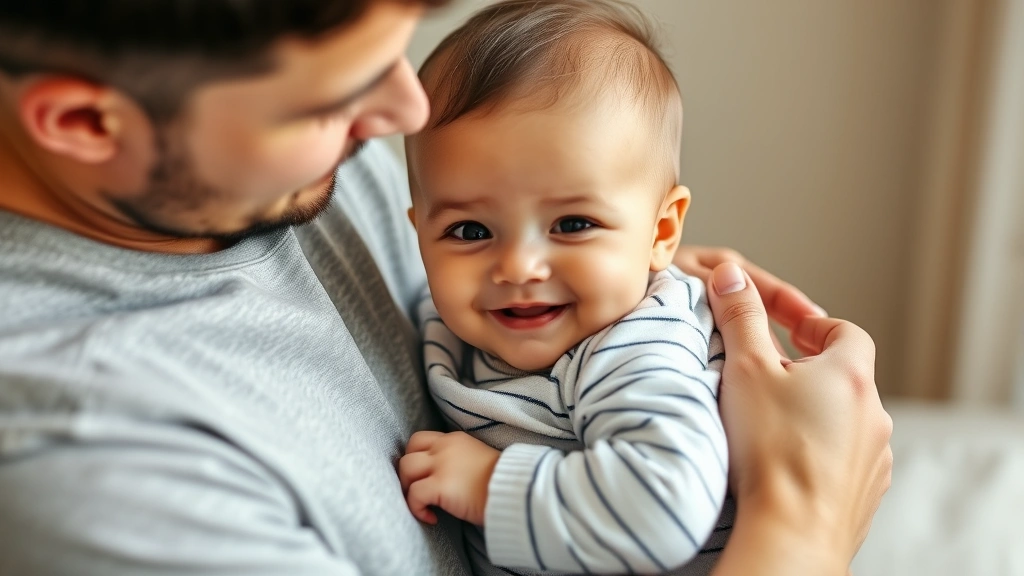
When infants and toddlers see photos of themselves with their caregivers—being held, comforted, or playing—they receive visual confirmation of their attachment relationships. This visual reinforcement strengthens the internal working model of relationships that children develop. Psychologically, these photos say, “You are loved. You belong. You are important enough to be photographed and remembered.”
Studies in developmental psychology show that children with secure attachment histories tend to have more positive relationships with their baby photos. They’re more likely to view childhood images with warmth and curiosity rather than ambivalence. Conversely, individuals with attachment difficulties sometimes report discomfort viewing baby photos, as these images can evoke complicated feelings about early relationships.
The practice of regularly reviewing baby photos with children—what some psychologists call “photo reminiscence”—actually strengthens attachment bonds. When parents sit with children and discuss photos, narrating stories about early moments, they’re doing crucial psychological work. This practice validates the child’s history, deepens the parent-child relationship, and provides opportunities for emotional connection.
If you’re considering how to approach photographing your own children, understanding this attachment dimension suggests that candid photos capturing genuine interaction often matter more than posed portraits. The photos that show real connection—messy, imperfect, authentic moments—become the most psychologically valuable.

Baby Photos in the Digital Age
The explosion of digital photography has fundamentally changed how we document and experience infancy. Where previous generations might have dozens of baby photos, modern parents accumulate thousands. This quantitative shift carries psychological implications worth examining.
On one hand, digital documentation allows unprecedented preservation of childhood moments. Parents can capture the minutiae of development—first smiles, early attempts at crawling, seasonal changes—creating rich visual records. From a psychological perspective, this offers children more detailed narratives about their early selves.
However, research in psychology also raises concerns about “digital overwhelm.” When parents have thousands of photos to sort through, the curation process becomes more challenging. Rather than carefully selecting meaningful images, digital abundance can lead to passive accumulation. Psychologically, this differs significantly from the intentional process of selecting which photos to keep and display.
Additionally, the social media dimension introduces new psychological considerations. Sharing baby photos publicly—even with privacy settings—represents a significant shift from previous generations’ practices. Children growing up with extensive digital footprints may experience complicated feelings about their me as a baby documentation, knowing it exists in multiple digital spaces.
Psychologists studying this phenomenon note that children who had limited say in their digital documentation sometimes report feeling their privacy was violated. This has led to discussions about “sharenting” ethics and the importance of considering children’s future autonomy when deciding what photos to preserve and share.
Psychological Benefits of Reviewing Childhood Images
Beyond their role in shaping identity and memory, actively reviewing baby photos offers distinct psychological benefits throughout life. Psychologists have identified several mechanisms through which this practice supports mental health and well-being.
Emotional Regulation: Looking at baby photos of yourself or loved ones activates the brain’s reward centers, releasing oxytocin and dopamine. This natural mood boost explains why people often feel comforted when reviewing childhood images during difficult times. The practice can serve as a form of self-soothing, similar to how adults find comfort in familiar objects or places.
Narrative Coherence: Psychologists emphasize that humans are fundamentally narrative creatures. We construct meaning through stories about our lives. Regularly reviewing baby photos strengthens the narrative thread connecting your past to your present, creating psychological coherence. This coherence is associated with better mental health outcomes, including lower rates of anxiety and depression.
Gratitude and Perspective: Viewing photos of yourself as a helpless infant can activate gratitude for those who cared for you and wonder at how far you’ve come. This perspective shift has measurable psychological benefits. Research shows that gratitude practices—which photo review can facilitate—correlate with increased happiness and life satisfaction.
Intergenerational Connection: Sharing baby photos across generations creates psychological continuity. Grandparents viewing photos of their grandchildren, for instance, experience a sense of legacy and connection. For children, seeing photos of parents as babies creates empathy and humanizes their caregivers, strengthening relationships.
Understanding these benefits can inform your approach to parenting resources and baby advice. The psychological value of thoughtfully preserving and occasionally reviewing childhood documentation extends beyond mere nostalgia—it’s genuine emotional work with measurable benefits.
Frequently Asked Questions
Why do psychologists say baby photos matter for development?
Baby photos serve multiple developmental functions. They help construct narrative identity, reinforce attachment relationships, anchor memory formation, and provide visual confirmation of being loved and valued. Psychologists recognize that these images influence how children develop their sense of self and their understanding of their place in their families and communities.
Can looking at baby photos of myself as an adult be therapeutic?
Yes, research suggests that reviewing childhood photos can have therapeutic benefits for adults. This practice can activate positive emotions, provide perspective on personal growth, strengthen narrative coherence about your life, and facilitate gratitude. Many therapists incorporate photo review as part of therapeutic work, particularly in trauma recovery and identity exploration.
How should I decide which baby photos to keep and share?
Consider photos that capture genuine emotion and connection rather than only posed portraits. Think about the narrative you’re creating—what story do these images tell about your child? Also consider your child’s future autonomy and privacy. Ask yourself whether you’d want these specific images shared publicly if you were the child. Balance documentation with discretion.
Does the quality of baby photos affect their psychological value?
Interestingly, no. Blurry, poorly lit, or technically imperfect photos often carry more psychological weight than technically perfect ones because they capture authentic moments. The emotional content matters far more than technical quality. A genuine candid moment typically has more psychological value than a sterile professional portrait.
How do baby photos influence children’s self-esteem?
The way parents frame and present baby photos significantly influences children’s developing self-esteem. Photos that emphasize the child’s capabilities, show them in positive interactions, and are presented with warm narratives support healthy self-esteem development. Conversely, photos presented with critical commentary or used to shame children can undermine self-worth. This is why the context surrounding photos matters as much as the images themselves.
What should I do if I have difficult feelings about my baby photos?
Complicated feelings about childhood photos often reflect deeper attachment or family dynamics. If viewing photos of yourself as a baby triggers distress, this might be worth exploring with a therapist. Understanding these reactions can provide insight into your psychological history and current relational patterns. Many people find that working through these feelings leads to greater self-compassion and healing.