Dressing Newborns: Expert Clothing Tips
Bringing a newborn home is an exciting milestone, but many new parents feel uncertain about one seemingly simple task: dressing their baby appropriately. Whether you’re navigating the first weeks with a naked baby girl or boy, understanding proper clothing layers, fabric choices, and temperature regulation is essential for your infant’s comfort and safety. Newborns cannot regulate their body temperature effectively, making correct dressing one of your most important responsibilities as a caregiver.
This comprehensive guide covers everything you need to know about dressing newborns, from choosing the right fabrics to understanding when less clothing is actually more. We’ll explore layering techniques, seasonal considerations, and practical advice that pediatricians and child development experts recommend for keeping your newborn comfortable throughout the day and night.
Understanding Temperature Regulation in Newborns
Newborns are born with an immature thermoregulatory system, meaning their bodies struggle to maintain a stable internal temperature. Unlike older children and adults, newborns lose heat rapidly through their skin, head, and extremities. This vulnerability makes proper clothing crucial for preventing hypothermia or overheating, both of which can pose serious health risks.
The American Academy of Pediatrics emphasizes that maintaining appropriate environmental temperatures and proper clothing helps newborns conserve energy for growth and development. When a baby expends energy trying to regulate body temperature, that energy isn’t available for the critical developmental processes happening in their first weeks and months.
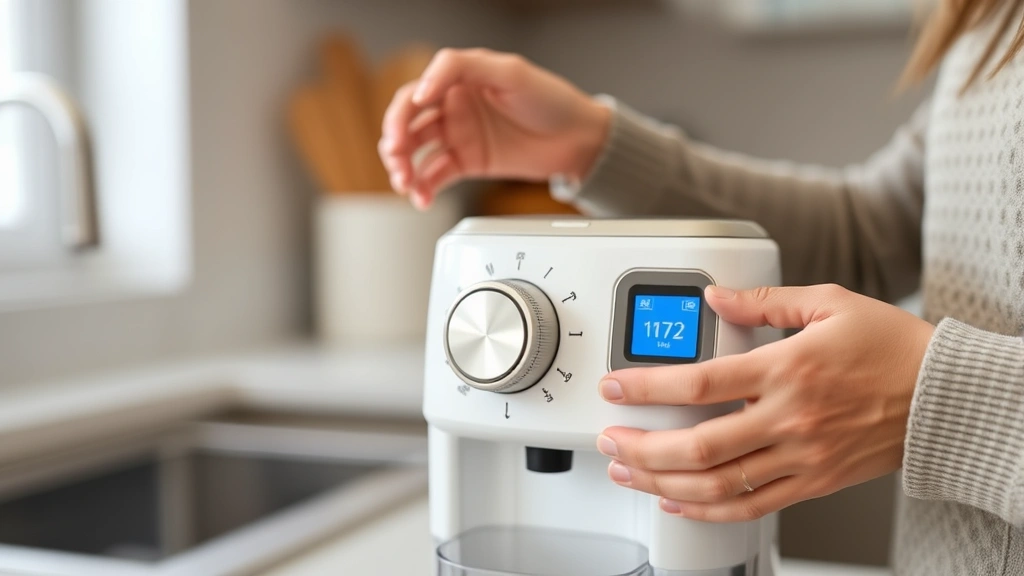
Room temperature should ideally stay between 68-72°F (20-22°C). Monitor your newborn’s temperature by feeling the back of their neck or checking their chest—these areas should feel warm but not hot or clammy. Overheating is actually more dangerous than mild coolness and increases the risk of Sudden Infant Death Syndrome (SIDS), so err on the side of lighter dressing when uncertain.
Choosing the Right Fabrics
The fabric you choose for your newborn’s clothing directly impacts their comfort and safety. Newborn skin is significantly more delicate than adult skin, with a thinner outer layer that’s more prone to irritation and moisture loss. Natural, breathable fabrics are universally recommended by pediatricians and dermatologists for newborn clothing.
Cotton is the gold standard for newborn clothing. It’s breathable, soft, and allows moisture to evaporate effectively, preventing the damp environment that promotes diaper rash and heat buildup. Look for organic cotton when possible, as it eliminates exposure to pesticides and chemical treatments. A high thread count (around 200-400) provides softness without being too heavy.
Bamboo fabric offers similar benefits to cotton and is naturally hypoallergenic. It’s particularly gentle for babies with sensitive skin or those prone to eczema. Bamboo is also slightly more temperature-regulating than cotton, making it excellent for layering.
Avoid synthetic fabrics like polyester and acrylic blends, as they don’t breathe well and can trap heat and moisture against your baby’s skin. Similarly, avoid rough materials, heavy knits, and anything with loose decorative elements that could pose choking hazards. When selecting clothing from best baby shower gifts recommendations, prioritize quality fabric over cute designs.
Wool and silk can work for newborns if they’re specifically designed for babies and merino-grade quality. These natural fibers are temperature-regulating and moisture-wicking, but ensure they’re soft enough not to irritate sensitive skin. Always wash new clothing before the first wear to remove manufacturing chemicals and finishes.
Mastering the Layering Technique
The layering approach is the most effective way to dress newborns because it allows you to adjust clothing based on environmental changes and your baby’s individual needs. Rather than dressing your baby in one heavy outfit, use multiple thin layers that you can add or remove throughout the day.
Layer 1 (Base Layer): Start with a fitted onesie or bodysuit made of cotton or bamboo. This should be snug enough to prevent bunching but not so tight that it restricts movement. The base layer keeps your baby’s core warm while allowing moisture to move away from the skin.
Layer 2 (Middle Layer): Add a lightweight sleep sack, swaddle blanket, or thin sweater. This layer provides additional insulation while still allowing temperature adjustment. Sleep sacks are particularly useful as they eliminate the need for loose blankets, which pose SIDS risks.
Layer 3 (Outer Layer): For cooler environments or outdoor time, add a light jacket or fleece. Choose outerwear with zippers rather than buttons, which are easier to manage when holding a newborn. Always remove outer layers when moving to warmer environments like heated cars or indoor spaces.
The key to successful layering is regularly checking your baby’s temperature and adjusting accordingly. As part of your parenting advice for modern parents, experts recommend checking your newborn’s temperature every time you enter a new environment.
Seasonal Dressing Guidelines
Summer Dressing: During warm months, newborns often need minimal clothing. A lightweight onesie or just a diaper with a thin sleep sack may be sufficient indoors. When outdoors, use lightweight long sleeves and pants to protect delicate skin from direct sun exposure rather than relying solely on sunscreen, which isn’t recommended for babies under six months. Keep a light blanket handy for air-conditioned spaces, which can drop significantly cooler than outdoor temperatures.
Winter Dressing: Cold weather requires more thoughtful layering. Start with a fitted onesie, add a warm sleep sack, and consider a lightweight sweater for additional insulation. When going outside, use a snowsuit or winter coat over indoor layers, removing the outer layer once you’re back inside. Don’t forget mittens to prevent your baby from scratching their face, and a lightweight hat to reduce heat loss through the head.
Transitional Seasons: Spring and fall present unique challenges because temperatures fluctuate throughout the day. Dress your baby in layers you can easily adjust. A onesie with a cardigan or light jacket allows quick adaptation as temperatures change. Keep an extra blanket in the diaper bag for unexpected cool spells.
When traveling, research the climate of your destination and pack accordingly. Essential parenting advice includes preparing for temperature variations, even when traveling within your own region.
Daily Clothing Care and Safety
Newborn clothing requires special attention during washing and storage. Use fragrance-free, dye-free detergent specifically formulated for baby clothes, as newborn skin reacts easily to chemical irritants. Wash all new clothing before the first wear, including items received as gifts. This removes manufacturing chemicals and ensures the fabric is soft and clean against your baby’s skin.
Wash baby clothes separately from adult clothing to minimize contamination from lint and detergent residue. Use warm water for washing and ensure thorough rinsing. Line-drying is ideal when possible, as the sun naturally disinfects and softens fabrics, but machine drying on low heat is acceptable.
Inspect all clothing regularly for signs of wear, including loose seams, small holes, or deteriorating elastic. These issues can worsen and pose safety hazards. Discard clothing that no longer fits properly, as oversized items increase SIDS risk by potentially covering the face during sleep.
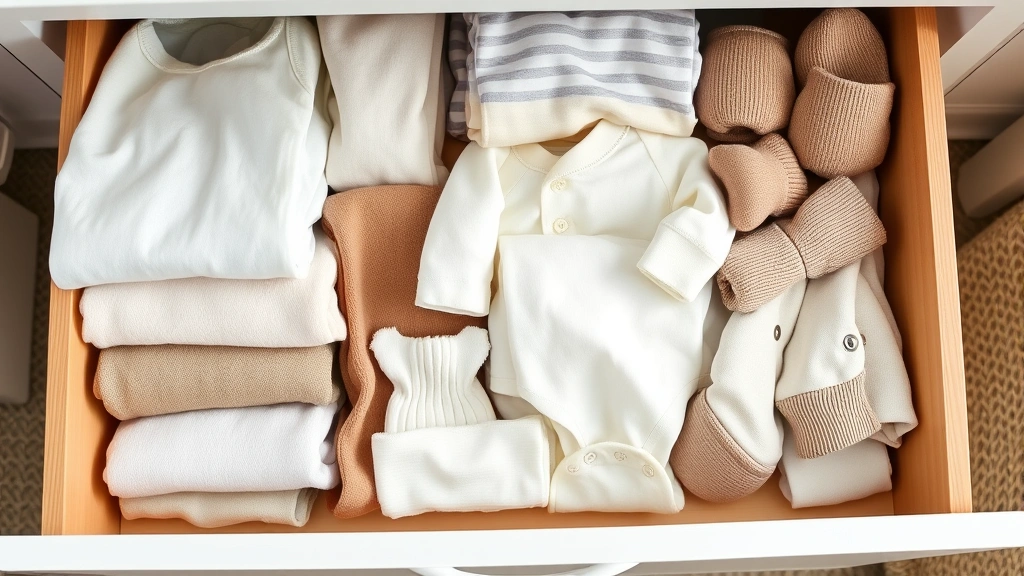
Store clean clothing in a cool, dry place away from direct sunlight. Ensure drawers and closets are organized so you can quickly find appropriately sized clothing. Many parents find it helpful to keep newborn sizes separate from larger sizes to avoid grabbing the wrong size during nighttime changes.
Avoiding Common Dressing Mistakes
Overdressing: The most common mistake new parents make is dressing their newborns too warmly. Overheating is more dangerous than mild coolness and significantly increases SIDS risk. If your baby’s neck or chest feels hot or sweaty, remove a layer immediately.
Using Loose Blankets: Never use traditional blankets in the crib or bassinet. Instead, use fitted sleep sacks or swaddles. Loose blankets, pillows, and bumper pads all pose SIDS risks and should be kept out of the sleep environment entirely.
Ignoring Fabric Quality: Choosing inexpensive clothing made from synthetic blends might save money initially, but can lead to skin irritation, diaper rash, and discomfort. Quality baby clothing lasts longer and is gentler on sensitive skin. When selecting items for positive parenting techniques that support infant wellbeing, prioritize quality basics over trendy outfits.
Forgetting About Humidity: Humidity affects how your baby feels temperature. In humid climates, clothing needs to be lighter because moisture can’t evaporate efficiently from the skin. Conversely, in dry climates, you may need slightly warmer clothing to prevent moisture loss.
Neglecting Hat and Mittens: Newborns lose significant heat through their head and hands. Even in mild weather, keeping a lightweight hat and mittens available helps maintain body temperature. Mittens also prevent newborns from scratching their delicate facial skin.
Using Clothing with Hazards: Avoid clothing with small buttons, loose decorations, drawstrings, or anything that could become a choking hazard. Stick to simple, safe designs specifically made for newborns. Check all seams are secure and elastic is properly fitted.
Frequently Asked Questions
How many layers should my newborn wear indoors?
Indoors at room temperature (68-72°F), most newborns need two layers: a fitted onesie and a lightweight sleep sack or swaddle. You can adjust by adding or removing layers based on your baby’s temperature and your home’s climate control.
Can I dress my newborn in just a diaper?
A naked baby girl or boy should only be dressed in a diaper during diaper changes, warm baths, or in very hot environments (above 75°F). Even then, keep a light blanket or sleep sack nearby for quick temperature adjustments. Newborns lose heat rapidly and need clothing for temperature regulation.
What’s the safest way to keep my newborn warm at night?
Use a fitted sleep sack or wearable blanket instead of traditional blankets. These keep your baby warm while eliminating SIDS risks associated with loose bedding. Ensure the sleep sack fits properly and isn’t too large, which could allow your baby’s head to slip inside.
How do I know if my newborn is too hot or too cold?
Feel the back of your baby’s neck or chest. These areas should feel warm but not hot or clammy. Cold babies may seem fussy or have poor feeding, while overheated babies might appear flushed, sweaty, or lethargic. Trust your instincts and adjust clothing accordingly.
Are expensive designer baby clothes necessary?
No. Newborns grow rapidly and won’t wear clothes for long. Focus on quality basics made from natural fabrics rather than expensive designer items. Plain cotton onesies and sleep sacks serve your baby’s needs perfectly and are often more affordable.
When can my baby wear regular clothing instead of newborn sizes?
Most babies transition to 0-3 month sizes around 2-4 weeks old, depending on birth weight and growth rate. Keep both newborn and 0-3 month sizes available during the first month to accommodate your baby’s growth. By 3-4 months, most babies wear 3-6 month sizes.
Dressing your newborn properly is a fundamental aspect of infant care that directly impacts their comfort, safety, and development. By understanding temperature regulation, selecting quality fabrics, mastering layering techniques, and avoiding common mistakes, you’ll develop confidence in this essential parenting skill. Remember that every baby is unique, and what works for one newborn might need adjustment for another. Trust your observations of your baby’s cues and don’t hesitate to consult your pediatrician with concerns about temperature regulation or clothing choices. For additional parent path daily blog resources on newborn care, explore comprehensive guides on infant development and practical parenting strategies.