Spare Ribs vs Baby Back: A Parent’s Guide to Family-Friendly BBQ
Planning a family barbecue can feel overwhelming, especially when you’re trying to choose the right cut of ribs that everyone will enjoy. Whether you’re a seasoned grill master or a parent looking to impress at your next gathering, understanding the differences between spare ribs and baby back ribs is essential. Both cuts offer delicious flavors and textures, but they have distinct characteristics that make them suitable for different occasions and cooking methods.
As a parent, you want to serve meals that are not only tasty but also practical for your family’s needs. Ribs can be an excellent choice for family dinners, backyard gatherings, and special occasions. However, choosing between spare ribs and baby back ribs requires knowing their size, tenderness, cooking time, and nutritional value. This guide will help you make an informed decision that works best for your family’s preferences and dietary needs.
Let’s explore everything you need to know about these two popular rib cuts, from their origins to preparation tips that will make your next family meal a success.
Table of Contents
- What Are Spare Ribs?
- What Are Baby Back Ribs?
- Key Differences Between the Two Cuts
- Cooking Methods for Each Cut
- Nutrition Comparison
- Family-Friendly Preparation Tips
- Frequently Asked Questions
What Are Spare Ribs?
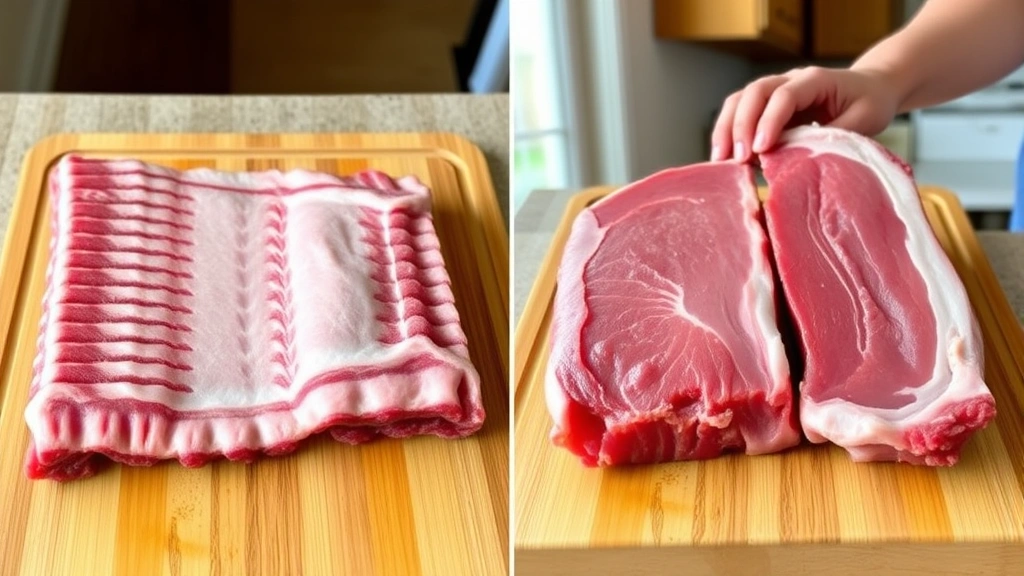
Spare ribs come from the lower chest area of the pig, specifically from the rib cage between the shoulder and the back leg. These ribs are larger and flatter than baby back ribs, with more meat and fat content. A typical rack of spare ribs weighs between 2.5 to 3.5 pounds and contains 11 to 13 bones. When you’re planning family meals with multiple children, the larger size of spare ribs means fewer racks needed to feed everyone.
The meat on spare ribs is darker and more flavorful than baby back ribs, with a higher fat content that keeps the meat moist during cooking. This makes spare ribs particularly forgiving for parents who are still mastering their grilling skills. The fat renders during cooking, creating a rich, savory flavor that most family members enjoy. The bones are thicker and sturdier, making them easier for children to handle once cooked properly.
Spare ribs are sometimes called “side ribs” or “spareribs” and are a traditional choice for barbecue restaurants and competitive BBQ cooking. The meat extends further down the bone than baby back ribs, giving you more to work with. If you’re looking to raise happy and healthy children, knowing how to prepare nutritious meals like ribs is valuable knowledge.
What Are Baby Back Ribs?
Baby back ribs come from the upper rib cage of the pig, closer to the spine and the loin section. Despite their name, “baby” doesn’t refer to the age of the pig but rather the size of the ribs compared to spare ribs. A typical rack of baby back ribs weighs between 1.5 to 2 pounds and contains 8 to 13 bones. These ribs are smaller, more curved, and more tender than spare ribs, making them an elegant choice for family dinners.
The meat on baby back ribs is leaner and more tender, with a milder flavor profile than spare ribs. This makes them an excellent choice if your family prefers less fatty cuts of meat. Baby back ribs cook faster than spare ribs, which is convenient for busy parents with tight schedules. The smaller size and increased tenderness make them particularly suitable for younger children who may struggle with larger, meatier cuts.
Baby back ribs are often featured on restaurant menus and are popular for competitive BBQ contests. They’re sometimes called “back ribs” or “loin ribs” and are known for their delicate texture. If you’re planning a special occasion and want an impressive presentation, baby back ribs offer an upscale appearance that guests will appreciate.
Key Differences Between Spare Ribs and Baby Back Ribs
Size and Weight: The most obvious difference between these two cuts is their size. Spare ribs are significantly larger, weighing 2.5 to 3.5 pounds per rack, while baby back ribs typically weigh 1.5 to 2 pounds. When you’re feeding a large family, spare ribs provide more meat per rack, reducing the number you need to purchase.
Meat-to-Bone Ratio: Spare ribs have more meat extending down the bones, offering a higher meat-to-bone ratio. Baby back ribs have less meat but are still substantial. For parents concerned about getting maximum nutrition from each meal, spare ribs provide more edible portions.
Fat Content: Spare ribs contain significantly more fat, which contributes to their richer flavor and juiciness. Baby back ribs are leaner, making them a healthier choice for families watching their fat intake. However, the fat in spare ribs is what keeps them moist during extended cooking times.
Tenderness: Baby back ribs are naturally more tender due to their location on the pig and the type of muscle fibers in that area. Spare ribs require longer cooking to achieve the same level of tenderness, but they’re still quite tender when prepared correctly.
Cooking Time: Baby back ribs cook faster, typically requiring 5 to 6 hours using the 3-2-1 smoking method or 1.5 to 2 hours in the oven. Spare ribs need 6 to 8 hours when smoking or 2 to 3 hours in the oven. For busy families, the shorter cooking time of baby back ribs can be a significant advantage.
Flavor Profile: Spare ribs have a deeper, more robust barbecue flavor due to their higher fat content. Baby back ribs offer a milder, more delicate taste. If your family enjoys traditional BBQ flavors, spare ribs are the better choice. If you prefer subtler flavors, baby back ribs are ideal.
Price: Spare ribs are generally less expensive per pound than baby back ribs, making them a budget-friendly option for large families. This cost difference can be significant when feeding multiple children.
Cooking Methods for Each Cut
Smoking Spare Ribs: Smoking is the traditional method for spare ribs, allowing the fat to render slowly and the smoke flavor to penetrate the meat. Using the 3-2-1 method—3 hours uncovered, 2 hours wrapped in foil, 1 hour unwrapped with sauce—produces exceptional results. The longer cooking time allows the collagen in the meat to break down, creating incredibly tender ribs. Many competitive BBQ teams prefer this method for spare ribs because it maximizes flavor development.
Oven-Baking Spare Ribs: For parents with limited outdoor cooking space, oven-baking is an excellent alternative. Place spare ribs on a lined baking sheet, cover with foil, and bake at 275°F for 2.5 to 3 hours. Remove the foil, apply your favorite sauce, and bake for an additional 30 minutes. This method is convenient and produces reliably delicious results, perfect for busy family schedules.
Smoking Baby Back Ribs: Baby back ribs benefit from the same smoking techniques as spare ribs but require less time. A modified 2-2-1 method works well: 2 hours uncovered, 2 hours wrapped in foil with liquid, 1 hour unwrapped with sauce. The reduced cooking time makes this ideal for parents who want authentic barbecue flavor without the all-day commitment.
Grilling Baby Back Ribs: Baby back ribs are excellent for direct grilling over indirect heat. Set up your grill for low, indirect heat and cook for 1.5 to 2 hours, turning every 30 minutes and basting with sauce. This method produces beautiful caramelization and is faster than smoking, making it practical for weeknight family dinners.
Boiling and Finishing: Some parents prefer to boil ribs briefly before grilling or smoking to reduce cooking time. While controversial among BBQ purists, this method can work for families with time constraints. Boil ribs for 30 minutes, then finish on the grill or smoker for flavor. This approach is practical for busy schedules while still delivering delicious results.
Nutrition Comparison for Health-Conscious Parents
Understanding the nutritional differences helps you make informed decisions about feeding your family healthy meals. According to the American Academy of Pediatrics, balanced nutrition is essential for growing children.
Spare Ribs (3 oz cooked): Approximately 280 calories, 24 grams of protein, 21 grams of fat, and 0 grams of carbohydrates. Spare ribs are excellent sources of B vitamins, particularly B12 and niacin, which support energy production and nervous system development. They also provide iron, zinc, and selenium, important minerals for children’s growth and immune function.
Baby Back Ribs (3 oz cooked): Approximately 210 calories, 23 grams of protein, 13 grams of fat, and 0 grams of carbohydrates. Baby back ribs offer similar nutritional benefits but with fewer calories and less fat, making them ideal for families watching their fat intake. They’re still excellent sources of B vitamins and minerals.
Both cuts provide substantial protein, which is crucial for children’s growth and development. The NHS recommends that children consume adequate protein at every meal. Ribs, when prepared without excessive added sugars in sauces, can be part of a balanced diet.
Tips for Healthier Preparation: Use sugar-free or low-sugar barbecue sauces to reduce added sugars. Trim visible fat from spare ribs before cooking if you’re concerned about fat content. Serve ribs with plenty of vegetables and whole grains to create a balanced meal. Limit portion sizes to appropriate servings for your children’s ages and activity levels.
Family-Friendly Preparation and Serving Tips
Choosing Between the Two: Select spare ribs if you’re feeding a large family on a budget, prefer richer flavors, and have time for longer cooking. Choose baby back ribs if you prefer leaner meat, need faster cooking times, or want a more elegant presentation. Consider your family’s flavor preferences—some children prefer the milder taste of baby back ribs, while others enjoy the robust flavor of spare ribs.
Preparation for Young Children: For toddlers and young children, ensure ribs are cooked until the meat easily separates from the bone. Cut larger pieces into manageable sizes to prevent choking hazards. Some parents prefer to remove meat from bones entirely for younger children, though allowing older children to enjoy gnawing on bones is part of the fun and helps develop motor skills.
Making Ribs Kid-Friendly: Use mild, slightly sweet barbecue sauces that appeal to children’s taste buds. Avoid heavily spiced rubs that might be too intense for younger palates. Let children help with preparation—they’re more likely to enjoy meals they’ve helped create. This ties into our parenting philosophy of involving children in food preparation.
Storage and Food Safety: Store raw ribs in the coldest part of your refrigerator and use within 3 to 5 days. Cooked ribs can be refrigerated for 3 to 4 days or frozen for up to 3 months. Always wash your hands thoroughly after handling raw meat and sanitize surfaces to prevent cross-contamination. According to the USDA Food Safety and Inspection Service, proper food handling is essential for family health.
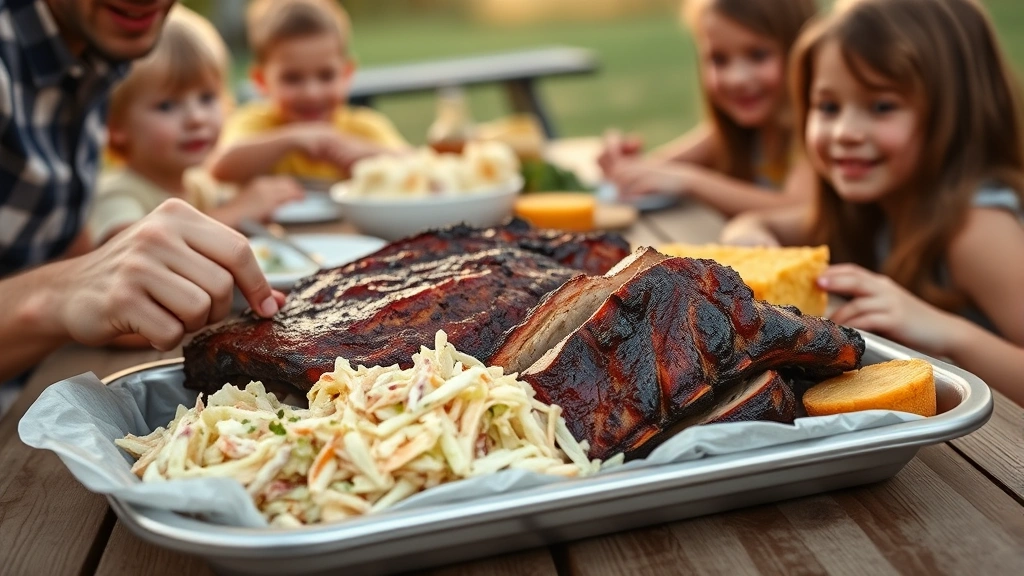
Side Dishes That Complement Ribs: Serve ribs with coleslaw, cornbread, baked beans, and grilled vegetables. These sides provide vegetables and fiber to balance the richness of the ribs. Let children choose their favorite sides to increase their investment in the meal.
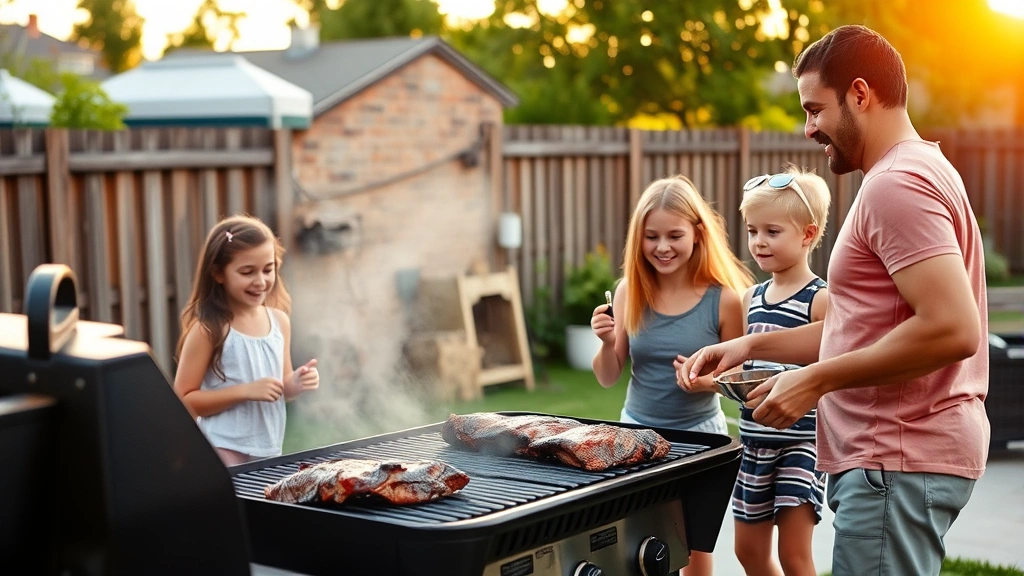
Making It a Family Event: Turn rib preparation into a family activity. Involve children in applying dry rubs, setting up the grill, and monitoring cooking times. This teaches them valuable cooking skills while creating lasting memories. Making memorable family moments through shared meals is invaluable for child development.
Frequently Asked Questions
Which ribs are better for beginners?
Baby back ribs are generally better for beginners because they cook faster and are naturally more tender. They’re more forgiving if you slightly overcook them. However, spare ribs are also beginner-friendly due to their higher fat content, which keeps them moist even with slight cooking errors. Both are excellent choices for first-time rib cooks.
Can I prepare ribs in advance?
Yes, you can apply dry rubs to ribs up to 24 hours in advance and refrigerate them. This allows flavors to penetrate the meat. You can also cook ribs a day ahead and reheat them gently in a low oven with a little sauce. This flexibility makes ribs convenient for busy families planning ahead.
How do I know when ribs are done?
Ribs are done when the meat pulls back from the bones by about a quarter inch and easily separates with a fork. The internal temperature should reach 190 to 203°F when measured at the thickest part of the meat (not touching bone). The meat should be tender enough to bite through but still hold together.
Are spare ribs or baby back ribs better for grilling?
Baby back ribs are generally better for grilling because they cook faster and fit more easily on standard grills. Spare ribs can be grilled but require careful heat management due to their larger size. Both can produce excellent results with proper technique.
What’s the best barbecue sauce for each type?
Spare ribs pair well with bold, smoky sauces that complement their rich flavor. Baby back ribs work beautifully with sweeter, lighter sauces that enhance their delicate taste. Ultimately, choose sauces your family enjoys—there are no strict rules.
How much should I plan to serve per person?
Plan for approximately 0.5 to 0.75 pounds of ribs per person for adults and 0.25 to 0.5 pounds for children, depending on appetite and available side dishes. This means one rack of spare ribs feeds 3 to 4 adults, while one rack of baby back ribs feeds 2 to 3 adults.
Can I cook ribs in a slow cooker?
Yes, ribs can be cooked in a slow cooker for 4 to 6 hours on low heat. While you won’t achieve traditional barbecue smoke flavor, slow cooker ribs are incredibly tender and convenient for busy parents. Finish them on the grill or under the broiler with sauce for better browning and flavor.