Why Do Babies Love Chips? The Science Behind It
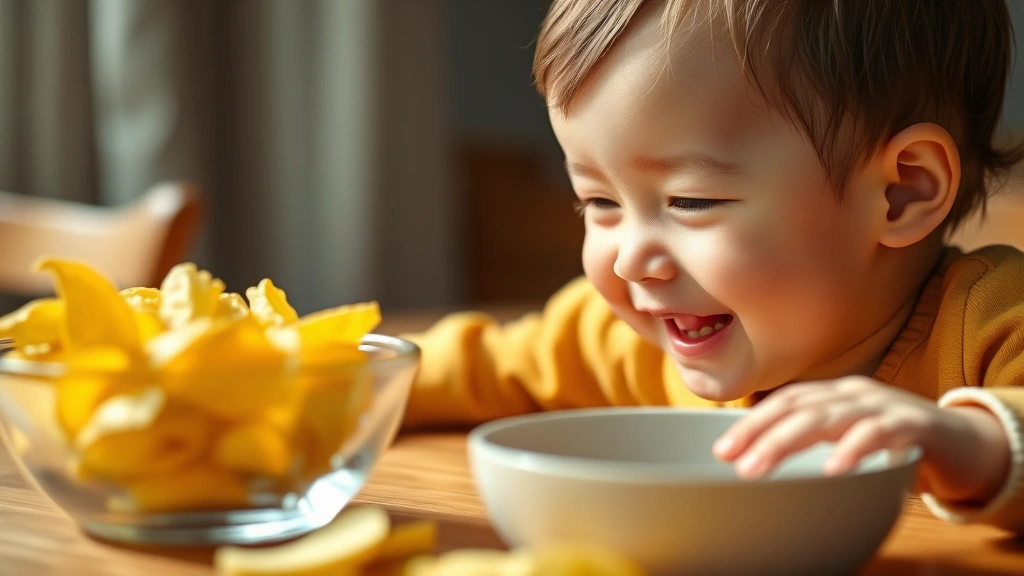
If you’ve ever turned your back for thirty seconds only to find your baby gleefully gumming on a handful of your potato chips, you’re not alone. That moment of “stop taking my chips, I’m just a baby” panic is practically a rite of passage for parents everywhere. But here’s the thing: your baby’s obsession with your snacks isn’t random. There’s actually legitimate science explaining why those salty, crunchy morsels are so irresistible to your little one.
The answer involves taste buds, sensory development, texture fascination, and yes, a healthy dose of “if mom has it, it must be amazing” logic. Understanding why babies are drawn to chips—and more importantly, what you should do about it—can help you navigate mealtimes with less frustration and more confidence.
Let’s dive into the fascinating world of baby taste preferences and snack-time behavior, because knowing the “why” makes handling the “what now” so much easier.
The Taste Bud Timeline: When Babies Discover Salt
Newborns are born with approximately 10,000 taste buds, which is actually more than adults have. However, their ability to detect and appreciate different flavors develops gradually over time. In those earliest months, babies primarily taste sweetness and can detect bitterness—evolutionary traits designed to help them accept breast milk and reject potentially toxic substances.
Around four to six months, something shifts. Babies begin developing a preference for salt. This isn’t a learned behavior; it’s a biological milestone. Research from the American Academy of Pediatrics shows that salt receptors become more sensitive during this developmental window. Your baby isn’t being naughty when they reach for your chips—their taste buds are literally waking up to a whole new flavor dimension.
By the time babies are eating solid foods regularly, they’ve discovered that salt makes things taste more interesting. It enhances other flavors, makes food more complex, and creates a sensation that their developing palate finds genuinely exciting. When they see you enjoying something salty, their curiosity is both biological and behavioral.
The key here is that this phase is completely normal. Your baby isn’t deficient or unusual for being drawn to saltier foods. Their sensory system is doing exactly what it’s supposed to do.
Texture Exploration and Sensory Development
Beyond taste, chips offer something equally compelling to babies: texture. That satisfying crunch, the way chips dissolve on the tongue, the resistance they provide when chewed—all of this is incredibly stimulating to a baby’s developing sensory system.
Babies explore the world through their mouths, especially between six and eighteen months. This isn’t just curiosity; it’s a critical developmental stage. They’re learning about cause and effect (if I bite, it breaks), texture variation (soft vs. crunchy), and oral motor control. Chips are particularly effective at this because they offer immediate feedback—the crunch is rewarding, and the disintegration pattern is predictable.
This is why babies often prefer crunchy snacks to soft ones, even when the soft options taste better. The sensory experience is more engaging. It’s the same reason they love crushing crackers, gnawing on teething toys, and demolishing puffs with their emerging teeth.
If you’re looking for safer crunchy alternatives, consider baby puffs, which offer similar sensory satisfaction without the salt overload. You might also explore other baby snacks specifically designed for this developmental stage.
The Psychology of “I Want What You Have”
Here’s where parenting gets delightfully ironic: the moment you pull out a snack for yourself, your baby becomes convinced it’s the most valuable item in the room. This isn’t accidental. It’s a well-documented behavioral pattern called “observational learning” or more colloquially, “if mom wants it, it must be good.”
Babies are incredibly attuned to their caregivers’ preferences and behaviors. When you reach for chips, you’re essentially signaling to your baby that this is a desirable food. Your enthusiasm becomes their enthusiasm. The fact that you’re actively protecting your snack only amplifies its appeal—it’s now not just food, it’s forbidden fruit, and forbidden fruit is infinitely more interesting to a curious baby.
This psychological component explains why babies often show more interest in your food than their own perfectly good alternatives. It’s not about hunger or nutritional need; it’s about social engagement and the thrill of accessing something that seems special or restricted.
Understanding this dynamic is crucial for implementing positive parenting techniques around mealtimes. When you recognize that your baby’s chip obsession is partly about mimicking you, you can address it with more patience and less frustration.
Why Chips Are Particularly Tempting
If your baby had to pick one snack to be obsessed with, chips are almost the worst choice from a parental perspective—and the best choice from a baby’s perspective. Let’s break down what makes them so irresistible.
Sodium Appeal: As mentioned, babies’ developing taste buds are newly sensitive to salt. Chips are essentially concentrated salt delivery vehicles, making them a flavor explosion compared to most baby foods.
Satisfying Crunch: That auditory and tactile feedback is genuinely rewarding for developing brains. The sound of the crunch, the resistance of the chip, the way it breaks apart—all of this is stimulating.
Grease Factor: The oil coating chips provides a different mouthfeel than most baby foods. It’s smooth, it’s interesting, and it carries flavor more effectively than dry foods.
Visual Appeal: Chips are colorful (often), they’re interesting shapes, and they move unpredictably when a baby grabs them. This visual stimulation is part of their appeal.
Social Observation: Most importantly, they watch you enjoy chips. You’re modeling enthusiasm for this food, which makes it seem valuable and worth pursuing.
When you’re thinking about baby snacks, it helps to understand what makes certain foods appealing so you can find healthier alternatives with similar sensory profiles.
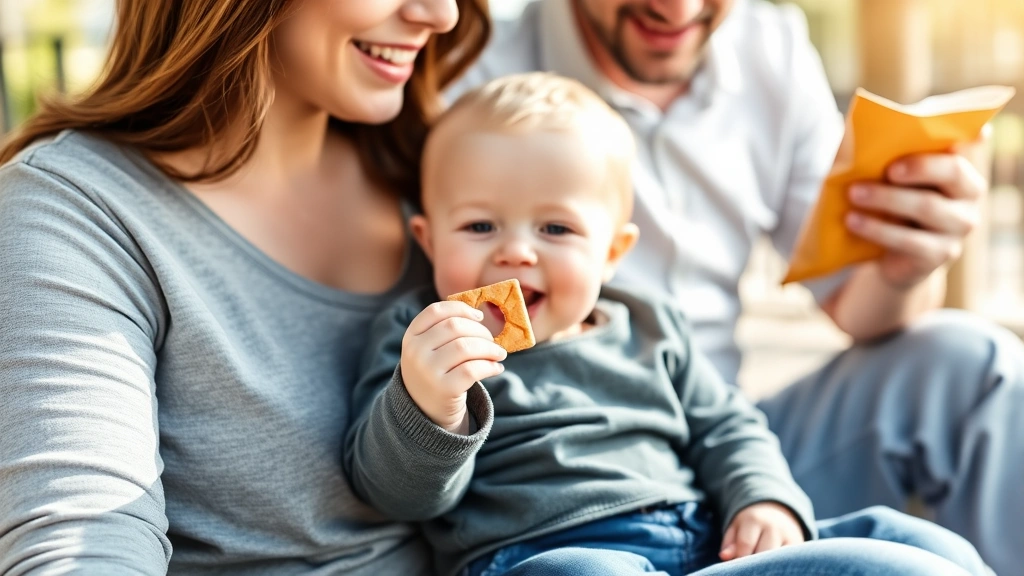
Health Concerns: Are Chips Actually Dangerous?
Let’s address the concern that probably brought you here: is it actually bad if your baby eats a chip or two? The honest answer is nuanced.
An occasional chip won’t cause lasting harm. If your baby manages to snag one from your plate and gums it for a few seconds, you don’t need to panic. However, regular consumption of chips isn’t recommended for babies, and here’s why:
Sodium Content: Babies under twelve months should consume less than 400mg of sodium per day. A single serving of potato chips can contain 150-200mg. For babies eating regular solid foods, chips can quickly push them over healthy sodium limits, which can stress developing kidneys.
Choking Risk: While soft chips dissolve relatively quickly, they can still pose a choking hazard for babies under twelve months, particularly those still developing their chewing skills. The CDC provides guidance on food safety for young children, including choking prevention.
Nutritional Void: Chips provide calories but minimal nutritional value—no vitamins, no minerals, no protein. For babies with limited stomach capacity, every bite should count nutritionally.
Habit Formation: Early exposure to salty, fatty foods can influence taste preferences throughout childhood. Establishing healthy eating patterns now matters.
The goal isn’t to create a chip-free childhood; it’s to establish reasonable boundaries while acknowledging that your baby’s interest in your snacks is completely developmentally normal.
Healthier Alternatives That Satisfy the Craving
The good news? You don’t have to choose between your baby’s sensory needs and their health. There are numerous alternatives that provide the crunch, texture, and interest of chips without the downsides.
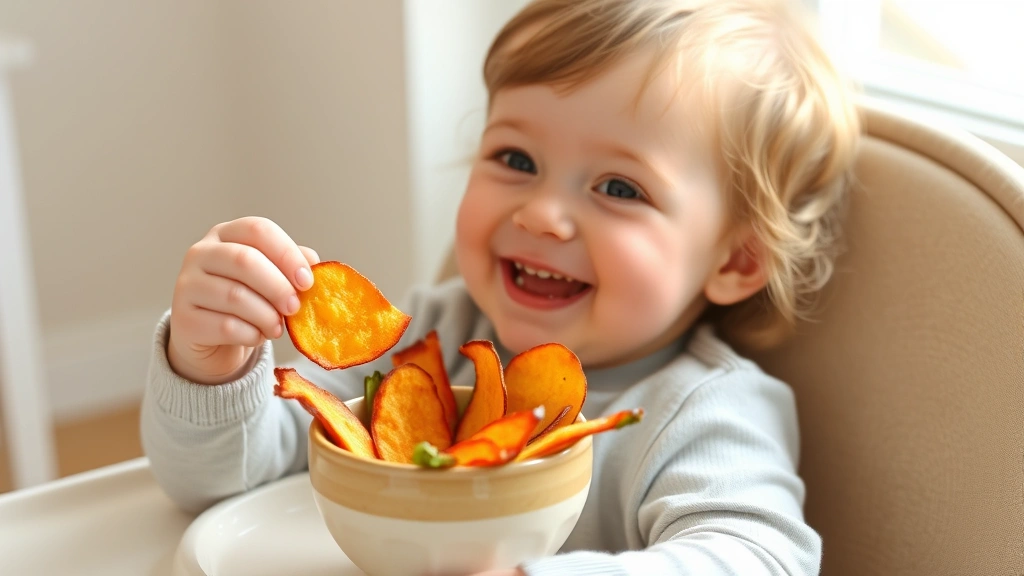
Homemade Vegetable Chips: You can make your own using a baby food maker or standard kitchen tools. Thinly slice sweet potatoes, beets, or zucchini, lightly oil them, and bake until crispy. You control the salt completely.
Commercial Baby Crisps: Brands specifically formulate products for babies with appropriate sodium levels and textures. These offer the crunch appeal without the nutritional concerns.
Toast Strips: Whole grain toast cut into strips provides satisfying crunch and texture. You can make them slightly crispy for maximum sensory appeal.
Freeze-Dried Fruit: Options like freeze-dried strawberries or apples provide crunch with nutritional value. They dissolve quickly and pose minimal choking risk.
Teething Crackers: Specifically designed for babies, these dissolve safely while providing the crunchy sensation and sensory feedback babies crave.
Cheese Puffs (Baby Version): Similar to baby puffs, but with a bit more texture variation for older babies.
The key is finding alternatives that satisfy the sensory need while fitting within healthy nutrition guidelines. Most babies will happily accept these substitutes, especially if you make a point of enjoying them together.
Setting Boundaries Without the Battle
Knowing why your baby loves chips is one thing; managing the behavior is another. Here are practical strategies for navigating chip-time without constant conflict.
Be Proactive, Not Reactive: If you know your baby will want your snack, have an alternative ready before you open your chips. Offering a substitute before they ask is far easier than refusing after they’ve spotted your snack.
Make Your Food Less Visible: This sounds silly, but it works. Eat chips from a bowl you keep on a higher surface, or snack when your baby is engaged in play. Out of sight, out of mind is surprisingly effective with babies.
Create Snack Time Together: Instead of treating your snacking as separate from theirs, make it a shared experience with age-appropriate alternatives. You eat your chips, they eat their crackers. You’re both snacking, but appropriately for your respective ages.
Use It as a Teaching Moment: Around eighteen months and beyond, you can start explaining “mama’s snack” versus “your snack.” This isn’t about restriction; it’s about learning that different people eat different things.
Implement Consistent Boundaries: If chips are off-limits, they’re off-limits every time. Inconsistency creates more negotiation attempts. Babies thrive with clear, predictable rules.
Acknowledge Their Interest: “I see you want what I’m eating. That’s a chip—it’s salty and crunchy. Here’s your crackers—they’re crunchy too!” Validating their interest while redirecting is more effective than just saying no.
For broader strategies on managing these kinds of behavioral moments, exploring parenting advice resources can provide additional context and techniques.
Remember, this phase is temporary. Your baby’s interest in your snacks will evolve as they grow, their taste preferences develop, and they gain more autonomy. The way you handle it now—with understanding rather than frustration—sets the tone for how they approach food and boundaries in the future.
Frequently Asked Questions
At what age can babies safely eat chips?
Technically, babies can gum soft chips around six months when they start solids, but whole chips pose a choking risk until around twelve months when their chewing skills are more developed. Even then, chips aren’t nutritionally necessary and should be occasional at best. Focus on age-appropriate alternatives that provide better nutrition.
Is it okay if my baby eats one chip occasionally?
One chip occasionally won’t cause harm. The concern is regular consumption, which can exceed healthy sodium limits and displace more nutritious foods. Occasional exposure is fine; regular snacking on chips isn’t recommended.
Why does my baby prefer chips to their regular baby food?
Chips offer more intense sensory stimulation—salt, crunch, texture variation—compared to many baby foods. Additionally, watching you enjoy them makes them seem more desirable. It’s not that chips taste better to babies; they’re just more stimulating and appear more interesting because you’re interested in them.
Can I make healthy homemade chips for my baby?
Absolutely. Homemade vegetable chips made from sweet potatoes, beets, or carrots offer the crunch appeal with better nutrition and controlled sodium. Bake them until crispy rather than frying them for a healthier option.
What should I do if my baby keeps grabbing my chips?
Prevention is easier than correction. Have a suitable alternative ready before you eat, keep your snacks at a height your baby can’t easily reach, or snack when they’re engaged elsewhere. Offering a substitute before they ask is far more effective than repeatedly saying no.
Are commercial baby chips safe?
Yes, products specifically formulated for babies are safe and designed with appropriate sodium levels and textures for their age. They’re a reasonable occasional snack, though whole foods are still preferable for most of a baby’s diet.
Does my baby’s interest in salty foods mean they have a sodium deficiency?
No. Babies’ developing taste buds become more sensitive to salt around four to six months, which is a normal developmental milestone. This increased interest in salt doesn’t indicate a deficiency; it’s simply their sensory system maturing. Babies actually need very little sodium, and most get adequate amounts from breast milk or formula plus regular foods.