When Do You Stop Burping a Baby? Expert Insights on This Essential Milestone
If you’re a new parent, burping your baby probably feels like second nature by now—or maybe it still makes you nervous every single time. That gentle pat-pat-pat on the back has become your rhythm, your reassurance that your little one is comfortable and ready for the next feeding. But here’s the question that inevitably crosses every parent’s mind: when do you actually stop burping a baby?
The truth is, there’s no magical age where burping suddenly becomes unnecessary. Instead, it’s a gradual transition that depends on your baby’s development, eating habits, and individual needs. Some babies naturally stop needing burps by six months, while others benefit from gentle burping well into their first year. Understanding the signs that your baby is ready to move on—and recognizing when they still need that supportive pat—gives you the confidence to trust your instincts and adapt your routine accordingly.
This guide breaks down everything you need to know about burping, from why babies need it in the first place to the telltale signs that you can finally retire this part of your parenting playbook. You’ll learn practical strategies, common mistakes to avoid, and exactly what developmental milestones matter most when it comes to this everyday caregiving task.
Why Do Babies Need Burping?
Before we talk about when to stop, let’s clarify why burping matters in the first place. When babies feed—whether bottle or breast—they inevitably swallow air along with milk. This air creates gas bubbles in their stomach and digestive tract, which can cause discomfort, bloating, and fussiness if not released.
Newborns and young infants lack the muscle coordination and body awareness to burp on their own. Their digestive systems are still developing, and they can’t consciously relax their esophageal sphincter to release trapped gas the way older children and adults do. That’s where you come in. A gentle burp session helps move that air up and out, providing immediate relief and preventing the kind of distress that leads to inconsolable crying and sleepless nights.
Burping is especially important for bottle-fed babies, who tend to ingest more air due to the mechanics of bottle feeding. Breastfed babies typically swallow less air because of how breast milk flows, but they still benefit from burping—particularly if they’re very hungry or feeding quickly.
According to the American Academy of Pediatrics, burping is a normal and helpful part of infant care during the early months. It’s not something to stress about, but rather a practical tool that makes your baby more comfortable and helps them sleep better after meals.
Typical Age When Babies Stop Needing Burps
Most babies naturally stop needing burps somewhere between four and six months of age. This isn’t a hard rule—it’s more of a general guideline based on typical developmental progression. By this age, several important changes happen in your baby’s body and behavior.
First, your baby’s digestive system matures significantly. The muscles that control swallowing and digestion become more coordinated, and your baby’s body becomes more efficient at processing milk. Second, by around five to six months, babies typically develop better head and neck control. When you consider when babies hold their head up with confidence, you’re looking at a baby whose entire body is more coordinated—including their digestive tract.
Additionally, around four months, many babies begin to move around more independently. They roll, shift positions, and change their posture throughout the day. This natural movement helps move gas through their system without requiring deliberate burping sessions.
However—and this is important—some babies may still benefit from burping closer to nine or twelve months, especially if they’re particularly gassy or if they’re transitioning to solid foods. Every baby is different, and your individual child’s needs matter more than any general guideline.
Signs Your Baby Is Ready to Stop Burping
Rather than watching the calendar, pay attention to these concrete signs that your baby might be ready to graduate from burping:
- They rarely burp during sessions. If you’re patting for five minutes and nothing comes up, your baby’s body might be handling gas on its own now.
- No visible discomfort after feeds. Your baby finishes eating and seems content, not fussy or bloated. They’re not pulling their legs up or arching their back in that classic gas-pain position.
- They burp spontaneously. You might notice your baby burping on their own throughout the day—a sign their body is managing air independently.
- Improved head and neck control. Your baby can hold their head steady and move it around with purpose. This suggests their overall muscular development is progressing well.
- Longer sleep stretches after meals. Instead of waking up fussy an hour after eating, your baby sleeps peacefully for two to three hours. This indicates they’re not experiencing post-meal discomfort from trapped gas.
- Consistent feeding patterns. Your baby eats at a normal pace without gulping frantically, which naturally means less air is being swallowed.
- Introduction of solid foods. Once your baby starts eating solids around six months, their digestive system handles food differently, and burping becomes less critical.
The most reliable sign is behavioral: if your baby genuinely seems fine without burping, they probably are. Babies are excellent communicators when something bothers them, and if trapped gas was causing problems, you’d know it.
How to Transition Away from Burping
Don’t just quit cold turkey. The smartest approach is a gradual transition that lets you monitor your baby’s comfort level while slowly phasing out burping sessions.
Start with one fewer burp session. If you’re currently burping during feeds and after feeds, try skipping the after-feed burp for a few days. Pay close attention to your baby’s behavior. Are they fussier than usual? Do they spit up more? If everything seems fine, you’ve successfully eliminated one burping opportunity.
This approach aligns beautifully with broader essential parenting advice for raising happy and healthy children—trusting your observations and making gradual changes rather than dramatic shifts.
Watch for two to three days before making another change. Give your baby’s system time to adjust. Some babies need a few days to prove they’re genuinely fine without that extra burp.
Shorten burping sessions. Instead of patting for five minutes, try three. If your baby burps within the first minute or two, you’ve accomplished the goal. If nothing happens after two minutes, stop. There’s no benefit to continuing.
Try different positions. Sometimes a baby who won’t burp over your shoulder will burp if you hold them upright against your chest or lay them across your lap. Different positions can make burping easier and quicker, which means you might naturally spend less time on it.
Trust your baby’s cues. If your baby starts acting uncomfortable after you’ve eliminated burping, simply reintroduce it. There’s zero shame in this. Your baby’s comfort matters infinitely more than following a timeline.

Burping Techniques That Work Best
Since you’ll likely be burping your baby for at least several months, using the right technique makes the process faster and more effective. Here are the most reliable methods:
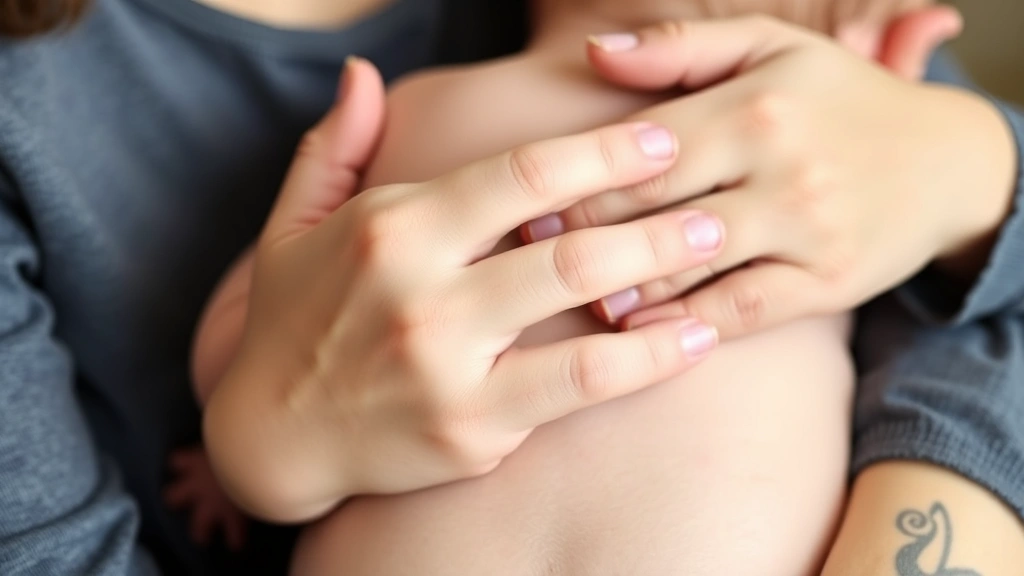
The Over-the-Shoulder Method is the most popular and often the most effective. Hold your baby upright against your chest with their chin resting on your shoulder. Their stomach should be pressed gently against your body. Using your hand, pat or rub their back in gentle, rhythmic motions. The pressure from your body combined with the back motion helps move gas upward.
The Sitting-on-Your-Lap Method works well for babies with good head control. Sit your baby upright on your lap, supporting their chin and chest with one hand while patting their back with the other. This position gives you excellent control and visibility to see if your baby is uncomfortable.
The Across-Your-Lap Method is ideal for babies who seem uncomfortable in upright positions. Lay your baby face-down across your lap with their head turned to the side (never face-down directly into your lap—always turn their head to ensure clear airway). Gently rub or pat their back. This position can be surprisingly effective, though it requires careful attention to safety.
Regardless of which technique you choose, keep these principles in mind: be gentle, support your baby’s head and neck fully, and avoid patting so hard that you’re actually pounding. Smooth, rhythmic motions work better than aggressive patting. And always burp your baby in a position where you can clearly see their face and ensure their airway is clear.
Common Mistakes Parents Make
Even experienced parents sometimes approach burping in ways that make it less effective or more stressful than necessary.
Burping for too long. Parents sometimes feel like they’re not doing their job unless they burp for a solid five to ten minutes. In reality, most babies burp within the first two to three minutes. If nothing comes up after that, your baby probably doesn’t have a burp to give right now. Continuing to pat accomplishes nothing except frustration.
Waiting too long after feeds. Burping works best immediately after feeding, while your baby is still upright and the air is relatively fresh in their system. Waiting thirty minutes or an hour makes burping much less effective.
Burping a sleeping baby unnecessarily. If your baby falls asleep while eating and seems genuinely content and comfortable, you don’t have to wake them to burp. If they genuinely have gas, they’ll let you know by fussing. Prioritize sleep when your baby clearly needs it.
Forcing burping on a baby who’s doing fine. This ties back to trusting your observations. If your baby consistently doesn’t burp, seems comfortable, and sleeps well, that’s valuable information. Some babies just don’t need as much help with gas as others.
Forgetting to burp bottle-fed babies adequately. Because bottle-fed babies swallow more air, they genuinely do need burping more consistently than breastfed babies. Don’t skip this step just because some sources suggest it’s optional.
Panicking about spit-up.** Some spit-up during or after burping is completely normal and not a sign that something is wrong. As long as your baby is gaining weight and seems healthy otherwise, occasional spit-up is just part of the process. That said, if spit-up is excessive or your baby seems to be in pain, mention it to your pediatrician.
As your baby grows and you introduce baby puffs and other finger foods, you’ll notice their overall digestive comfort improves. This is another sign that their system is maturing and becoming more efficient.
Frequently Asked Questions
What if my baby never burps?
Not all babies burp, and that’s completely fine. Some babies have less air in their system naturally, or their bodies are efficient at managing gas without needing your help. If your baby seems comfortable and content, they don’t need to burp. Don’t stress yourself trying to force something that isn’t happening.
Can I burp my baby too much?
While burping itself isn’t harmful, excessive burping can sometimes introduce more air into your baby’s system or cause unnecessary discomfort. Stick to burping during and immediately after feeds, then move on. You don’t need burping sessions throughout the day unless your baby is showing signs of gas discomfort.
Should I burp a breastfed baby as much as a bottle-fed baby?
Breastfed babies typically need less burping than bottle-fed babies because they swallow less air. However, many breastfed babies still benefit from at least one burp session, particularly if they’re nursing quickly or seem uncomfortable. Pay attention to your individual baby’s needs rather than following a strict rule.
What’s the difference between gas discomfort and normal fussiness?
Gas-related discomfort usually involves your baby pulling their knees toward their chest, arching their back, or crying in a particular pattern. They might seem uncomfortable for a few minutes, then settle down after burping. General fussiness tends to be more sustained and isn’t relieved by burping. If you’re unsure, burp your baby and see if it helps. It’s a safe way to test the theory.
Can I use gripe water or gas drops instead of burping?
These products can be helpful supplements, but they’re not replacements for burping. Burping physically removes air from your baby’s stomach, while gas drops and gripe water help your baby process gas more easily. Many parents use both strategies together for maximum comfort. Always check with your pediatrician before starting any new products.
What if my baby seems uncomfortable even after burping?
Occasional discomfort after burping can happen for various reasons. Try different burping positions, ensure your baby isn’t eating too quickly, and make sure you’re not overfeeding. If discomfort is persistent or severe, mention it to your pediatrician. Conditions like reflux or food sensitivities can cause ongoing discomfort that goes beyond typical gas.
Should I burp my baby if they’re sleeping peacefully after a feed?
This is a judgment call. If your baby is deeply asleep and seems genuinely comfortable, sleep often takes priority. However, if your baby tends to wake up fussy or uncomfortable, a gentle burp might prevent that disruption. You’ll learn your baby’s patterns and can adjust accordingly.
When should I start worrying that my baby has a gas problem?
Occasional gas is completely normal and expected in babies. However, if your baby seems to be in significant pain, cries excessively, has trouble sleeping, or shows other concerning symptoms, contact your pediatrician. They can rule out conditions like colic, reflux, or food allergies. According to the CDC’s developmental milestone information, developmental concerns are separate from digestive issues, but your pediatrician can help you distinguish between normal infant behavior and genuine problems.