6-12 Months Baby Food Chart: Your Complete Downloadable Guide to Feeding Milestones
Somewhere between five and six months, your baby starts giving you those telltale signs: they’re sitting up with minimal support, their tongue-thrust reflex has faded, and suddenly they’re eyeing your lunch plate with genuine interest. This is the moment everything changes. Introducing solid foods isn’t just about nutrition—it’s about opening a whole new world of flavors, textures, and developmental milestones that’ll reshape your daily routine.
The journey from breast milk or formula to a diverse diet spanning the next six months can feel overwhelming. What should go in first? When can they try eggs? Is that texture too lumpy? These questions keep parents up at night, and honestly, having a reliable 6 to 12 months baby food chart PDF at your fingertips makes all the difference. This guide walks you through exactly what to introduce when, why timing matters, and how to spot signs your little one is ready for the next stage.
Think of this as your roadmap through one of parenting’s most exciting (and sometimes messy) phases. We’ve broken down month-by-month recommendations, included practical tips you’ll actually use, and created a downloadable resource that stays on your phone for quick reference at 2 AM when you’re wondering if sweet potatoes are appropriate yet.
Signs Your Baby Is Ready for Solids
Not all six-month-olds are developmentally ready for solids at exactly six months, despite what the calendar says. Developmental readiness trumps age every single time. Here’s what genuine readiness actually looks like:
- Sitting up independently or with minimal support: Your baby should be able to maintain an upright position without flopping sideways. This isn’t about perfect posture—it’s about trunk control. If you’re curious about the broader picture of physical development, understanding when do babies hold their head up gives context for how these milestones build on each other.
- Loss of the tongue-thrust reflex: Place a small amount of food on their lower lip. If it automatically gets pushed back out, they’re not ready. If they draw it into their mouth, you’re making progress.
- Genuine interest in food: They’re reaching for your plate, following food with their eyes, and mimicking chewing motions. This curiosity is real and different from random hand-to-mouth exploration.
- Ability to move food from front to back of mouth: Watch for coordinated tongue movements, not just random mouth opening.
- Doubling of birth weight: Most babies are ready around this point, though some heavier babies might show readiness earlier.
The American Academy of Pediatrics emphasizes that individual developmental readiness matters more than arbitrary age markers. Trust your pediatrician’s guidance and your own observations over generic timelines.
6-8 Months: Starting the Solids Journey
This first phase is all about introduction and observation. You’re not trying to replace milk feeds yet—you’re adding one or two meals daily alongside your normal feeding schedule. Most babies this age still get 80-90% of their calories from breast milk or formula.
What to introduce first:
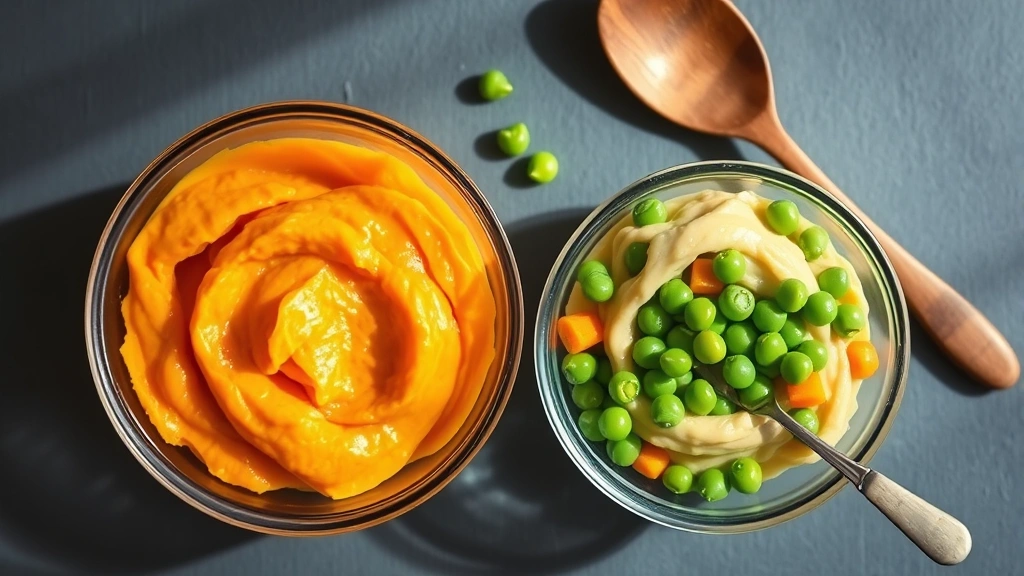
Start with single-ingredient purees. Iron-fortified baby cereal has been the traditional starting point for generations, and it remains a solid choice. Baby oatmeal offers a gentle introduction with natural nutrients. Move into simple vegetable and fruit purees—sweet potato, carrot, pumpkin, apple, pear, and prune are classics for good reason.
The order matters less than consistency and observation. Introduce one new food every three to five days, watching for any signs of allergic reaction or digestive upset. This spacing lets you identify problematic foods clearly. If your baby loves green beans on day one and develops a rash on day two, you know exactly what caused it.
Texture and consistency:
Think of consistency like thin applesauce at this stage. If you’re making your own food, blend it smooth with breast milk, formula, or water to reach the right texture. A baby food maker eliminates guesswork and makes batch preparation infinitely easier than trying to puree everything by hand.
Feeding frequency:
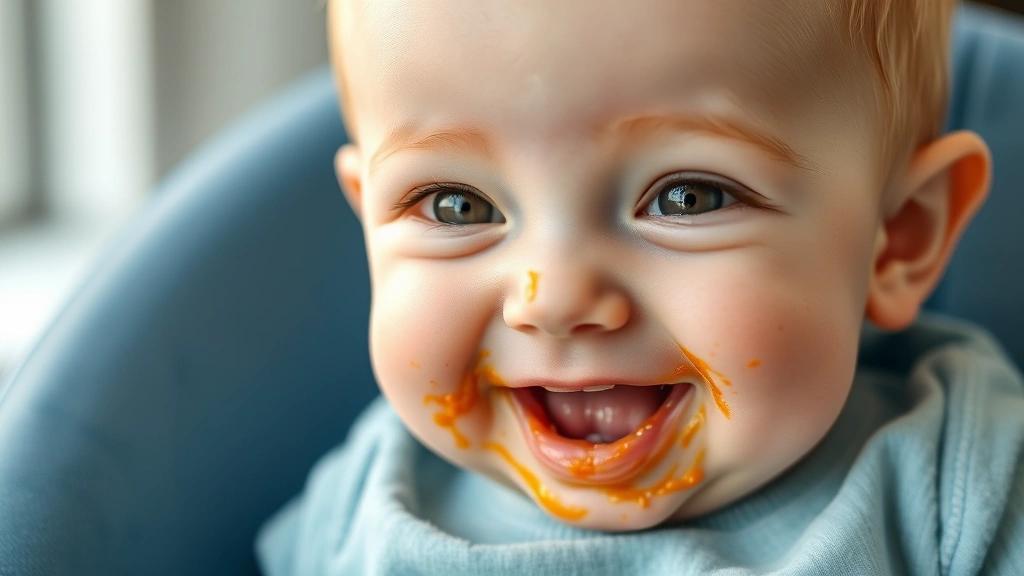
Start with one meal daily—just a tablespoon or two. Watch your baby’s interest and appetite. By eight months, many babies are enjoying two meals daily, with portions creeping up to three or four tablespoons. There’s no rush. Some babies take weeks to show enthusiasm for solids, and that’s completely normal.
8-10 Months: Expanding Textures and Tastes
Around eight months, something shifts. Your baby’s ready for slightly thicker textures and more variety. This is where things get genuinely interesting—and messier.
Texture progression:
Move from smooth purees to mashed foods with tiny soft lumps. Mash banana with a fork instead of blending it completely. Blend sweet potato but leave it slightly chunkier. Your baby’s developing jaw and tongue coordination need this challenge to progress properly. Babies who only eat perfectly smooth food sometimes struggle with texture transitions later.
Introducing combination foods:
Now’s the time to combine flavors. Mix prune with pear, add a tiny bit of cinnamon to applesauce, or combine sweet potato with a vegetable. These combinations reduce boredom and expand your baby’s palate. Try banana pancakes for baby as a fun finger food option if your little one’s showing interest in self-feeding.
Finger foods and self-feeding:
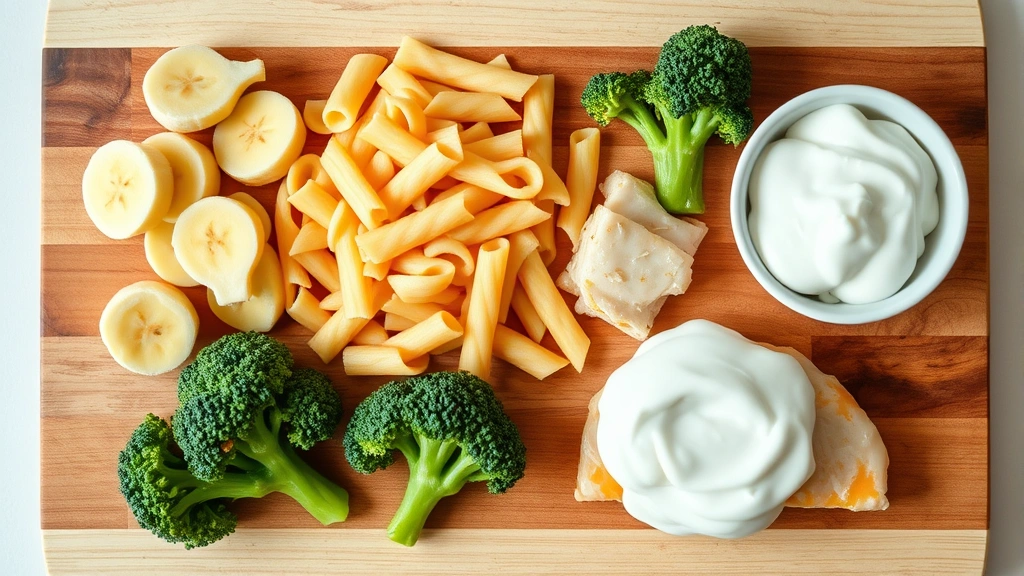
Introduce soft finger foods around eight months if your baby shows readiness signs—reaching for food, trying to grab the spoon, bringing objects to their mouth. Start with baby puffs, soft banana pieces, well-cooked pasta, and flaked fish. Self-feeding is messy and slow, but it builds crucial motor skills and independence.
Meal frequency:
Most babies this age enjoy two to three meals daily, plus snacks. Portions increase to four to eight tablespoons per meal. Your baby’s still getting significant nutrition from milk feeds, which typically happen four to six times daily at this stage.
10-12 Months: Approaching Toddlerhood
By ten months, your baby’s becoming a tiny person with actual food opinions. They might love butternut squash but reject peas with theatrical offense. They’re probably eating three meals daily plus snacks, and their diet increasingly resembles what the family eats (with modifications).
Texture evolution:
Lumpy mashes transition toward chopped foods. Small, soft pieces replace purees almost entirely. Your baby’s developing the ability to chew and manage more complex textures. This doesn’t mean crunchy or hard—soft and chopped remains the standard until around 18 months.
Introducing more challenging foods:
By 12 months, most babies can handle dairy (yogurt, cheese, milk in cooking), eggs, peanut butter (thinned with water), and fish. Early introduction of common allergens actually reduces allergic sensitization, according to recent research. Introduce these foods at home during the day when you can monitor your baby closely, not at a restaurant or before bedtime.
Hydration:
Start offering water in an open cup or sippy cup around six months. By 12 months, water should accompany meals. Don’t overdo it—too much water can interfere with milk intake and nutrient absorption. A few ounces daily is plenty.
What to avoid:
Honey remains off-limits until 12 months due to botulism risk. Avoid added salt and sugar. Skip choking hazards: whole nuts, popcorn, hard candy, whole grapes (cut lengthwise first), and hot dogs unless sliced lengthwise then into quarters. Avoid unpasteurized dairy and raw or undercooked eggs, meat, and fish.
Safety Guidelines and Allergen Introduction
Food safety and allergen management deserve serious attention. This isn’t about being paranoid—it’s about informed, confident feeding.
Choking prevention:
Choking is a legitimate concern, but it’s largely preventable through smart food choices and supervision. Always supervise eating. Ensure foods are appropriately soft and sized for your baby’s mouth. Watch for gagging—it’s actually a protective reflex and different from choking. Gagging sounds like coughing; choking is silent or accompanied by weak cries.
Allergen introduction strategy:
The old guidance of waiting until 12 months to introduce allergens has shifted. Current research suggests early introduction of common allergens may actually reduce allergic sensitization. Introduce one allergenic food at a time at home during daylight hours when you can monitor closely. Watch for hives, swelling, vomiting, diarrhea, or difficulty breathing. If your family has allergies, discuss timing with your pediatrician.
Food storage and preparation:
Homemade baby food keeps three days in the refrigerator, three months frozen in ice cube trays. Thaw in the refrigerator or warm water—never the microwave, which creates hot spots. Commercial baby food follows package guidance. Always check expiration dates. Wash produce thoroughly and use clean equipment.
Watching for signs of distress:
Vomiting, diarrhea, constipation, rashes, or excessive fussiness after introducing a new food warrant attention. Wait a week before reintroducing the suspected food, or skip it entirely for now. You can try again at 18-24 months when your baby’s digestive system has matured.
How to Use Your Baby Food Chart Effectively
A comprehensive baby food chart keeps you organized and confident. Here’s how to make it work for your family:
Month-by-month organization:
Your downloadable chart should break down recommendations by month, listing appropriate foods, suggested textures, portion sizes, and feeding frequency. This structure lets you quickly reference what’s appropriate for your baby’s current stage without second-guessing every meal.
Customization for your family:
Print the chart and annotate it. Note which foods your baby loves and which they reject. Record any foods that caused digestive upset. Add family favorites that fit the guidelines. Make it personal. A chart that reflects your actual experience becomes infinitely more useful than a generic template.
Tracking patterns:
Notice patterns in your baby’s preferences and digestion. Does your baby do better with certain textures? Do certain foods cause constipation? Does evening feeding affect sleep? These observations guide your choices and help you avoid repeating issues.
Sharing with caregivers:
If your baby spends time with grandparents, daycare, or other caregivers, share your chart. It eliminates confusion about what’s appropriate and when. Consistency across environments helps everyone feel confident.
Transitioning beyond the chart:
By 12 months, your baby doesn’t need a special chart anymore—they’re eating family foods with modifications. The chart has served its purpose when you no longer need to reference it because feeding has become intuitive.
Frequently Asked Questions
When exactly should I start solids?
Look for developmental readiness signs around six months rather than relying on age alone. These include sitting with minimal support, loss of tongue-thrust reflex, and genuine interest in food. Some babies show readiness at five months; others at seven. Your pediatrician can confirm your baby’s individual readiness.
Should I start with vegetables or fruits?
The old concern that starting with fruits would make babies reject vegetables lacks scientific support. Start with whatever single-ingredient food your baby seems interested in. Most families begin with iron-fortified baby cereal or mild vegetables, but there’s no magic order.
How do I know if my baby has a food allergy versus normal digestive upset?
Allergic reactions typically occur within minutes to two hours and include hives, facial swelling, vomiting, or difficulty breathing. Digestive upset like mild diarrhea or constipation develops over several hours. Severe reactions require immediate medical attention. When in doubt, call your pediatrician.
Can I make my own baby food, or should I buy commercial?
Both work well. Homemade food costs less and lets you control ingredients, but commercial baby food is convenient and rigorously tested for safety. Many families use both. Choose what fits your lifestyle and budget. Your baby’s nutrition matters more than the source.
What if my baby refuses solids?
Some babies take weeks to show enthusiasm for solids. Offer food without pressure, let them explore at their own pace, and keep trying different options. Babies often need 10-15 exposures to a food before accepting it. If your baby’s growing normally and meeting developmental milestones, there’s no rush.
How much milk should my baby still drink once eating solids?
At six months, breast milk or formula remains the primary nutrition source—solids are supplementary. By 12 months, your baby might drink 16-24 ounces of milk daily plus eating three meals and snacks. Your pediatrician can confirm your baby’s specific needs.
Is it okay to mix foods together, or should everything be separate?
Once you’ve introduced individual foods and confirmed no allergies, mixing is perfectly fine. Combinations actually help prevent boredom and expand your baby’s palate. Mix vegetables with grains, fruits with cereals, or create simple combinations like sweet potato and green beans.