Are Banana Pancakes Safe for Babies? Expert Insights
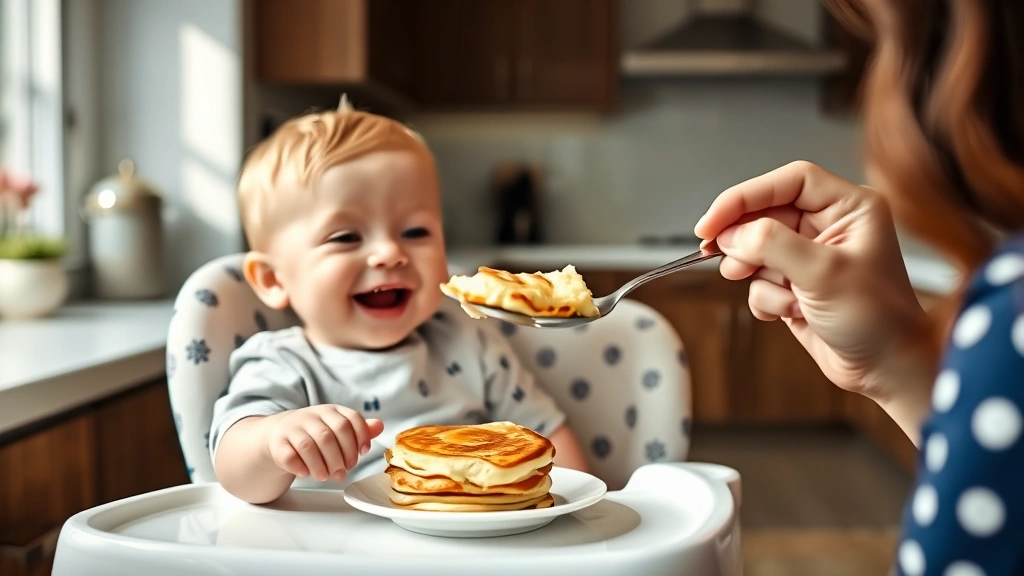
The moment your little one sits up with interest at the breakfast table, watching you flip golden pancakes onto a plate, you might wonder: could banana pancakes become part of their culinary adventure? It’s a question many parents ask, and rightfully so. Introducing solid foods is thrilling yet nerve-wracking, filled with questions about what’s safe, nutritious, and developmentally appropriate.
Banana pancakes seem like an obvious choice—bananas are soft, naturally sweet, and packed with nutrients. But there’s more to consider than just the fruit itself. The cooking method, ingredients, portion sizes, and your baby’s developmental stage all play crucial roles in determining whether this breakfast favorite is truly ready for your little one’s high chair.
Let’s dig into the specifics so you can make an informed decision that keeps your baby safe while expanding their palate.
When Is Your Baby Ready for Banana Pancakes?
The foundation of safe baby feeding starts with understanding developmental readiness. Most babies show signs of readiness for solid foods around six months of age, though some pediatricians recommend waiting until closer to seven or eight months for more complex foods.
Before introducing banana pancakes, your baby should demonstrate several key developmental milestones. They should be able to sit upright with minimal support, have good head control, and show genuine interest in food by reaching for it or watching intently as you eat. The most telling sign? The disappearance of the tongue-thrust reflex, which naturally pushes food out of a baby’s mouth during early months.
Bananas themselves are typically introduced around six months as part of a baby’s first foods, but pancakes—especially those made with eggs, dairy, and other ingredients—require more careful consideration. Your baby needs to have successfully tolerated bananas and other individual ingredients before combining them into a more complex dish.
According to the American Academy of Pediatrics, babies should be introduced to potential allergens early and often, which actually supports introducing banana pancakes once your child is developmentally ready. However, this should happen gradually and with careful observation.
Nutritional Benefits of Bananas for Babies
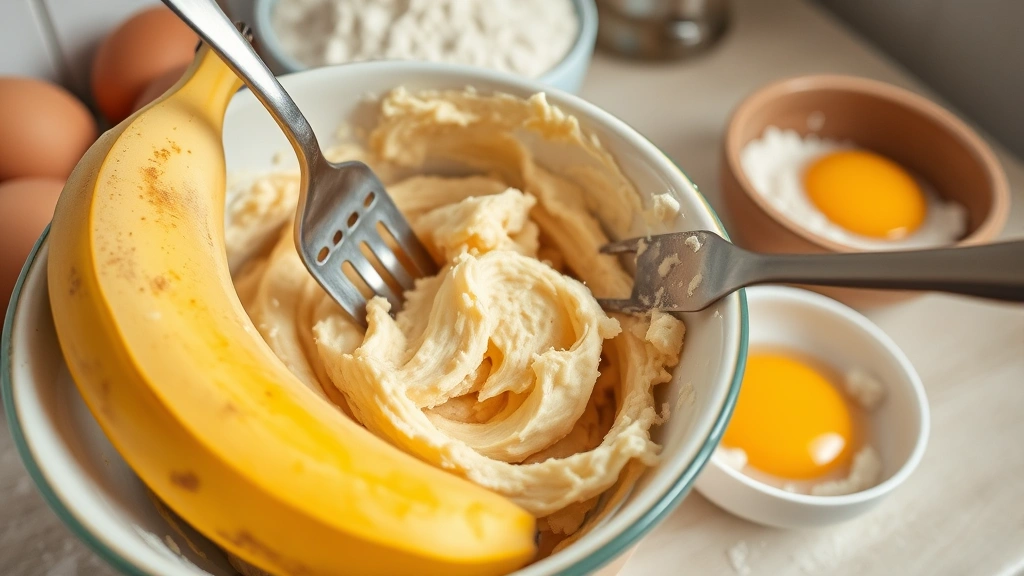
Bananas are nutritional powerhouses, especially for developing babies. They’re rich in potassium, which supports heart and muscle function during these critical growth years. A single medium banana contains about 105 calories, 27 grams of carbohydrates, and essential vitamins including B6, vitamin C, and manganese.
The natural sugars in bananas provide quick energy—helpful for active little ones who are constantly learning and moving. Unlike processed sugars, banana sugars come packaged with fiber, which supports digestive health. This is particularly important as babies transition from breast milk or formula to solid foods, when their digestive systems are still developing.
Bananas also contain resistant starch when slightly underripe, which acts as a prebiotic and feeds beneficial gut bacteria. This can be especially valuable for babies who are building their microbiome during this developmental window.
When you combine bananas with whole grain flour or oats (as you might in baby oatmeal pancakes), you’re creating a breakfast that supports sustained energy and healthy development. The addition of eggs provides complete protein with all nine essential amino acids, crucial for brain development and muscle growth.
Safety Considerations and Choking Risks
While bananas are soft and seem innocuous, pancakes present legitimate choking hazards that require attention. The combination of soft fruit and cooked flour creates a texture that can be deceptive—it may seem easy to swallow but can stick to the roof of the mouth or throat if not properly prepared.
Pancakes that are too thick, too fluffy, or served in large pieces pose the highest risk. A baby’s swallowing reflex is still developing, and they lack the molars needed to properly chew. Their airway is also proportionally narrower than an adult’s, making even small obstructions more dangerous.
The CDC recommends that foods for babies under three should be cut into pieces no larger than a pea. For pancakes, this means cutting them into very small, manageable pieces. Additionally, pancakes should be slightly moist—if they’re too dry, they become more likely to create a choking risk.
Supervision is non-negotiable. Your baby should always eat while sitting upright in a high chair or feeding seat, never in a car seat, stroller, or while playing. Ensure you’re sitting directly across from them, watching carefully for any signs of difficulty.
Avoid adding common pancake toppings that increase choking risk: whole berries, chunks of fruit, nuts, seeds, or thick syrups. If you want to add flavor, try mashing fruit into the pancake batter itself before cooking.
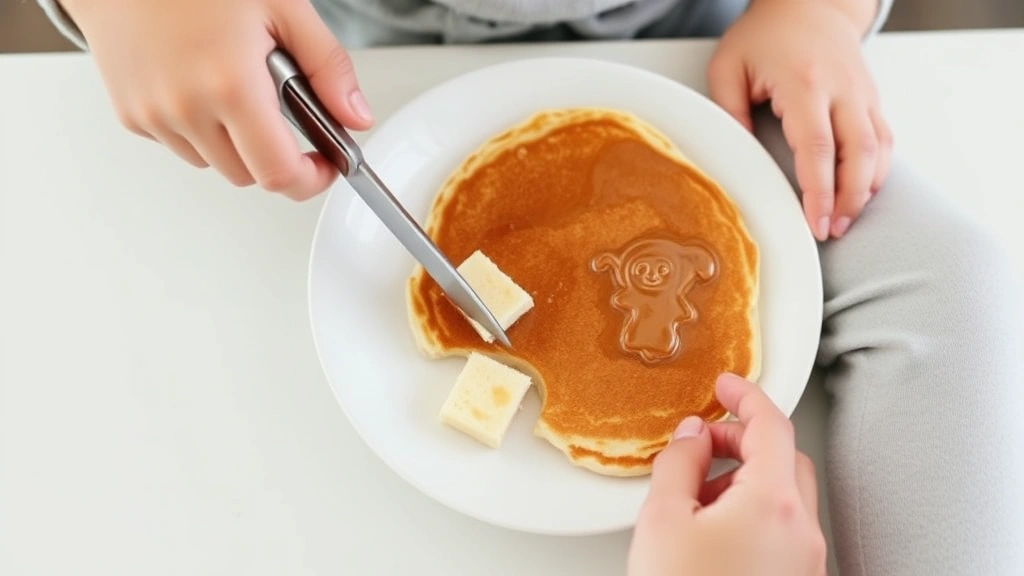
Making Baby-Friendly Banana Pancakes
Creating safe, nutritious banana pancakes for your baby requires thoughtful ingredient selection and preparation. Here’s what works:
- Base ingredients: Use whole wheat flour or oat flour for added nutrition. You could also use a baby food maker to prepare homemade pancake flour blends. Avoid all-purpose white flour when possible, as it lacks the nutritional density your baby needs.
- Bananas: Use ripe bananas (with some brown spots) for maximum sweetness and easier digestion. One medium banana per batch of about 12 small pancakes is plenty.
- Eggs: Introduce eggs gradually if your baby hasn’t had them before. Eggs are a top allergen, so watch for reactions. Use whole eggs for maximum nutrition—the yolk contains choline, vital for brain development.
- Dairy: Use breast milk, formula, or whole milk (after 12 months) instead of water to increase nutritional value. If your family has a history of dairy allergies, use dairy-free alternatives.
- Sweeteners: Never add honey before 12 months due to botulism risk. The banana provides sufficient sweetness. Avoid added sugars entirely.
- Texture: Make pancakes thinner and smaller than traditional versions. Baby pancakes should be about the size of a silver dollar or smaller.
Simple Baby Banana Pancake Recipe:
- Mash one ripe banana thoroughly until completely smooth
- Mix in two beaten eggs
- Add 1/3 cup whole wheat flour or oat flour
- Add 1/4 cup breast milk or formula
- Stir until combined (small lumps are fine)
- Cook on a non-stick pan or griddle over medium-low heat
- Make pancakes very small (2-3 inches diameter)
- Cook until edges look set, then flip gently
- Cook until golden but still moist
- Cool completely before serving
- Cut into small, manageable pieces
You can freeze these pancakes in individual portions, making weekday breakfasts more convenient. Simply thaw and serve at room temperature or gently warm.
Tips for Introducing Pancakes to Your Baby
The first time you offer banana pancakes should follow a careful introduction protocol. Start by offering just a tiny piece—about the size of your pinky fingernail. Watch your baby’s reaction closely for the next few days.
Introduce new foods one at a time, waiting at least three to five days between new introductions. This helps you identify any allergic reactions or digestive issues. If your baby has tolerated bananas, eggs, and grains separately, the risk is lower, but individual reactions can still occur when foods are combined.
Offer banana pancakes in the morning when you’re most alert and can monitor your baby closely. Avoid introducing them late in the day or before bedtime, when any potential reactions might go unnoticed during sleep.
Watch for signs of allergic reaction: rash, vomiting, diarrhea, excessive fussiness, or difficulty breathing. Also note digestive changes—some babies experience constipation from wheat, while others have looser stools. These observations help you understand your baby’s individual needs.
Make pancakes a positive experience. Let your baby explore the texture with their hands (messy eating is learning!), and never force feeding. Your role is to offer healthy options; your baby’s role is to decide how much to eat. This helps develop healthy eating habits that last into adulthood, which aligns with the essential parenting advice for raising happy and healthy children.
Healthy Alternatives and Variations
If banana pancakes don’t work for your family, numerous alternatives provide similar nutritional benefits. Baby puffs offer a safer texture for younger babies, though they’re less nutrient-dense than homemade pancakes.
Consider these variations:
- Sweet potato pancakes: Naturally sweet and packed with beta-carotene. Use the same recipe, substituting mashed sweet potato for banana.
- Blueberry banana pancakes: Mash blueberries into the batter for antioxidants and visual appeal. Avoid whole berries on top.
- Pear or avocado pancakes: Both offer different nutritional profiles and textures that some babies prefer.
- Vegetable-based pancakes: Sneak in baby broccoli or carrots by finely pureeing them into the batter.
- Yogurt pancakes: Substitute some liquid with baby yogurt for added probiotics and creaminess.
You might also explore baby oatmeal as a pancake base, which provides excellent texture and digestive benefits.
The key is variety. Rotating different foods ensures your baby gets a broad spectrum of nutrients and helps prevent food boredom as they grow.
Frequently Asked Questions
At what age can babies eat banana pancakes?
Most babies can safely eat banana pancakes around eight to nine months old, once they’ve been introduced to bananas, eggs, and grains individually and show good chewing and swallowing development. Always consult your pediatrician about your specific baby’s readiness.
Can I add honey to banana pancakes for babies?
No. Never add honey to foods for babies under 12 months due to the risk of infant botulism, a serious condition. The natural sweetness of bananas is sufficient for baby pancakes.
How do I know if my baby is choking on pancakes?
A choking baby cannot cry or make noise. They may have difficulty breathing, turn blue, or lose consciousness. If you suspect choking, call emergency services immediately. A baby who is coughing or making noise is not choking—their airway is open.
Can I make banana pancakes ahead and freeze them?
Absolutely. Freeze cooked pancakes on a baking sheet, then transfer to freezer bags. They’ll keep for up to three months. Thaw at room temperature or gently warm before serving.
What if my baby refuses banana pancakes?
Not all babies like all foods, and that’s completely normal. Try again in a few weeks, or explore other breakfast options. Repeated exposure (sometimes 15+ times) can help babies accept new foods, but never force feeding.
Are store-bought baby pancakes safer than homemade?
Store-bought baby pancakes are formulated to be safe, but homemade versions give you complete control over ingredients and texture. Many parents prefer homemade for this reason, though quality commercial options exist.
Should I worry about pesticides on bananas?
Bananas have relatively low pesticide residues compared to other fruits, but washing the peel before cutting is a good practice. Organic bananas are an option if pesticide exposure concerns you.
Can banana pancakes cause constipation?
Bananas can contribute to constipation in some babies, especially if they’re not fully ripe. Ensure your pancakes include adequate liquid and consider adding fiber-rich ingredients like prunes or pears if constipation becomes an issue.
What drinks pair well with banana pancakes for babies?
Breast milk, formula, or plain water are ideal. Avoid juice, which adds unnecessary sugar and can contribute to tooth decay once teeth emerge.
How much should I feed my baby at one sitting?
Start with just one or two small pancake pieces at first introduction. As your baby becomes comfortable, two to three small pancakes (about 6 inches diameter total) is a reasonable serving for babies eight to twelve months old.