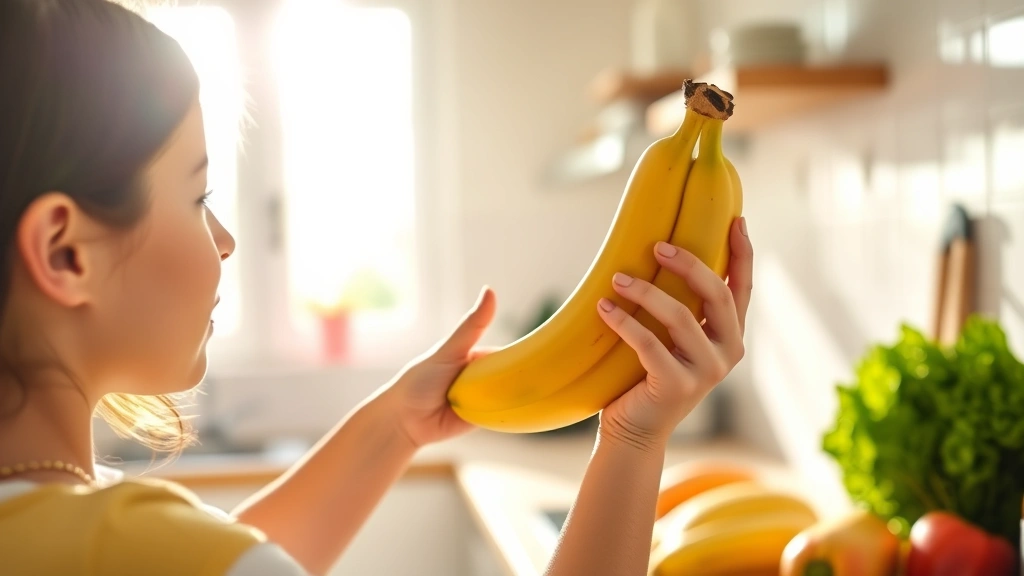
How AI Enhances Baby Fruit Selection: A Modern Parent’s Guide
Choosing the right fruits for your baby shouldn’t feel like solving a complex puzzle, yet many parents find themselves overwhelmed by conflicting advice, ripeness indicators, and nutritional claims. Enter artificial intelligence—a tool that’s quietly revolutionizing how we approach baby nutrition. From analyzing ripeness patterns to identifying potential allergens, AI technology is making fruit selection smarter, safer, and more personalized than ever before.
The intersection of technology and parenting might seem unusual, but when it comes to introducing fruits to your little one, AI offers practical solutions that address real parent concerns. Whether you’re a first-time parent navigating the overwhelming world of baby food or a seasoned caregiver looking for smarter ways to optimize nutrition, understanding how AI enhances fruit selection can transform your approach to feeding your baby.
This guide explores the tangible ways artificial intelligence is reshaping baby fruit selection, from smartphone apps that assess ripeness to recommendation engines that personalize choices based on your baby’s age, allergies, and preferences. Let’s dive into how technology and parenting expertise combine to create better outcomes for your child’s early nutrition.
Understanding AI in Baby Nutrition
Artificial intelligence has moved beyond sci-fi territory and into your kitchen. When we talk about AI enhancing baby fruit selection, we’re referring to machine learning algorithms trained on vast datasets of fruit characteristics, nutritional information, and developmental milestones. These systems learn patterns that humans might miss, enabling them to make more accurate recommendations than traditional guidelines alone.
The fundamental advantage of AI in this context is its ability to process multiple variables simultaneously. While you’re juggling work, household tasks, and everything else parenthood throws at you, an AI system can instantly cross-reference your baby’s age, developmental stage, known allergies, previous reactions, and current fruit availability to suggest the best options. This isn’t about replacing your parental instinct—it’s about augmenting your decision-making with data-driven insights.
Consider how you might approach introducing fruits to a six-month-old. Traditional advice suggests single fruits without additives, but which fruit first? Bananas are popular, but what if your family has a history of nut allergies? An AI-powered system can evaluate these nuances and provide tailored guidance. When you’re using a baby food maker to prepare fresh fruit purees, AI recommendations can help you select the optimal fruits to process and combine.

Smart Apps for Fruit Ripeness Detection
One of the most immediately practical applications of AI in baby fruit selection is ripeness detection. Getting the ripeness level right matters more than many parents realize. Unripe fruits can cause digestive upset, while overripe fruits lose nutritional value and can ferment in your baby’s digestive system. This is where computer vision AI becomes genuinely useful.
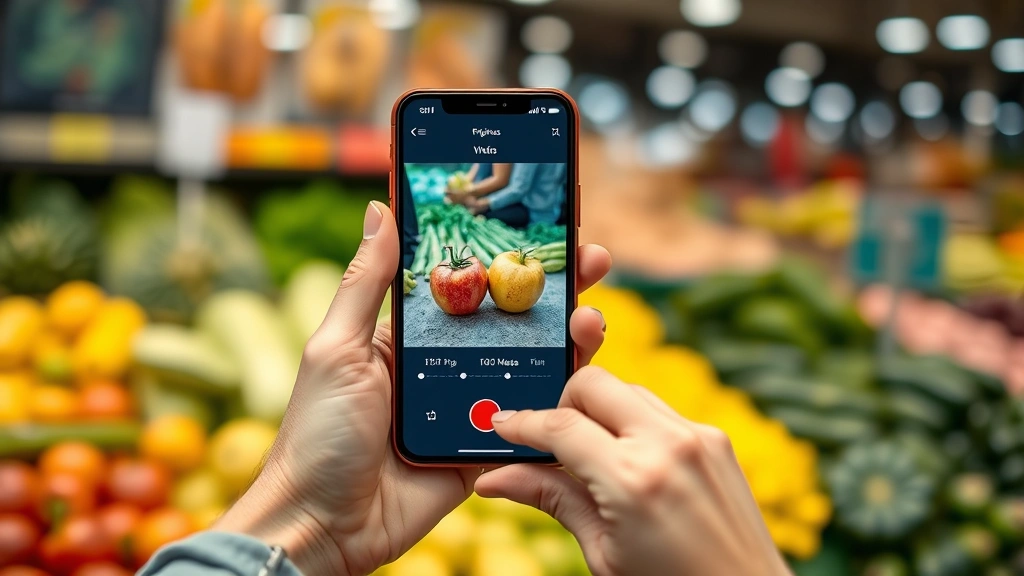
Modern smartphone apps equipped with computer vision can analyze a photo of fruit and determine its ripeness level with surprising accuracy. You simply point your phone’s camera at a banana, apple, or avocado, and the app provides real-time feedback: too firm, perfect, or overripe. This technology works by analyzing color patterns, surface texture, and other visual indicators that the algorithm has learned from thousands of training images.
The process sounds futuristic, but it’s remarkably straightforward to use. Parents report that these apps eliminate the guesswork involved in selecting fruits at the grocery store or farmers’ market. For fruits like mangoes and avocados—notoriously tricky to judge by touch alone—this technology proves invaluable. When you’re building your 6 to 12 months baby food chart, having confidence in fruit ripeness ensures you’re providing optimal nutrition at each stage.
Beyond simple ripeness detection, some advanced AI systems can identify the specific variety of fruit you’re photographing and provide ripeness guidance specific to that variety. A Honeycrisp apple ripens differently than a Granny Smith, and AI systems trained on these distinctions can provide more accurate recommendations than generic ripeness guides.
Personalized Fruit Recommendations
Perhaps the most transformative application of AI in baby fruit selection is personalized recommendation engines. These systems learn your family’s unique nutritional needs, preferences, and constraints, then suggest fruits that align with your specific situation.
Here’s how it works in practice: You input your baby’s age, any known allergies or sensitivities, preferred flavors, and digestive considerations. The AI system cross-references this information with nutritional databases, seasonal availability, and developmental guidelines. The result? A customized list of fruits ranked by suitability for your baby right now. If your baby is seven months old, has no known allergies, and tends toward constipation, the system might prioritize prunes and pears. If your baby is ten months old and ready for chunkier textures, it might suggest strawberries and blueberries.
These recommendation engines also consider practical factors that generic advice overlooks. They account for your geographic location (suggesting seasonal fruits available in your area), your family’s cultural food preferences, and even your budget. A parent in Florida receives different recommendations than one in Minnesota, not just because of climate, but because of what’s practical to source and afford year-round.
The personalization extends to meal planning. Rather than treating each fruit selection as an isolated decision, AI systems help you build balanced fruit rotations into your baby’s weekly nutrition. This prevents monotony, ensures nutritional variety, and helps identify potential sensitivities by varying fruits systematically. When preparing banana pancakes for baby, the AI might suggest pairing them with berries for additional antioxidants or recommending timing based on your baby’s typical appetite patterns.
Allergen Identification and Safety
Food allergies represent one of the most serious concerns parents face when introducing new foods. AI technology is proving invaluable in allergen identification and cross-contamination prevention. While fruit allergies are relatively uncommon compared to nut, dairy, or shellfish allergies, they do exist and can be severe.
AI-powered systems maintain comprehensive databases of known fruit allergens, cross-reactivity patterns, and historical allergic reactions. If you indicate that your baby has a birch pollen allergy (a common environmental allergy), the system flags fruits that commonly trigger cross-reactivity in birch-allergic individuals, such as apples, pears, and cherries. This isn’t about avoiding these fruits entirely—it’s about informed decision-making and gradual introduction under appropriate supervision.
These systems also track reported allergic reactions from millions of users, helping identify emerging patterns that might not yet be well-documented in medical literature. If a particular fruit variety suddenly shows increased reports of reactions, AI systems can flag this for users and recommend caution or suggest waiting for more data.
Additionally, AI systems help parents understand the difference between true allergies, oral allergy syndrome, and sensitivities. A rash after eating strawberries might indicate allergy, but it could also be contact dermatitis or simply irritation from the fruit’s acidity. By gathering more information about the reaction’s nature, timing, and context, AI systems help parents distinguish between situations requiring immediate medical attention and those that warrant simple observation.
The safety applications extend to contamination prevention. AI systems can remind you about proper fruit washing, storage conditions that prevent mold growth, and safe handling practices specific to each fruit type. This contextual safety information appears exactly when you need it—when you’re selecting and preparing the fruit.
Nutritional Analysis and Tracking
Understanding the nutritional profile of fruits matters, but the details can feel overwhelming. Different fruits offer different benefits: bananas provide potassium, blueberries offer antioxidants, oranges deliver vitamin C, and avocados supply healthy fats. AI systems help you track and optimize your baby’s nutritional intake across all food categories, with fruits playing an important role.
When you log the fruits your baby consumes through an AI-powered app, the system analyzes nutritional contributions across vitamins, minerals, fiber, and phytonutrients. Over time, these systems identify nutritional gaps and suggest fruits that address deficiencies. If your baby isn’t getting enough vitamin C, the system might recommend citrus fruits or kiwis. If iron intake is low, it might suggest pairing fruit with iron-rich foods or recommend fruits that enhance iron absorption.
This analysis becomes particularly valuable as your baby grows and transitions toward more varied diets. During the 6 to 12 months baby food transition, ensuring adequate nutrition from an increasingly diverse diet requires tracking that most parents simply don’t have time to do manually. AI systems automate this process, providing insights without requiring obsessive food logging.
These systems also help parents understand seasonal nutritional variations. Strawberries in summer offer different nutrient profiles than those shipped from distant locations in winter. AI can help you optimize nutrition by suggesting fruits that are not only in season but also at their nutritional peak, which typically aligns with ripeness detection capabilities.
Practical Implementation Tips
Understanding how AI can enhance baby fruit selection is one thing; actually implementing these tools is another. Here are practical steps for integrating AI into your baby feeding routine.
Start with a single app or system. Rather than downloading multiple fruit-selection apps, choose one that integrates with your existing baby tracking system if possible. This creates a unified record of what your baby eats and how they respond, which AI systems use to improve recommendations over time.
Input accurate information. The quality of AI recommendations depends entirely on the information you provide. Take time to accurately document your baby’s age, known allergies, digestive tendencies, and preferences. This isn’t busywork—it’s the foundation for personalized guidance.
Use ripeness detection at the grocery store. The practical value of smartphone-based ripeness detection becomes obvious when you’re standing in the produce section. Rather than squeezing fruit and second-guessing yourself, take a quick photo and get instant feedback. This eliminates the most common source of fruit selection mistakes.
Combine AI recommendations with professional guidance. While AI systems are sophisticated, they’re not replacements for pediatrician advice. Use AI as a tool for optimizing routine decisions, but consult your pediatrician before introducing fruits if your baby has significant allergies, digestive disorders, or other special considerations.
Leverage meal planning features. Many AI systems include meal planning functionality. Use this to build weekly fruit rotations that ensure variety and nutritional balance. This is particularly useful when you’re preparing food in bulk or planning ahead for busy weeks.
Share data with caregivers. If grandparents, nannies, or other caregivers feed your baby, share your personalized fruit recommendations with them. Most AI systems allow you to generate shareable reports or summaries that communicate your baby’s preferences and any important considerations.
Track responses systematically. When you introduce a new fruit, log it in your AI system along with any reactions or observations. Over time, this creates a detailed history that helps identify patterns in your baby’s responses and informs future recommendations.
For parents interested in more advanced food preparation, these AI recommendations work seamlessly with tools like a baby food maker. Once AI has recommended optimal fruits for your baby’s current stage, you can prepare them efficiently using appropriate equipment.
When thinking about gifts for new parents, best baby shower gifts increasingly include subscriptions to AI-powered parenting apps. These gifts keep giving by providing ongoing personalized guidance throughout the baby’s first years. Similarly, products like baby puffs can be selected and introduced according to AI recommendations that align with your baby’s developmental readiness and nutritional needs.
Frequently Asked Questions
Is AI fruit ripeness detection actually accurate?
Yes, modern computer vision AI systems demonstrate accuracy rates exceeding 90% in determining fruit ripeness. These systems are trained on thousands of fruit images and learn to recognize subtle color and texture variations that indicate ripeness level. However, they work best with well-lit photos and fruit that’s relatively clean. Environmental factors like unusual lighting can affect accuracy, so treat AI suggestions as guidance rather than absolute certainty.
Can AI replace my pediatrician’s fruit recommendations?
Absolutely not. AI systems are excellent tools for optimizing routine decisions and providing personalized suggestions, but they can’t replace medical expertise. If your baby has allergies, digestive disorders, or other special health considerations, always consult your pediatrician before introducing new fruits. Use AI as a supportive tool that works alongside professional medical guidance.
What if my baby has multiple food allergies?
This is exactly the scenario where AI shines. Systems designed for managing multiple allergies can track cross-reactivity patterns, suggest safe alternatives, and provide detailed allergen information for every fruit. Input all known allergies into your AI system, and it will tailor recommendations to avoid problematic fruits while maximizing nutritional variety within safe parameters.
How much does AI baby fruit selection technology cost?
Many AI-powered baby nutrition apps offer free basic versions with optional premium features. Premium subscriptions typically cost $5-15 monthly and unlock advanced personalization, detailed nutritional tracking, and meal planning features. Many parents find the cost justified by the time saved and improved decision-making, though free versions often provide sufficient functionality for basic fruit selection guidance.
Can AI predict whether my baby will like a particular fruit?
AI systems can make educated guesses based on your baby’s previous preferences and developmental stage, but taste preferences remain unpredictable. What AI does well is suggest fruits that align with your baby’s nutritional needs and developmental readiness. Whether your baby actually enjoys a particular fruit requires real-world testing. Use AI recommendations as a starting point, then observe your baby’s actual preferences.
How often should I update my baby’s information in AI systems?
Update your baby’s age and developmental stage monthly, or whenever significant changes occur. If you notice new allergies, sensitivities, or preferences, log these immediately so the AI system can adjust recommendations. The more current your information, the more accurate and relevant the recommendations become.
Do AI systems account for organic versus conventional fruit?
Many advanced AI systems include information about pesticide residues and can prioritize organic options if that’s important to your family. Some systems even track which fruits typically have higher pesticide residues (according to Environmental Working Group data) and suggest organic choices for those varieties. However, this feature varies by app, so check your system’s capabilities.
Can AI help with fruit preparation methods?
Yes, many systems provide age-appropriate preparation guidance. An AI system might recommend purees for a six-month-old, mashed fruit for eight-month-olds, and soft chunks for ten-month-olds. Some systems even sync with baby food maker settings, suggesting appropriate processing levels for your baby’s current developmental stage.