What Is Baby Arugula? A Gourmet’s Guide to Introducing This Peppery Green to Your Family
If you’ve wandered through the produce section lately, you’ve probably noticed baby arugula sitting prettily next to the spring mix and spinach. But what exactly is this delicate green, and more importantly, should it have a place on your family’s dinner table? The answer is a resounding yes—especially if you’re looking to expand your little one’s palate beyond the typical infant fare.
Baby arugula represents something exciting in modern family dining: the intersection of gourmet cooking and practical nutrition. Unlike its mature cousin, baby arugula offers a milder peppery flavor, tender leaves, and impressive nutritional credentials that make it perfect for both adventurous toddlers and health-conscious parents. Whether you’re blending it into smoothies, tossing it into salads, or incorporating it into homemade baby food, this leafy green deserves a spot in your kitchen rotation.
What makes baby arugula particularly appealing for families is its versatility. You can introduce it early, prepare it easily, and watch your children develop sophisticated taste preferences without the fuss of more challenging greens. Let’s dive into everything you need to know about this gourmet ingredient and how to make it work for your family.
What Is Baby Arugula?
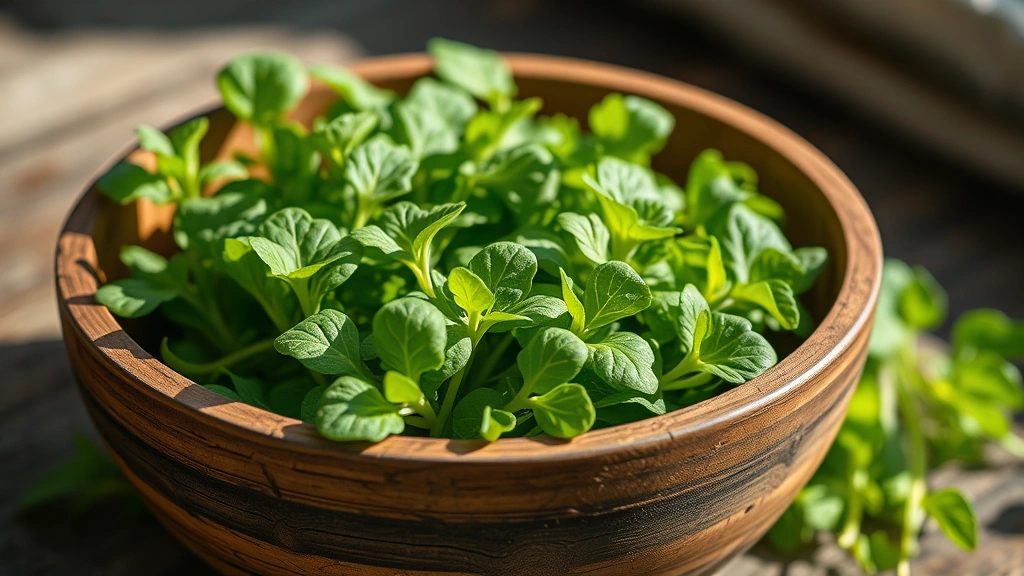
Baby arugula is simply young arugula harvested before the plant reaches maturity. The leaves are tender, delicate, and significantly milder than their full-grown counterparts. Think of it as the toddler version of arugula—smaller, softer, and far less intimidating for developing palates.
The plant itself, scientifically known as Eruca sativa, originated in the Mediterranean region and has been cultivated for centuries. What distinguishes baby arugula from mature arugula is both texture and flavor intensity. The peppery bite exists, but it’s considerably gentler—more of a sophisticated whisper than a bold shout. This makes it ideal for introducing children to diverse flavors without overwhelming their taste buds.
You’ll find baby arugula in most grocery stores year-round, though spring and fall offer peak seasons with the most tender, flavorful leaves. The leaves should appear bright green with no wilting or yellowing. Unlike heartier greens that can tolerate rougher handling, baby arugula requires gentle care from store to table.
The distinction matters for family meals. Mature arugula’s intensity can be off-putting for young eaters, while baby arugula’s delicate nature makes it approachable. This is why it’s become a favorite among parents introducing their children to gourmet cooking concepts. When you use a baby food maker to prepare homemade options, baby arugula blends smoothly into nutrient-dense purees that toddlers actually enjoy.
Nutritional Benefits for Growing Kids
Baby arugula packs an impressive nutritional punch that belies its delicate appearance. This isn’t empty calories—it’s concentrated nutrition wrapped in tender leaves. For parents focused on optimal child development, understanding these benefits clarifies why this gourmet green deserves menu rotation.
Vitamins and Minerals: Baby arugula contains substantial amounts of vitamin K, essential for bone development and blood clotting. It also provides vitamin A for eye health, vitamin C for immune function, and folate for cognitive development. The mineral profile includes calcium, iron, and potassium—all crucial for growing bodies.
Antioxidants: These delicate leaves contain glucosinolates and other compounds with anti-inflammatory properties. While research continues on specific benefits, the antioxidant content supports overall wellness during critical developmental years.
Low Oxalic Acid: Unlike spinach, baby arugula contains minimal oxalic acid, meaning your child’s body absorbs the calcium and iron more efficiently. This is a significant advantage for young eaters whose nutritional needs are particularly high.
According to the American Academy of Pediatrics, introducing diverse vegetables early establishes healthy eating patterns that persist into adulthood. Baby arugula fits perfectly into this framework, offering sophisticated nutrition wrapped in an approachable package.
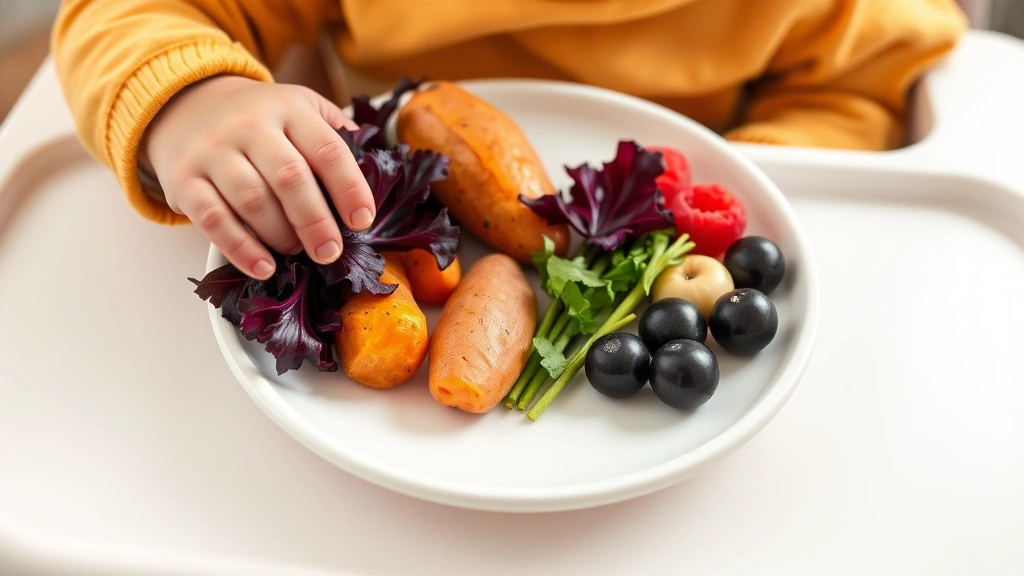
For toddlers transitioning from purees to solid foods, incorporating baby arugula into meals alongside options like baby puffs creates nutritional balance. The tender texture makes it manageable for developing chewing skills while delivering serious nutritional value.
Introducing Baby Arugula to Babies
Timing matters when introducing new foods to babies. Baby arugula can be introduced around six months when your little one begins eating solids, though starting with milder greens like spinach or kale is traditional. By eight to ten months, most babies are ready for baby arugula’s subtle peppery notes.
Starting with Purees: The easiest introduction method involves blending baby arugula with familiar flavors. Combine it with banana, sweet potato, or avocado to create a green puree that tastes pleasant rather than challenging. A quality baby food maker simplifies this process, transforming fresh leaves into smooth consistency perfect for young eaters.
Gradual Progression: Begin with small amounts mixed into established favorites. Perhaps add a handful of baby arugula to your child’s regular vegetable puree. Watch for any adverse reactions over three to five days before increasing quantity. This conservative approach identifies potential sensitivities while allowing taste preferences to develop naturally.
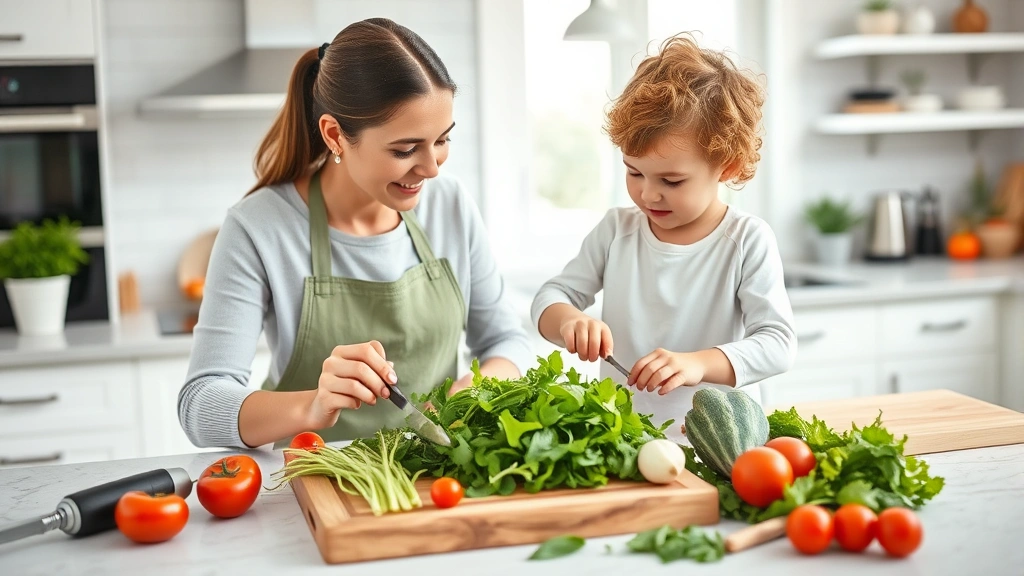
Texture Transitions: As your child progresses to thicker foods, you can offer finely chopped baby arugula mixed into soft foods. By twelve months, many toddlers manage small pieces as finger foods. The tender nature of baby arugula makes it less of a choking hazard than mature arugula, though supervision remains essential.
Pairing baby arugula with foods your child already enjoys accelerates acceptance. If your toddler loves banana pancakes for baby, try incorporating finely minced baby arugula into the batter. This sneaky approach builds familiarity without making the green the focal point.
Remember that taste preferences develop through repeated exposure. Research from the CDC indicates children require multiple exposures—sometimes ten to fifteen—before accepting new vegetables. Patience and consistency yield results.
Preparation Methods and Recipes
Raw Applications: Baby arugula’s tender leaves work beautifully raw in salads, sandwiches, and wraps. For older toddlers and preschoolers, offer small portions alongside other familiar foods. The mild peppery flavor won’t overwhelm, and the crisp texture provides excellent sensory development.
Wilted Preparations: Gently heating baby arugula with a touch of olive oil and garlic creates a sophisticated side dish. The heat softens the leaves further while mellowing the peppery notes. This preparation works well for younger eaters still developing chewing confidence.
Blended Smoothies: Combine baby arugula with fruits like mango, pineapple, or berries. The fruit masks any peppery notes while delivering concentrated nutrition. Add yogurt or milk for creaminess and additional calcium. This method appeals to picky eaters who reject obvious vegetables.
Mixed into Grains: Stir finely chopped baby arugula into cooked grains like quinoa or millet. This approach mirrors how you’d incorporate baby oatmeal into meals—by combining it with complementary flavors and textures.
Pesto Variations: For family meals, blend baby arugula with nuts, garlic, cheese, and olive oil to create a vibrant pesto. Use it on pasta, spread on sandwiches, or serve as a dip. Young children enjoy the creamy texture and complex flavor profile.
Consider consulting resources like Parents Magazine’s feeding guides for additional preparation inspiration and age-appropriate serving suggestions.
Safety Considerations and Storage
Washing Thoroughly: Baby arugula requires careful washing before consumption. Its delicate leaves trap dirt and potential contaminants more easily than heartier greens. Rinse under cool running water, gently rubbing leaves. For young infants, consider washing twice to ensure complete cleanliness.
Pesticide Concerns: While baby arugula isn’t consistently listed among the most pesticide-heavy vegetables, choosing organic when possible reduces chemical exposure. Young children’s developing systems are particularly sensitive to pesticide residues, making organic selection a reasonable precaution.
Choking Prevention: Though baby arugula’s tender texture presents lower choking risk than mature varieties, supervision remains essential for children under four. Offer small quantities, ensure thorough chewing, and never leave young children unsupervised while eating.
Storage Methods: Baby arugula wilts quickly compared to other greens. Store in the vegetable drawer wrapped in paper towels within a sealed container. Use within three to four days for optimal quality. Don’t wash before storage—moisture accelerates deterioration.
Allergies and Sensitivities: True allergies to arugula are rare, though some individuals experience oral itching or sensitivity due to compounds called isothiocyanates. If your child shows unusual reactions—rash, swelling, or digestive upset—consult your pediatrician. Keep a food diary when introducing new vegetables to identify patterns.
For comprehensive guidance on introducing new foods and monitoring for reactions, review resources from pediatric health organizations specializing in early childhood nutrition.
Family-Friendly Ideas Beyond Salads
Baby arugula’s versatility extends far beyond traditional salad applications. Creative families discover countless ways to incorporate this nutritious green into everyday meals that appeal to multiple age groups.
Pasta Integration: Toss cooked pasta with baby arugula, olive oil, and parmesan cheese. The heat gently wilts the leaves while maintaining their delicate texture. For younger children, chop the arugula finely and ensure pasta pieces are appropriately sized.
Pizza Topping: Add baby arugula to homemade pizzas after baking. The fresh green contrasts beautifully with warm cheese and sauce while avoiding overcooking. Children often accept vegetables more readily when presented on familiar vehicles like pizza.
Egg Dishes: Incorporate baby arugula into omelets, scrambled eggs, or frittatas. The combination of protein and greens creates balanced meals that sustain energy through busy days. This approach mirrors how you’d include baby broccoli in family meals.
Sandwich Enhancement: Layer baby arugula in sandwiches and wraps for older children. The tender leaves add nutrition without the toughness that might challenge developing chewing skills. Pair with familiar proteins and spreads to encourage acceptance.
Grain Bowl Bases: Use baby arugula as the foundation for grain bowls topped with proteins, vegetables, and dressings. This presentation appeals to children who enjoy building their own meals and choosing components.
Soup Additions: Stir baby arugula into soups during the final minutes of cooking. This preserves texture while allowing the leaves to absorb flavors. Creamy soups particularly benefit from the peppery contrast.
When planning family meals, reference your 6 to 12 months baby food chart pdf to ensure age-appropriate portions and preparation methods for younger family members while serving the same core ingredients.
Frequently Asked Questions
At what age can babies eat baby arugula?
Babies can begin consuming baby arugula around six months when starting solids, though many parents wait until eight to ten months when their child has experience with milder greens. Always introduce new foods gradually and monitor for any adverse reactions.
Is baby arugula safe for babies with allergies?
True arugula allergies are uncommon. However, if your child has a known cruciferous vegetable sensitivity or oral allergy syndrome, consult your pediatrician before introducing baby arugula. As with all new foods, introduce small quantities and observe for reactions.
How does baby arugula differ from spinach for young eaters?
Baby arugula offers a peppery flavor compared to spinach’s earthiness, with more tender leaves and slightly different nutritional profiles. Both are excellent choices for young eaters. Baby arugula’s milder taste makes it less intensely flavored than mature arugula but more distinctive than spinach.
Can I mix baby arugula with other baby foods?
Absolutely. Baby arugula blends beautifully with fruits like banana and mango, vegetables like sweet potato, and grains like rice cereal. Mixing it with familiar flavors helps young eaters accept the new taste while building nutritional density.
Should I choose organic baby arugula?
While baby arugula isn’t among the most pesticide-heavy vegetables, organic options reduce chemical exposure. For budget-conscious families, conventional baby arugula that’s been thoroughly washed is acceptable. Prioritize organic for vegetables your family eats most frequently.
How long does baby arugula stay fresh?
Baby arugula remains fresh for three to four days when stored properly in the vegetable drawer wrapped in paper towels within a sealed container. Don’t wash before storage, as moisture accelerates wilting. Use older leaves first, checking for any signs of deterioration.
What if my child refuses baby arugula?
Rejection is normal and doesn’t indicate permanent dislike. Continue offering baby arugula mixed into familiar foods without pressure. Taste preferences develop through repeated exposure—sometimes requiring ten to fifteen encounters before acceptance. Model enjoying the vegetable yourself, as children often mirror parental food choices.