Is the Baby Buddha Breast Pump Worth It? A Honest Review for Modern Parents
Let’s be real: choosing a breast pump feels like shopping for a car when you just need to get groceries. There are too many options, everyone has an opinion, and you’re already exhausted before you even start. The Baby Buddha breast pump has been gaining traction lately, and if you’re wondering whether it deserves a spot in your nursery setup, you’re asking the right questions.
This isn’t just another piece of baby gear—for many parents, a breast pump becomes as essential as a reliable diaper bag. It’s the difference between flexibility and feeling trapped, between shared feeding responsibilities and solo duty, between reclaiming a sliver of your own body and losing it entirely for months. So let’s dig into whether the Baby Buddha delivers on its promises or if it’s just another overhyped gadget taking up valuable space in your already-cramped nursery.
The real question isn’t whether this pump exists or what it costs. It’s whether it actually solves the problems you’re facing as a nursing parent. We’re going to break down the features, the performance, the price point, and most importantly, whether real parents actually recommend it.
What Is the Baby Buddha Breast Pump?
The Baby Buddha is a single electric breast pump designed with portability and efficiency at its core. Unlike traditional pumps that feel like medical equipment from a 1990s office, this one was built with actual nursing parents in mind—people who want to pump during lunch breaks, in car seats, or while answering emails.
This pump combines several features that appeal to busy parents: it’s smaller than many hospital-grade alternatives, it operates quietly enough to use without announcing your business to your entire workplace, and it promises faster expression times. For parents juggling pumping with work, childcare, or just trying to maintain some semblance of normalcy, these features matter more than you’d think.
The pump uses a two-phase expression technology that mimics natural nursing patterns. Instead of one constant suction level, it starts with quick, light stimulation to trigger letdown, then transitions to deeper, more rhythmic expression. This isn’t just marketing fluff—the science behind mimicking natural nursing patterns is well-documented by organizations like the American Academy of Pediatrics.
Key Features That Matter
Portability and Design: The Baby Buddha weighs around 1 pound and fits into most regular bags without requiring a dedicated pump tote. For parents who are pumping at work or on the go, this changes everything. You’re not lugging around equipment that screams “I’m nursing” to your entire office.
Quiet Operation: Measuring at roughly 50 decibels, this pump is genuinely quiet. That might sound like a random specification, but when you’re pumping in a shared office space or while your partner tries to sleep, quiet operation becomes the feature you didn’t know you needed.
Customizable Settings: The pump offers multiple suction levels and expression speeds. This matters because every body is different. What works for your friend might not work for you, and having flexibility to adjust the settings without feeling like you need an engineering degree is valuable.
Battery Life: With up to 3 hours of pumping time per charge, you’re not constantly hunting for outlets. This is particularly useful for parents on unpredictable schedules or those who travel.
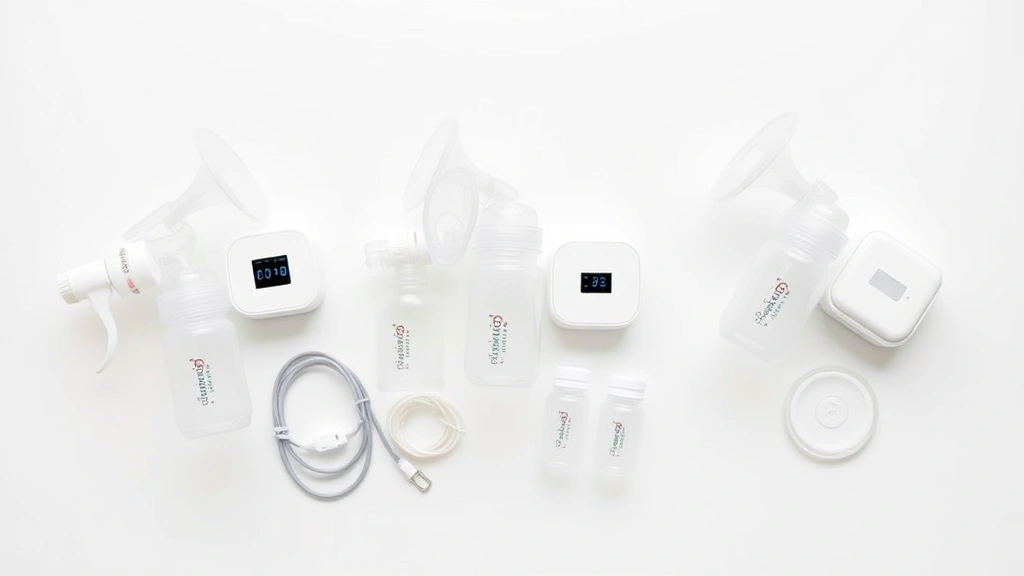
Compatibility: The pump works with standard bottle systems, which means you’re not locked into buying proprietary bottles at premium prices. This alone saves considerable money over the course of your pumping journey.
Real-World Performance Analysis
Performance is where theory meets reality. A pump might look great on paper, but does it actually work when you’re exhausted and need results in 15 minutes?
Expression Time: According to users, the Baby Buddha typically completes a full expression session in 12-20 minutes, depending on your supply and the pump settings. That’s faster than many manual pumps and comparable to some hospital-grade electric options. For working parents, this efficiency genuinely matters.
Output Consistency: Parents report relatively consistent output across sessions, which is important because inconsistency can lead to supply issues. The two-phase technology seems to work as advertised for most users, triggering letdown more naturally than single-mode pumps.
Comfort Factor: This is subjective, but multiple users note that the suction pattern feels more natural than other pumps they’ve tried. Some mention less discomfort during pumping, which matters when you’re doing this multiple times daily.
Durability: The pump has solid construction with users reporting reliable performance even after months of regular use. The motor isn’t prone to the weird noises that plague some cheaper pumps.
Price Comparison and Value
The Baby Buddha typically retails for around $150-200, which positions it in the mid-range market. Here’s where it gets interesting: many insurance plans cover breast pumps under the Affordable Care Act, which means you might get one free or at reduced cost regardless of which pump you choose.
For context: manual pumps cost $30-50, basic electric pumps run $80-120, and hospital-grade pumps exceed $300. The Baby Buddha sits in a sweet spot where you’re getting solid features without paying premium hospital-grade prices.
Consider this calculation: if you’re pumping for a year and saving even 5 minutes per session compared to a cheaper pump, that’s roughly 26 hours of reclaimed time. Is that worth $75-100 more than a budget option? That’s your personal math to do, but many parents answer yes.
Additionally, when you’re evaluating your overall baby expenses—whether that’s investing in healthy baby diapers, baby boy gifts, or quality feeding supplies—the breast pump is one item worth investing in because you’ll use it constantly.
Pros and Cons Breakdown
Pros:
- Genuinely portable and lightweight for on-the-go pumping
- Quiet operation makes workplace pumping less stressful
- Two-phase expression technology mimics natural nursing
- Customizable settings accommodate different bodies and preferences
- Compatible with standard bottle systems, reducing ongoing costs
- Strong battery life means fewer charging requirements
- Mid-range price point offers good value without premium costs
- Generally reliable durability reported by long-term users
Cons:
- Single breast pumping only (not double), which extends session times
- Some users report the collection bottle leaks if not sealed perfectly
- The learning curve for optimal settings can take a few sessions
- Not ideal for extremely high-supply parents who need rapid extraction
- Suction strength might feel insufficient for some users with lower sensitivity
- The carrying case is sold separately, adding to total cost
What Parents Actually Say
Real parent feedback tells a different story than marketing copy. Here’s what you’re hearing in parenting forums and Facebook groups:
Working parents frequently praise the Baby Buddha for its portability. One parent noted, “I can pump in my car during lunch without feeling like I’m running a medical facility.” Another mentioned that the quiet operation was a game-changer for her shared office space.
Parents with moderate supply report excellent results, with many noting that the two-phase technology genuinely helps with letdown. However, parents with oversupply sometimes mention that single-breast pumping feels slow for their needs.
There’s a notable pattern: parents who had realistic expectations about what a portable pump can do are satisfied. Those expecting hospital-grade performance in a compact device sometimes feel disappointed.
One consistent theme is the importance of getting the flange size right. The Baby Buddha doesn’t come with multiple flange sizes, so some parents need to purchase additional sizes separately. This is an often-overlooked detail that affects comfort significantly.
Comparing to Alternatives
The Baby Buddha isn’t your only option in this price range. Here’s how it stacks up:
Spectra S1 ($130-160): Similar price point but larger and heavier. The Spectra offers hospital-grade suction and double pumping capability, but it’s less portable. Better for home-based pumping.
Medela Pump in Style ($150-180): The classic choice. Reliable and widely available, but the technology feels dated compared to newer options. Great for consistency, less innovative.
Willow Go ($200+): More expensive but offers true hands-free, wearable pumping. If price isn’t your limiting factor and hands-free operation is important, this might be the better choice.
Elvie Stride ($200): Another wearable option with similar price point to Willow. Comparable features and similar considerations apply.
The decision really depends on your priorities. Need portability and quiet operation? Baby Buddha wins. Need double pumping and maximum efficiency? Look elsewhere. Need hands-free convenience and don’t mind spending extra? Consider the wearable options.
Is It Worth the Investment?
Here’s the honest answer: it depends on your specific situation.
The Baby Buddha is worth it if you:
- Pump primarily outside the home or in shared spaces
- Value quiet, discreet operation
- Have moderate milk supply
- Want portability without sacrificing performance
- Prefer customizable settings to dial in your comfort
- Don’t need double pumping capability
Look elsewhere if you:
- Have extremely high supply and need rapid extraction
- Exclusively pump at home and prioritize efficiency above all else
- Want hands-free wearable pumping
- Need double pumping for time efficiency
- Are on an extremely tight budget (though most insurance covers pumps)
The breast pump you choose matters because you’ll be using it regularly for months. It’s not the time to go with the cheapest option if it means struggling through every session, nor is it the time to overspend on features you’ll never use.
For working parents who pump at the office, parents who travel, and anyone who values discretion and portability, the Baby Buddha represents solid value. It’s not perfect—no pump is—but it solves real problems that real parents face.
When you’re evaluating your entire parenting setup, remember that feeding flexibility impacts everything else. Whether you’re thinking about introducing baby puffs, baby oatmeal, or baby yogurt as solids down the road, having a reliable pump now gives you options later.
The investment in a quality breast pump is an investment in your flexibility, your comfort, and your sanity. The Baby Buddha delivers on that promise for most parents who have realistic expectations about what a portable, single-breast pump can accomplish.
Frequently Asked Questions
How long does it take to pump with the Baby Buddha?
Most users complete a full expression session in 12-20 minutes, depending on supply and settings. This is faster than manual pumps and comparable to many hospital-grade electric options, though slightly longer than double-pumping systems.
Will my insurance cover the Baby Buddha?
Many insurance plans cover breast pumps under the Affordable Care Act. Coverage varies by plan, but it’s worth checking with your insurance provider. Some plans cover the full cost, while others cover a portion. The Baby Buddha’s mid-range price often falls within covered amounts.
Can you use the Baby Buddha with different bottle systems?
Yes, one of the Baby Buddha’s advantages is compatibility with standard bottle systems. You’re not locked into proprietary bottles, which saves money long-term compared to pumps that require specific bottle purchases.
Is the Baby Buddha suitable for high-supply parents?
While the Baby Buddha works for high-supply parents, single-breast pumping means longer session times. Parents with significant oversupply might find hospital-grade double pumps or wearable options more efficient.
What size flanges come with the Baby Buddha?
The pump typically comes with one standard flange size. Many parents need different sizes for comfort and efficiency, so you may need to purchase additional flange sizes separately. This is an important detail to factor into your total investment.
How quiet is the Baby Buddha really?
At approximately 50 decibels, it’s comparable to normal conversation volume. Most users report being able to pump discreetly in office settings without drawing attention, which is one of its major advantages.
How long does the battery last?
The battery provides up to 3 hours of pumping time per charge. This means you can typically get through a full workday without needing to charge, depending on your pumping schedule.
What’s the warranty on the Baby Buddha?
Warranties vary by retailer and manufacturer, but most come with a 1-year limited warranty. Check with your specific retailer for exact coverage details, as this can affect long-term value.
Can you pump hands-free with the Baby Buddha?
No, the Baby Buddha requires you to hold the collection cup in place. If hands-free pumping is essential to your workflow, you’d want to consider wearable options like Willow or Elvie instead.
Is the Baby Buddha good for travel?
Yes, it’s one of the best portable options available. The compact size, lightweight design, and good battery life make it excellent for parents who travel frequently or need to pump in various locations.
For additional information about breast pumping and infant feeding, consult resources from the CDC on breastfeeding, the Office on Women’s Health, and Parenting Magazine for comprehensive guidance on breast pump selection and usage.