Top Baby Girl Halloween Costumes: Mom-Approved Picks
Halloween is one of those magical moments in parenting where you get to dress your little one in something adorable and watch their face light up with wonder. Choosing the perfect baby girl Halloween costume can feel overwhelming with endless options, safety considerations, and the desire to capture that perfect photo. Whether you’re planning for your first Halloween together or looking for something fresh and unique, this guide walks you through mom-approved costume ideas that prioritize comfort, safety, and cuteness in equal measure.
As parents, we know that the best costumes are the ones our babies actually enjoy wearing. That means thinking beyond just aesthetics to consider fit, temperature, visibility, and how long your little one can comfortably rock the look. We’ve researched and compiled the most beloved costume choices from parents who’ve navigated Halloween with their baby girls, complete with practical tips to make the experience enjoyable for everyone.
Quick Navigation
- Classic Character Costumes
- Nature-Inspired Outfits
- DIY and Budget-Friendly Ideas
- Safety Considerations for Baby Costumes
- Sizing and Comfort Guidelines
- Frequently Asked Questions
Classic Character Costumes That Never Disappoint
When it comes to timeless baby girl Halloween costumes, certain characters have earned their place in the parenting hall of fame. Princess costumes remain a perennial favorite, and for good reason—soft fabrics, bright colors, and the sheer joy on a baby’s face make these worth the investment. Look for versions designed specifically for babies rather than toddler costumes, as they’ll have proper sizing and won’t overwhelm your little one’s frame.
Storybook characters like Winnie the Pooh, Curious George, and characters from Where the Wild Things Are work beautifully for babies. These costumes typically feature soft construction, minimal choking hazards, and designs that don’t restrict movement. Many parents appreciate that these characters appeal to adults too, making for wonderful photo opportunities at Halloween parties and trick-or-treating events.
The Little Red Riding Hood costume has made a major comeback and is absolutely perfect for baby girls. A simple red dress or cape paired with a basket creates an instantly recognizable look that photographs beautifully. This is also an excellent choice if you’re part of a family costume theme, as parents and siblings can coordinate their own versions.
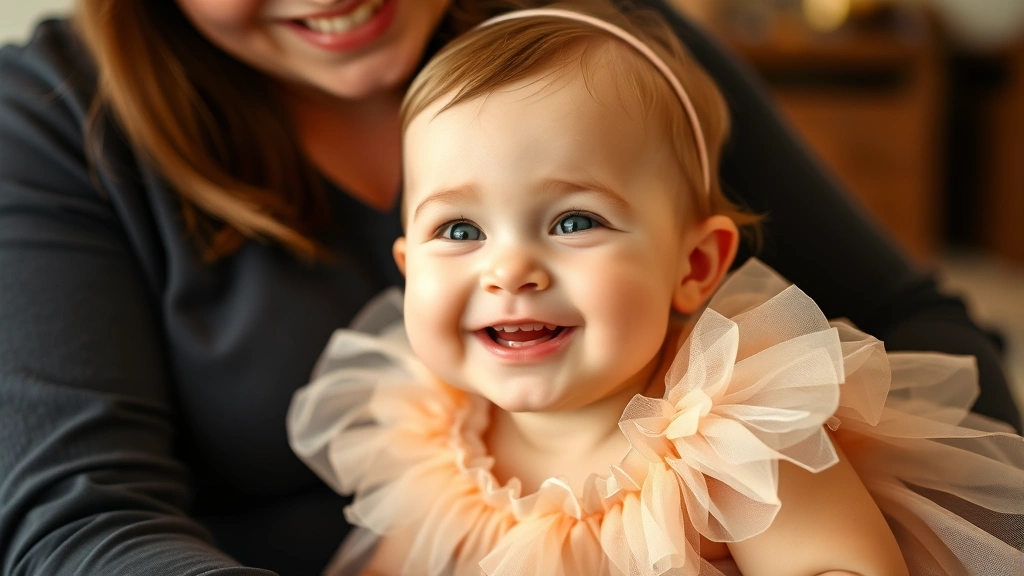
Storybook princesses like Cinderella, Snow White, and Ariel offer that magical princess appeal with literary credibility. When selecting princess costumes, prioritize ones made from breathable materials and without excessive decorations that could become hazards. Soft tulle, cotton blends, and stretchy fabrics are ideal for keeping your baby comfortable throughout the evening.
Consider also the practical side of classic characters. Costumes based on beloved children’s books often come in quality construction from reputable baby clothing brands, meaning they’re designed with safety standards in mind. Check that any costume you choose meets CPSC safety standards and includes proper labeling for age-appropriate sizing.
Nature-Inspired and Animal Costumes
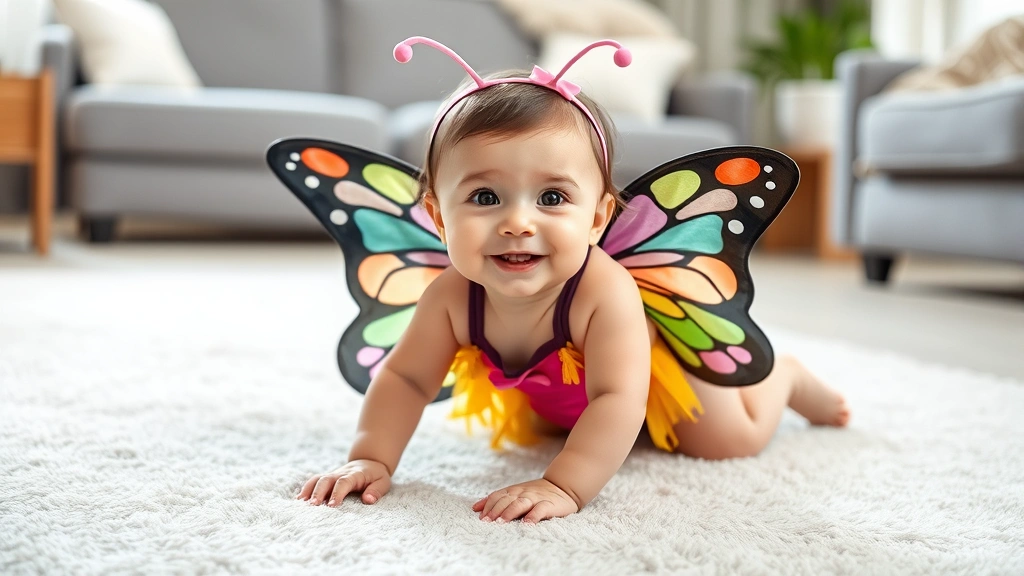
Animal costumes offer wonderful versatility for baby girls and tend to be incredibly comfortable for extended wear. A sweet lamb costume in soft white fleece is cozy, cute, and perfect for cooler October evenings. Butterfly costumes with soft wings and simple dresses create a whimsical look that appeals to parents and babies alike.
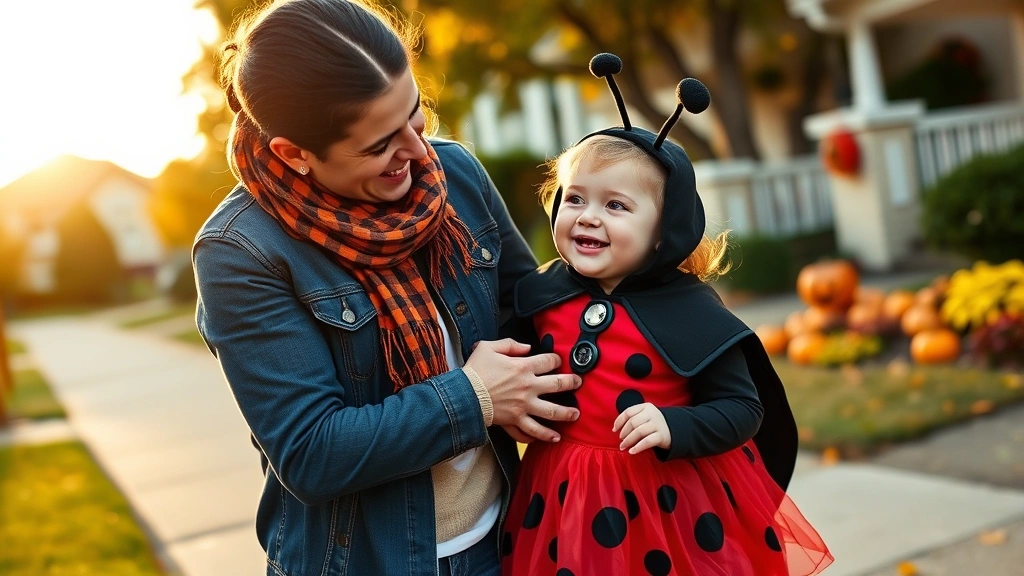
Ladybug costumes have become increasingly popular and for excellent reasons. The bright red color is festive, the design is simple and safe, and most ladybug costumes allow for easy diaper access. Many parents choose ladybug costumes because they’re warm enough for fall weather but not so heavy that babies overheat during indoor Halloween parties.
Bunny costumes in soft pastels offer another natural choice. Whether you go with a simple white bunny or a more colorful version, bunny costumes are typically loose-fitting enough for comfortable movement and layering underneath for warmth. The ears are usually attached to a headband or hood, eliminating loose pieces that could become hazards.
Consider also a little gardener or flower costume. These options combine practicality with adorableness—imagine your baby girl in a simple green dress with flower accents. These costumes often allow for comfortable layering and don’t restrict movement, making them ideal for families planning to be out for extended periods.
When selecting animal costumes, verify that any ears, tails, or appendages are securely attached and won’t come loose. Soft construction materials are essential, and you’ll want to ensure the costume doesn’t have any small buttons or decorations that could pose choking risks. For more information on keeping your baby safe during activities, check out our guide on preparing a baby first aid kit for emergencies.
Creative DIY and Budget-Friendly Costume Ideas
Not every parent has a large budget for Halloween costumes, and honestly, some of the best costumes are created at home with a little creativity. DIY costumes offer the advantage of customization, cost savings, and the satisfaction of creating something unique for your baby girl.
A rainbow costume is surprisingly simple to execute. Layer colorful clothing in rainbow order—red, orange, yellow, green, blue, and purple—and add a cloud-shaped pillow or tulle at each end. This costume is comfortable, colorful, and requires minimal sewing skills or special materials.
Create a "favorite book" costume by dressing your baby in solid colors and adding a page or title to her outfit. For example, a green dress with a caterpillar attachment becomes The Very Hungry Caterpillar. This personalized approach makes for memorable photos and demonstrates your creativity to other parents.
A flower costume can be as simple as a yellow or green dress with colorful petal accessories attached at the shoulders. You can create petals from felt, fabric, or even construction paper, making this an affordable option that still looks polished and cute.
Fruit costumes work wonderfully for babies. A strawberry costume requires just a red dress or outfit with green leaf accessories. Similarly, a cherry costume uses red with a stem, or a banana uses yellow with brown accents. These are typically quick to assemble and allow for comfortable, unrestricted movement.
The key to successful DIY costumes is prioritizing comfort and safety. Avoid hot glue directly on clothing your baby will wear, use non-toxic materials, and test the costume before Halloween to ensure your baby can move freely and breathe without restriction. For comprehensive parenting advice, consider consulting resources that emphasize child safety in all activities.
Critical Safety Considerations for Baby Halloween Costumes
Before you finalize any costume choice, understanding safety requirements is absolutely essential. The American Academy of Pediatrics and the American Academy of Pediatrics provide specific guidelines for children’s costumes and Halloween safety that every parent should review.
Choking hazards represent the most significant risk. Avoid costumes with small buttons, beads, or detachable decorations that could come loose and pose choking risks. Check all attachments before purchase and again before your baby wears the costume. If any element feels loose or could be pulled off, remove it or secure it permanently with heavy-duty stitching.
Costume fit is critically important for safety. Costumes that are too large can cause tripping hazards or restrict vision, while costumes that are too tight can restrict movement and breathing. Your baby should be able to move freely, bend at the waist, and raise their arms without restriction. Always check the manufacturer’s sizing recommendations and consider your baby’s percentile for height and weight.
Masks and face coverings require special attention with babies. Many pediatricians recommend avoiding masks entirely for infants and young toddlers, as they can obstruct breathing and vision. If you want face paint or similar effects, use only products specifically designed for babies and test for allergic reactions on a small patch of skin first.
Material safety matters significantly. Choose costumes made from flame-resistant or naturally flame-resistant materials. Check labels for certifications and avoid plastic materials that can easily melt or cause overheating. For babies who will be indoors most of the time, breathable cotton or cotton-blend fabrics are ideal.
Temperature regulation is often overlooked but crucial. Babies can’t regulate their body temperature as effectively as older children and adults. If your baby will be wearing a costume over regular clothing, monitor for signs of overheating like excessive sweating, flushed cheeks, or fussiness. Be prepared to remove layers if needed.
Visibility is another key safety component. Make sure your baby can see clearly in their costume. If wearing a hood or headpiece, verify that it doesn’t obstruct their peripheral vision or field of view. This becomes especially important if you’re planning to be in any environments with stairs, uneven ground, or crowds.
Sizing and Comfort Guidelines for Your Baby Girl
Selecting the right size is one of the most important decisions you’ll make when choosing a baby girl Halloween costume. Unlike regular clothing where a slightly larger size might work, costumes need to fit properly for both safety and comfort.
Check the manufacturer’s size chart carefully and measure your baby. Note her length, weight, and current clothing size. Many costume manufacturers size differently than standard baby clothing brands, so don’t assume your baby’s usual size will work. When in doubt, contact the seller or manufacturer with your baby’s measurements.
Consider layering when selecting size. If you plan to dress your baby in warm clothing underneath the costume for cooler weather, you may need to size up slightly. However, ensure the costume still fits snugly enough that she won’t trip on excess fabric.
Test the costume before Halloween night. Have your baby wear it for at least fifteen minutes while supervised. Watch for any signs of discomfort, restricted movement, or breathing difficulty. Make adjustments as needed—hemming, taking in seams, or adding elastic to ensure a secure fit.
For babies who will be in car seats during trick-or-treating, consider how the costume will work with car seat straps. Bulky costumes can prevent proper car seat installation. Many parents choose to keep the costume in a bag and dress their babies after arriving at their destination to ensure safe transportation.
Diaper access is a practical consideration that shouldn’t be overlooked. Ensure the costume allows for easy diaper changes without completely removing the outfit. Look for costumes with snap sides, back openings, or stretchy materials that accommodate diaper changes.
Frequently Asked Questions About Baby Girl Halloween Costumes
What age is appropriate for a first Halloween costume?
Babies can wear costumes starting from newborn age, though many parents wait until their babies are at least three to four months old. Very young babies may be more comfortable in simple, non-restrictive costumes or just wearing special Halloween-themed clothing rather than full costumes. Consider your baby’s temperament and comfort level.
Should I prioritize cuteness or comfort?
Comfort should always win this debate. An uncomfortable baby makes for unhappy parents and poor photos. The cutest costume in the world won’t be worth it if your baby is crying or fussy all evening. Look for options that balance both—there are genuinely adorable costumes that are also comfortable and safe.
How long can a baby safely wear a costume?
Most experts recommend limiting costume wear to two to three hours for babies. After that, remove the costume to allow your baby to move freely and regulate their temperature. If you’re planning an extended Halloween celebration, consider having your baby change into comfortable regular clothing for portions of the event.
Can I use regular face paint on my baby?
No, regular face paint is not safe for babies. If you want to add face paint or makeup, use only products specifically labeled as safe for babies and test on a small skin patch first to check for allergic reactions. Many parents skip face paint entirely for babies and focus on costume clothing instead.
What if my baby hates wearing the costume?
This is more common than you might think. Some babies simply don’t enjoy wearing costumes, and that’s okay. Have a backup plan—perhaps special Halloween-themed clothing or a simple hat. The goal is to create a positive experience, not to force your baby into something that causes distress. For more perspective on navigating parenting challenges, explore essential parenting advice that emphasizes flexibility and child-centered approaches.
Are expensive costumes worth the investment?
Not necessarily. Quality matters more than price. A moderately priced costume from a reputable brand that meets safety standards is better than an expensive costume with loose decorations or poor construction. Many excellent costumes are available at reasonable prices, and DIY options can be just as impressive.
How should I store the costume after Halloween?
Store costumes in a clean, dry place away from direct sunlight. Use acid-free tissue paper to prevent color fading and store in a breathable container rather than plastic, which can trap moisture. Proper storage ensures the costume can be reused for siblings or passed along to friends.
Remember that every baby is unique, and what works beautifully for one child might not be perfect for another. The best costume is one that makes your baby comfortable, keeps her safe, and brings joy to your Halloween celebration. Take your time choosing, prioritize safety, and don’t stress about perfection—your baby girl will be adorable no matter what she wears.
For additional resources on keeping your baby safe during all activities and outings, check out our guide to baby diaper bags to ensure you’re prepared with essentials when out and about. You might also find value in our article on choosing a pediatrician if you have concerns about costume safety or your baby’s comfort. Visit the Parent Path Daily Blog for more parenting guidance and seasonal tips.