Where to Host a Baby Shower: Top Venue Ideas
Planning a baby shower is exciting, but let’s be honest—choosing the right venue can feel overwhelming. You’re juggling guest counts, budgets, themes, and the expectation that everything should be Pinterest-perfect. The good news? The best venue isn’t necessarily the fanciest one. It’s the space that works for your crowd, fits your vision, and doesn’t leave you stressed before the celebration even begins.
Whether you’re envisioning an intimate gathering or a larger celebration, the venue sets the tone for everything that follows. From the baby shower decorations you’ll hang to the baby shower food ideas you’ll serve, your location choice influences nearly every decision. Let’s explore the best places to host this special milestone moment.
Finding the perfect venue means considering practical factors like accessibility, parking, weather contingencies, and guest comfort. But it also means choosing a space that reflects your personality and makes your guests feel welcomed. Let’s dive into the options that work best for different styles and situations.
Home Sweet Home: Your Own Space
Hosting at home remains one of the most popular choices, and for good reason. Your familiar surroundings provide comfort, authenticity, and built-in flexibility. You control the music volume, can adjust the temperature, and have access to your own kitchen and bathrooms without worrying about additional rental costs.
The beauty of a home venue is the personal touch it brings naturally. Guests feel welcomed into your world, and the intimate atmosphere often leads to more genuine connections. Whether it’s your living room, backyard, or even a bonus room, your home already has character that commercial venues can’t replicate.
Consider these practical aspects: Do you have adequate seating and table space? Will parking be manageable for your guest list? If hosting during warmer months, does your backyard offer shade? For smaller showers (under 25 guests), a home venue works beautifully. For larger groups, you might need to get creative with space or consider renting tables and chairs.
One honest consideration—home hosting means you’re also responsible for setup, cleanup, and any damage. Some people find this energizing; others find it stressful. Be realistic about your bandwidth, especially during pregnancy or if you’re juggling other responsibilities.
Restaurant and Brunch Venues
Restaurants offer a compelling middle ground between DIY and fully outsourced events. Many establishments have private dining rooms or sections perfect for baby showers. You get professional service, no cleanup responsibility, and built-in catering through the restaurant’s menu.
Brunch venues are particularly popular for baby showers, offering a sophisticated yet relaxed atmosphere. The daytime timing works well for guests traveling from out of town, and restaurant staff handle all the logistics. This option is ideal if you want to focus on enjoying time with guests rather than managing event details.
When selecting a restaurant, ask about their private space availability, minimum spending requirements, and flexibility with decorations. Some establishments are restrictive about outside décor; others are accommodating. Clarify whether they provide tables, chairs, linens, and what’s included in their service fee. Check online reviews specifically mentioning their event hosting experience to get honest feedback.
Restaurant venues work particularly well if you’re planning baby shower games ideas that don’t require extensive setup or space. The social atmosphere naturally encourages mingling and conversation.
Event Halls and Banquet Spaces
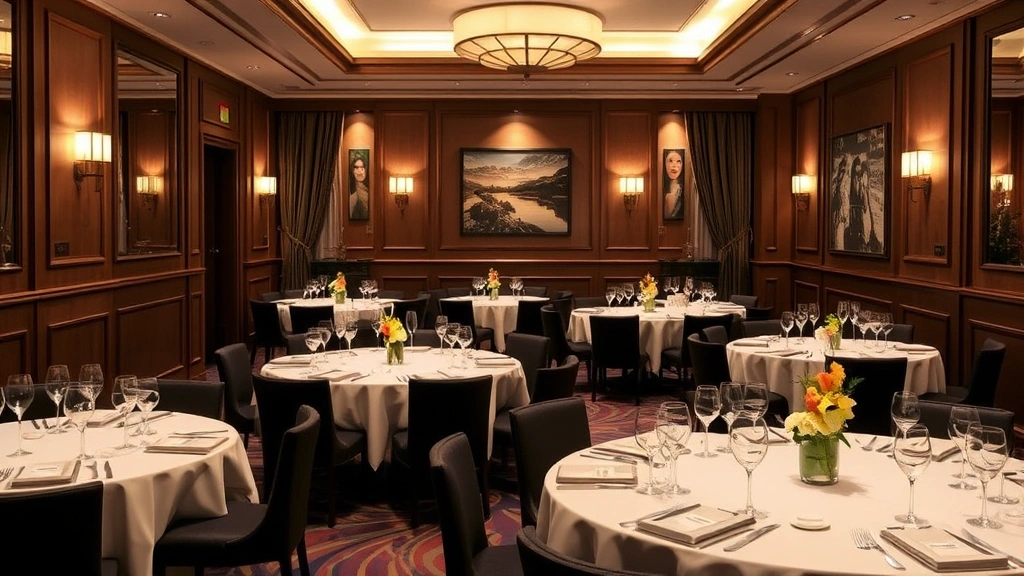
Dedicated event halls offer maximum flexibility and professional infrastructure. These venues typically provide tables, chairs, basic lighting, and sometimes dance floors or sound systems. They’re blank canvases where you can implement your exact vision without compromise.
Event halls range from budget-friendly community centers to upscale ballrooms. Your choice depends on your aesthetic preferences and budget. The advantage is predictability—you know exactly what you’re getting, and staff members are experienced in handling events.
These venues shine when you have specific décor ideas requiring blank walls, particular lighting needs, or when your guest list is substantial. Pricing typically covers the rental fee plus sometimes a per-person catering minimum if you use their in-house caterer. Some halls allow outside vendors, giving you more control over food, flowers, and entertainment.
The downside? Event halls can feel impersonal without thoughtful decoration. They also require more setup work on your part or hiring event coordinators, which adds to costs. For guests unfamiliar with the location, provide clear directions and parking information in advance.
Parks and Outdoor Locations
Outdoor venues offer natural beauty and often cost significantly less than indoor alternatives. Public parks frequently rent pavilions, gazebos, or picnic areas at reasonable rates. If you’re hosting during pleasant weather, outdoor settings create memorable, relaxed atmospheres.
Consider these logistics: weather backup plans are essential—have a tent rental or indoor alternative ready. Ensure restroom facilities are available and adequate. Check whether the park allows outside catering, alcohol (if applicable), and decorations. Verify parking availability for your guest count and ask about noise restrictions.
Outdoor venues work beautifully for casual, garden-themed, or nature-inspired baby showers. They’re perfect if you’re planning activities like lawn games or if guests enjoy fresh air and natural scenery. The informal setting often makes guests feel more relaxed and encourages mingling.
Seasonal considerations matter significantly. Spring and early fall typically offer the best weather. Summer heat can be uncomfortable for pregnant guests and those in formal attire. Winter outdoor events require heating solutions and careful guest comfort management.
Unique and Alternative Venues
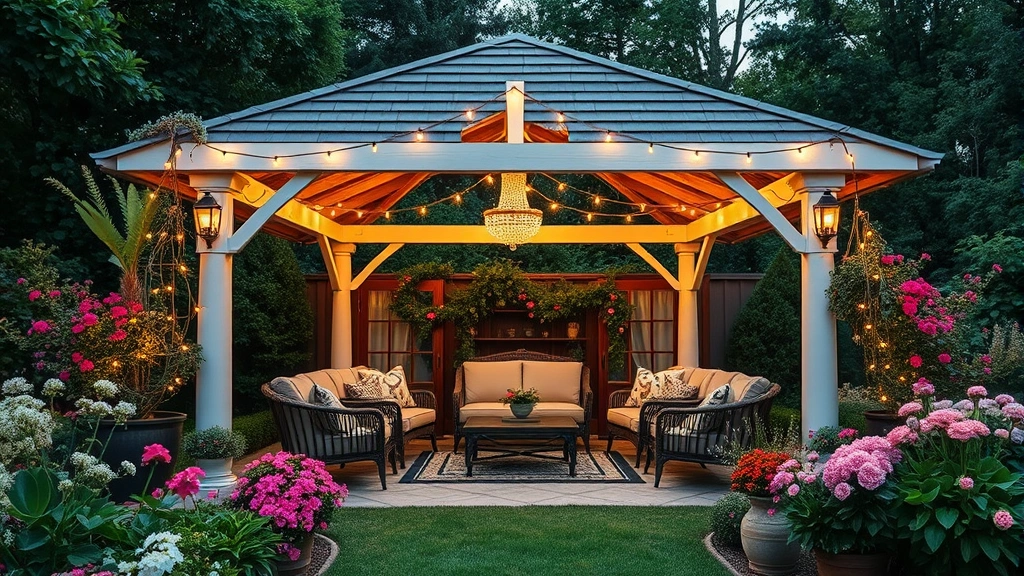
Think beyond traditional options. Art studios, boutique shops, vineyards, farms, yacht clubs, and even museums often host private events. These distinctive spaces create built-in ambiance and give your shower a memorable, unique character.
A pottery studio could host a shower where guests paint ceramic baby items. A bookstore might work for a literary-themed celebration. A botanical garden provides stunning natural backdrop for photos. These venues often come with inherent décor, reducing your decoration needs and costs.
When considering unique venues, verify they’re equipped for entertaining (restrooms, climate control, appropriate seating). Ask about their event hosting experience and whether they have preferred vendors for catering and setup. Confirm what’s included and what requires outside rental.
Unique venues sometimes offer limited capacity or specific time restrictions. They may require higher rental fees but might eliminate the need for extensive decoration. Think about whether the venue’s character aligns with your theme and whether it’s accessible for all your guests, particularly older relatives or those with mobility considerations.
If you’re thinking creatively about locations, you might also explore best family travel destinations concepts if you’re considering a destination baby shower—increasingly popular for close family and friends.
Practical Considerations for Any Venue
Guest Accessibility and Comfort: Choose venues accessible to all guests. Consider elderly relatives, pregnant attendees, those with mobility challenges, and families with young children. Adequate parking, accessible restrooms, climate control, and comfortable seating aren’t luxuries—they’re necessities.
Capacity and Space Flow: Ensure the venue comfortably accommodates your guest count without feeling cramped. Account for mingling space, dining areas, game stations, and gift-opening sections. Overcrowded venues create stress rather than celebration.
Amenities and Services: Understand what’s included. Does the venue provide tables, chairs, linens, basic décor, sound system, or kitchen access? What are the restrictions on outside vendors, decorations, and music volume? Can you bring your own cake if using outside catering?
Timing and Availability: Confirm the venue’s rental hours, setup and breakdown times, and whether timing aligns with your preferred shower schedule. Some venues have strict time limits; others offer flexibility. Verify your preferred date is available well in advance.
Cost Transparency: Understand all costs upfront. Beyond the rental fee, factor in catering, parking fees, service charges, rental items (tables, chairs, linens if not included), decorations, and any damage deposits. Hidden fees create budget stress.
Weather Contingencies: For outdoor venues, have a backup plan. Can you move indoors if weather turns? Do you need tent rentals? What happens to your deposit if weather forces cancellation? Clarify policies before committing.
Parking and Directions: Verify adequate parking exists for your guest count. Consider providing parking information, directions, or even a parking map in your invitation. For venues in unfamiliar areas, share GPS coordinates or landmarks.
When finalizing venue details, don’t overlook logistics like whether you can bring in your own florist, photographer, or entertainment. Some venues are restrictive; others welcome collaboration. Understanding these details prevents conflicts and surprises closer to your event date.
Remember, the perfect venue supports your vision without creating unnecessary stress. Whether you choose an intimate home gathering, a professional restaurant event, or a unique alternative space, the venue should enhance your celebration, not complicate it. Focus on the venue’s practical functionality first, then layer in aesthetic elements that reflect your personality and theme.
For additional inspiration on bringing your venue to life, explore comprehensive resources on baby shower planning from Parents Magazine, which offers detailed guidance on transforming any space into a celebration-ready environment.
Frequently Asked Questions
What’s the average cost of renting a baby shower venue?
Venue costs vary dramatically based on location, size, and amenities. Home hosting is free but requires setup effort. Restaurant private dining might range from $300-$1,500 depending on group size and catering. Dedicated event halls typically cost $200-$800 for rental alone, plus catering. Unique venues might charge $400-$2,000. Budget 20-30% of your total shower budget for venue rental.
How far in advance should I book a venue?
For popular venues during peak seasons (spring and early summer), book 2-3 months ahead. For less busy times or flexible venues, 4-6 weeks may suffice. Home hosting requires less advance planning but still benefits from early confirmation. Always secure your venue before sending invitations to ensure you can accommodate your desired guest count and date.
Can I decorate a rented venue however I want?
Decoration policies vary significantly by venue. Some prohibit tape, nails, or outside decorations; others are completely flexible. Always ask about decoration restrictions, damage policies, and whether the venue provides any basic décor. Get decoration policies in writing to avoid misunderstandings. Many venues allow decoration but charge damage deposits, so clarify these details upfront.
What if my guest list grows beyond my venue’s capacity?
If your guest list expands significantly, you have options: upgrade to a larger venue (do this quickly to secure availability), limit your invitation list, or plan a second celebration for overflow guests. Communicate changes promptly with your venue to understand their flexibility. Most venues have maximum capacity limits for safety and comfort reasons, so don’t squeeze in more guests than recommended.
Are outdoor venues worth the weather risk?
Outdoor venues offer beauty and often cost savings, but weather unpredictability requires contingency planning. If you choose an outdoor venue, have a tent rental budget, identify indoor backup options, and communicate weather policies clearly. Late spring or early fall typically offer the most reliable weather. If you’re anxious about weather interference, choose an indoor or covered venue instead.
Should I hire an event coordinator for venue management?
Event coordinators aren’t necessary for simple showers but become valuable for complex events, large guest counts, or when you’re managing details remotely. If you’re tech-savvy and detail-oriented, you can manage venue logistics independently. If you’re overwhelmed or pregnant and fatigued, professional coordination prevents stress. Consider this investment based on your bandwidth and budget.
What questions should I ask potential venues?
Essential questions include: What’s included in the rental fee? What are your decoration policies? Can I bring outside catering? What’s your parking situation? Do you have backup indoor space if weather impacts? What are your noise restrictions? Can I bring my own music or hire entertainment? What’s your cancellation policy? Are there any hidden fees? Getting thorough answers prevents future surprises.