Best Baby’s Teething Toys: Expert Recommendations for Soothing Sore Gums
There’s a particular kind of chaos that arrives around month four or five of parenthood—the kind where your baby transforms into a drool-producing, gum-gnawing tiny human who seems determined to chew through everything in sight. Welcome to teething season. If you’ve found yourself here, searching for solutions to comfort your little one’s aching gums, you’re in exactly the right place.
Teething is a completely normal developmental milestone, but it’s also one of those phases that can test even the most patient parent. The good news? The right baby’s teething toys can make an enormous difference. Not only do they provide relief for your baby’s sore gums, but they also offer sensory stimulation and a safe outlet for that irresistible urge to chew. The challenge lies in knowing which toys actually deliver on their promises and which ones end up gathering dust in your toy bin.
This guide walks you through everything you need to know about selecting, using, and maximizing the benefits of teething toys. We’ve compiled expert recommendations, safety considerations, and practical tips to help you navigate this phase with confidence.
Understanding Teething and Gum Discomfort
Before diving into toy recommendations, it helps to understand what’s actually happening in your baby’s mouth. Teething typically begins somewhere between three and six months, though some babies start earlier or later—there’s a surprisingly wide range of normal here. During this phase, baby teeth are working their way through the gum tissue, which creates inflammation, pressure, and that characteristic discomfort that makes babies want to chew on literally everything.
The symptoms are usually unmistakable: excessive drooling, swollen and tender gums, a slight fever (though not a high one—if your baby has a fever above 101°F, it’s worth checking with your pediatrician), and a sudden interest in gnawing on fingers, toys, or anything else within reach. Some babies sail through teething with minimal fussiness, while others seem genuinely miserable. Both experiences are completely normal.
Understanding this discomfort is crucial because it explains why the right baby’s teething toys aren’t just nice to have—they’re genuinely therapeutic. When a baby chews on a textured toy, they’re applying counter-pressure to their gums, which helps reduce the sensation of pain. It’s similar to how rubbing an area that hurts can sometimes provide relief. The act of chewing also stimulates blood flow to the gums, which can help with the healing process.
According to the American Academy of Pediatrics, teething discomfort typically peaks around nine to thirteen months when multiple teeth are erupting simultaneously. This is important to know because you might find you need different toys or strategies at different stages of teething.
Safety Considerations for Teething Toys
Not all toys marketed for teething are created equal, and safety should be your primary concern. The Consumer Product Safety Commission has specific guidelines about what’s appropriate for teething babies, and understanding these can help you make informed choices.
First, size matters. Any teething toy should be large enough that your baby cannot accidentally inhale it. A general rule of thumb: if it fits through a toilet paper tube, it’s too small. Babies at this age are still exploring the world primarily through their mouths, and choking hazards are a genuine concern.
Second, inspect toys regularly for signs of wear and tear. Pieces that break off, cracks, or deterioration mean it’s time to retire that toy. Soft plastic toys can degrade over time, especially with aggressive chewing, and small pieces can become choking hazards.
Third, be cautious with toys that contain liquid or gel. While some refrigerated teething toys are wonderful for sore gums, they need to be intact and durable. If a toy ruptures, your baby could ingest the contents, which isn’t ideal.
Fourth, avoid toys with small decorative elements like buttons, beads, or eyes that could potentially come loose. Stick with toys designed specifically for teething rather than general baby toys that happen to be chewable.
Finally, always supervise your baby with any teething toy. Even the safest toy isn’t safe if your baby is left unsupervised with it. Supervision allows you to intervene if something goes wrong and to ensure your baby isn’t chewing on the toy in a way that could cause harm.
Top-Rated Teething Toys: Expert Picks
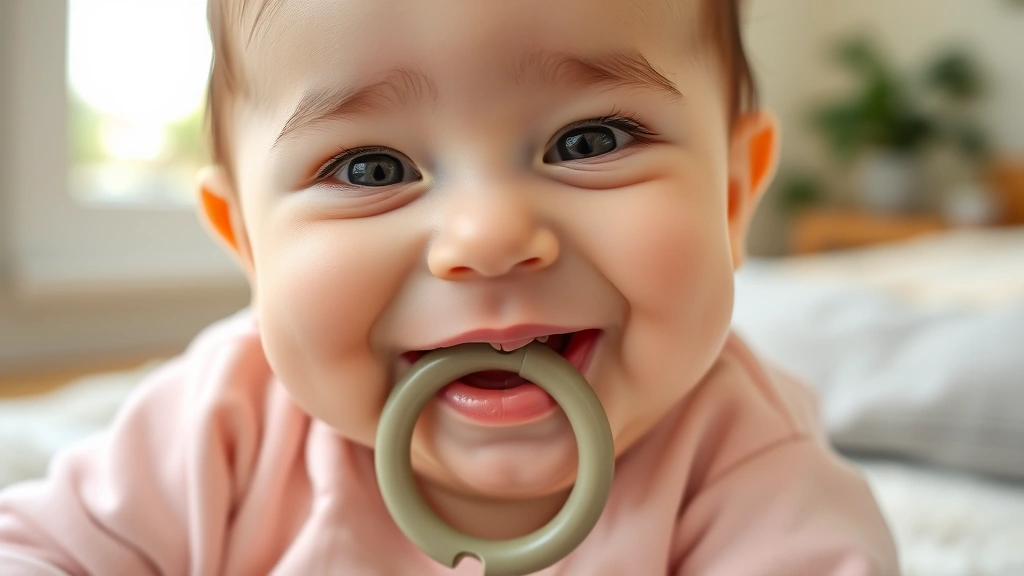
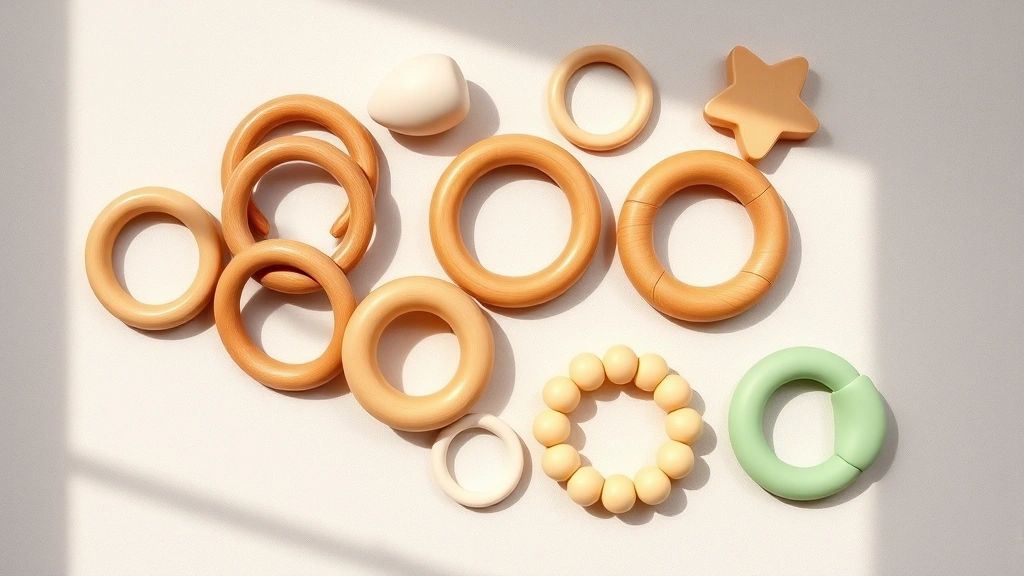
Silicone Teething Rings are often considered the gold standard for a reason. These simple, durable toys come in various shapes and textures, providing different sensory experiences. Look for rings made from food-grade silicone that are free from BPA and phthalates. Many parents appreciate that silicone rings are easy to clean, durable, and come in fun colors and shapes. Some even have textured surfaces designed to massage different areas of the gums.
If you’re looking for something with more variety, consider a baby rattle designed for teething. Many modern teething rattles combine the sensory stimulation of sound with the tactile relief of chewing, offering dual benefits that keep babies engaged longer.
Wooden Teething Toys have made a major comeback, and for good reason. When sourced from reputable manufacturers, wooden teething toys are natural, durable, and often beautifully designed. Look for toys made from untreated wood or wood finished with food-safe stains. The slight resistance of wood provides good counter-pressure for sore gums, and many babies prefer the feel and temperature of wood to plastic.
Rubber Teething Toys like the classic Sophie the Giraffe offer a natural alternative. These toys are made from natural rubber and are completely free from harmful chemicals. They’re lightweight, easy for babies to manipulate, and the squeaky sound adds an element of entertainment. However, they do require careful inspection for damage since natural rubber can deteriorate.
Textured Silicone Toys with Varied Surfaces give babies different sensations to explore. Some have bumpy surfaces, others have ridges, and some have smooth areas. This variety keeps teething interesting and allows your baby to self-select the texture that feels best for their specific gum discomfort.
Refrigerated Teething Toys can be incredibly effective for acute gum pain. The cool temperature provides numbing relief that many babies find soothing. However, don’t freeze them solid—extremely cold temperatures can be uncomfortable. Refrigerated toys work best when they’re cool but not frozen.
For parents looking to expand their teething toolkit, baby teething products like topical gels can complement toy-based relief strategies. However, toys should remain your primary tool.

Material Matters: What to Look For
The material of a teething toy significantly impacts both its effectiveness and safety. Understanding the pros and cons of different materials helps you make choices aligned with your values and your baby’s needs.
Food-Grade Silicone is one of the safest choices available. It’s non-toxic, doesn’t leach chemicals, and can withstand aggressive chewing. Silicone toys are also easy to clean—most can go in the dishwasher or be hand-washed with soap and water. They’re durable, lasting through multiple children if cared for properly. The main drawback? Some babies find silicone less satisfying to chew than wood or rubber.
Natural Rubber is another excellent option, particularly for parents seeking natural materials. Natural rubber is biodegradable, chemical-free, and provides a satisfying chewing experience. It’s also hypoallergenic for most babies. The downside is that natural rubber requires more careful maintenance and inspection since it can deteriorate more quickly than silicone. You’ll need to replace these toys more frequently.
Untreated Wood offers a classic, sustainable option. Wood provides excellent counter-pressure for sore gums and many babies love the texture and temperature. However, make sure any wooden toy is specifically designed for teething and finished with food-safe products. Avoid varnished or stained wood unless you can confirm the finish is safe for babies who will be chewing on it.
Avoid toys made from plastic that contains BPA or phthalates. While regulations have improved significantly, some older or lower-quality toys may still contain these chemicals. Check labels carefully and purchase from reputable manufacturers who provide transparency about materials.
Temperature Techniques That Work
Temperature plays a surprisingly important role in teething relief, and understanding how to use it strategically can significantly improve your baby’s comfort.
Cool (Not Frozen) Toys provide numbing relief that many babies find soothing. The ideal approach is refrigerating teething toys for about 30 minutes before use. This creates a cool sensation without the discomfort of extreme cold. Most babies prefer cool toys to frozen ones—frozen toys can actually be uncomfortable and may numb the gums too much.
Room Temperature Options work well for babies who don’t respond as positively to cold. Some babies actually prefer the slight warmth of a toy that’s been held in your hand or left at room temperature. It’s worth experimenting to see what your baby prefers.
Rotating Your Toys extends the life of refrigerated options. If you have multiple teething toys, you can rotate them in and out of the refrigerator, ensuring you always have a cool option available without overusing any single toy.
Never Use Frozen Toys Directly. While the instinct to freeze teething toys is understandable, toys that are frozen solid can be uncomfortable and potentially harmful. Stick with refrigeration rather than freezing.
If you’re considering numbing gels, consult with your pediatrician first. According to CDC guidance, some topical anesthetics carry risks and should only be used under professional guidance. Toys and other non-chemical methods are often preferable.
Beyond Toys: Complementary Relief Methods
While teething toys are your primary tool, a multi-faceted approach often works best for keeping your baby comfortable during this phase.
Gum Massage can provide significant relief. Using a clean finger (or a finger cot if you prefer), gently massage your baby’s gums with firm, circular motions. Many babies find this incredibly soothing, and it provides direct relief to the area causing discomfort. This works especially well when combined with teething toy use.
Appropriate Nutrition matters too. If your baby is eating solid foods, offer cool or cold foods that are safe for their developmental stage. Soft foods are easier on sore gums. If you’re looking to expand their food repertoire, age-appropriate snacks designed for teething babies can provide both nutrition and relief.
Hydration is important. Teething causes increased drooling, which means your baby is losing fluids. Ensure they’re getting adequate breast milk or formula, and if they’re eating solids, offer water in an appropriate cup.
Distraction and Engagement shouldn’t be underestimated. Sometimes a change of scenery, a new activity, or quality time with you can help shift your baby’s focus away from gum discomfort. Outdoor time, singing, or playing with other age-appropriate toys can all help.
Monitoring Teeth Eruption helps you understand what’s happening. Familiarizing yourself with a baby teeth eruption timeline helps you know what to expect and when. Generally, lower central incisors come in first, followed by upper central incisors, and then the process continues from there.
For gift-giving occasions, if you’re selecting presents for a teething baby, thoughtfully chosen baby boy gifts and baby girl gifts that prioritize teething relief can be genuinely appreciated by parents navigating this phase.
Remember that every baby is different. What works wonderfully for one child might not resonate with another. Having a variety of teething toys and relief methods allows you to find what works best for your specific baby.
Frequently Asked Questions
At what age should I introduce teething toys?
You can introduce teething toys around four to six months, even if teeth haven’t erupted yet. Some babies show interest in chewing toys earlier, and there’s no harm in offering them. However, most babies don’t actually need teething toys until around six to eight months when teething discomfort becomes more pronounced.
How many teething toys does my baby actually need?
Most experts recommend having three to five teething toys available. This allows you to rotate them (especially if you’re refrigerating some), have backups when one needs cleaning, and provide variety so your baby doesn’t get bored. Quality matters more than quantity.
Can I use a cold spoon or wet washcloth instead of teething toys?
Absolutely. A cold (not frozen) spoon or a clean, damp washcloth can provide similar relief to teething toys. Some babies actually prefer these options. The key is that they provide counter-pressure and a cool sensation. Just ensure whatever you use is clean and appropriately sized so there’s no choking risk.
When should I stop using teething toys?
Most babies are through the acute teething phase by around two to three years old, though the process technically continues until all permanent teeth come in around age twelve. However, you’ll likely find your baby loses interest in teething toys once the initial discomfort subsides. Follow your baby’s lead—if they’re not interested, there’s no need to continue offering them.
Are amber teething necklaces safe?
The American Academy of Pediatrics does not recommend amber teething necklaces due to choking and strangulation risks. While some parents swear by them, the potential safety concerns outweigh any potential benefits. Safer alternatives exist that provide similar relief without the associated risks.
What if my baby has a fever while teething?
Low-grade fevers (under 101°F) can occur during teething, but high fevers are not caused by teething. If your baby has a fever above 101°F or other concerning symptoms, contact your pediatrician. Teething should not cause significant illness.
Can I use over-the-counter teething gels?
Some teething gels contain benzocaine, which the FDA has warned against due to potential risks. If you’re considering any topical product, consult your pediatrician first. Many parents find that teething toys and other non-chemical methods provide sufficient relief without the associated risks of topical products.