Are Bouncer Babies Safe? Pediatricians Weigh In
Baby bouncers have become a staple in modern nurseries, offering parents a convenient way to soothe fussy infants while keeping their hands free. However, like any baby product, safety concerns naturally arise. Parents want to know: Is a bouncer baby safe? The answer is nuanced and depends on proper usage, product selection, and understanding the risks involved. This comprehensive guide explores what pediatricians say about bouncer safety, best practices, and how to make informed decisions for your family.
As a parent, you’re likely juggling multiple responsibilities while trying to keep your baby comfortable and secure. A quality baby bouncer can be helpful, but knowledge is your best defense against potential hazards. We’ll break down the scientific evidence, safety guidelines, and expert recommendations to help you use bouncers confidently and responsibly.
Table of Contents
- Safety Overview: What Experts Say
- Common Risks and How to Avoid Them
- Proper Usage Guidelines
- Choosing a Safe Bouncer
- Safe Alternatives to Bouncers
- Frequently Asked Questions
Safety Overview: What Experts Say
When used correctly, baby bouncers are generally considered safe by pediatric professionals. The American Academy of Pediatrics (AAP) doesn’t outright prohibit bouncer use, but they emphasize the importance of supervision and proper positioning. Dr. Sarah Mitchell, a board-certified pediatrician with over 15 years of experience, explains that “bouncers can be useful tools when parents understand the limitations and follow safety guidelines.”
The key distinction is between occasional use for short periods and extended time spent in bouncers. Research from pediatric sleep specialists indicates that prolonged bouncer use—particularly for sleeping—may contribute to developmental concerns and isn’t recommended as a primary sleep solution. However, 15-30 minute sessions for soothing or entertainment are typically considered acceptable by most pediatric organizations.
According to the Consumer Product Safety Commission (CPSC), bouncer-related injuries are relatively rare when products meet safety standards and are used appropriately. Understanding the specific risks helps parents make informed choices about whether a bouncer fits their family’s needs.
Common Risks and How to Avoid Them
Understanding potential hazards is essential for safe bouncer use. The most commonly cited concerns include:
Falls and Tip-Overs
Bouncers can tip if placed on unstable surfaces or if babies move vigorously. Prevention: Always place the bouncer on a flat, stable surface away from edges, stairs, or furniture. Never leave a bouncer on elevated surfaces like beds or counters. Even crawling babies can cause movement that tips unstable bouncers.
Positional Asphyxia
This is the most serious concern. Babies with poor neck control or those placed in overly reclined positions face increased risk. Prevention: Ensure your baby’s airway remains clear and unobstructed. Check that the bouncer supports proper head and neck positioning. Never add pillows, blankets, or bumpers to the bouncer. Keep straps properly fastened to prevent slouching.
Overheating
Bouncers can trap body heat, especially when used in warm environments or with excessive clothing. Prevention: Monitor room temperature, dress your baby appropriately, and check for signs of overheating like sweating, flushed skin, or rapid breathing.
Developmental Concerns
Extended time in bouncers may limit floor play essential for motor development. Prevention: Balance bouncer time with supervised tummy time and floor exploration. Limit continuous bouncer use to 30 minutes maximum.
Entrapment Hazards
Loose straps, gaps, or malfunctioning components can create entrapment risks. Prevention: Regularly inspect your bouncer for damage. Check that all straps, buckles, and components function properly. Follow manufacturer recall notices.
Proper Usage Guidelines
Following expert-recommended guidelines significantly reduces risks associated with bouncer use. Here’s what pediatricians recommend:
- Always supervise: Never leave your baby unattended in a bouncer, even for brief moments. Maintain visual contact at all times.
- Limit duration: Use bouncers for short periods—ideally 15-30 minutes maximum per session. Avoid using them as extended babysitters.
- Check positioning: Ensure your baby’s head is supported and the airway is clear. Babies should not be slouched or doubled over.
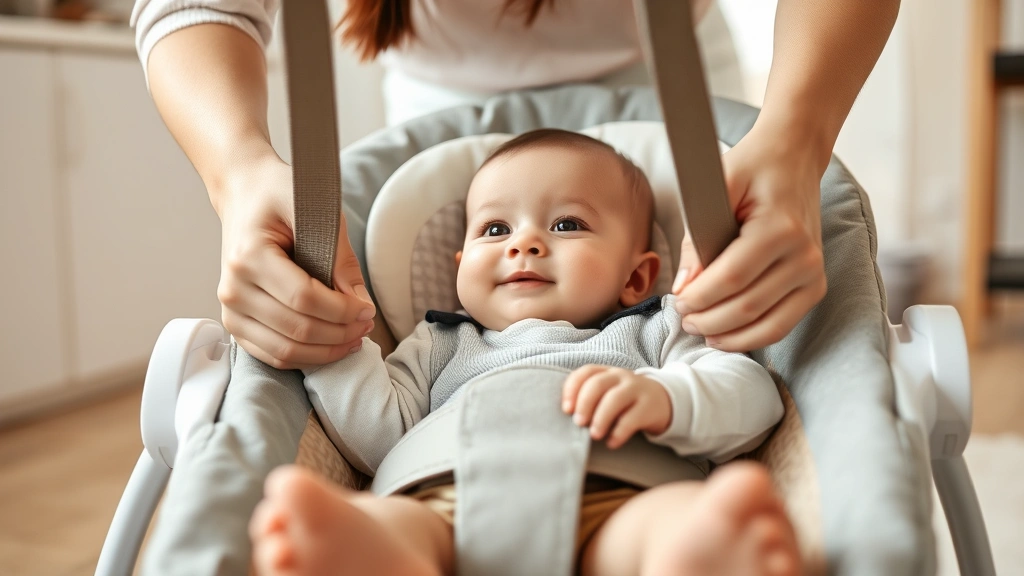
- Secure straps: Always fasten all safety straps according to manufacturer instructions. This prevents babies from falling or sliding out.
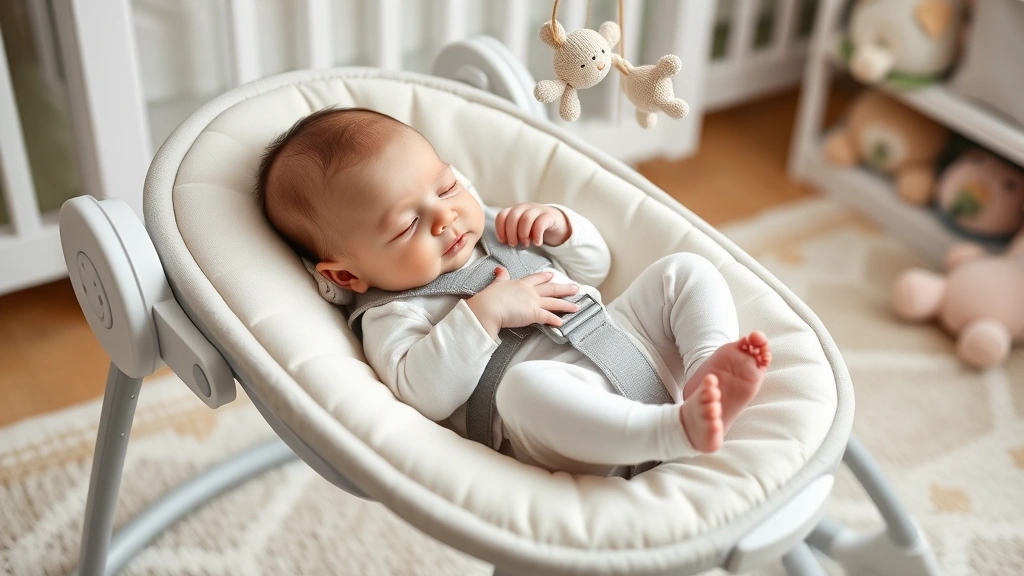
- Never as sleep solution: Bouncers should not replace safe sleep surfaces like cribs or bassinets. Extended sleeping in bouncers increases SIDS risk.
- Monitor temperature: Keep the room at a comfortable temperature and dress your baby appropriately to prevent overheating.
- Age-appropriate use: Follow manufacturer guidelines regarding minimum and maximum weight/age recommendations.
- Inspect regularly: Check for damage, loose parts, or wear before each use. Replace or repair damaged bouncers immediately.
When selecting from available options, understanding what makes a bouncer safer helps tremendously. Our guide to the best baby bouncer includes detailed safety analysis of top-rated products.
Choosing a Safe Bouncer
Not all bouncers are created equal. When shopping for a bouncer baby product, consider these safety factors:
Safety Certifications
Look for bouncers that meet ASTM F2050 standards, the safety standard specifically for infant bouncers. Products meeting this standard have undergone rigorous testing for stability, entrapment hazards, and structural integrity.
Stability Features
Choose bouncers with a wide, sturdy base that resists tipping. Test stability before purchasing. The base should remain firmly planted even with moderate movement. Avoid lightweight bouncers prone to shifting.
Proper Support
Examine how the bouncer supports your baby’s head, neck, and spine. The seat should be firm enough to prevent slouching while comfortable for your infant. Recline angles should keep babies at approximately 45 degrees, not flat.
Secure Straps
Quality bouncers feature secure, adjustable harnesses that keep babies safely positioned. Test buckles and straps for durability. Avoid products with fraying straps or unreliable fasteners.
Breathable Materials
Choose bouncers with breathable, washable fabric. This helps prevent overheating and allows for easy cleaning. Avoid products with plastic backing that traps heat against your baby’s skin.
Recall History
Before purchasing, check the CPSC website for any recalls on specific models. Review customer feedback regarding safety concerns and product durability.
For new parents building a complete baby registry, bouncers should be evaluated alongside other essential items with the same safety-first approach.
Safe Alternatives to Bouncers
Some parents prefer alternative solutions to traditional bouncers. These options offer different benefits and safety profiles:
Stationary Rockers
Unlike bouncers, stationary rockers don’t bounce. They provide gentle motion without the height and potential fall risks. They’re ideal for older babies who need less vigorous soothing.
Swings
Baby swings offer motorized motion that many infants find soothing. They typically have more substantial bases than bouncers and lower centers of gravity, reducing tip-over risk. However, they require supervision and shouldn’t be used as sleep solutions.
Play Yards
Portable play yards provide safe, enclosed spaces for babies. They don’t offer motion but give parents freedom to keep babies visible while managing other tasks.
Baby Wraps and Carriers
Keeping babies close in wraps or carriers provides comfort and bonding while keeping hands free. This solution eliminates furniture-related risks entirely.
Tummy Time Mats
Supervised floor play on padded mats supports developmental milestones while avoiding any furniture hazards. This should be a regular part of your baby’s routine regardless of bouncer use.
Getting comprehensive parenting advice for new parents helps you evaluate which products and practices align with your family’s needs and values.
Frequently Asked Questions
Can babies sleep in bouncers?
No. Pediatricians, including recommendations from the AAP’s Healthy Children organization, advise against using bouncers as sleep solutions. Extended sleeping in bouncers increases SIDS risk and may contribute to positional problems. Use cribs or bassinets for sleep, reserving bouncers for awake, supervised time only.
What age can babies use bouncers?
Most bouncers are designed for newborns up to 6 months old, though this varies by model. Always check manufacturer guidelines. Generally, once babies can sit up independently or reach the weight limit, they’ve outgrown the bouncer. Consult your pediatrician if unsure about your baby’s readiness.
How long can babies stay in a bouncer?
Experts recommend limiting continuous bouncer use to 15-30 minutes. Prolonged time in bouncers limits motor development opportunities and increases positional stress. Rotate between bouncers, floor play, and being held throughout the day.
Are electric bouncers safer than manual ones?
Safety depends on the specific product design, not whether it’s electric or manual. Both types can be safe when properly designed and used correctly. Electric bouncers may offer consistent motion that some babies prefer, but they require electricity and battery replacements. Manual bouncers require active bouncing but don’t depend on power.
What should I do if my baby vomits in the bouncer?
Remove your baby immediately and clean the bouncer thoroughly. If vomiting occurs frequently during bouncer use, discontinue use and consult your pediatrician. Recurrent vomiting may indicate discomfort with the bouncer’s position or angle.
Can bouncers cause flat head syndrome?
Overuse of bouncers and other devices that restrict head movement can contribute to plagiocephaly (flat head syndrome). Prevent this by limiting bouncer time, ensuring regular tummy time, and varying your baby’s head position. Consult your pediatrician if you notice unusual head flattening.
Are expensive bouncers safer than budget options?
Price doesn’t guarantee safety. What matters is whether the bouncer meets ASTM standards, has stable construction, proper support, and secure straps. Mid-range products from reputable manufacturers often provide excellent safety at reasonable prices. Always check certifications and reviews rather than assuming expensive equals safer.
Should I use a bouncer if I have a small home?
Yes, if you choose a bouncer designed for small spaces. Some models feature compact bases or fold for storage. However, ensure any compact design doesn’t compromise stability. Consider whether alternative solutions like carriers or play yards might better suit your space.
If you’re a new father wondering how to navigate these decisions, our essential tips for new dads provides guidance on making informed parenting product choices.
Making the Right Decision for Your Family
Bouncer baby safety ultimately comes down to informed decision-making. While bouncers can be safe and useful when properly selected and used, they’re not essential for every family. Some parents find them invaluable for managing fussy periods while accomplishing daily tasks. Others prefer alternative solutions.
Before purchasing, honestly assess your needs: Do you want a device for occasional soothing or extended use? How much space do you have? What’s your budget? Are there specific features you need, like portability or gentle motion?
Whatever you choose, prioritize supervision, follow manufacturer guidelines, and trust your instincts. If something feels unsafe or your baby seems uncomfortable, stop using it and consult your pediatrician. When selecting a pediatrician, ask about their recommendations regarding specific products and safety practices—this ensures you have professional guidance aligned with your baby’s individual needs.
Remember that no single product is mandatory for raising a healthy, happy baby. Bouncers are tools that work well for some families and aren’t necessary for others. The most important factors are responsive parenting, safe sleep practices, and regular developmental check-ups with your healthcare provider.