Are Carhartt Baby Clothes Worth It? Parent Reviews and Honest Analysis
When it comes to dressing your little one, the choices seem endless. From budget-friendly big-box retailers to premium designer brands, parents today face a bewildering array of options. One brand that’s gained surprising traction in the baby clothing market is Carhartt, traditionally known for rugged workwear. But is investing in Carhartt baby clothes actually worth your hard-earned money? We’ve compiled real parent reviews, examined the quality, and analyzed the value proposition to help you make an informed decision.
Carhartt’s entry into baby fashion represents an interesting shift for the iconic workwear brand. Their baby collection promises the same durability and quality that contractors and laborers have relied on for decades. However, premium pricing often accompanies premium branding. In this comprehensive guide, we’ll explore whether Carhartt baby clothes deliver on their promises and whether they justify their cost compared to other quality alternatives.
Table of Contents
- Quality and Durability Analysis
- Price Comparison with Competitors
- What Parents Really Say
- Materials and Construction Details
- Sizing and Fit Considerations
- Sustainability and Ethics
- Best Items to Invest In
- Frequently Asked Questions
Quality and Durability Analysis
The cornerstone of Carhartt’s reputation rests on durability. Parents investing in Carhartt baby clothes are primarily attracted to the promise of garments that withstand active toddlers and multiple wash cycles. After reviewing dozens of parent testimonials and examining product specifications, the quality claims largely hold up.
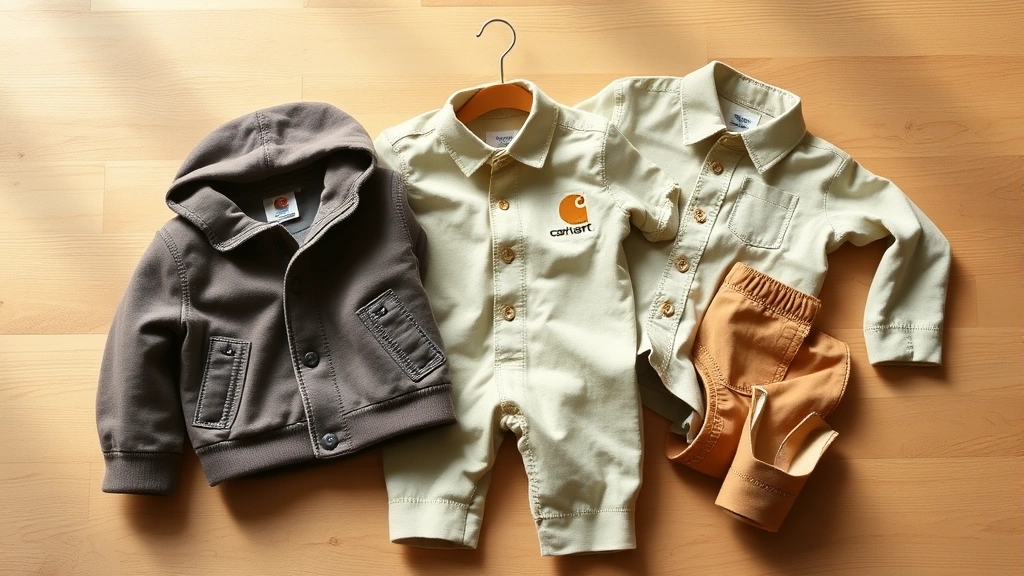
Carhartt baby items feature reinforced seams, high-quality stitching, and materials designed to resist wear and tear. Compared to typical department store baby clothing, Carhartt pieces do demonstrate superior longevity. Parents report that items maintain their shape, color, and structural integrity even after 50+ wash cycles. For families with multiple children or those who plan to resell baby clothes, this durability offers genuine value.
The brand’s commitment to construction quality extends to details like zipper selection, button reinforcement, and hem finishing. These aren’t decorative elements—they’re practical features that prevent the frustration of broken zippers or loose seams that plague cheaper alternatives. However, it’s important to note that no baby clothing brand is indestructible. Stains happen, tears occur, and growth happens faster than wear-out in most cases.
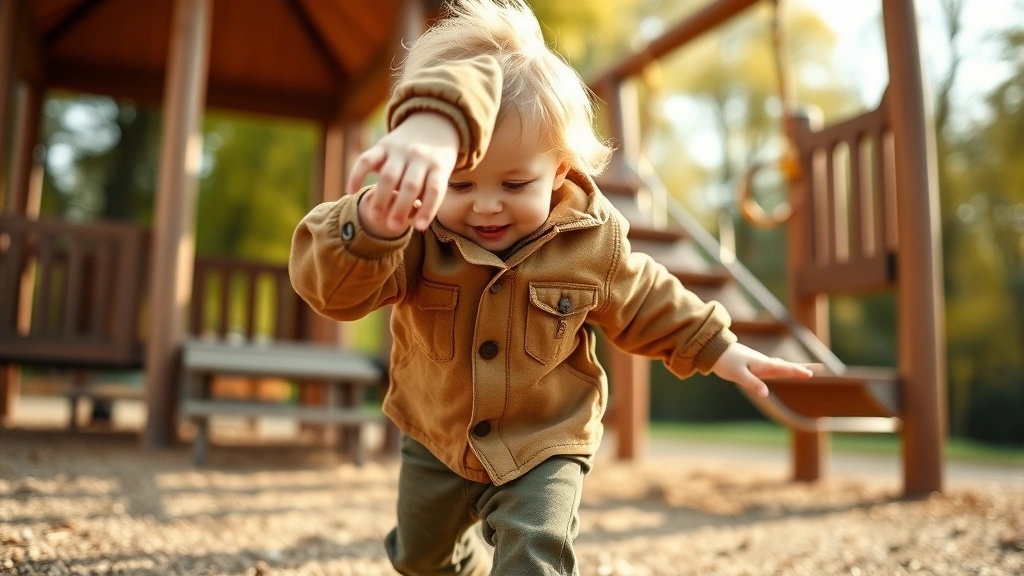
One consideration: durability only matters if your baby actually wears the clothes. Carhartt baby items tend toward heavier fabrics that may feel less comfortable during warm weather. Parents in warmer climates report that while the durability is impressive, the breathability sometimes falls short during summer months. This is a trade-off worth considering based on your climate and your child’s sensitivity to heat.
Price Comparison with Competitors
Let’s address the elephant in the room: Carhartt baby clothes aren’t cheap. A single Carhartt baby jacket can cost $60-$85, while comparable items from brands like Carter’s, Old Navy, or Gap typically range from $25-$40. This represents a significant price differential that requires justification.
When you factor in the durability premium, the cost-per-wear calculation becomes more favorable. A $70 Carhartt jacket worn by two children over three years costs approximately $1.17 per wear. The same jacket from a budget brand at $30, worn once before fading and losing shape, costs $30 per wear. From a pure economics standpoint, quality pieces can represent better value despite higher upfront costs.
However, this calculation assumes your child will actually wear the item and that you’ll successfully pass it to another child or resell it. If your toddler wears something for three months before outgrowing it and you have no younger siblings on the horizon, the premium pricing becomes harder to justify. This is why many parenting experts recommend investing in durability for basics and staples while opting for budget-friendly options for trendy items your child will quickly outgrow.
For specific recommendations on children’s clothing investments, visit our guide on baby boy clothes to see how different brands and price points compare across various categories.
Materials and Construction Details
Understanding what you’re actually paying for requires examining materials closely. Carhartt baby clothes primarily use cotton blends, with many items incorporating their signature canvas or duck cloth—heavy-duty materials traditionally used in workwear.
Material breakdown typically includes:
- 100% organic cotton in some basic pieces
- Cotton-polyester blends (usually 80/20 or 70/30 ratios) for enhanced durability
- Canvas or duck cloth in outerwear and accessories
- Reinforced thread in high-stress areas
The construction methods reflect Carhartt’s workwear heritage. Garments feature bar-tacked seams at stress points, double-stitching in critical areas, and quality zippers from reputable suppliers. These aren’t standard practices in most baby clothing manufacturing, where cost-cutting often means single-stitched seams and cheaper hardware.

One notable advantage: Carhartt baby clothes wash exceptionally well. The materials and construction mean colors resist fading, elastic maintains elasticity, and prints remain vibrant through multiple wash cycles. Parents report that even hand-me-downs look relatively new, which is a significant factor when considering the true cost of ownership.
The downside is that these heavier materials can feel stiff initially. Some parents note that Carhartt baby items require a break-in period before achieving optimal softness. This is particularly notable in their denim and canvas pieces. Washing before wearing and using fabric softener (if not concerned about durability claims) can help address this issue.
Sizing and Fit Considerations
A critical factor that doesn’t get enough attention in price discussions is sizing accuracy. Carhartt baby clothes tend to fit true to size, sometimes even running slightly roomy. This is actually an advantage for longevity—your child can wear items slightly longer as they grow into them.
Compared to some premium brands that size small (requiring you to buy up) or brands that size inconsistently, Carhartt’s straightforward sizing reduces returns and exchanges. This reliability means you’re less likely to experience the frustration of ordering online, receiving ill-fitting items, and dealing with return logistics.
The roomy fit also means better layering potential. During cold months, you can layer Carhartt pieces over thermal underwear without the garment looking bulky. For active toddlers who need freedom of movement, the generous fit is genuinely practical rather than a design flaw.
Sustainability and Ethics
Modern parents increasingly consider sustainability when making purchasing decisions. Carhartt’s approach to sustainability in their baby line is mixed. On the positive side, their durability philosophy aligns with sustainability principles—garments that last longer mean less waste and fewer resources consumed in manufacturing replacements.
However, Carhartt doesn’t emphasize organic materials as heavily in their baby line as some competitors. While some items feature organic cotton, it’s not the default. The company has made commitments to improving environmental practices, but transparency regarding manufacturing locations and labor practices could be more detailed.
For parents prioritizing sustainability, Carhartt baby clothes’ longevity makes them a reasonable choice despite not being marketed as an eco-conscious brand. The extended lifespan means fewer garments end up in landfills compared to cheaper alternatives that deteriorate after a few months of use.
Best Items to Invest In with Carhartt Baby Clothes
Not every Carhartt baby item justifies the premium price. Strategic purchasing means investing in pieces where durability truly matters while choosing budget alternatives for other categories.
Worth the investment:
- Outerwear and jackets: Carhartt jackets genuinely outperform budget alternatives. The construction and materials withstand rough play and multiple seasons. These items are worn frequently and passed down successfully.
- Work-inspired pieces: Carhartt’s signature canvas pants, overalls, and utility-style pieces leverage their core expertise. Parents report these items look great, fit well, and last through multiple children.
- Basics in neutral colors: Simple t-shirts and long-sleeves in classic colors provide reliable basics that coordinate with other items and resist fading.
- Denim and twill pants: These hold up exceptionally well to playground wear and repeated washing, making them good investments for active toddlers.
Consider budget alternatives for:
- Seasonal trend pieces that won’t be worn next year
- Items your child will quickly outgrow
- Delicate or formal wear (not Carhartt’s strength anyway)
- Sleepwear (where breathability matters more than durability)
For a comprehensive look at children’s clothing options across price points, check out our comprehensive parenting advice guide which discusses strategic clothing investments as part of overall parenting budgeting.
Frequently Asked Questions
Are Carhartt baby clothes safe for newborns and sensitive skin?
Carhartt offers some organic cotton options suitable for newborns with sensitive skin. However, their cotton-polyester blends aren’t specifically marketed for sensitive skin. If your baby has eczema or significant skin sensitivities, brands specializing in hypoallergenic baby clothing might be better choices. Always check fiber content and wash new items before first wear. For more information on baby care, consult the American Academy of Pediatrics guidance on baby clothing.
How do Carhartt baby clothes compare to brands like Patagonia and Outdoor Voices?
Carhartt positions itself differently from premium outdoor brands. While Patagonia emphasizes sustainability and Outdoor Voices focuses on technical performance, Carhartt emphasizes durability and workwear aesthetics. Patagonia items are often more expensive but include stronger sustainability commitments. For pure durability in active play scenarios, Carhartt and Patagonia are comparable; the choice depends on whether sustainability or workwear style appeals to you more.
Can you find Carhartt baby clothes on sale or discounted?
Yes, strategic shopping can reduce costs. Carhartt frequently runs sales during seasonal transitions, and outlet stores often stock baby items at 20-30% discounts. Online retailers sometimes offer promotional codes. However, Carhartt rarely discounts as aggressively as fast-fashion brands, so sales typically mean 15-25% off rather than 50%+ reductions. Waiting for seasonal sales can be worth it for larger purchases.
Are Carhartt baby clothes good for resale?
Absolutely. The durability and timeless styling mean Carhartt baby pieces hold value well on resale platforms. Items typically sell for 40-60% of original retail price on secondhand markets, compared to 10-20% for budget brand pieces. If you plan to resell baby clothes, Carhartt represents a genuinely smart investment.
What’s the return policy if my baby doesn’t like the fit?
Carhartt’s return policy typically allows 30-day returns for most items. However, policies vary by retailer, so check where you’re purchasing. Many parents recommend ordering multiple sizes online and returning the non-fitting items, though this works best if you have quick shipping access.
How do Carhartt baby clothes perform through multiple children?
This is where Carhartt truly shines. Parents with multiple children consistently report that Carhartt pieces maintain appearance and functionality through 2-3 children. Colors remain vibrant, elastic stays functional, and garments don’t develop the worn-out appearance that plagues cheaper alternatives. For families planning multiple children, Carhartt represents excellent value despite higher upfront costs.
Are there sizing differences between Carhartt baby and regular Carhartt products?
Yes, Carhartt baby sizes follow standard infant and toddler sizing conventions rather than their adult workwear sizing. The baby line is specifically designed for young children with appropriate proportions, shorter inseams, and smaller sleeve lengths. Don’t attempt to buy adult Carhartt pieces as oversized baby clothes—the proportions won’t work well.
For additional parenting insights on budgeting for children’s needs, visit our essential parenting advice for raising healthy children which covers strategic spending on children’s items.
Final Verdict: Are Carhartt Baby Clothes Worth It?
The answer depends on your specific situation. If you value durability, plan to pass clothes to younger siblings or resell them, prefer timeless workwear aesthetics, and have a reasonable budget, Carhartt baby clothes represent solid investments. The quality justifies the premium price when viewed through a cost-per-wear lens over multiple children.
However, if you’re a first-time parent with one child, live in a warm climate, prefer budget flexibility, or want trendy pieces your child will outgrow before wearing out, budget alternatives make more financial sense. The most strategic approach combines both: invest in durable Carhartt basics and outerwear while choosing budget-friendly options for seasonal items and pieces your child will quickly outgrow.
Visit the Parent Path Daily Blog for more discussions on children’s products and parenting decisions. You might also find our article on best baby bouncers helpful as you evaluate other baby products. For expert perspectives on child development and appropriate clothing for different ages, check out resources from Healthy Children from the American Academy of Pediatrics.
Ultimately, the best baby clothes are ones your child will actually wear comfortably while meeting your budget and values. Carhartt baby clothes excel at durability and style, but they’re not the only quality option available. Make your decision based on your family’s specific needs rather than brand prestige alone.