Is Peppa Pig Suitable for Babies? Expert Insight on Screen Time and Development
Let’s be honest: the moment your little one fixates on that British pig’s snout on the screen, you’re probably wondering if you’ve made a terrible parenting decision. Peppa Pig is everywhere—from nurseries to birthday parties to those moments when you desperately need five minutes of peace. But the real question isn’t whether your baby will watch it; it’s whether they should.
The truth is more nuanced than a simple yes or no. Peppa Pig has become a cultural phenomenon for toddlers and preschoolers, but babies under 18 months? That’s where expert guidance becomes crucial. This article breaks down what research tells us about screen time for the youngest viewers, whether Peppa Pig content aligns with developmental needs, and how to make informed choices that work for your family.
We’re not here to judge your parenting choices—we’re here to give you the facts so you can make decisions that feel right for your household. Because let’s face it, sometimes you need a moment, and knowing whether that moment can include Peppa Pig matters.
Age Recommendations and Screen Time Guidelines
The American Academy of Pediatrics (AAP) provides clear guidance that shapes how pediatricians and child development experts think about screen time. According to AAP recommendations, children under 18 months should avoid screen media other than video chatting. For children 18 to 24 months, if parents want to introduce programming, they should choose high-quality options and watch together.
For babies specifically—those under 12 months—the guidance is straightforward: no screens. Not because screens are inherently evil, but because this developmental window is critical for brain development in ways that screens simply cannot support. Babies learn through direct interaction, physical play, and responsive caregiving from the adults in their lives.
Peppa Pig, while delightful for older toddlers, falls into the category of content designed for children 3 and up. The show assumes certain cognitive abilities, humor comprehension, and attention spans that babies haven’t developed yet. A six-month-old watching Peppa Pig isn’t really watching it—they’re experiencing bright colors and sounds, which isn’t harmful but also isn’t beneficial in the way purposeful play would be.
What Makes Peppa Pig Content
Understanding what Peppa Pig actually offers helps clarify whether it’s appropriate for your baby. The show features simple animation, British humor (often sailing over young children’s heads), family dynamics, and everyday scenarios like jumping in muddy puddles or visiting the dentist.
The humor is layered in ways many don’t realize. Parents watching alongside kids often catch jokes directed at adults—references to adult situations, subtle sarcasm, and commentary on parenting itself. This is actually one of the show’s strengths for family viewing, but it also means the content isn’t really calibrated for babies who can’t process humor at all.
Each episode runs about five minutes for the shorter format or 14 minutes for longer episodes. The pacing is deliberate and slow, which makes it less overstimulating than many children’s programs. Characters speak clearly, which has genuine educational value for language learners, but that value kicks in around age 2 or 3, not in infancy.
The show normalizes emotional expression—characters get frustrated, excited, and sad—which can be valuable for emotional development in older toddlers. However, babies learn emotional regulation primarily through observing and interacting with their caregivers, not through television characters.
Developmental Impact on Babies and Toddlers
When we talk about developmental impact, we need to distinguish between babies (0-12 months), young toddlers (12-24 months), and older toddlers (24-36 months). The differences are significant.
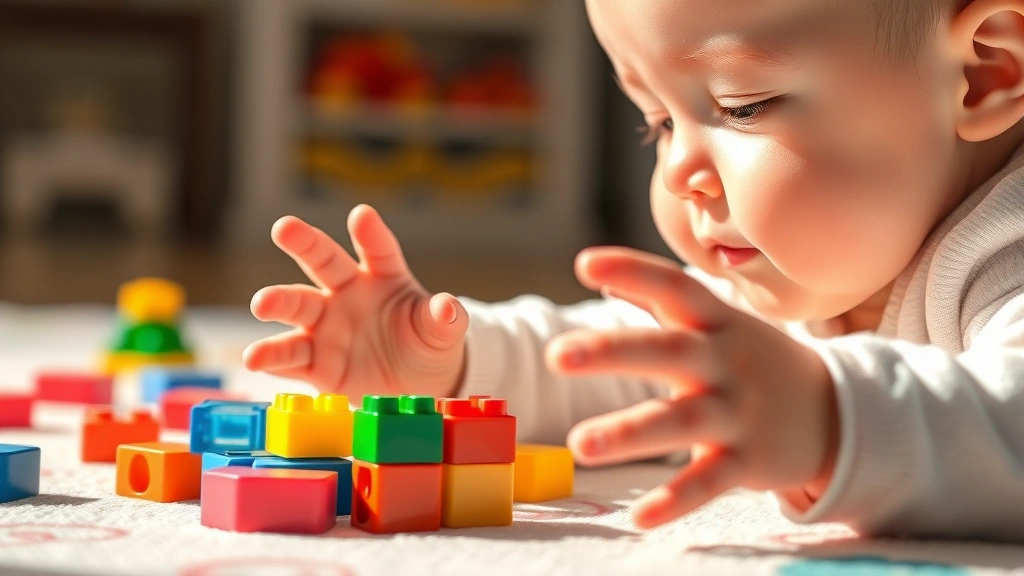
For babies under 12 months: Screen time contributes nothing to development and potentially displaces time spent on activities that do matter—tummy time, reaching and grasping, exploring textures, and interacting with caregivers. Babies learn through movement and touch. They need to practice motor skills, develop their vestibular system (balance and spatial awareness), and build secure attachments. Peppa Pig doesn’t support any of these developmental needs.
For toddlers 12-24 months: This is the transition zone. Some experts argue that very limited, high-quality programming watched with a parent present can be acceptable, though research suggests it’s not necessary. CDC guidance emphasizes that co-viewing with discussion is more beneficial than solo viewing. At this stage, babies are beginning to understand simple narratives, but their learning is still primarily hands-on.
For toddlers 24-36 months: This is where Peppa Pig actually becomes age-appropriate. Children can follow simple storylines, understand character relationships, and learn vocabulary from context. The show’s gentle pacing and clear language make it suitable for this age group when watched with parental involvement.
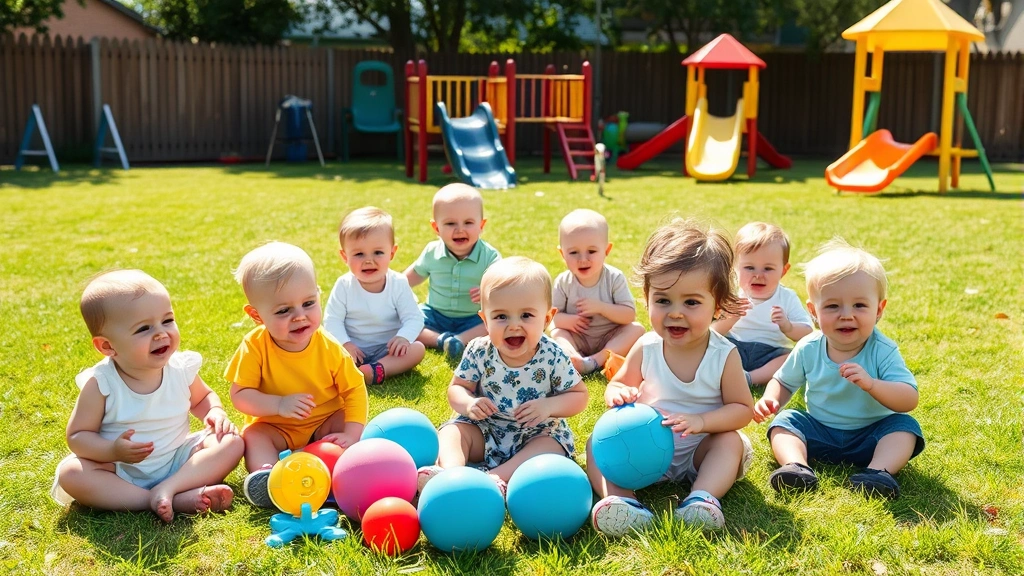
The key developmental concern isn’t that Peppa Pig will harm your baby, but that it might replace activities that would benefit them more. Every minute watching screens is a minute not spent building neural pathways through play, exploration, and interaction.
Language Development and Learning Potential
One of the most compelling arguments parents make for letting their toddlers watch Peppa Pig is language development. And there’s actually something to this, though with important caveats.
The show features clear, natural dialogue delivered by professional voice actors with distinct, easy-to-understand pronunciations. For children in the 2-3 year range, exposure to varied vocabulary and sentence structures can support language growth. However—and this is crucial—research shows that interactive language experiences are far more effective than passive viewing.
A baby learning language needs back-and-forth conversation. They need to make sounds, have an adult respond, and experience the dance of communication. Peppa Pig is a monologue, not a dialogue. Your baby can’t ask Peppa questions or have their responses acknowledged.
That said, if you’re watching Peppa Pig with your toddler and pausing to discuss what’s happening, ask questions about characters’ feelings, or use the show as a springboard for conversation, you’re creating language-rich engagement. The show itself is just the starting point; your involvement is what creates the actual learning benefit.
For very young babies, nursery rhymes, singing, and talking directly with your baby are infinitely more valuable for language development than any screen content could be.
Behavioral Concerns Parents Should Know
Parents often ask whether Peppa Pig causes behavioral problems. The answer is: probably not directly, but context matters enormously.
The “copycat” concern: Peppa is sometimes bratty. She talks back to her father, refuses to listen, and displays typical toddler behavior. Some parents worry this models bad behavior. The reality? Toddlers will be toddlers regardless of whether they watch Peppa. What matters is how adults respond. If you’re watching together, you can discuss why Peppa’s behavior wasn’t ideal and what a better choice would have been. This actually turns the show into a teaching tool.
Overstimulation and sleep disruption: While Peppa Pig is gentler than many programs, screen time—especially close to bedtime—can interfere with sleep through blue light exposure and cognitive stimulation. For babies and young toddlers whose sleep is already delicate, this is a legitimate concern.
Attention span effects: Some research suggests that fast-paced screen content can affect attention spans, though Peppa Pig’s slow pacing is actually less problematic than many children’s programs. Still, babies and young toddlers need unstructured play time to develop sustained attention naturally.
Displacement of other activities: The real behavioral concern isn’t Peppa Pig itself, but what it displaces. If your baby is watching screens instead of playing, exploring, and interacting, you’re missing critical developmental windows. This can affect motor development, social skills, and emotional regulation—not because of the show, but because of what isn’t happening instead.
Creating Healthy Viewing Habits
If you decide screen time is part of your family’s life, here’s how to approach it thoughtfully:
Set clear limits: The AAP recommends no more than one to two hours of high-quality programming per day for children 6 and older. For babies and young toddlers, less is more. If you’re including Peppa Pig, one or two episodes maximum, not as a daily habit.
Always co-view: Watch with your child. Pause and talk about what’s happening. Ask questions. Make it interactive rather than passive. This transforms the experience from babysitting to learning opportunity.
Avoid screens during meals: Family meals are prime time for language development and social connection. Screens have no place here, regardless of your baby’s age.
No screens before bed: The blue light and cognitive stimulation interfere with sleep onset. Stop screen time at least 30-60 minutes before bedtime.
Don’t use screens as a reward or punishment: This creates complicated associations with media. Instead, position screen time as just another activity, not something special or forbidden.
Choose quality over quantity: If your baby is going to watch something, make it count. Peppa Pig is genuinely well-made children’s programming—clear, gentle, and thoughtful. It’s better than many alternatives if you’re choosing to include screens.
Better Alternatives for Younger Babies
If you’re looking for activities that genuinely support your baby’s development, consider these alternatives to screen time:
- Tummy time and floor play: Critical for motor development. Let your baby move freely, reach for toys, and practice the movements that build strength and coordination.
- Singing and music: Babies respond to music, and singing together builds language skills, emotional connection, and auditory processing. No screen required.
- Reading board books: Physical books engage multiple senses and create interactive opportunities. Your baby can touch, turn pages, and you can talk about what you see together.
- Sensory exploration: Safe objects with different textures, temperatures, and weights teach babies about the physical world. Think wooden spoons, soft blankets, plastic containers.
- Outdoor time: Fresh air, natural light, and varied sensory input support development in ways screens cannot. Plus, vitamin D from sunlight is genuinely important.
- Baby classes: Music classes, baby yoga, or parent-baby swimming create social interaction and movement in supportive environments.
These aren’t just “better” alternatives—they’re fundamentally different categories of activity. They’re interactive, responsive, and tailored to your baby’s actual developmental stage in ways screens inherently cannot be.
If you’re planning a celebration, exploring girl baby shower themes or baby shower decorations might include screen-free entertainment ideas. Similarly, activities like baby coloring pages or baby shark coloring pages can provide engagement without screens. Even Winnie the Pooh baby shower themes offer thematic engagement that doesn’t require screen time.
Frequently Asked Questions
At what age is Peppa Pig actually appropriate?
Peppa Pig is designed for children 3 and up, though many children enjoy it starting around age 2.5 if watching with a parent. For babies under 18 months, it offers no developmental benefit and isn’t recommended. From 18-24 months, if introduced, it should be occasional and co-viewed.
Will watching Peppa Pig harm my baby’s development?
Watching Peppa Pig occasionally won’t cause harm. The concern isn’t about damage from the show itself, but about displacement of more beneficial activities. If screen time is crowding out play, interaction, and exploration, that’s where developmental impact occurs.
What if my baby watches Peppa Pig and seems happy?
Happiness in the moment doesn’t indicate developmental benefit. A baby can be entertained by screens without it supporting their growth. Young children are easily captivated by bright colors and sounds; that doesn’t mean those stimuli are developmentally appropriate or necessary.
Is it okay to use Peppa Pig as a babysitter occasionally?
We all need breaks, and there’s no shame in that. Occasional screen time won’t derail your baby’s development. The concern arises with regular, prolonged use as a substitute for interaction and play. If you’re using 15 minutes of Peppa Pig to shower while your toddler is safely occupied, that’s different from daily multi-hour viewing.
Does watching with my baby make screen time okay?
Co-viewing is significantly better than solo viewing because it creates opportunity for interaction and learning. However, it doesn’t make screen time necessary or equivalent to other activities. Co-viewing Peppa Pig is better than your baby watching alone, but playing together would still be more developmentally beneficial.
What about educational apps or programs designed specifically for babies?
Research published by Parents Magazine indicates that programs marketed as “educational” for babies often lack evidence of actual learning benefits. Babies learn through interaction, not consumption. Any app or program claiming to teach babies is selling a product, not a developmental necessity.
How do I know if my baby is watching too much screen time?
Signs include: reduced interest in play or physical activity, difficulty focusing on tasks without screens, behavioral changes, sleep disruption, or reduced interaction with caregivers. If screens are replacing other activities rather than supplementing them, it’s likely too much.
Should I feel guilty if my baby watches Peppa Pig?
No. Parenting is hard, survival matters, and sometimes screens are part of that survival. The goal isn’t perfection; it’s balance. If your baby occasionally watches Peppa Pig while you take care of yourself or your household, that’s not a parenting failure. It’s just reality.