What Are Premature Baby Clothes: A Parent’s Guide
When your baby arrives early, nothing quite prepares you for the emotional whirlwind—especially when those tiny hospital gowns dwarf your newborn like a sleeping bag. Premature baby clothes exist for a reason: they’re specifically designed to fit infants who weigh less and measure shorter than full-term babies. If you’re navigating this unexpected journey, understanding premature baby clothing isn’t just practical; it’s one of the few things you can actually control in an uncertain situation.
The reality is that premature babies need different proportions than standard newborn sizes. A typical newborn outfit might be laughably oversized for a 4-pound infant, making diaper changes awkward and temperature regulation difficult. Premature baby clothes bridge this gap, offering proper fit and functionality when your baby needs it most. Whether your little one spent two weeks or two months in the NICU, having the right wardrobe makes those first weeks home infinitely less stressful.
This guide walks you through everything you need to know about premature baby clothing—from sizing standards to practical recommendations that actually work in real life, not just in theory.
Understanding Premature Baby Clothing Sizes
Premature baby clothes typically come in three categories: preemie, micro-preemie, and small. The preemie size generally fits babies weighing between 4-8 pounds and measuring 17-19 inches long. Micro-preemie sizing accommodates even tinier infants, usually 2-5 pounds and under 17 inches. These aren’t arbitrary numbers—they’re based on actual medical data about early arrivals.
Most major retailers now recognize the importance of these sizes. Baby clothes manufacturers have expanded their offerings significantly over the past decade, acknowledging that premature births account for roughly one in ten deliveries in the United States. This means brands understand their market and design accordingly.
The sizing can feel confusing because premature clothes don’t follow the same progression as regular newborn wear. A preemie size might be labeled 0-3 months by weight rather than age, which actually makes more sense for early arrivals. Pay attention to weight and length specifications rather than age markers—your 3-month-old might still fit perfectly in preemie sizes if they were born significantly early.
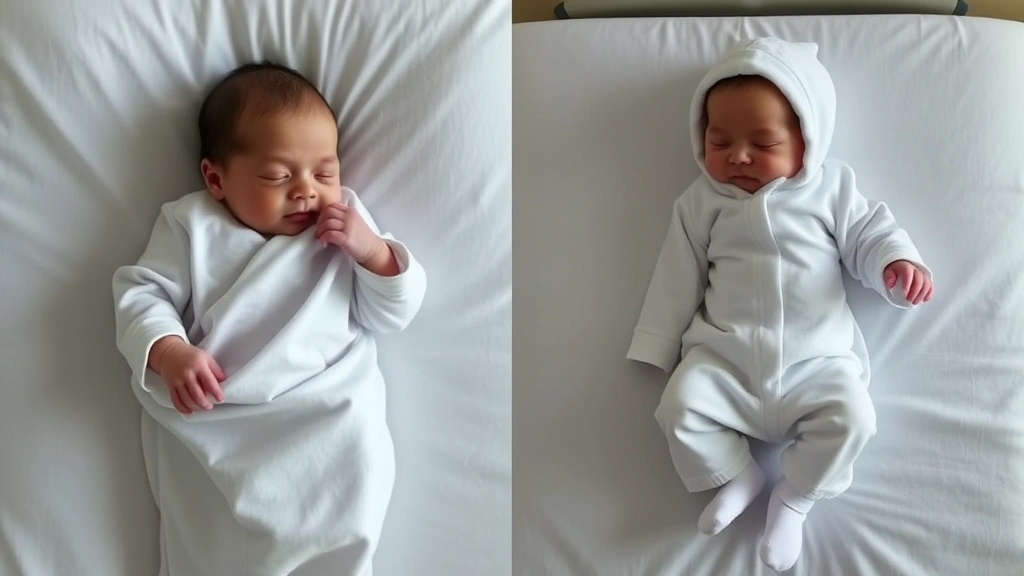
One often-overlooked detail: premature baby clothes have shorter sleeves, narrower shoulders, and tapered legs. This isn’t just about looking cute (though they absolutely do). These proportions prevent fabric from bunching around joints, which matters when your baby is struggling with temperature regulation or has medical equipment attached.
Key Differences from Standard Newborn Clothes
Standard newborn sizes assume a baby weighing 7-8 pounds with typical proportions. When your baby arrives at 5 pounds, that newborn onesie becomes a blanket. The difference isn’t just aesthetic—it’s functional and, frankly, a matter of comfort and practicality.
Standard newborn clothes feature longer torsos and wider shoulder seams. For premature infants still developing muscle tone and body awareness, oversized clothing can actually be uncomfortable. Fabric bunching around limbs can restrict movement and make diaper changes unnecessarily complicated. Premature-specific designs account for the fact that these babies are, quite literally, smaller versions of newborns with proportionally different builds.
Another critical distinction: fasteners and closures. Many premature outfits use side snaps or front snaps rather than over-the-shoulder designs. This matters because premature babies often have feeding tubes, oxygen monitors, or IV lines. Side-snap onesies allow medical staff and parents to access these without undressing the entire baby. When you’re preparing a nursery, this practical consideration becomes enormously valuable.
Fabric weight differs too. Premature babies struggle with temperature regulation more than full-term infants because their bodies haven’t fully developed this capability. Premature-specific clothing uses lighter materials that facilitate easy layering without bulk. You’re not looking for thick, cozy fabrics; you’re looking for breathable options that work with your home’s thermostat rather than against it.
Essential Premature Baby Clothing Items
Building a premature wardrobe doesn’t require buying everything in sight. Focus on versatile basics that you’ll actually use repeatedly. Start with onesies—aim for 5-7 in various styles. Mix short-sleeve and long-sleeve options so you can layer appropriately. Baby girl clothes and baby boy clothes lines both offer excellent preemie onesie selections, though honestly, a well-fitting onesie works regardless of gendered marketing.
Sleepers are your second priority. These one-piece outfits with built-in feet eliminate the sock situation entirely. Premature babies lose heat through their feet rapidly, so built-in foot coverage matters more than you’d expect. Grab 4-5 sleepers in long-sleeve versions—they’re versatile enough for daytime and nighttime wear.
Cardigans and lightweight jackets solve the layering puzzle. When your baby’s temperature needs adjustment, a cardigan beats re-dressing them entirely. Look for options with snap or button closures rather than pullover styles. This becomes genuinely useful when your baby graduates from preemie to newborn sizes and you’re still managing temperature regulation.
Hats deserve special mention. Premature babies lose enormous amounts of heat through their heads, and many hospitals require hats even in warm nurseries. Your hospital likely provides these, but having a few soft, stretchy options at home prevents that constant search for a clean one. Mittens follow the same logic—they prevent your baby from scratching their own face while also keeping tiny hands warm.
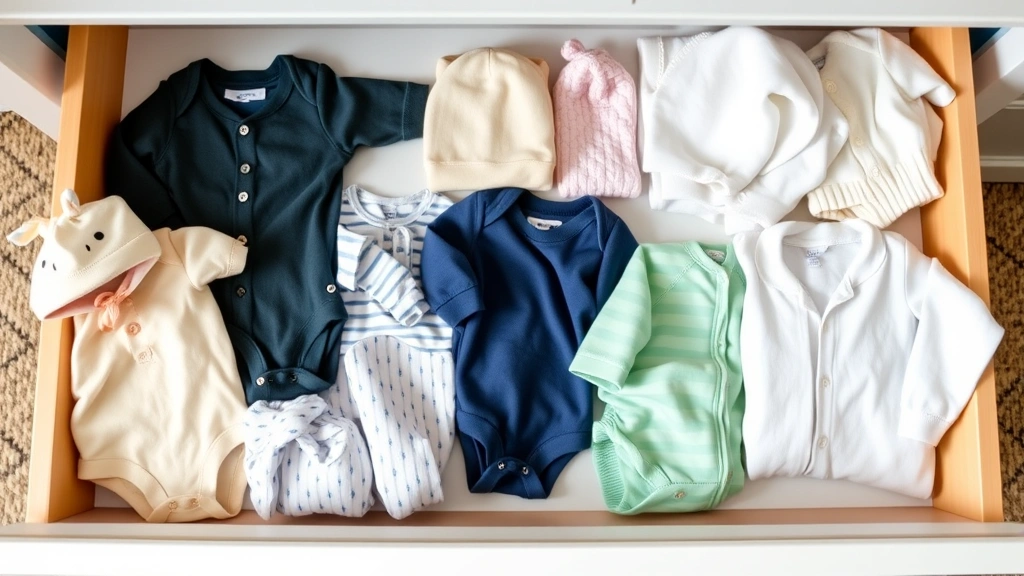
Don’t overlook sleep sacks or wearable blankets. These eliminate the suffocation risk of loose blankets while maintaining appropriate warmth. For premature babies still in the NICU or those just home, sleep sacks represent a safer alternative to traditional bedding. Look for options specifically sized for preemies; standard newborn sleep sacks will still be oversized.
Consider including a few going-home outfits in slightly larger sizes. Hospitals typically send you home with a preemie outfit, but having backup options prevents stress if your baby experiences a growth spurt during their final hospital days. Size up to newborn dimensions for these pieces—you’ll use them within weeks anyway.
Material and Safety Considerations
Premature babies have more sensitive skin than full-term infants because their skin barrier hasn’t fully developed. This means material selection isn’t just preference—it’s genuinely important. Organic cotton ranks as the gold standard for preemie clothing. It’s hypoallergenic, breathable, and gentle on developing skin without requiring harsh chemical treatments.
Avoid synthetic blends and heavily processed fabrics when possible. If budget constraints force compromises, at least ensure the innermost layers touching your baby’s skin are natural fibers. Bamboo viscose offers another excellent option—it’s naturally antimicrobial and incredibly soft, though slightly more expensive than cotton.
Check all garments for loose buttons, threads, or decorative elements before your baby wears them. Premature babies sometimes have involuntary jerking movements, and loose items pose genuine hazards. Even embroidered designs can irritate sensitive skin. The safest premature clothes are simple, well-constructed pieces without excessive embellishment.
Flame retardancy matters more than many parents realize. Sleepwear regulations require flame-resistant materials or tight-fitting designs. For premature babies, tight-fitting sleepers provide both safety and practical benefits—they don’t ride up, they facilitate temperature regulation, and they work better with medical equipment. This is one instance where regulation actually serves your baby’s best interests.
Washing considerations affect fabric longevity and your baby’s skin health. Use fragrance-free, dye-free detergent designed for sensitive skin. Wash new clothes before wearing them to remove manufacturing residues. Some parents prefer double-rinsing premature clothes to ensure no detergent residue remains. This might seem excessive, but premature babies’ skin genuinely is that sensitive during early weeks.
Shopping Tips and Budget Strategies
Premature clothes represent a temporary wardrobe need, which should inform your purchasing strategy. Your baby will likely wear these items for 4-12 weeks depending on their birth weight and growth rate. This timeline means you don’t need extensive quantities, and you can strategically shop sales without guilt.
Include baby registry must haves on your gift registry with specific preemie sizing noted. Most family members genuinely want to help; they just need clear direction. Specify preemie sizes and your preferred materials. This prevents well-meaning relatives from buying standard newborn clothes that won’t fit your baby for months.
Online retailers offer better preemie selection than most brick-and-mortar stores, particularly for micro-preemie sizes. Major retailers like Target, Amazon, and specialized baby clothing companies maintain searchable preemie sections. Read reviews carefully—parents of premature babies are generally thorough in their feedback about fit and functionality.
Consider secondhand options through Facebook groups, Buy Nothing communities, or local consignment shops specializing in children’s clothing. Premature clothes are worn briefly, so secondhand pieces are often in excellent condition. This strategy significantly reduces costs while supporting sustainability. Just ensure you’re washing everything thoroughly before use.
Hospital gift shops sometimes carry preemie sizes at premium prices. While convenient when you’re unexpectedly early, these aren’t your best value. Order online to your hospital or home before delivery if possible. Most shipping arrives quickly enough to get items to your hospital room or home before discharge.
Budget roughly $150-300 for a complete premature wardrobe depending on your climate and how many items you want available. This seems reasonable considering you’re outfitting your baby for only a few months. Compare this to standard newborn wardrobes costing similar amounts for clothes your baby wears for a comparable timeframe.
Transitioning Out of Premature Sizes
Growth happens faster than you’d expect. Many premature babies transition to standard newborn sizes within 8-12 weeks, though this varies dramatically based on birth weight and individual growth patterns. Watching your baby outgrow preemie clothes represents genuine progress—it’s a tangible marker of development that feels celebratory.
Start introducing standard baby clothes gradually as your baby approaches the upper weight limits for preemie sizes. Mix preemie and newborn pieces so you’re not suddenly overwhelmed with oversized clothing. This gradual transition prevents waste and allows you to assess what newborn styles actually work for your baby’s body proportions.
Some babies fall between preemie and newborn sizing for several weeks. This is completely normal. Gender neutral baby clothes in newborn sizes offer flexibility for these in-between phases, providing options that don’t assume your baby’s gender while also accommodating varied body proportions.
Don’t feel obligated to keep preemie clothes if you’re certain you won’t have more children. Donating to NICUs, maternity centers, or organizations supporting families with premature infants creates meaningful impact. These items often cost families significant money during already expensive medical situations. Your donation genuinely helps.
If you anticipate future children, store preemie clothes in climate-controlled spaces. Proper storage prevents deterioration and ensures pieces remain usable for subsequent early arrivals. Label boxes clearly with sizes and seasons so you can easily locate items when needed.
Consult essential parenting advice for raising happy and healthy children resources as your baby grows. Different developmental stages require different clothing considerations, and parenting experts provide valuable guidance for navigating transitions smoothly.
Frequently Asked Questions
What’s the difference between preemie and micro-preemie sizes?
Preemie sizes accommodate babies weighing 4-8 pounds and measuring 17-19 inches long. Micro-preemie sizes fit smaller infants, typically 2-5 pounds and under 17 inches. Your baby’s specific measurements determine which size works best. Most hospitals measure your baby at birth and can recommend appropriate sizing. If your baby was born at 3 pounds, micro-preemie is likely necessary. At 6 pounds, standard preemie usually works perfectly.
Can I use standard newborn clothes for my premature baby?
Standard newborn clothes will be oversized and uncomfortable for most premature babies, particularly during the first weeks home. The proportions don’t match—shoulders are too wide, torsos too long, sleeves too lengthy. While you might use them later, buying preemie-specific pieces initially ensures proper fit and functionality. Standard newborn clothes aren’t wasted; you’ll use them eventually as your baby grows.
How many preemie outfits should I have?
Aim for 5-7 onesies, 4-5 sleepers, 2-3 cardigans, several pairs of socks or booties, and 3-4 hats. This provides enough rotation for regular laundry cycles without excessive accumulation. Remember, your baby will outgrow these items relatively quickly, so you don’t need extensive quantities. Starting conservatively allows you to add items if needed without overbuying.
Where should I buy premature baby clothes?
Major retailers like Target and Amazon carry preemie selections online. Specialized baby clothing companies often offer better variety and sizing specificity. Check local consignment shops or online communities for secondhand options. Many hospitals stock preemie clothing in gift shops, though prices are typically higher than online retailers. Order online before delivery if possible to ensure items are available when needed.
What materials are safest for premature baby skin?
Organic cotton is the gold standard—it’s hypoallergenic, breathable, and gentle on developing skin. Bamboo viscose offers another excellent option with natural antimicrobial properties. Avoid synthetic blends and heavily processed fabrics when possible. Ensure innermost layers touching your baby’s skin are natural fibers. Wash all new clothes before wearing to remove manufacturing residues, using fragrance-free, dye-free detergent designed for sensitive skin.
When can I transition my baby to standard newborn sizes?
Most premature babies transition to standard newborn sizes between 8-12 weeks, though timing varies based on birth weight and individual growth. Watch for your baby consistently fitting preemie sizes loosely or approaching upper weight limits. Introduce newborn pieces gradually rather than switching completely. Some babies benefit from in-between sizing for several weeks. Your pediatrician can provide guidance specific to your baby’s growth trajectory.
How do I handle preemie clothes after my baby outgrows them?
Donate to NICUs, maternity centers, or organizations supporting families with premature infants. If planning future children, store properly in climate-controlled spaces with clear labeling. Secondhand shops and consignment services accept gently used preemie clothing. Sharing with other families navigating early arrivals creates meaningful community support during challenging times.